Basic Addition Numbers Worksheets for Ages 4-9 - Page 2
41 filtered results
-
From - To
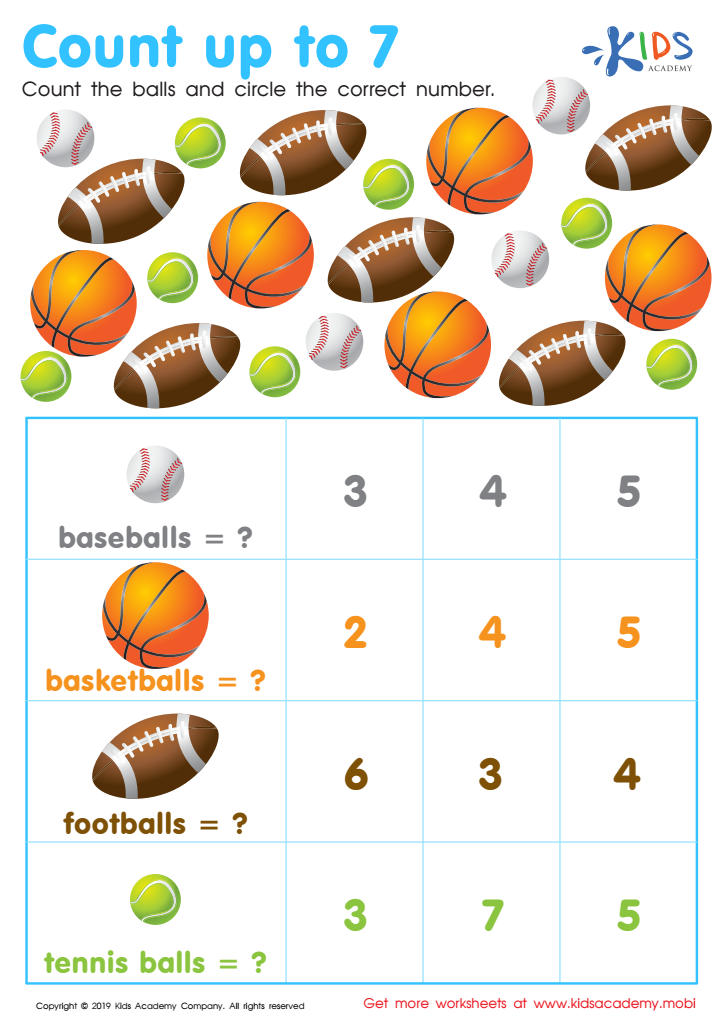
Count up to 7 Worksheet
 Assign to My Students
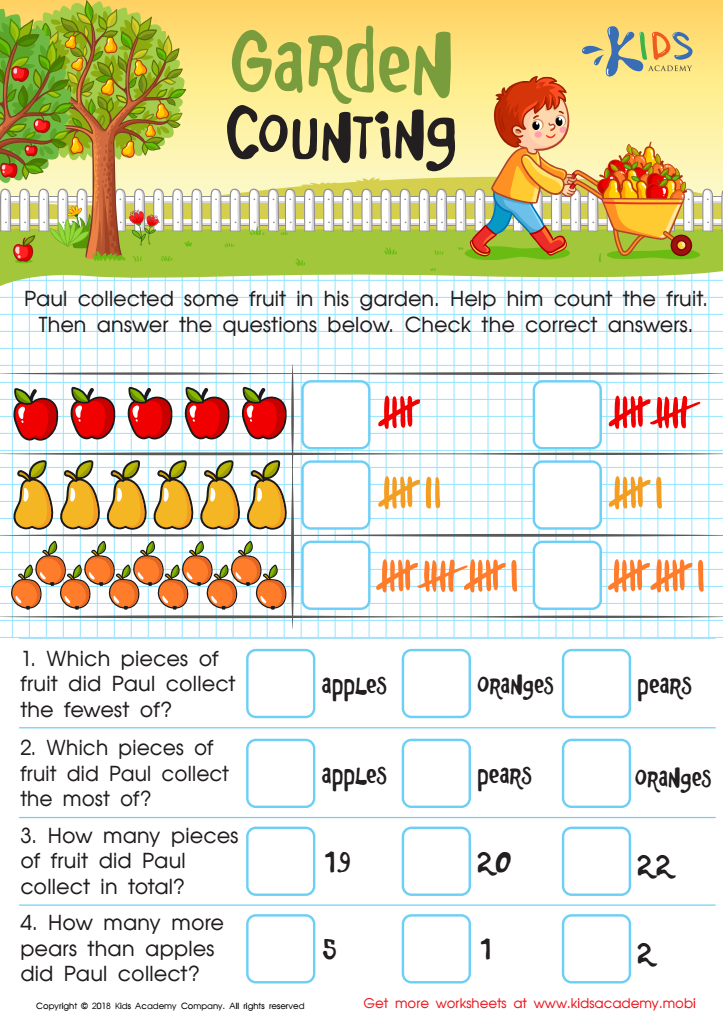
Garden Counting Worksheet
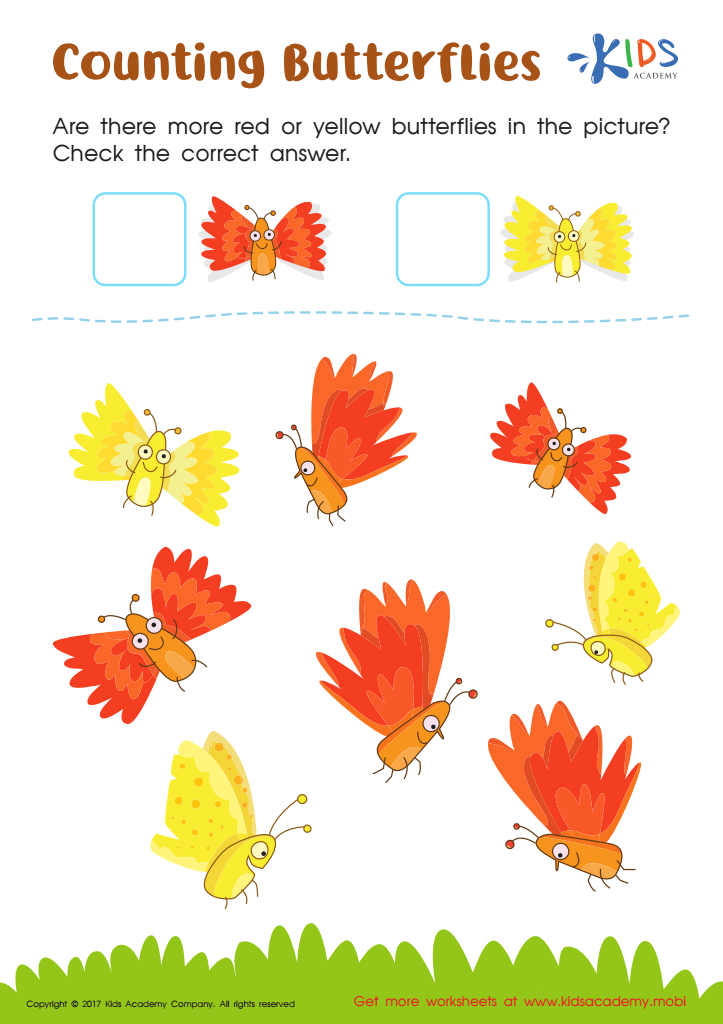
Counting Butterflies Worksheet
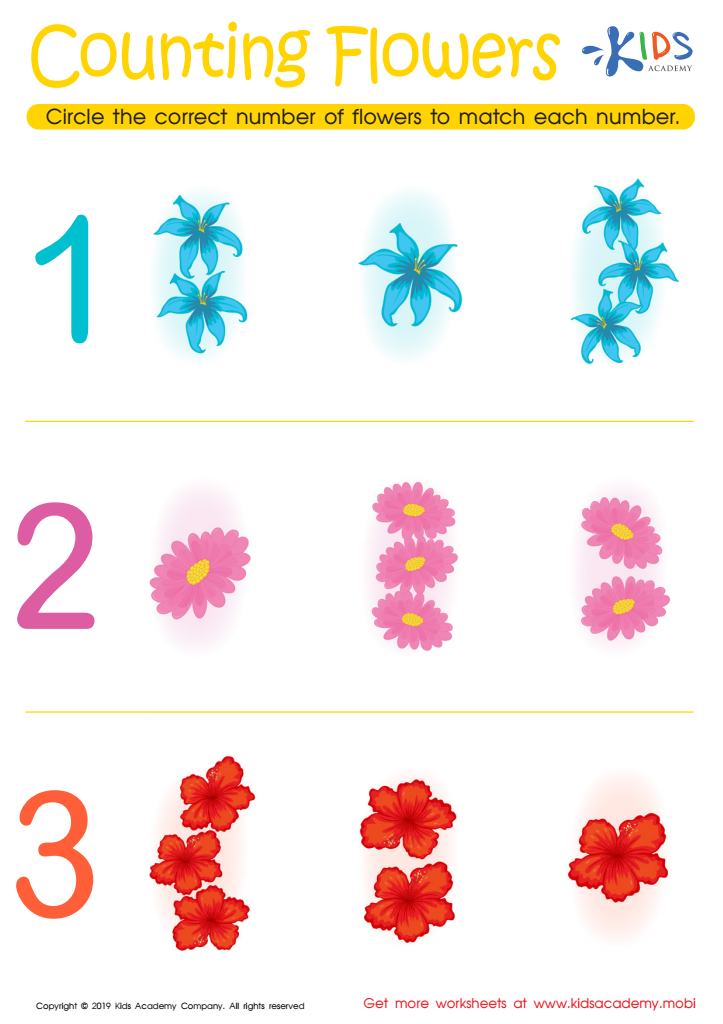
Counting Flowers Worksheet
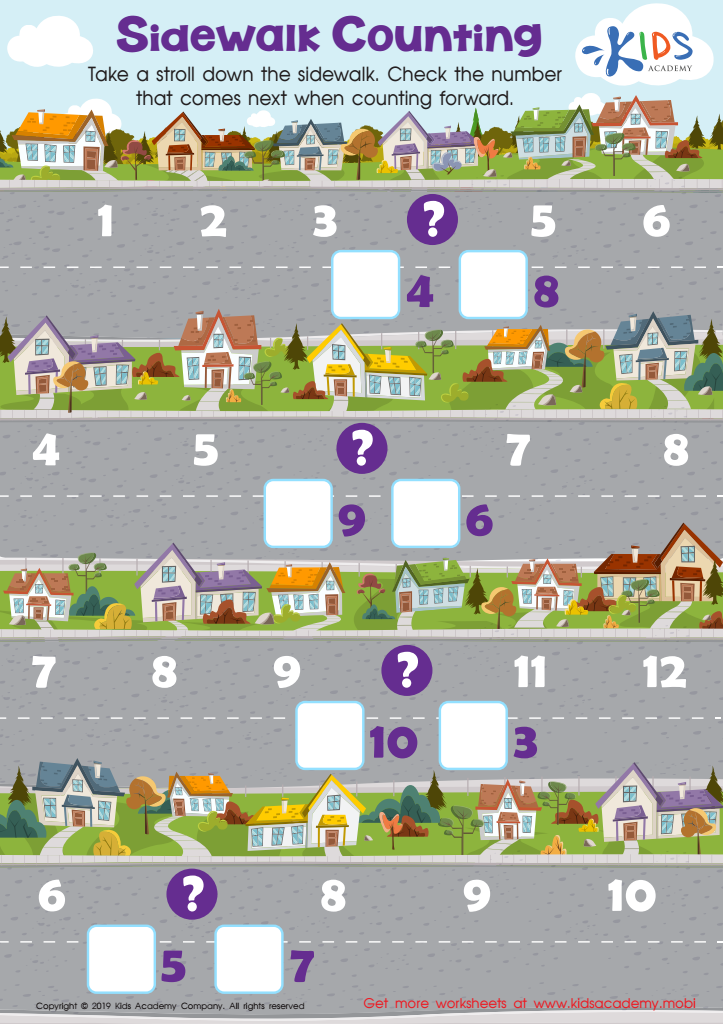
Sidewalk Counting Worksheet
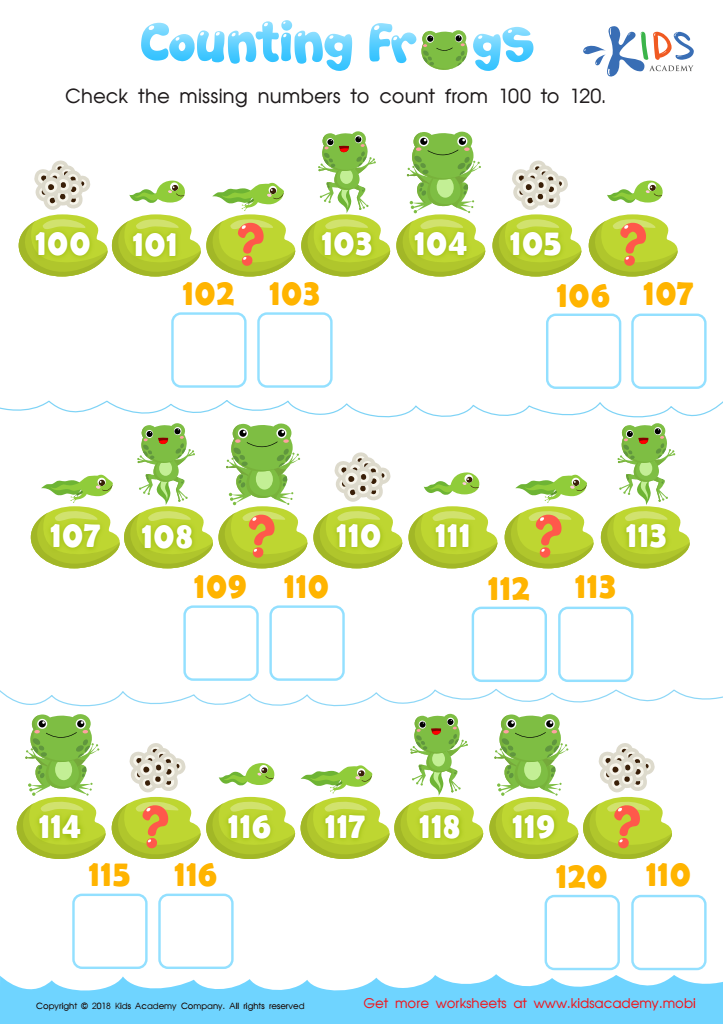
Counting Frogs Worksheet
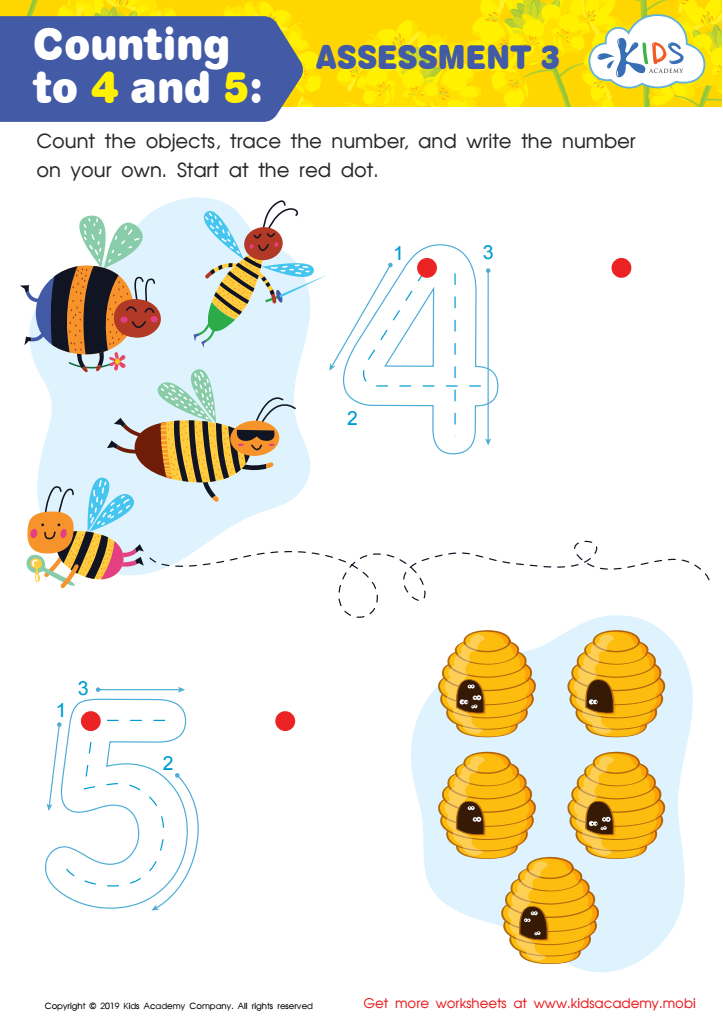
Counting to 4 and 5: Assessment 3 Worksheet
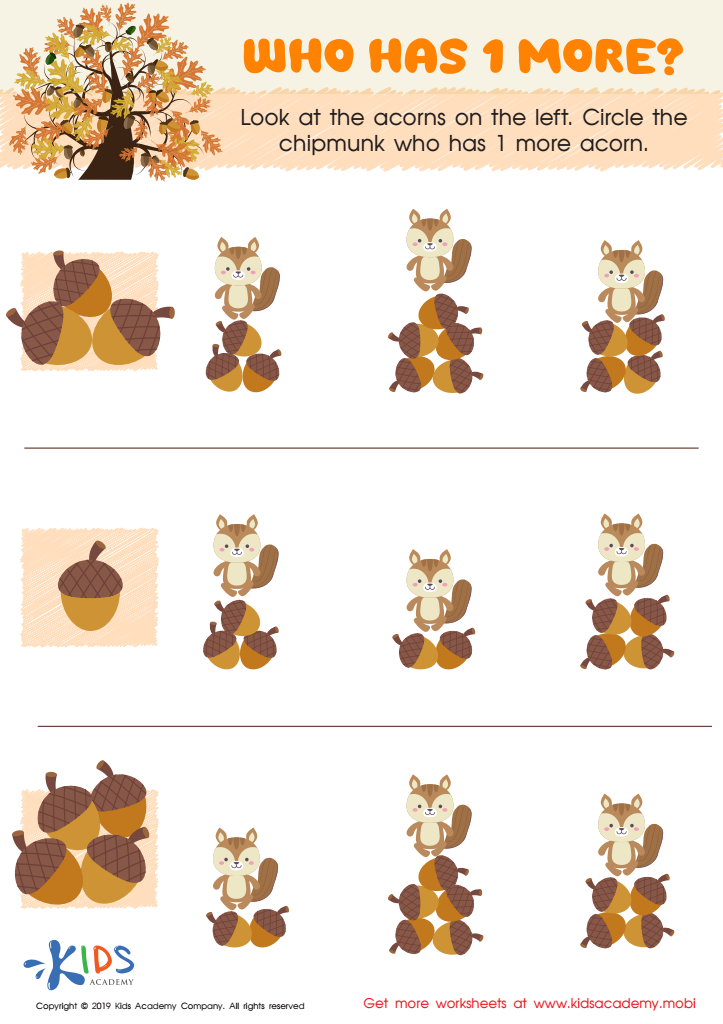
Who Has 1 More? Worksheet
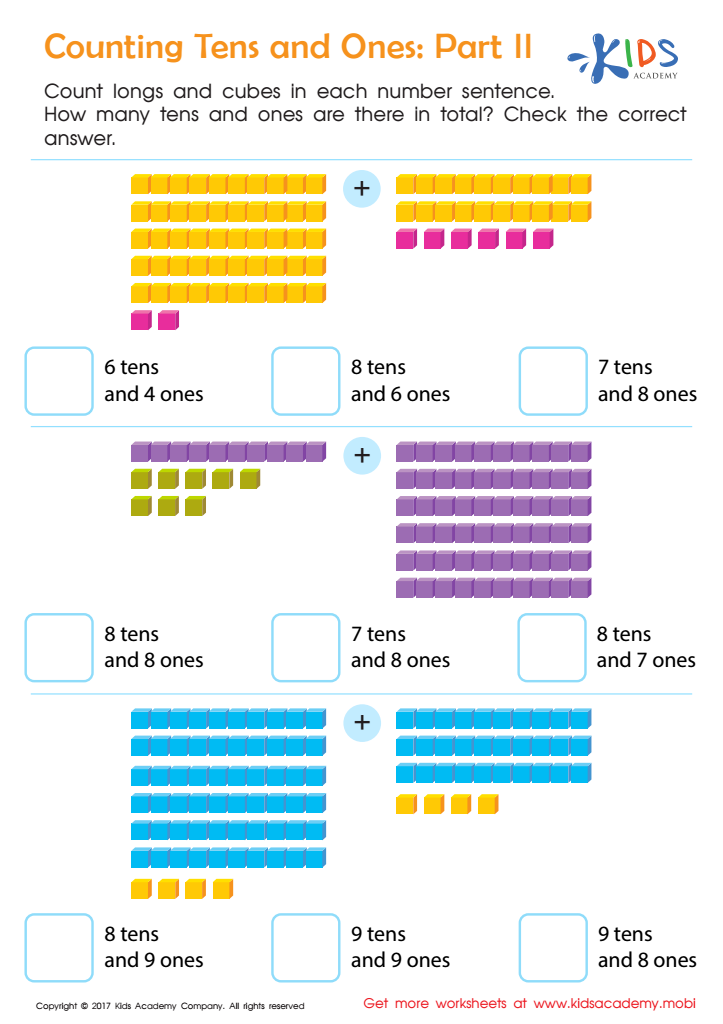
Counting Tens and Ones: Part 2 Worksheet
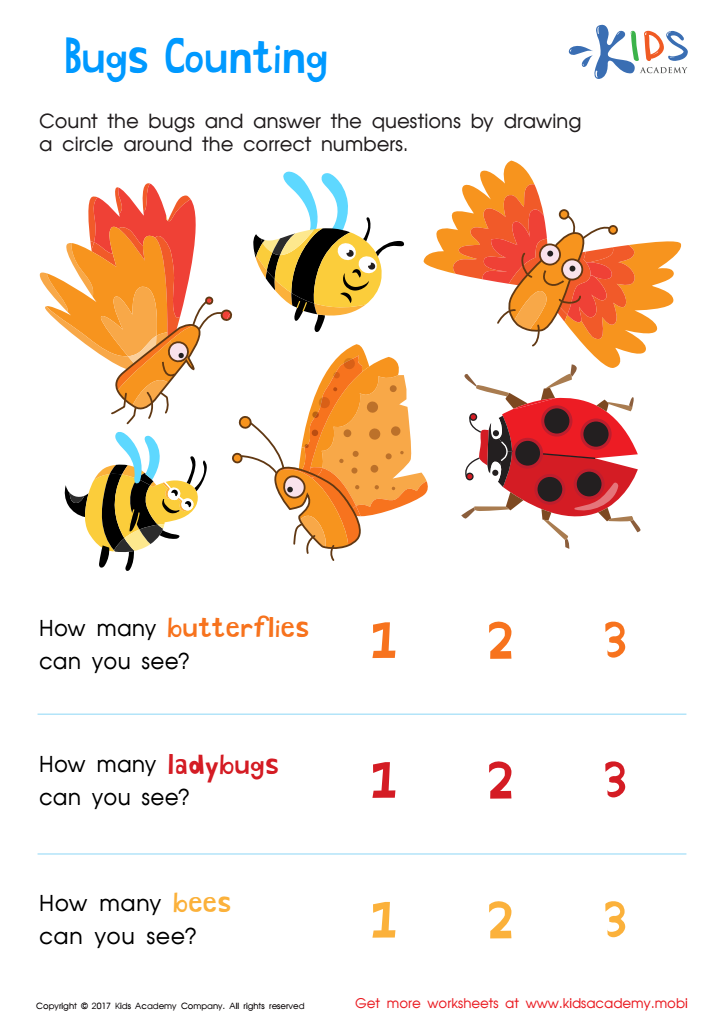
Bugs Counting Worksheet
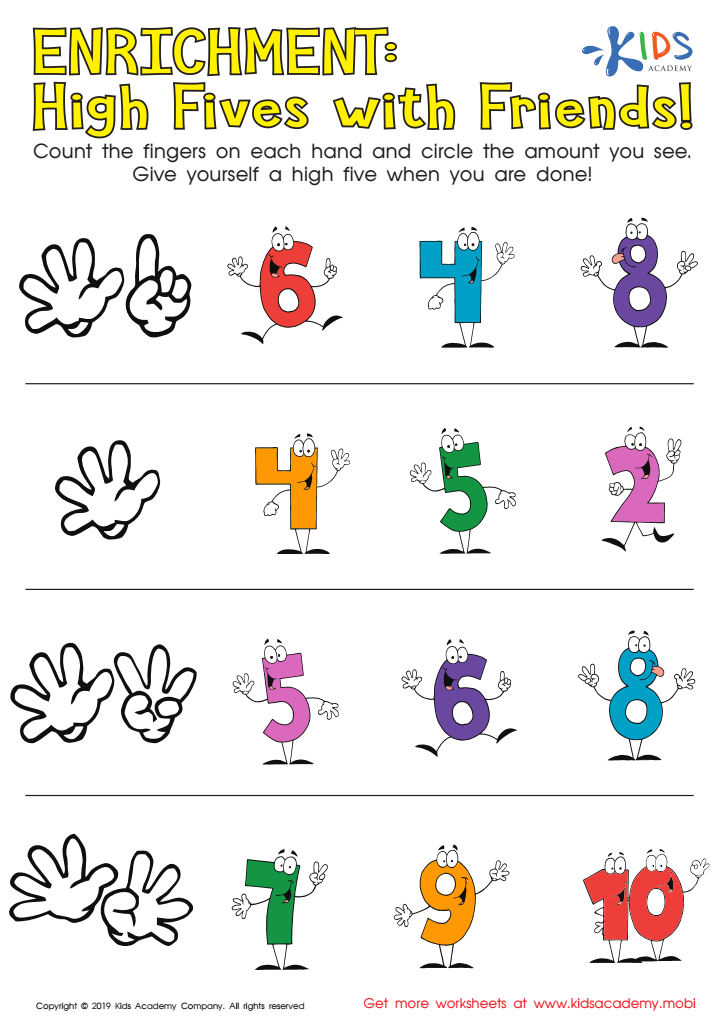
Enrichment: High Fives with Friends! Worksheet
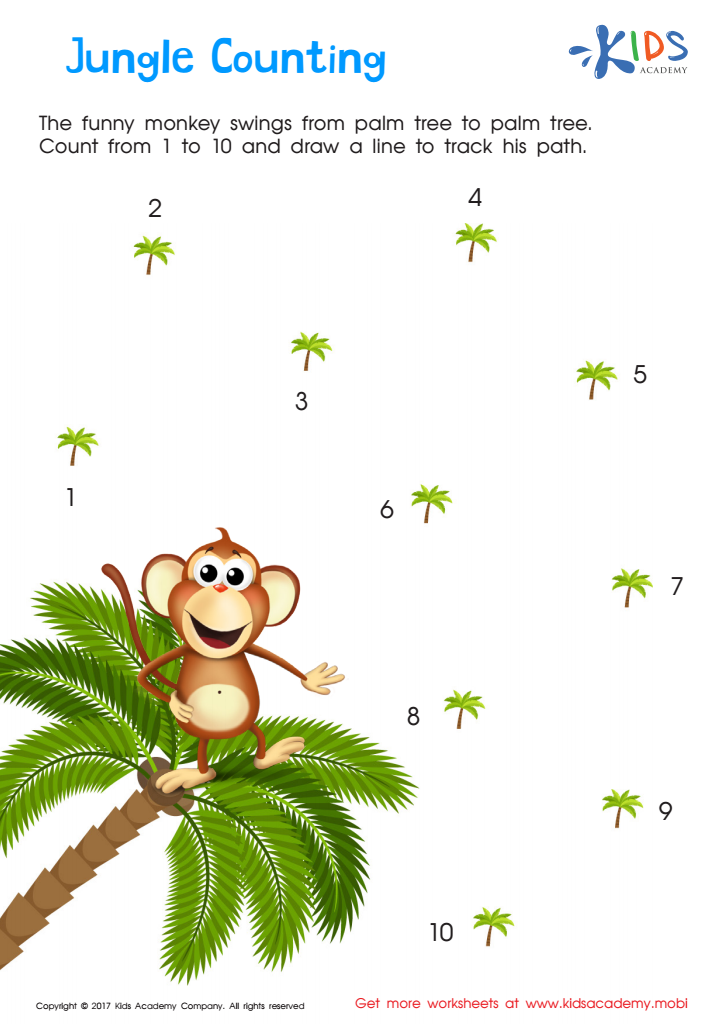
Jungle Counting Connect Dots Worksheet
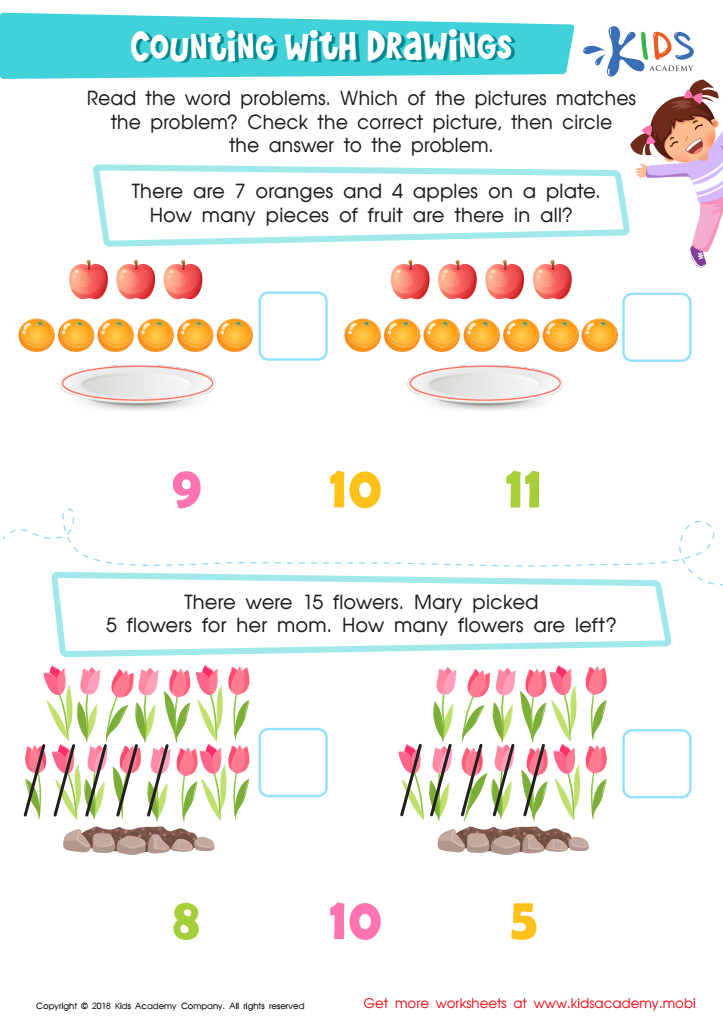
Counting with Drawings:Fruits & Flowers Worksheet
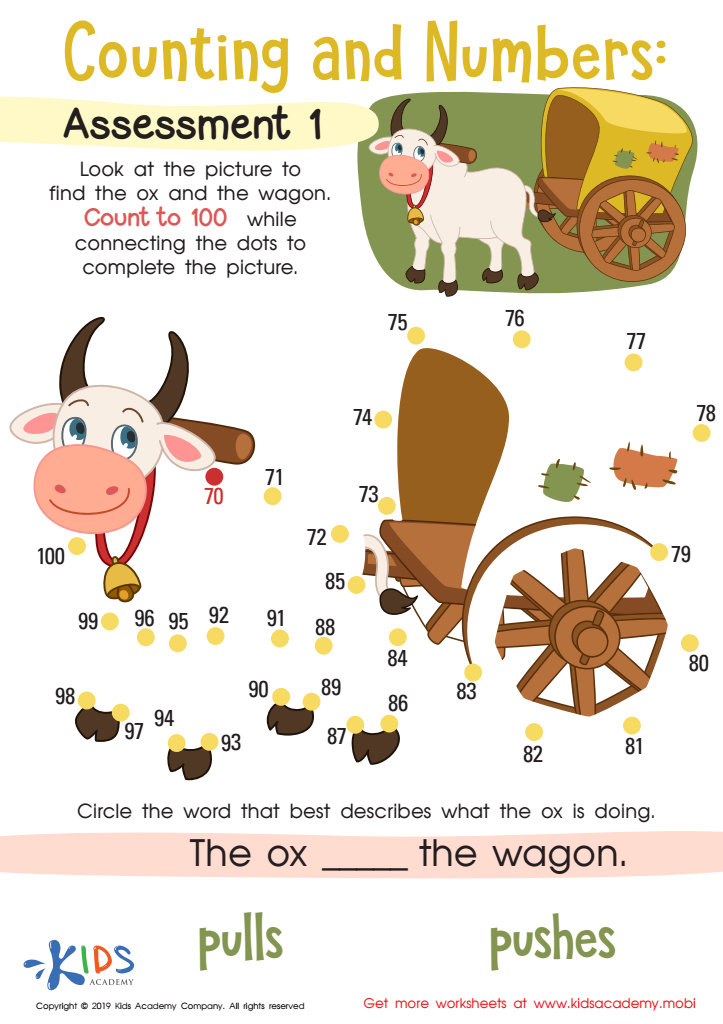
Counting and Numbers: Assessment 1 Worksheet
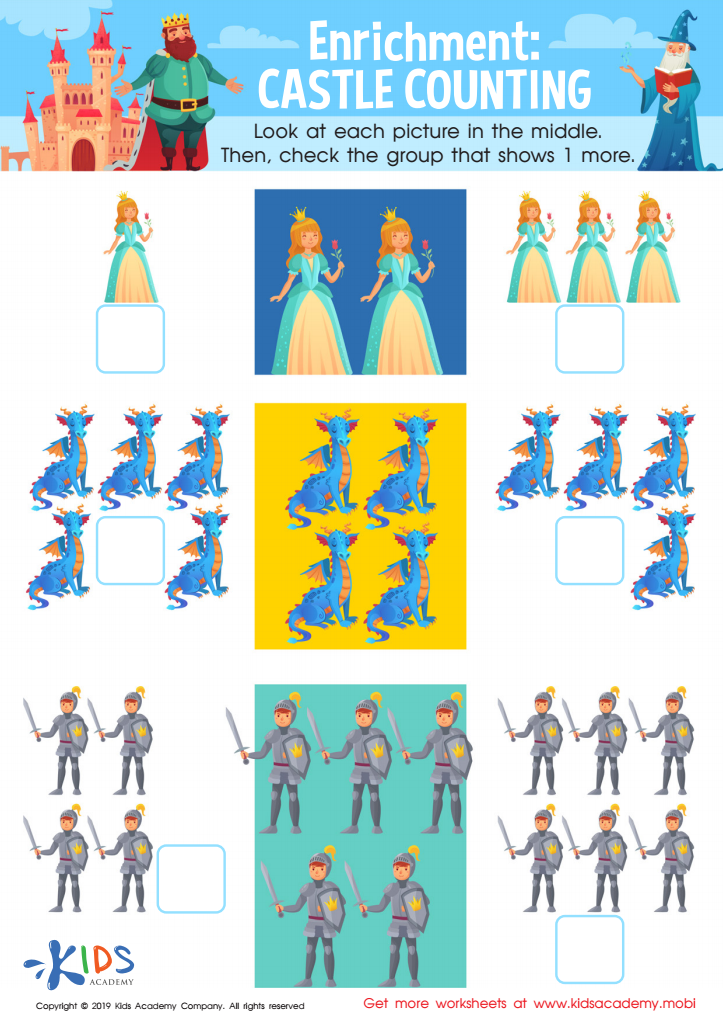
Enrichment: Castle Counting Worksheet
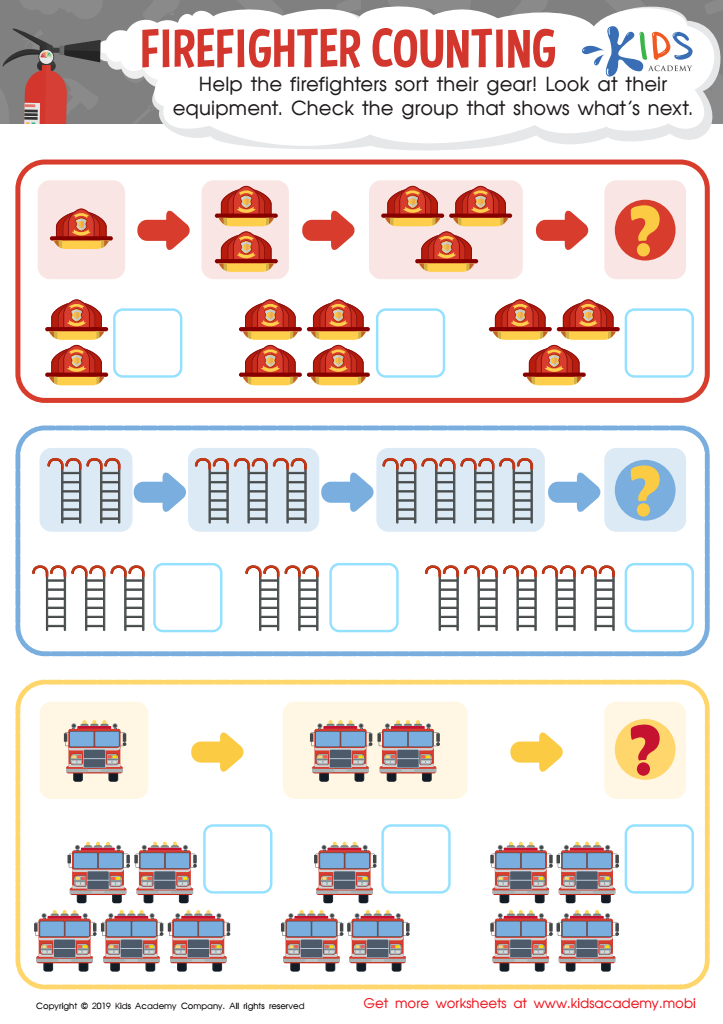
Firefighter Counting Worksheet
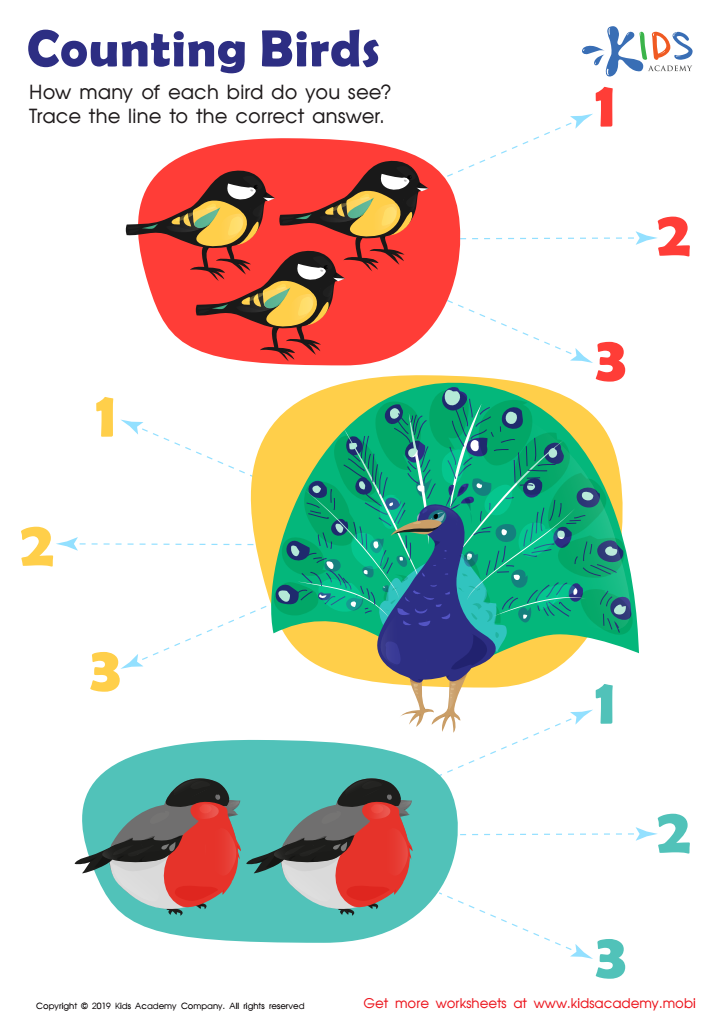
Counting Birds Worksheet








Basic addition forms the foundation for all future mathematical learning and cognitive development, making it essential for children aged 4-9. At this critical stage, children are developing their problem-solving abilities and logical reasoning skills. Understanding basic addition helps them recognize patterns, build confidence in their capabilities, and fosters a love for math that can last a lifetime.
Parents and teachers play a vital role in nurturing these skills. By focusing on basic addition, they can ensure children are better prepared for more complex mathematical concepts, such as subtraction, multiplication, and division, which will come later in their educational journey. Additionally, these skills enhance a child's ability to engage in everyday tasks—like budgeting, telling time, and measuring ingredients—which are critical for independent living.
Moreover, reinforcing basic addition through games, stories, and interactive activities makes learning fun and engaging, promoting a positive attitude toward education. This early positive experience with math not only assists in academic achievement but also develops resilient learners who are willing to tackle challenges. Thus, by prioritizing basic addition, parents and teachers are investing in their children's present and future educational success.








