Hand-eye Coordination Numbers Worksheets for Ages 4-9 - Page 2
27 filtered results
-
From - To
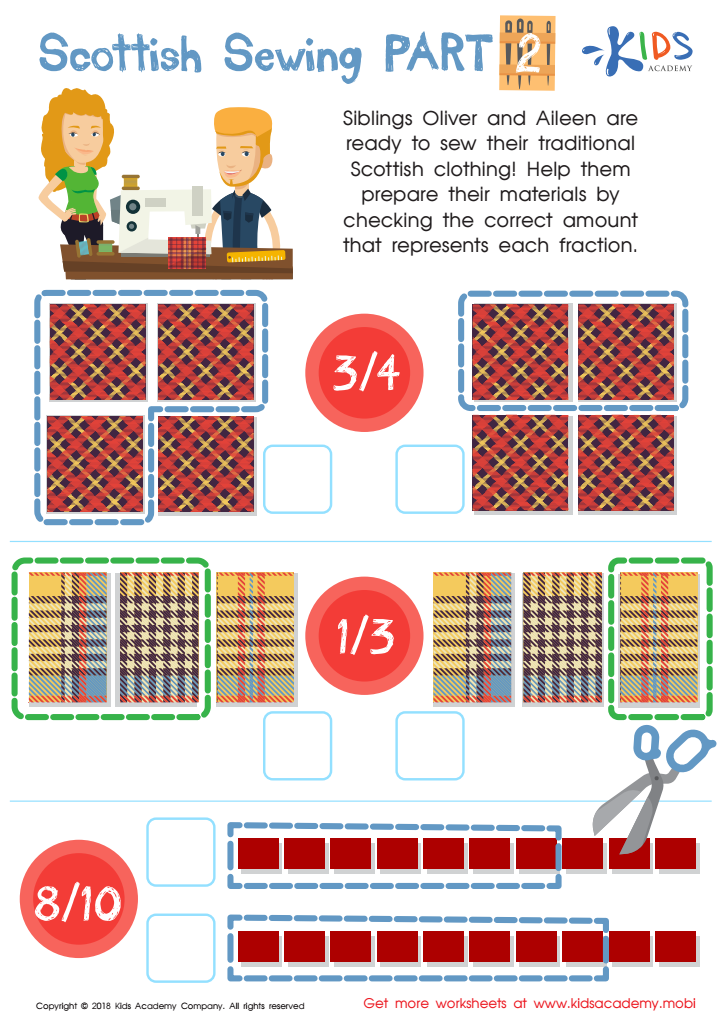
Scottish Sewing Part 2 Worksheet
 Assign to My Students
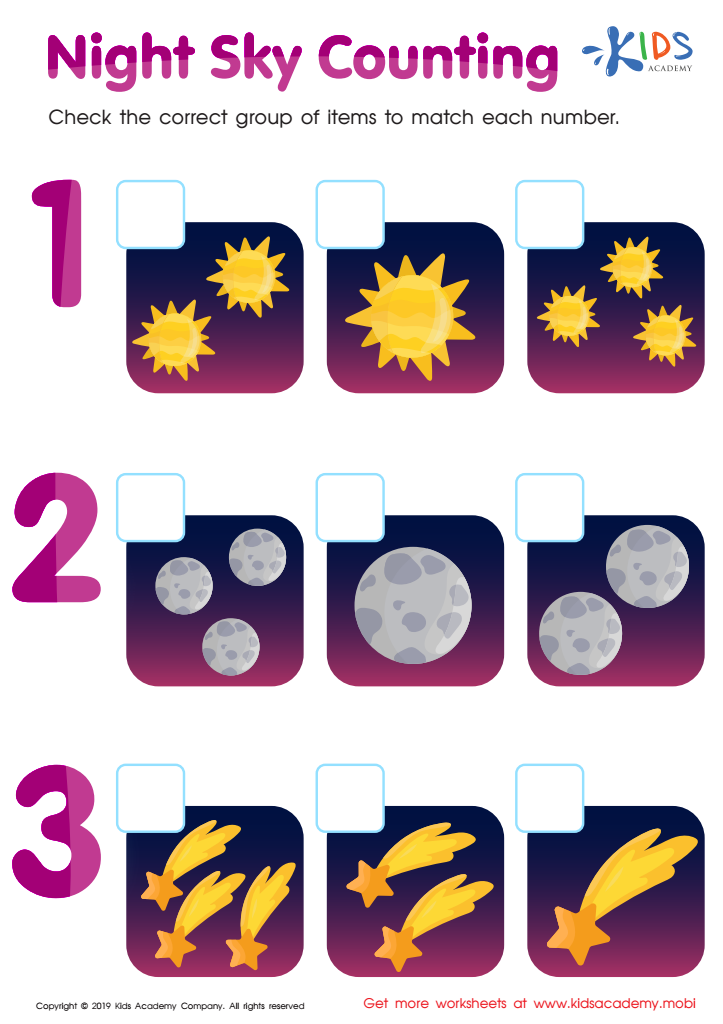
Night Sky Counting Worksheet
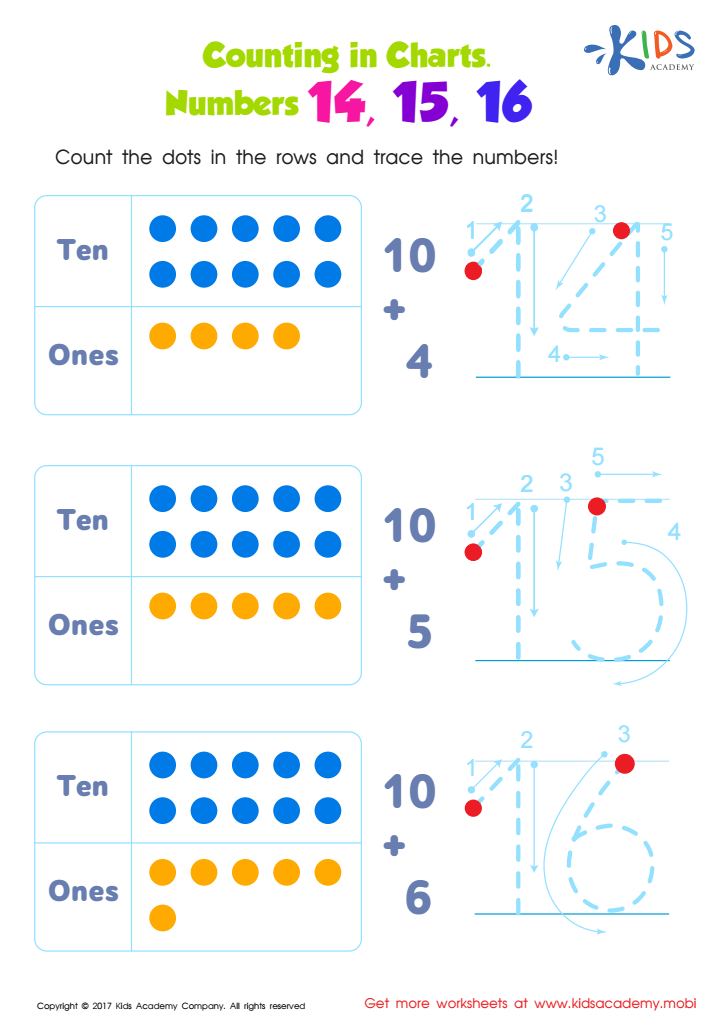
Number Tracing Worksheet








Hand-eye coordination is an essential developmental skill that significantly impacts a child's ability to perform everyday tasks, from writing to sports. For children ages 4-9, strong hand-eye coordination correlates with better academic performance and increased self-confidence.
Parents and teachers should care about hand-eye coordination for several reasons. Firstly, it facilitates foundational skills like gripping a pencil, cutting with scissors, or manipulating small objects—all crucial for school readiness. Children with well-developed hand-eye coordination are often more eager to participate in activities, fostering a love for learning and exploration.
Moreover, strong hand-eye coordination contributes to physical development and social interactions. Engaging in sports or team activities enhances cooperation, discipline, and communication skills, which are vital for socialization.
Recognizing and promoting the importance of hand-eye coordination can lead to early identification of any delays, allowing for timely interventions. Enriching children's experiences with activities that encourage eye-hand coordination, such as puzzle-solving, arts and crafts, or sports, provides them with tools to succeed academically and socially. Ultimately, investing in these skills prepares children not only for school but for various life experiences, equipping them with essential competencies for future success.








