Pattern recognition Numbers Worksheets for Ages 4-9
5 filtered results
-
From - To
Discover our engaging Pattern Recognition Numbers Worksheets, designed specifically for children aged 4-9. These worksheets help little learners seamlessly develop their mathematical skills by identifying, creating, and extending patterns with numbers. Ideal for enhancing critical thinking, our resources incorporate vibrant visuals and interactive activities, making learning fun and effective. Kids will enjoy practicing with various patterns while building foundational skills in counting, sequencing, and number recognition. Perfect for classroom use or at-home activities, these worksheets align with early learning standards to foster a love for math from a young age. Begin your child’s journey to mathematical proficiency today!
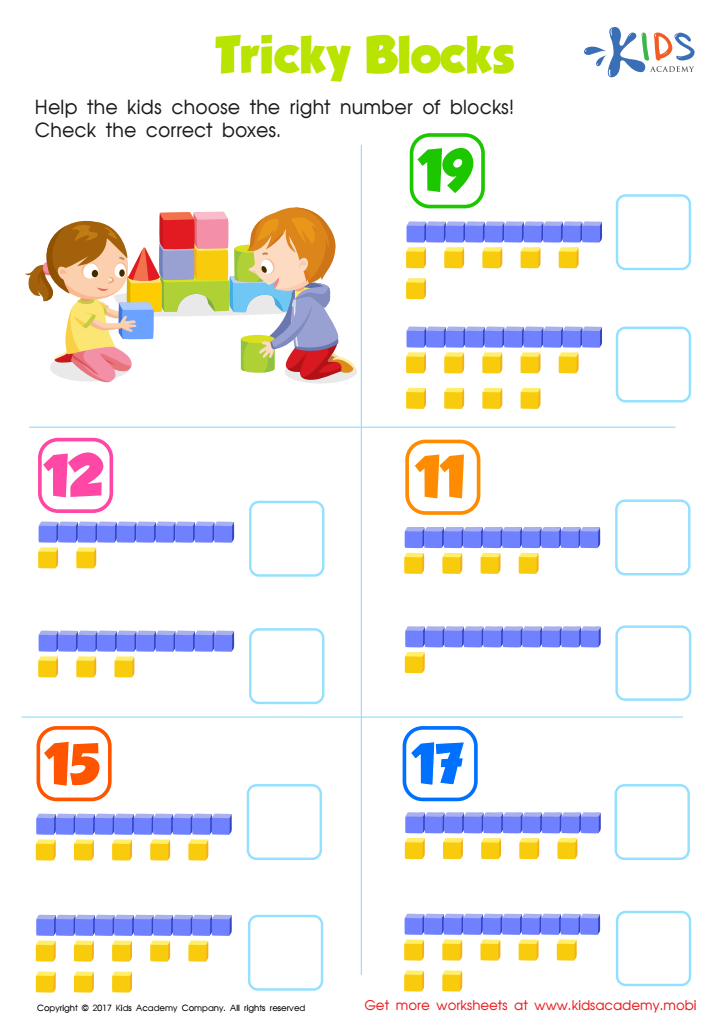
Tricky Blocks Worksheet
 Assign to My Students
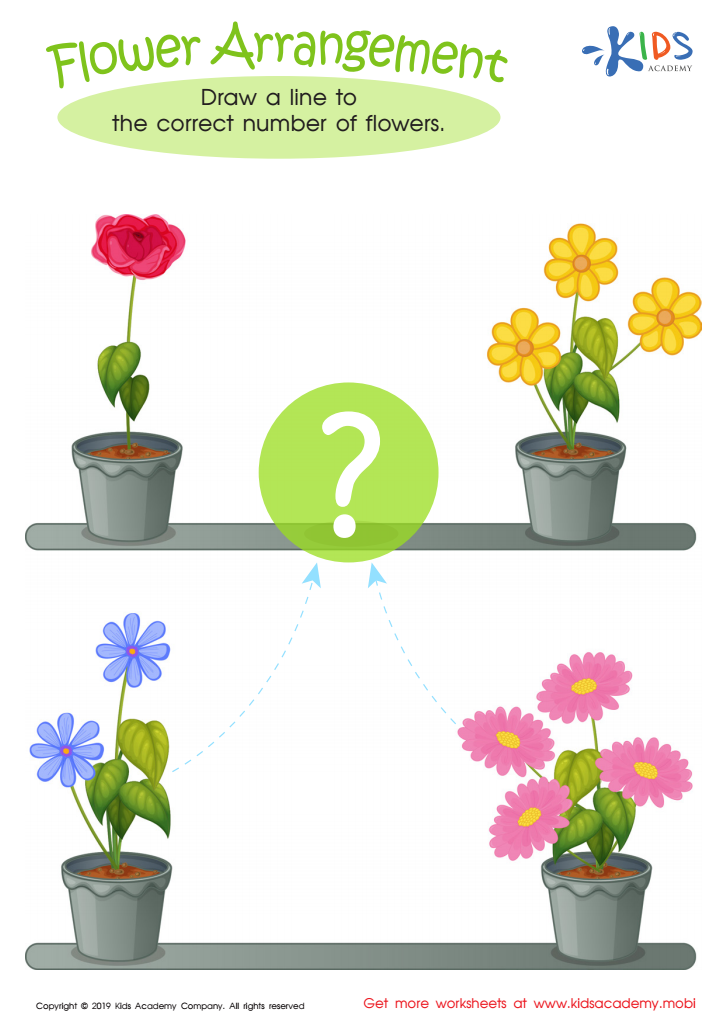
Flower Arrangement Worksheet
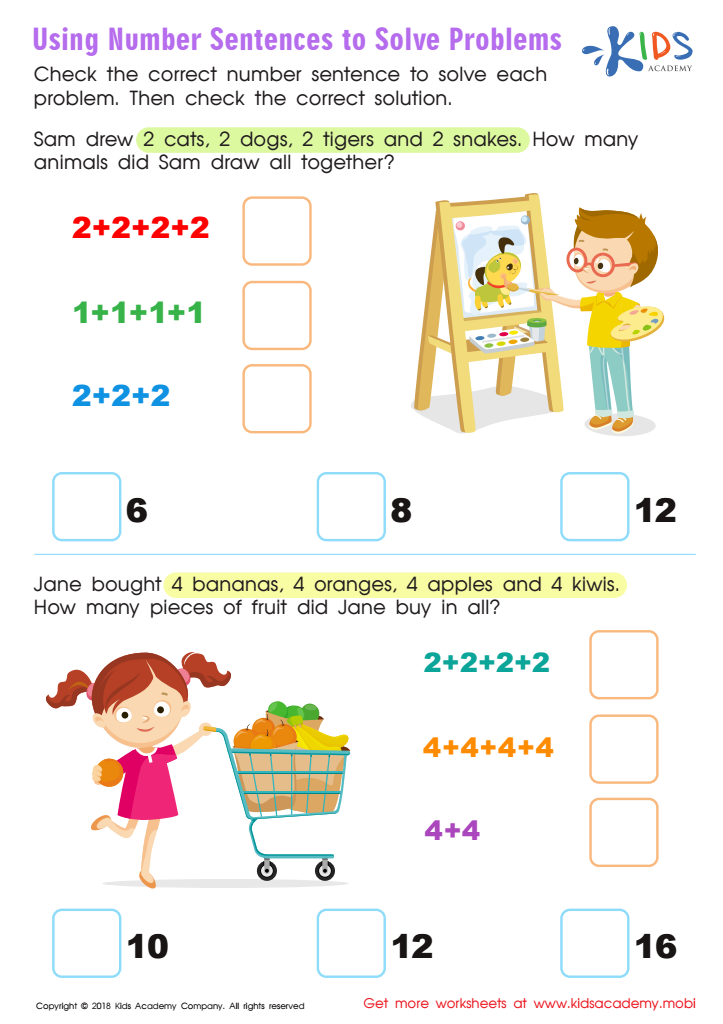
Using Number Sentences to Solve Problems Worksheet
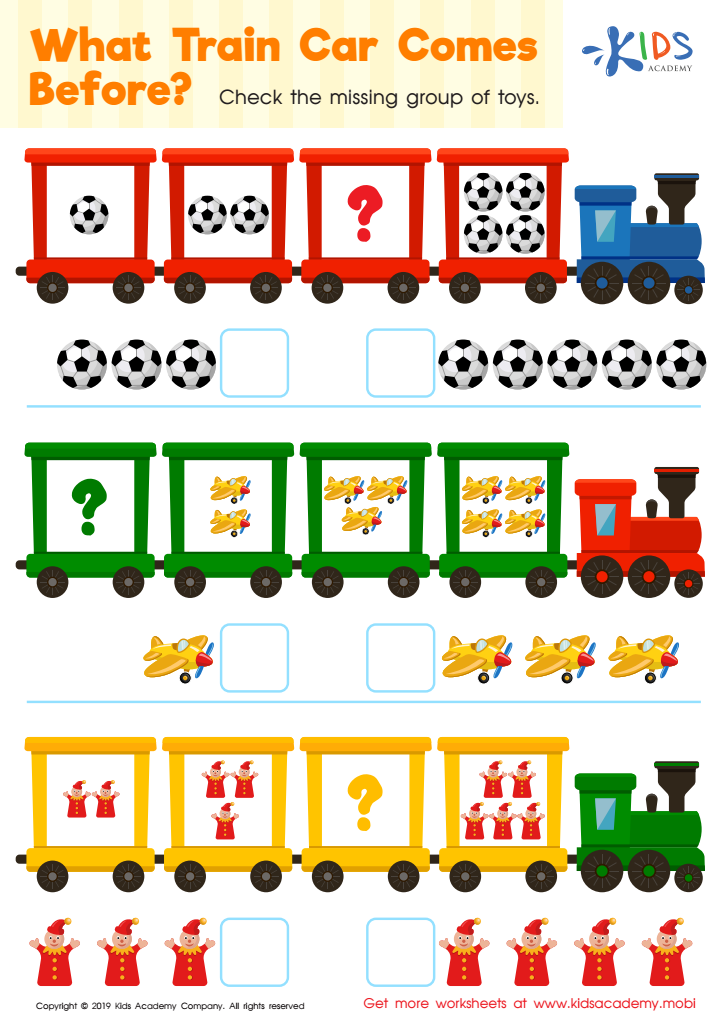
What Train Car Comes Before? Worksheet
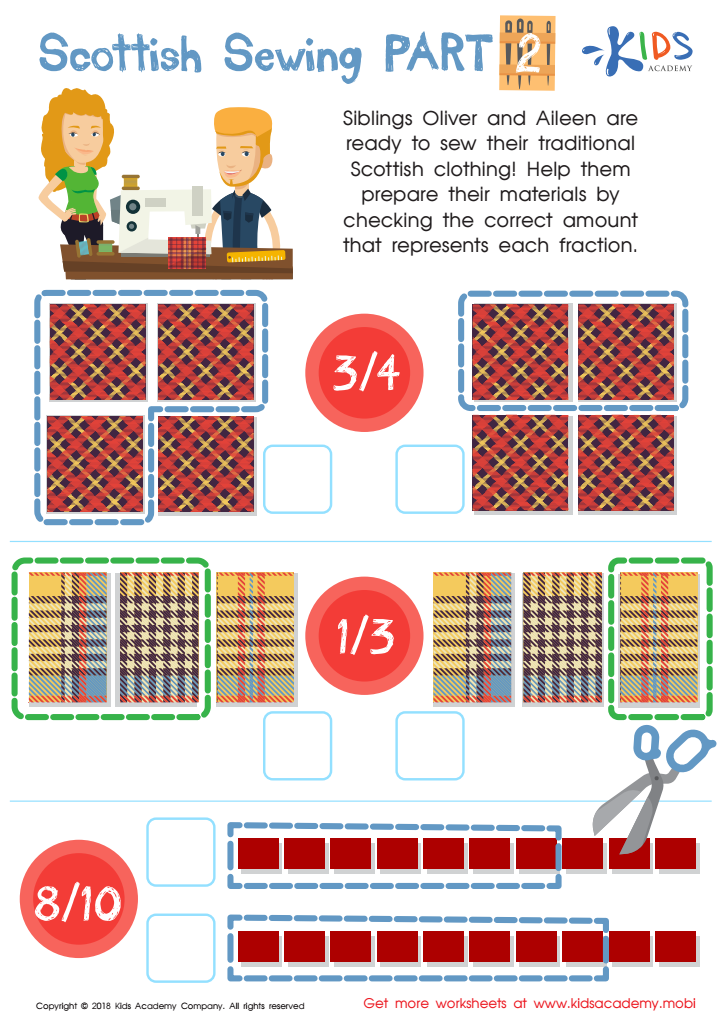
Scottish Sewing Part 2 Worksheet








Pattern recognition is a fundamental skill that plays a crucial role in the cognitive development of children aged 4 to 9. Understanding patterns helps young learners make connections between concepts, ultimately enhancing their problem-solving skills and supporting their mathematical reasoning.Caring about pattern recognition is vital because it lays the groundwork for more complex mathematical ideas. When children learn to identify and create patterns, they develop a sense of order and predictability, which fosters confidence in their abilities. This skill is not only applicable in mathematics but also aids in language development, as children begin to recognize patterns in words and sentence structures.
Furthermore, pattern recognition promotes critical thinking and creativity. When children engage with patterns, they aren’t just memorizing; they are analyzing and exploring possibilities. This skill translates into various subjects and real-world applications, equipping children with tools they will need for future academic challenges.
By prioritizing pattern recognition activities, parents and teachers can nurture a love for learning and a growth mindset in young children, helping to develop logical thinking and analytical skills that will benefit them throughout their educational journey and beyond. Encouraging this skill at an early age can also support children's social and emotional development, as they learn to recognize and apply patterns in their interactions with others.








