Understanding Quantities Numbers Worksheets for Ages 4-9
6 filtered results
-
From - To
Explore our “Understanding Quantities Numbers Worksheets” designed for children ages 4-9, perfect for developing foundational math skills. These engaging worksheets help young learners recognize and compare quantities, fostering a solid grasp of numbers in real-life contexts. Each activity encourages hands-on learning through fun visuals and interactive exercises, making math enjoyable and accessible. Our carefully crafted resources promote critical thinking and problem-solving, ensuring children build confidence as they master essential concepts. Ideal for both home and classroom environments, these worksheets are a valuable tool for teachers and parents committed to nurturing early numeracy skills. Start your child's journey to mathematical proficiency today!
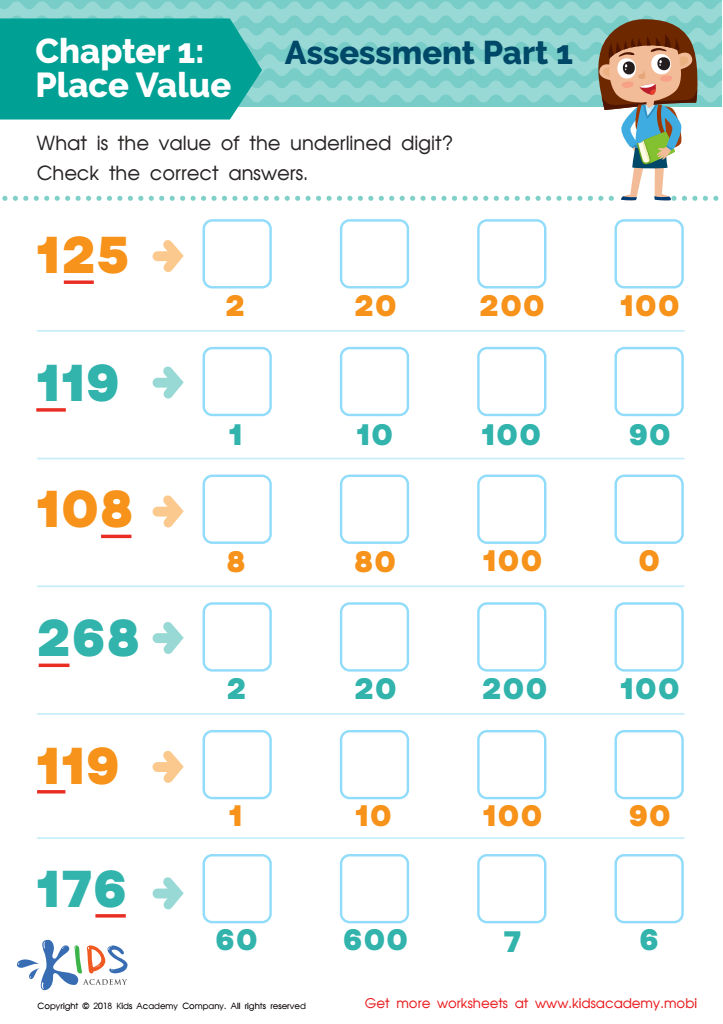
Place Value: Chapter 1 Worksheet
 Assign to My Students
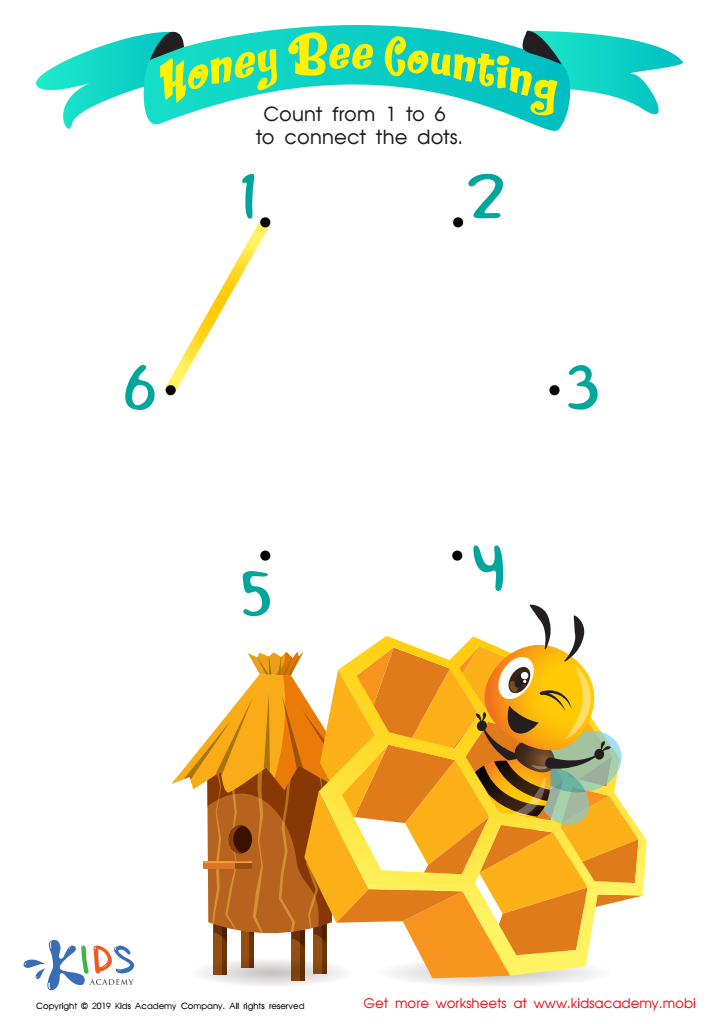
Honey Bee Counting Worksheet
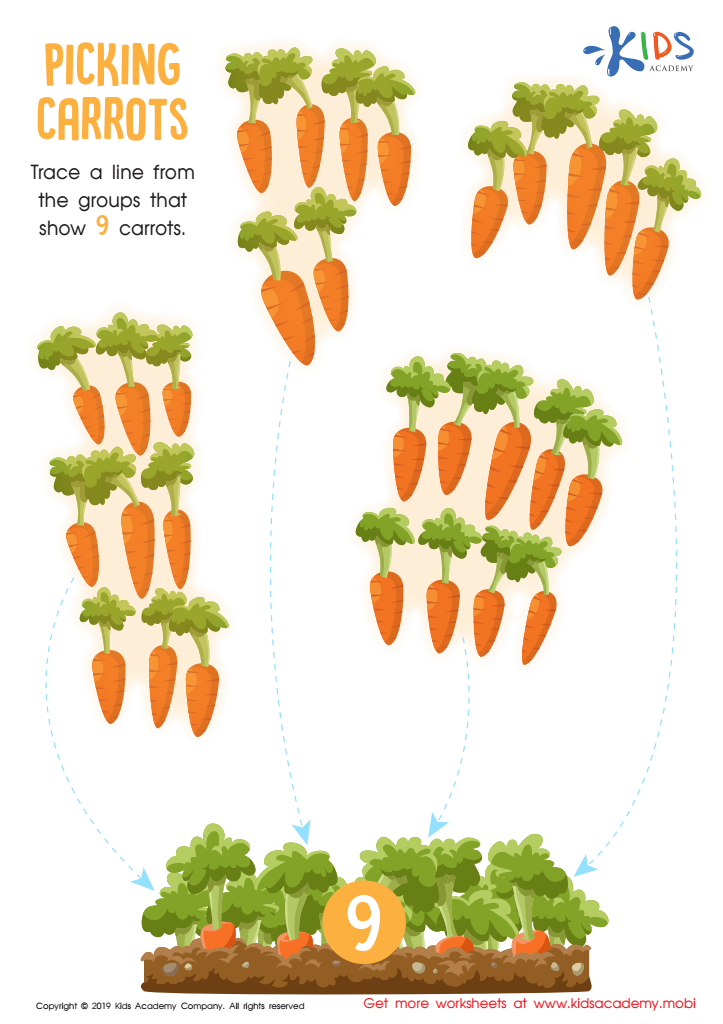
Picking Carrots Worksheet
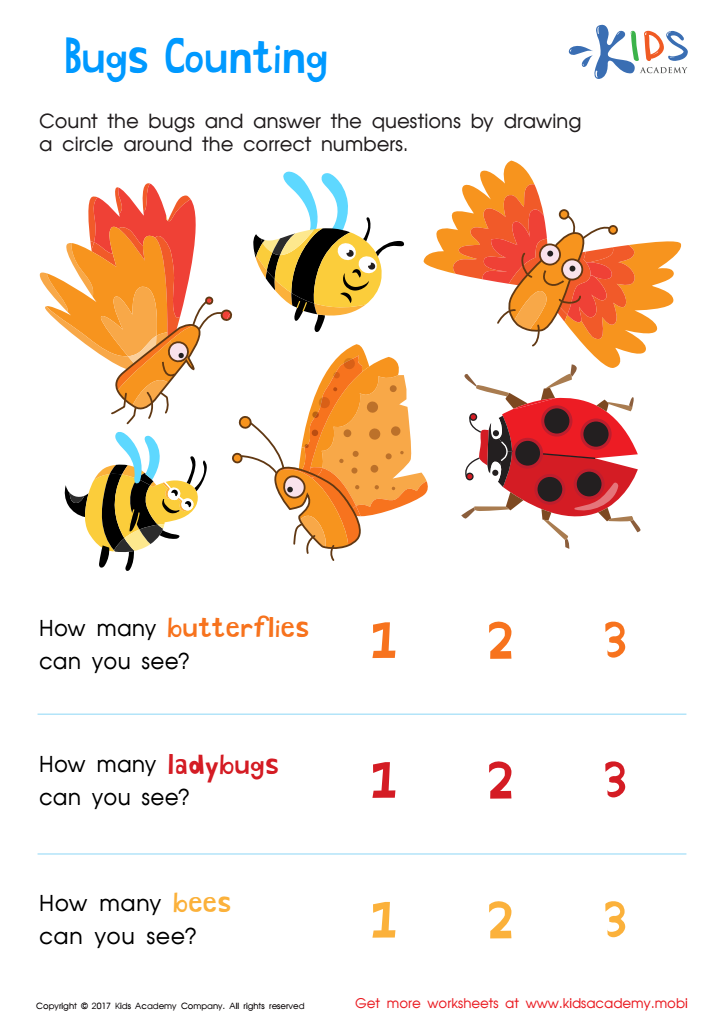
Bugs Counting Worksheet
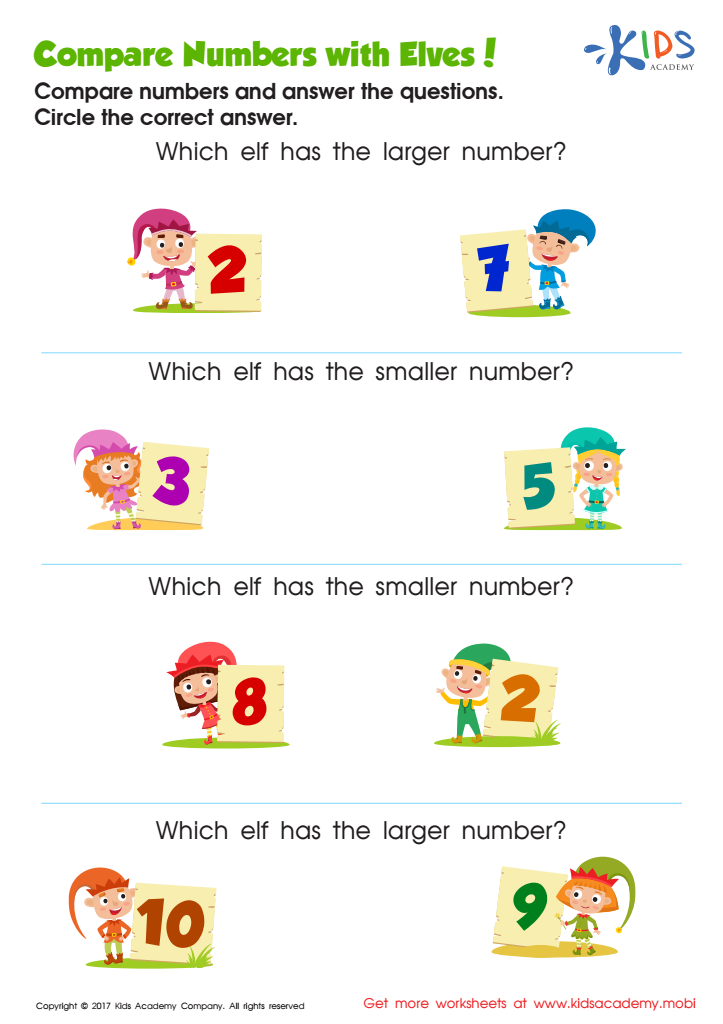
Comparing Numbers Worksheet for Kindergarten
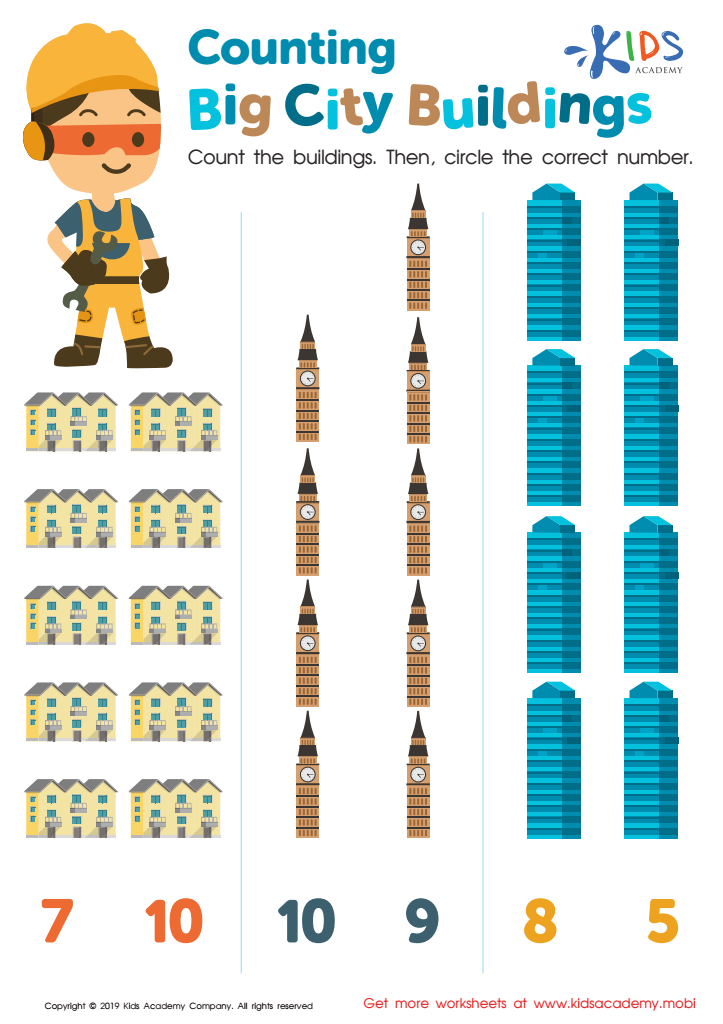
Counting Big City Buildings Worksheet







Understanding quantities and numbers is crucial for children aged 4-9, as it serves as the foundation for their future math skills and overall cognitive development. During these formative years, children are highly receptive to learning and developing numeracy skills that will influence how they interpret the world around them. Grasping concepts like counting, comparing quantities, and recognizing number relationships enhances logical reasoning and problem-solving abilities.
Parents and teachers should care about this because mastering these foundational skills fosters confidence in children when faced with mathematical challenges as they grow older. Early number sense helps children grasp more complex concepts, such as addition, subtraction, and even basic multiplication and division, later on. Additionally, the ability to understand and manipulate numbers encourages critical thinking and promotes a positive attitude toward learning.
Encouraging regular engagement with numbers through games, everyday activities, and positive reinforcement allows children to explore mathematics in a fun and applicable context. This not only strengthens their cognitive skills but also prepares them for academic success, laying the groundwork for a lifelong appreciation of mathematics and its role in everyday life. By prioritizing early numeracy education, we are investing in children's future learning and problem-solving capabilities.








