Associative learning Math Worksheets for Ages 4-9
5 filtered results
-
From - To
Our Associative Learning Math Worksheets for ages 4-9 are specially designed to make math fun and engaging for young learners. These worksheets provide a variety of activities to help children understand and master associative skills, ensuring they grasp fundamental math concepts effectively. With colorful illustrations and interactive tasks, children can practice addition, multiplication, and other essential math operations in a playful and stimulating way. Ideal for both classroom and at-home practice, these worksheets encourage critical thinking and build a strong foundation for future math success. Empower your child’s learning journey with our expert-crafted, enjoyable, and educational math resources.
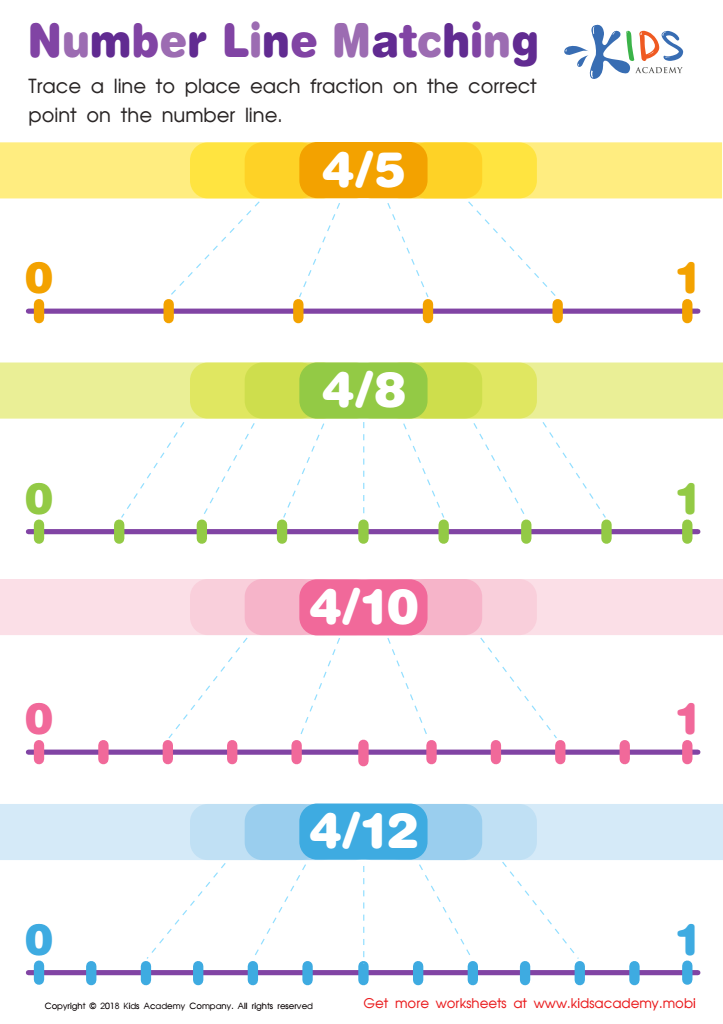
Number Line Matching Worksheet
 Assign to My Students
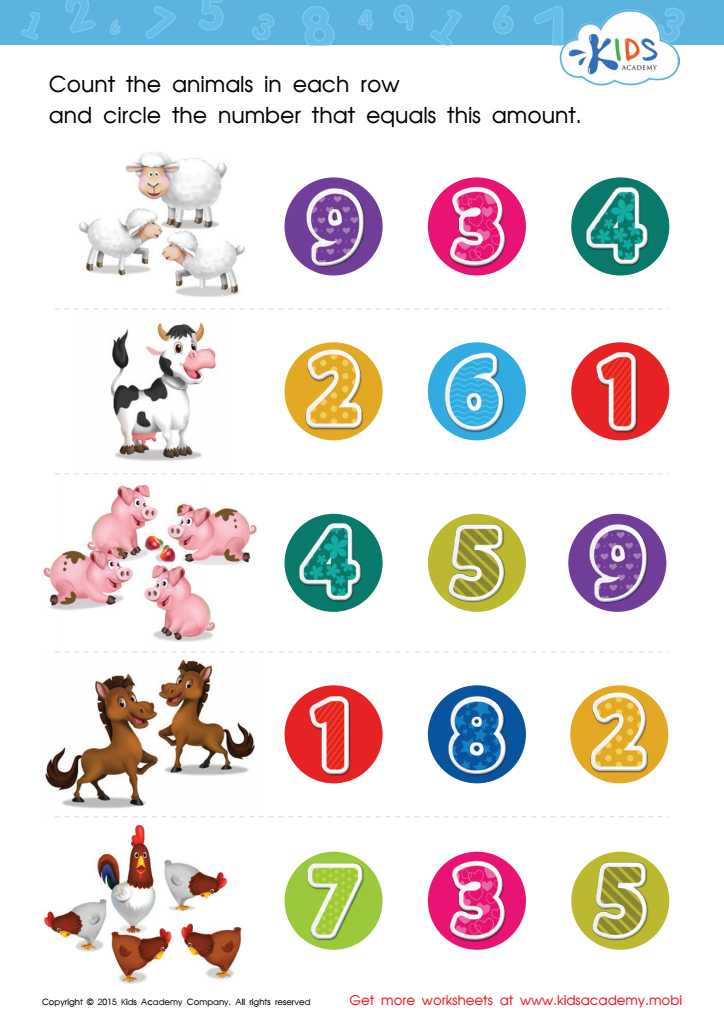
Count and Match 1 – 5 Math Worksheet
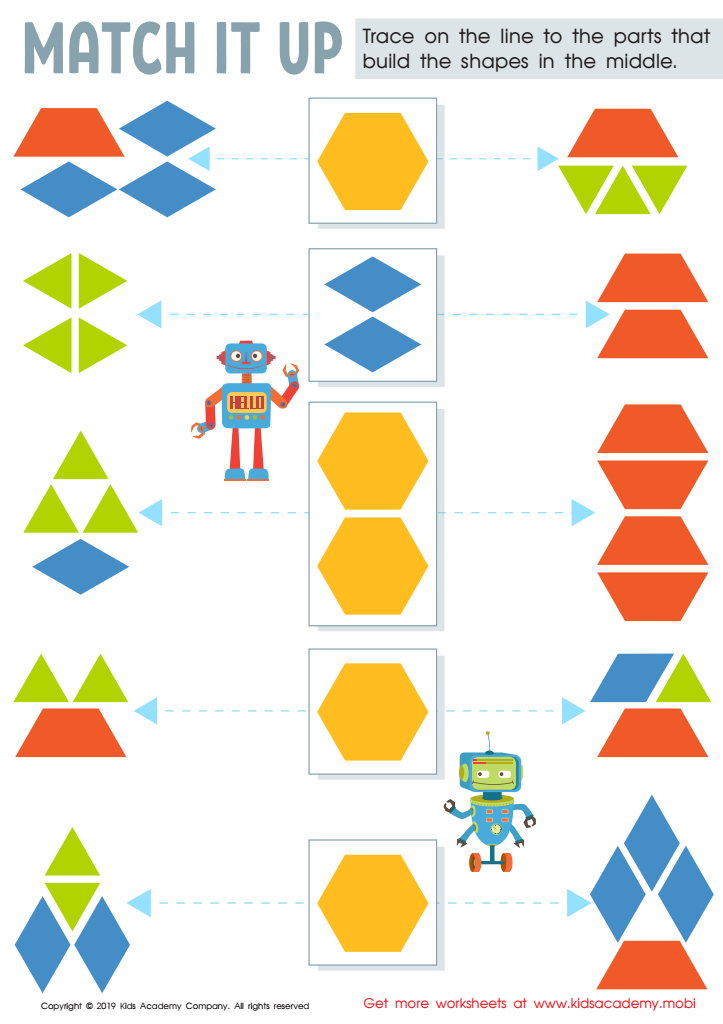
Match It up Worksheet
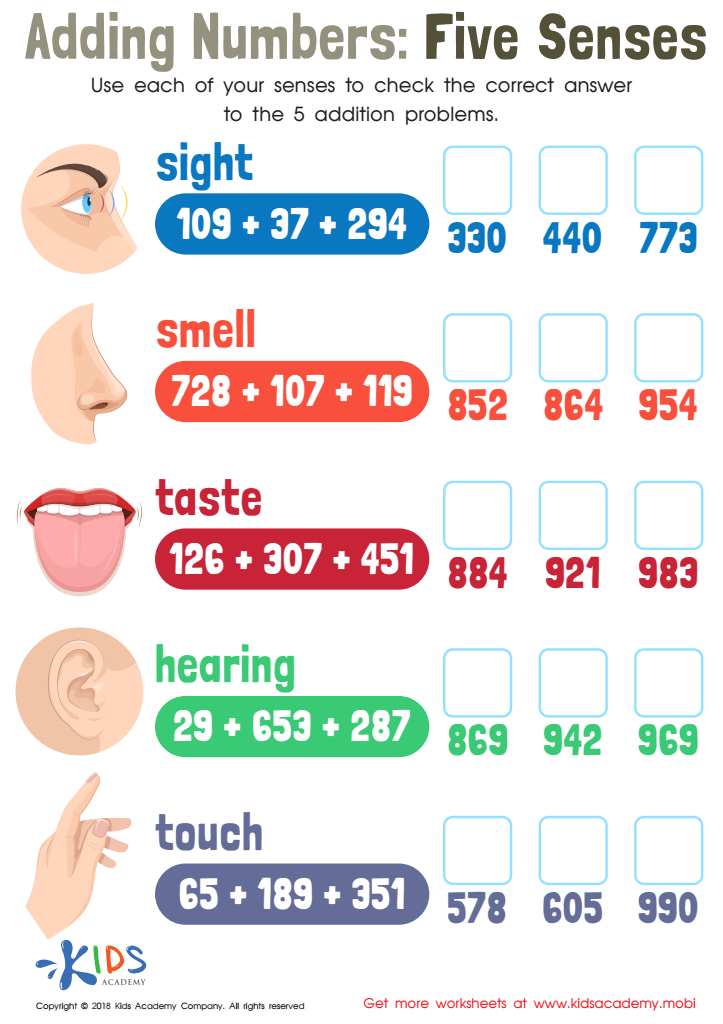
Adding Numbers: Five Senses Worksheet
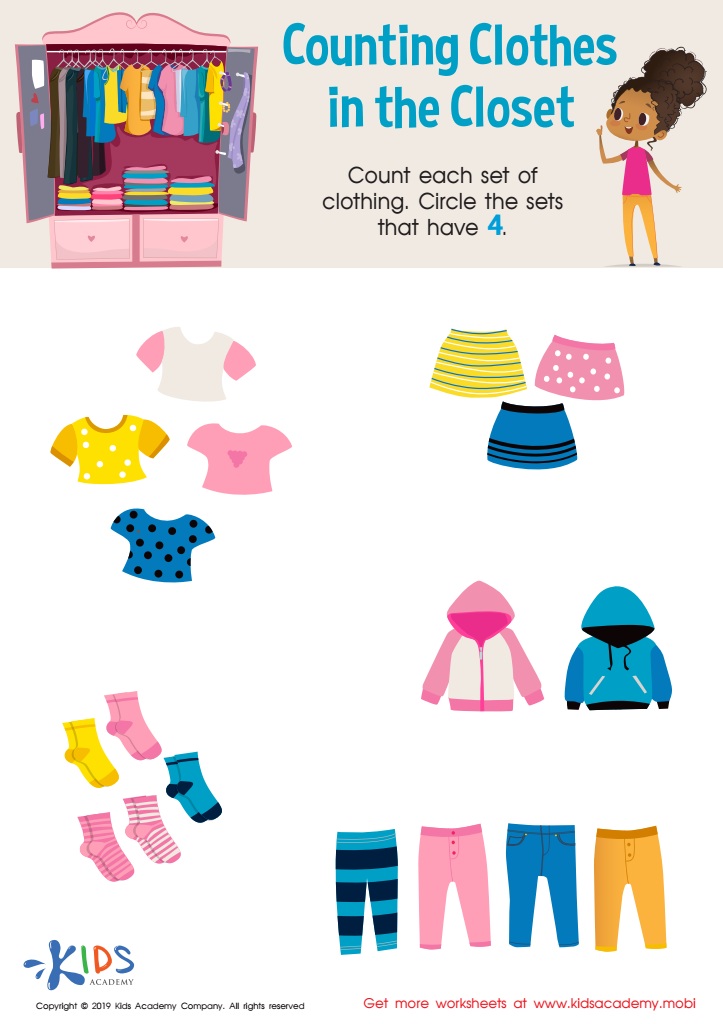
Counting Clothes Worksheet








Associative learning in math is crucial for children aged 4-9 because it forms the foundation for understanding more complex mathematical concepts later on. At this developmental stage, children are highly receptive to patterns and relationships, which are essential for associative learning. By grasping how numbers and operations relate to one another, young learners build a conceptual framework that supports their arithmetic skills, problem-solving abilities, and logical reasoning.
Parents and teachers should care about this learning type because it fosters a positive attitude towards math. When children understand concepts through associations, they experience a sense of achievement that motivates them to persist in learning. This positive reinforcement can diminish math anxiety, a common issue that undermines long-term academic success.
Moreover, associative learning encourages active engagement and hands-on activities, which are key components of effective early childhood education. Through games, puzzles, and interactive exercises, children can explore mathematical connections in a fun and meaningful way.
Finally, a strong foundation in associative learning equips children with critical thinking skills applicable in various domains, not just math. It prepares them for a future where analytical thinking and problem-solving are invaluable, therefore making early investment in this learning approach both practical and essential for holistic development.








