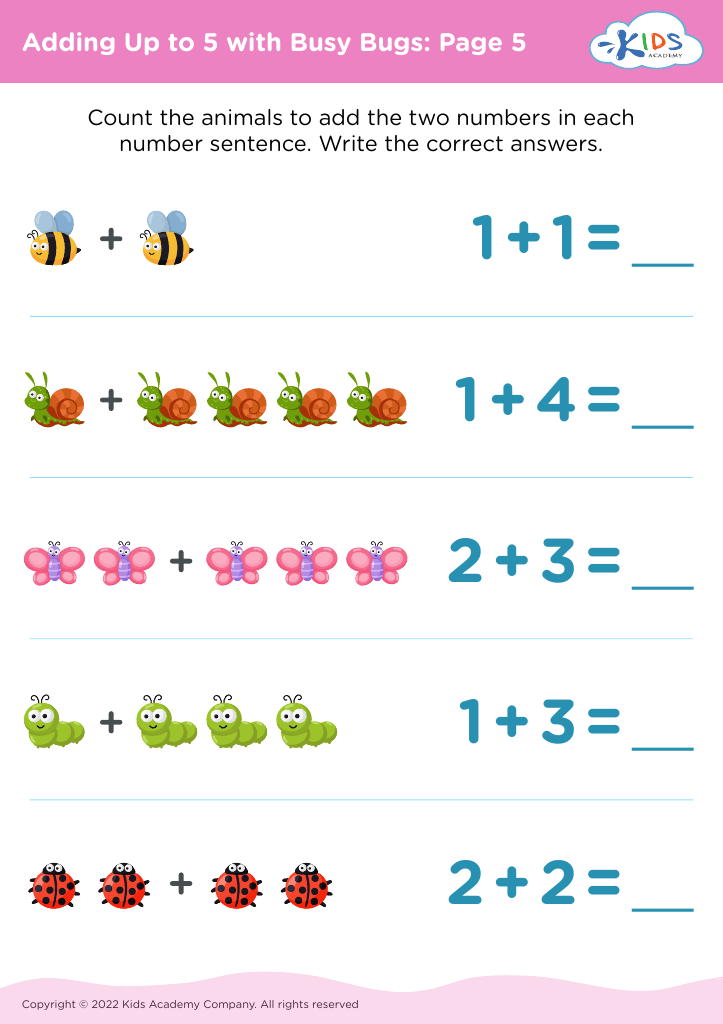
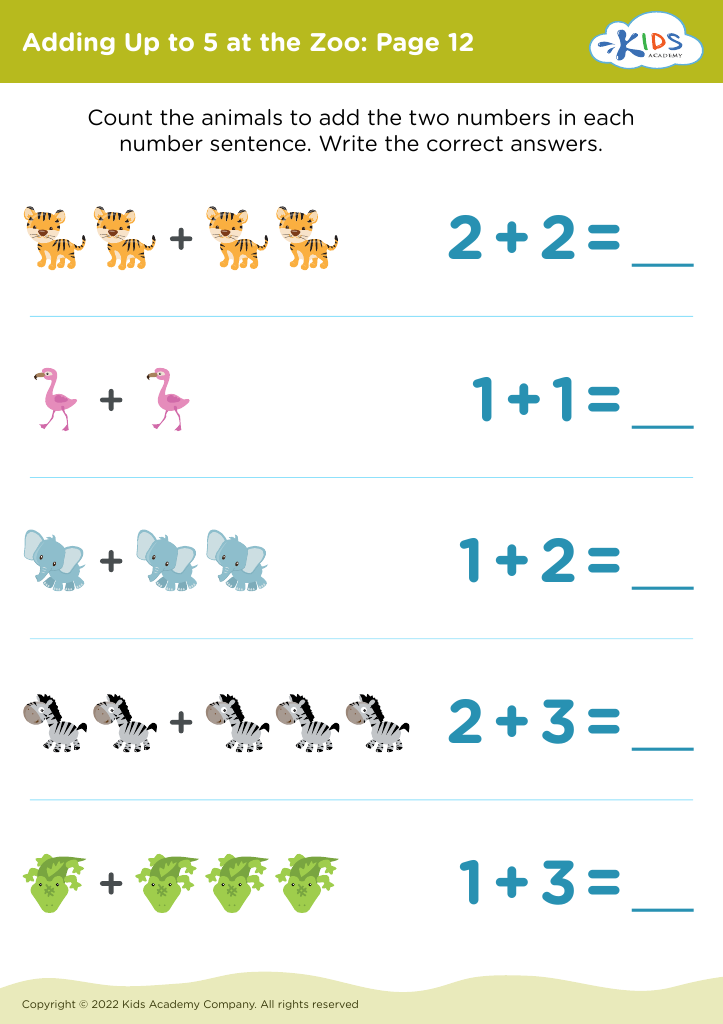
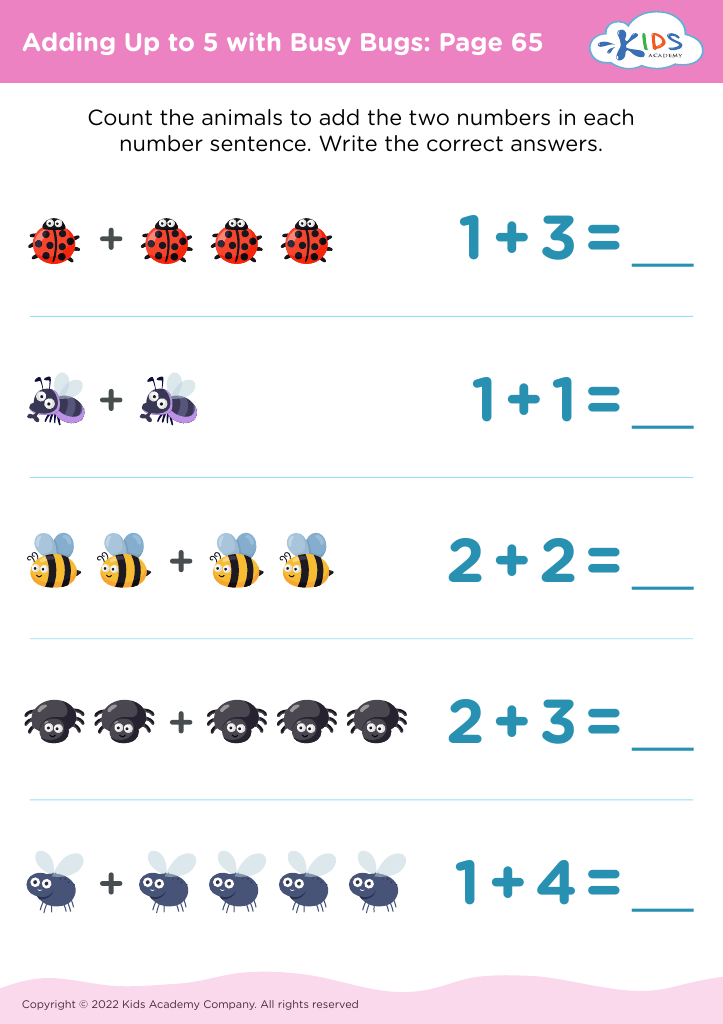
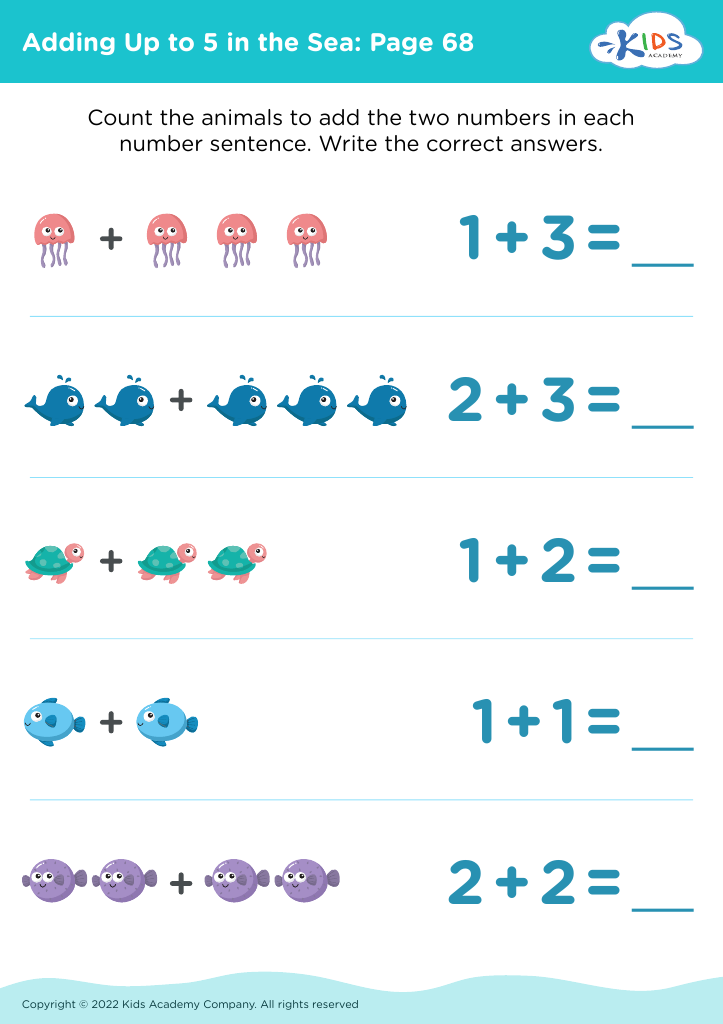
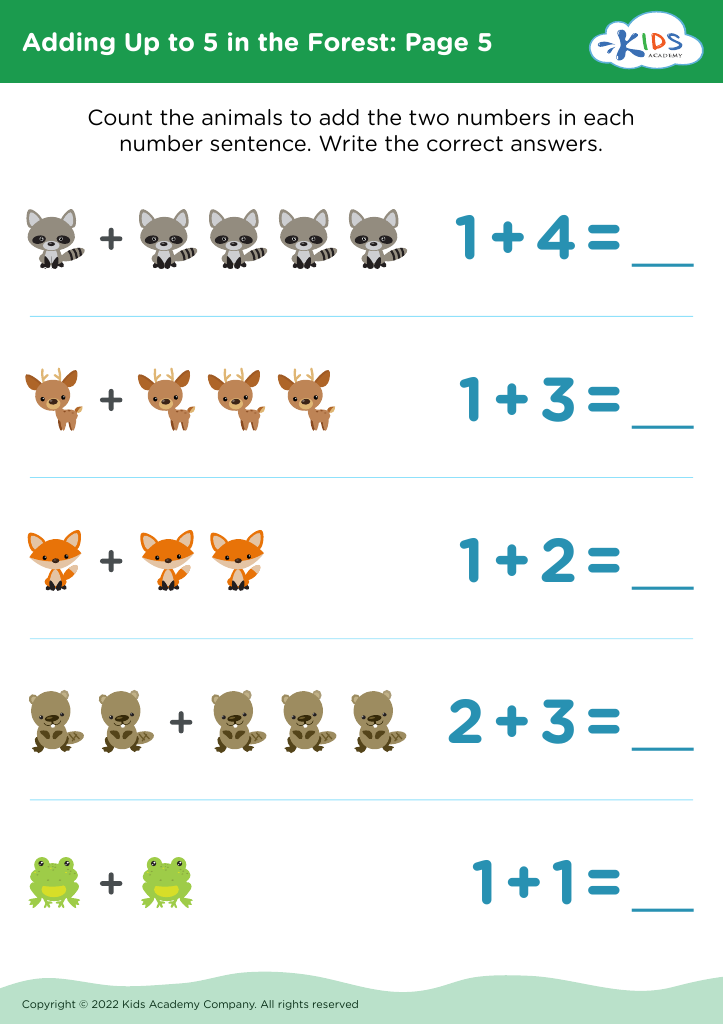
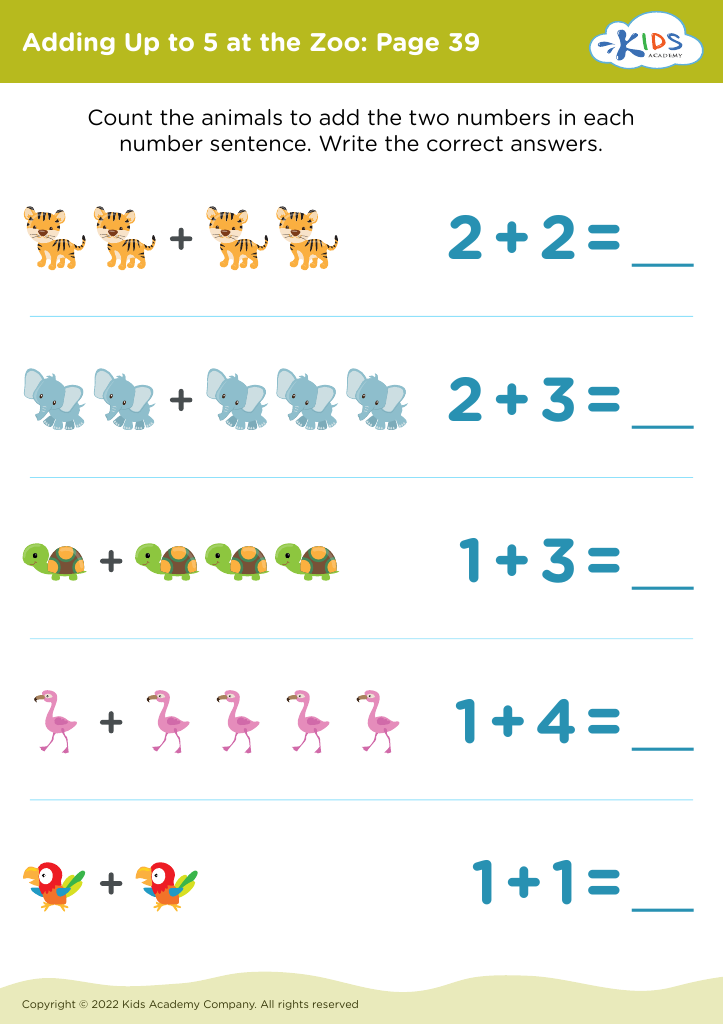
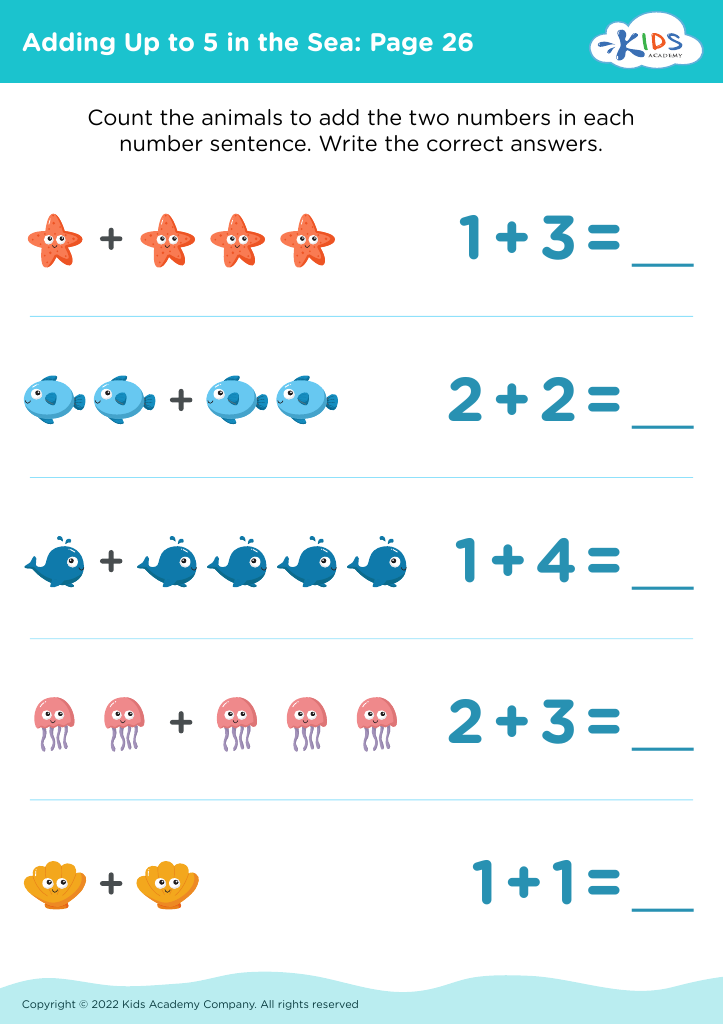
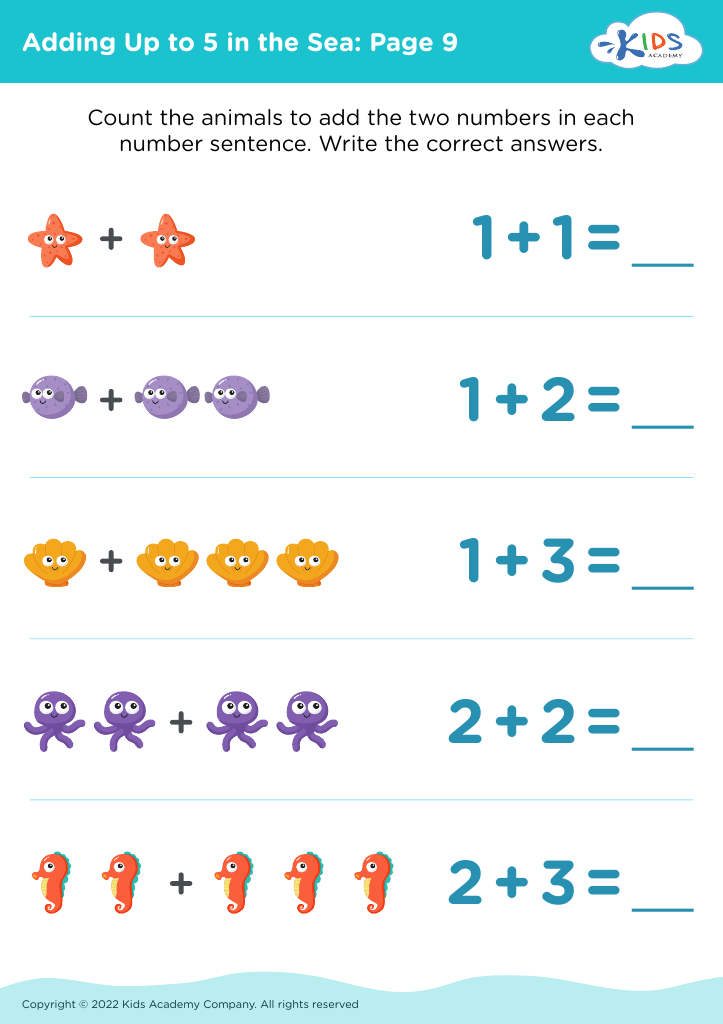








Basic arithmetic forms the cornerstone of children's mathematical understanding and is crucial for their cognitive development during ages 4-9. This foundational skill set not only equips children with the ability to perform simple operations like addition, subtraction, multiplication, and division, but it also fosters critical thinking and problem-solving abilities important for future academic success.
At this age, children are naturally curious and eager to explore concepts. Engaging them in basic arithmetic promotes number sense, allowing them to relate numbers to real-world situations, enhancing their everyday experiences, such as counting objects, comparing quantities, or making simple calculations. This early exposure fosters a positive attitude toward math, helping to reduce math anxiety in later grades.
Furthermore, proficiency in basic arithmetic is essential as it lays the groundwork for more advanced mathematical concepts encountered in later years. Teachers and parents play a vital role in this developmental phase, offering guided practice and support to help children achieve confidence and competence in math.
Ultimately, prioritizing early arithmetic education helps cultivate lifelong learners equipped with the skills necessary to navigate an increasingly numeracy-oriented world. Investing time and resources into developing these skills now can have lasting implications for your child's academic journey and beyond.








