Basic math application Math Worksheets for Ages 4-9
5 filtered results
-
From - To
Discover our engaging Basic Math Application worksheets designed specifically for children aged 4-9! Our printable resources make learning foundational math skills enjoyable and interactive. Covering essential topics such as addition, subtraction, counting, and number recognition, these worksheets are perfect for early learners. They promote critical thinking and problem-solving while strengthening essential math concepts. With vibrant illustrations and age-appropriate challenges, kids will enhance their mathematical understanding at their own pace. Perfect for homeschooling or classroom use, our Basic Math Application worksheets provide an effective and fun way to nurture a love for math in young learners. Start exploring today!
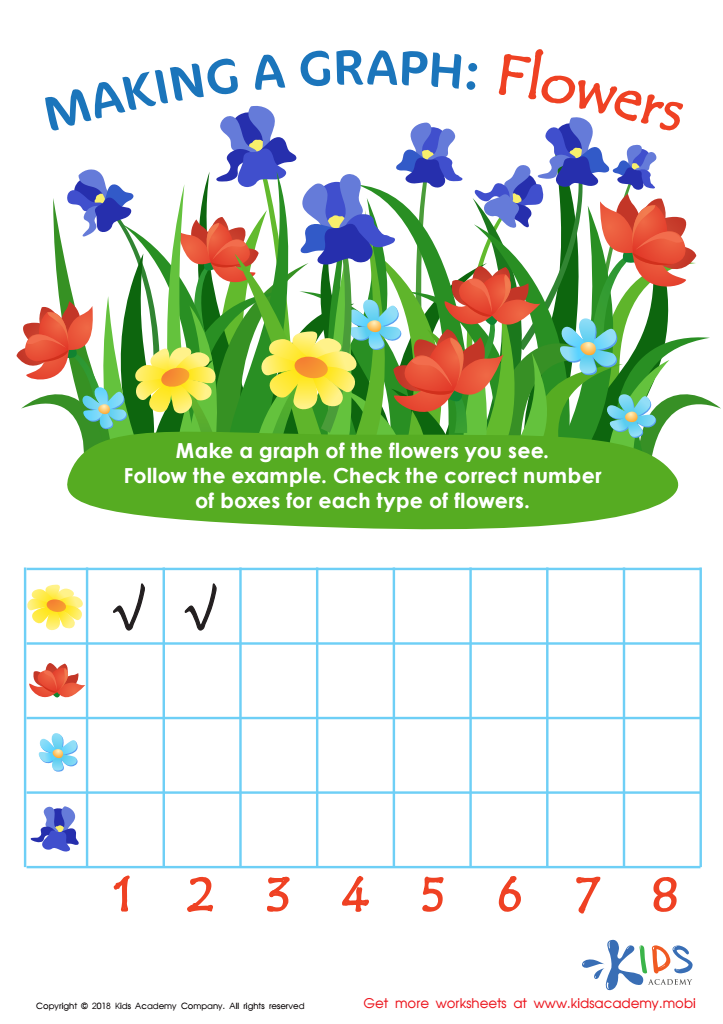
Making a Graph: Flowers Worksheet
 Assign to My Students
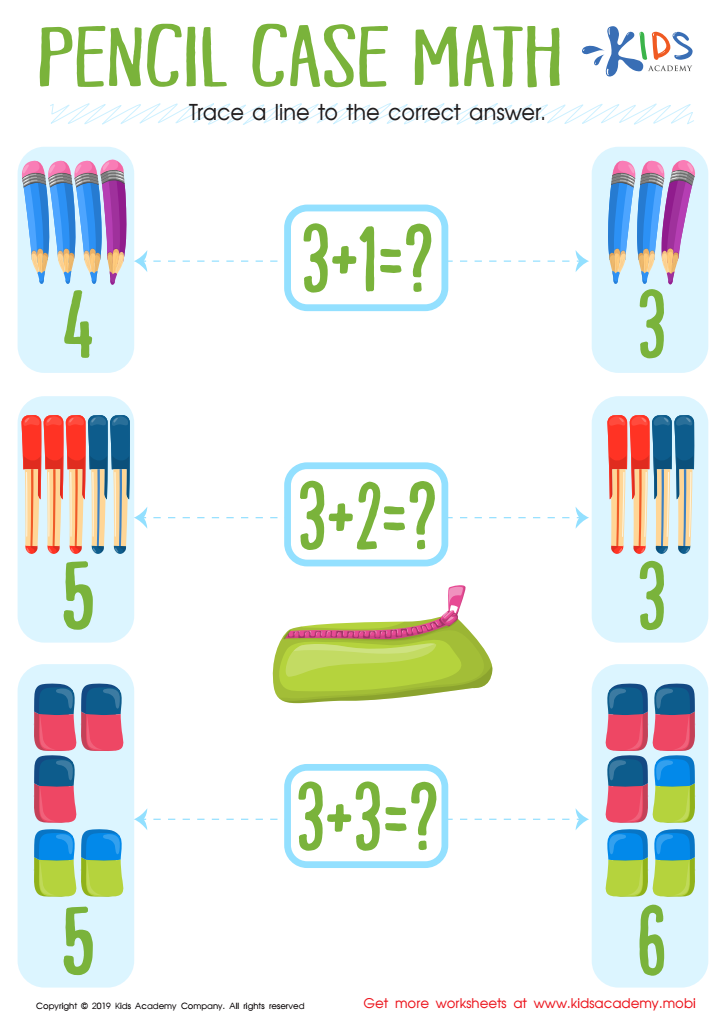
Pencil Case Math Worksheet
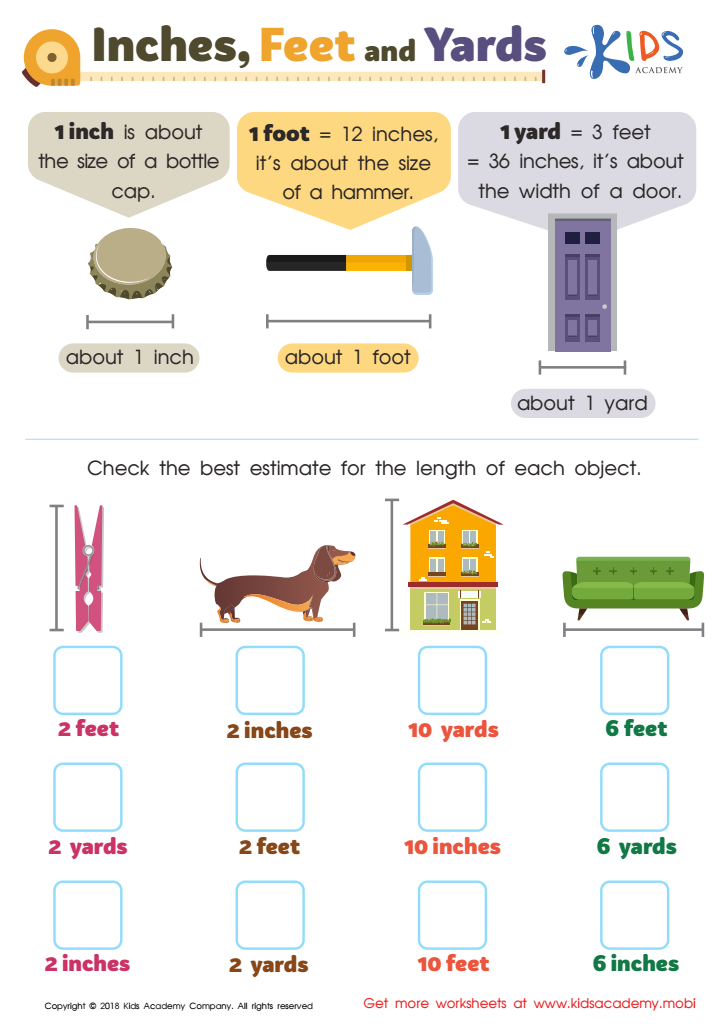
Inches, Feet and Yards Worksheet
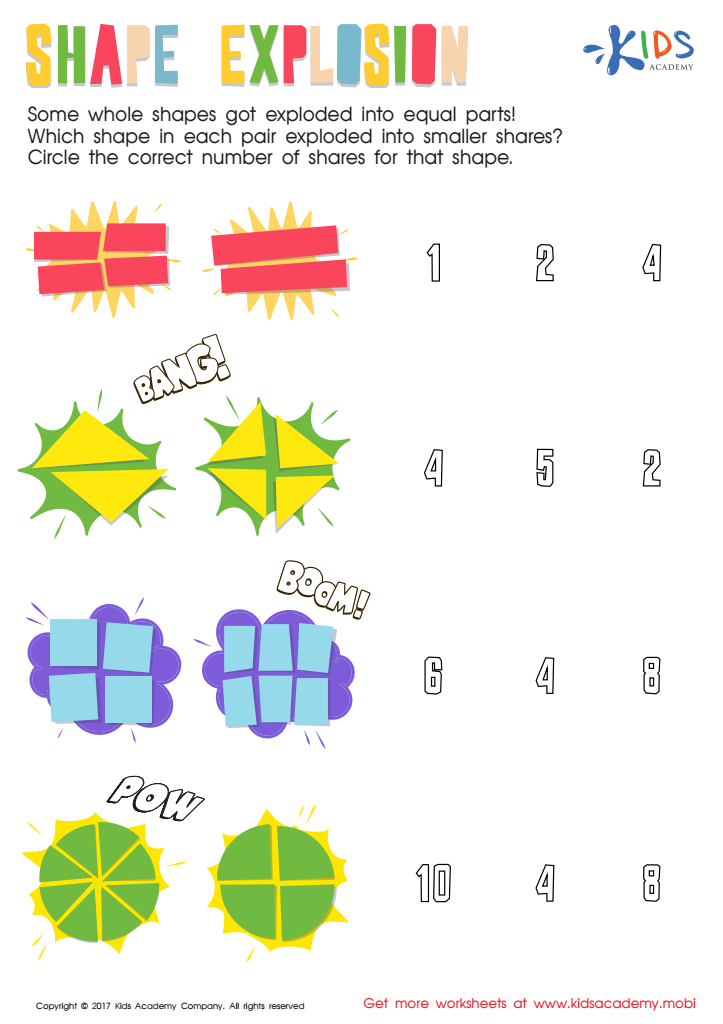
Shape Explosion Worksheet
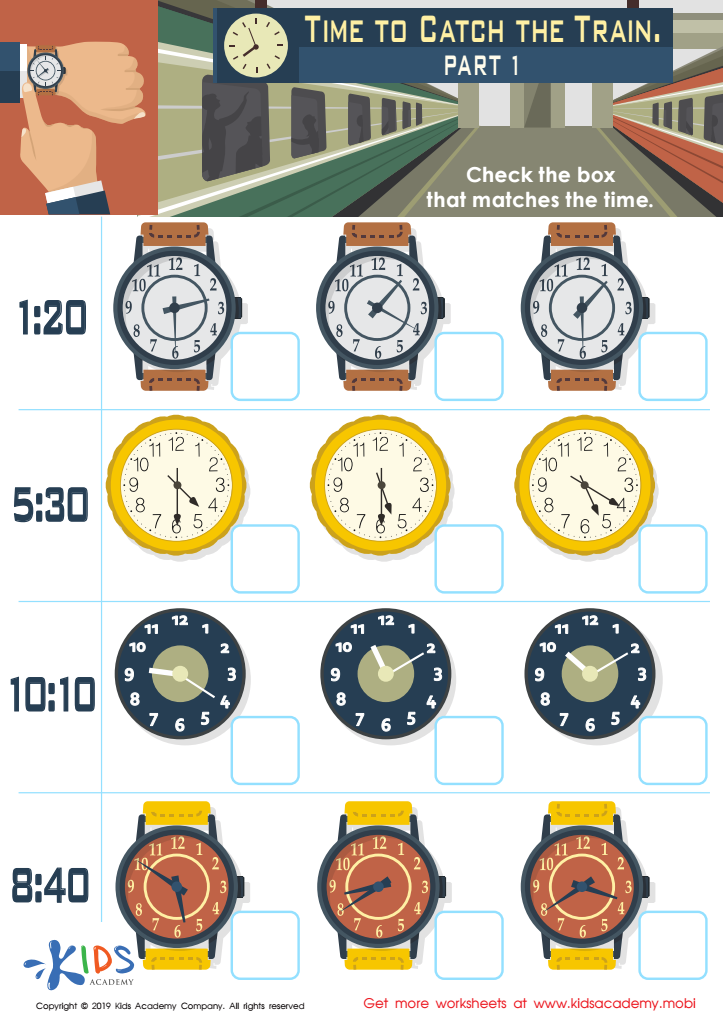
Time to Catch the Train Part 1 Worksheet







Basic math applications are essential for children ages 4-9, as they form the foundation for future learning and everyday problem-solving skills. At this developmental stage, children are naturally curious and eager to explore numbers and patterns. Engaging with basic math concepts—such as counting, addition, subtraction, and simple shapes—helps enhance critical thinking and cognitive skills.
Parents and teachers play a pivotal role in fostering a positive relationship with math during these formative years. By integrating math into daily activities, such as cooking, shopping, or playing games, caregivers can make learning enjoyable and relevant, reinforcing practical applications of math in real life.
Moreover, early math skills are linked to future academic success. Research indicates that children who develop a strong numerical sense early on are more likely to excel in higher-level math as they grow. This foundation also builds confidence, reducing math anxiety often seen in older students.
Ultimately, by prioritizing basic math applications, parents and teachers help children develop essential life skills, prepare for future academic challenges, and cultivate a lifelong appreciation for learning. Investing in these early math experiences nurtures not only cognitive growth but also emotional resilience and critical problem-solving abilities.








