Counting objects Math Worksheets for Ages 4-9
21 filtered results
-
From - To
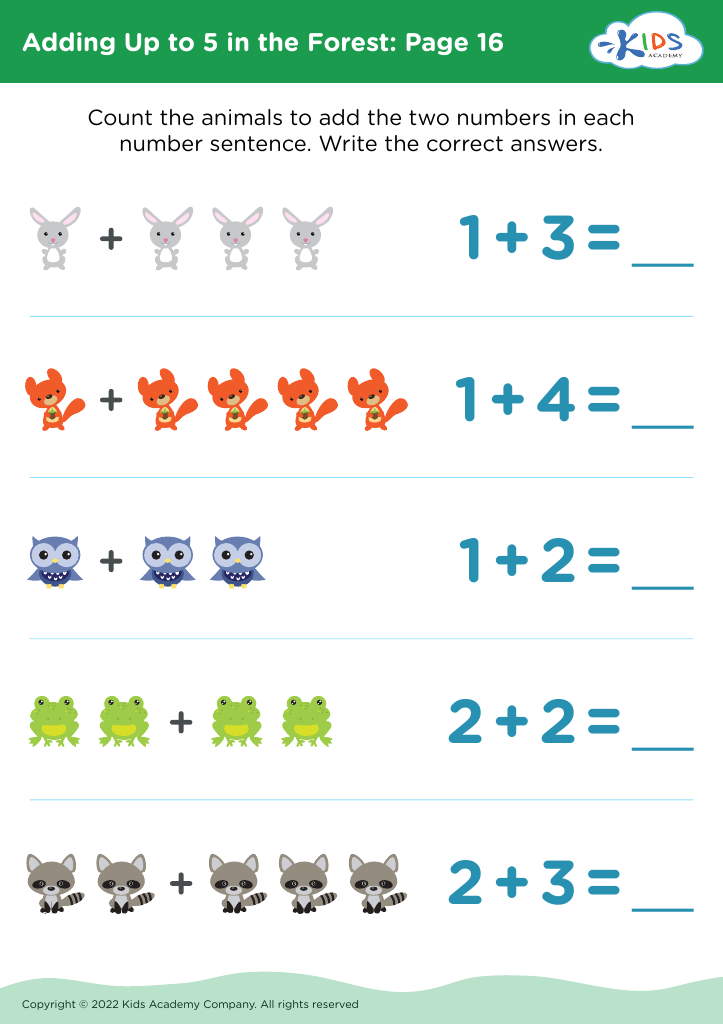
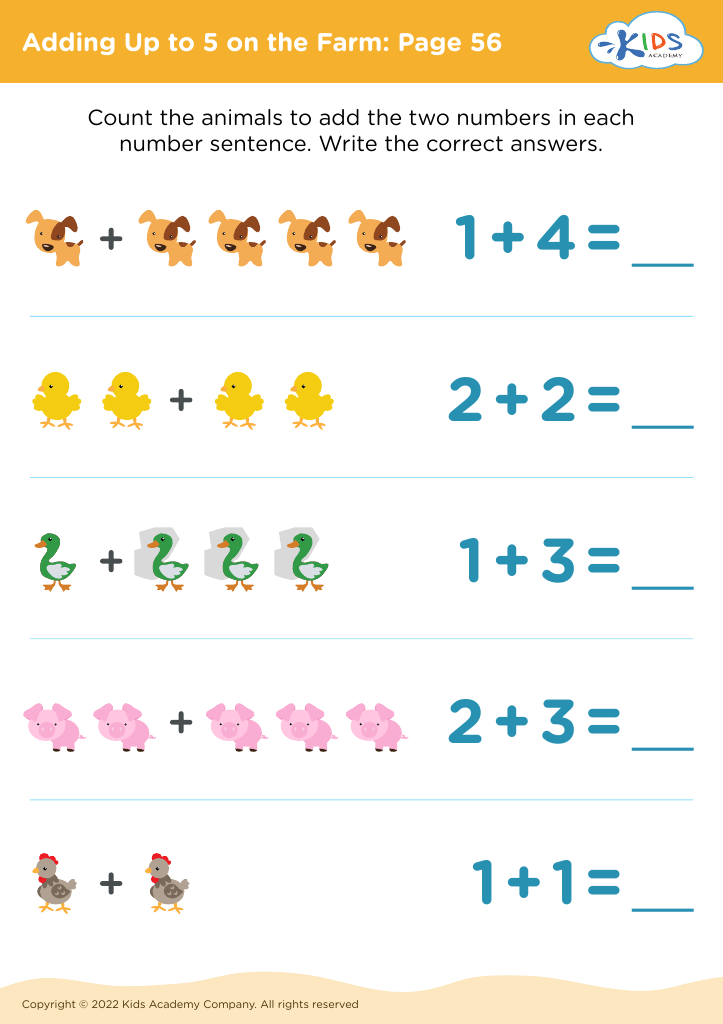
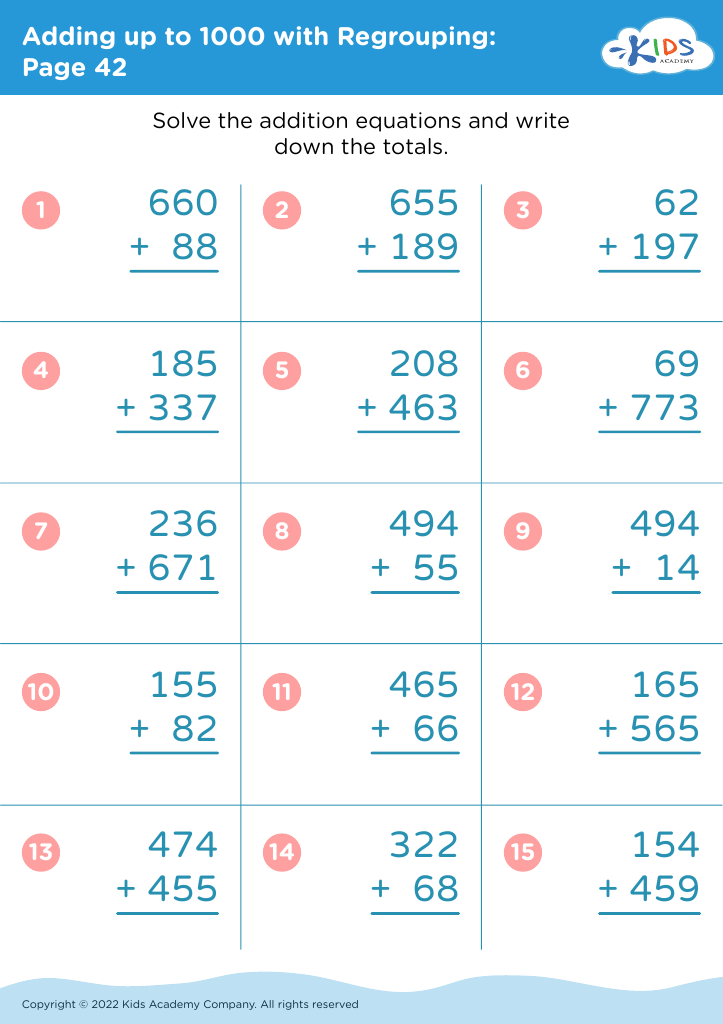
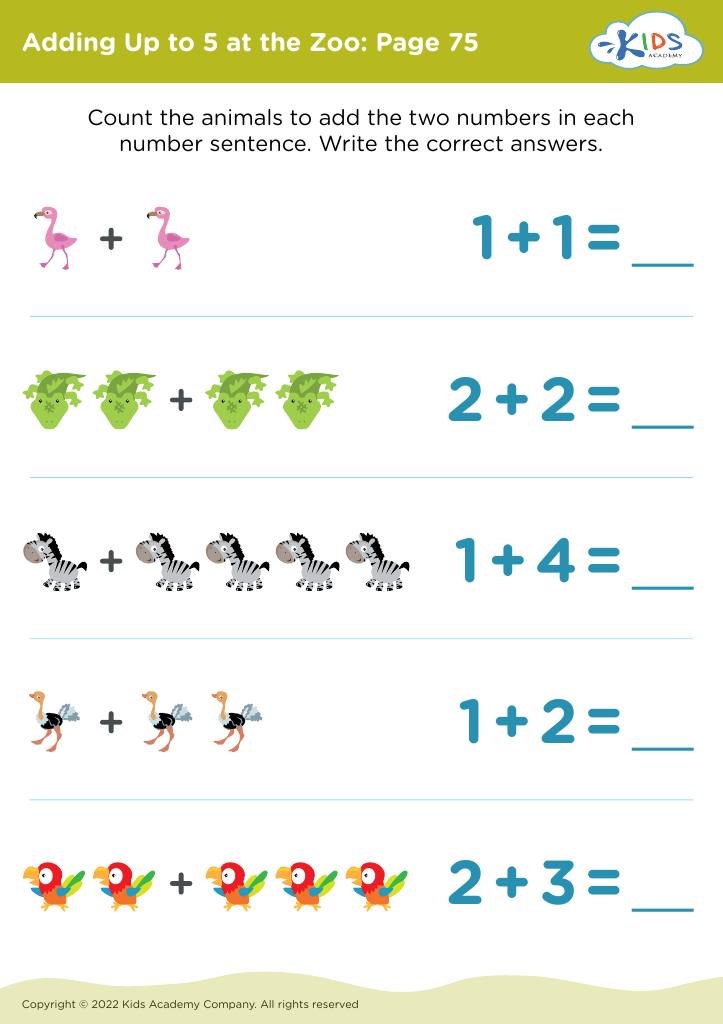
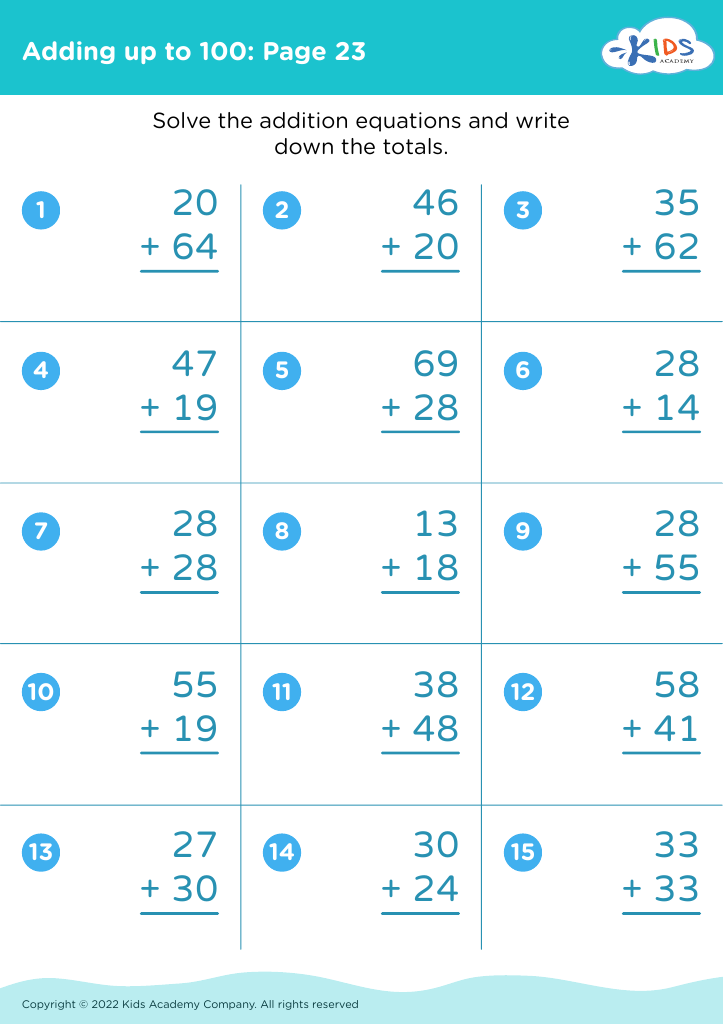
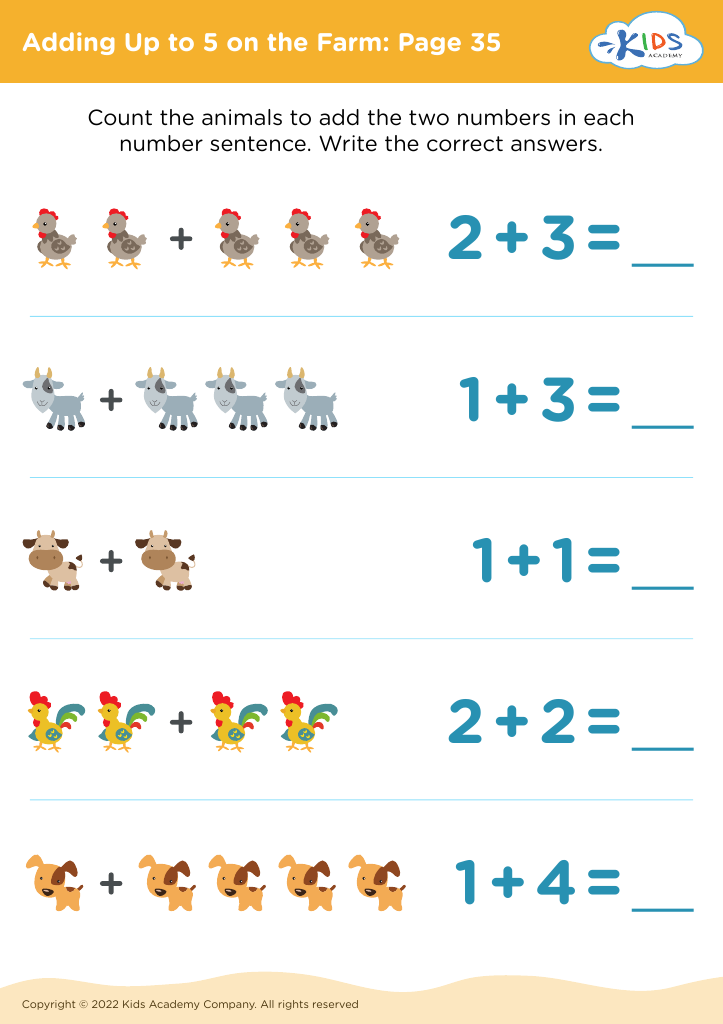
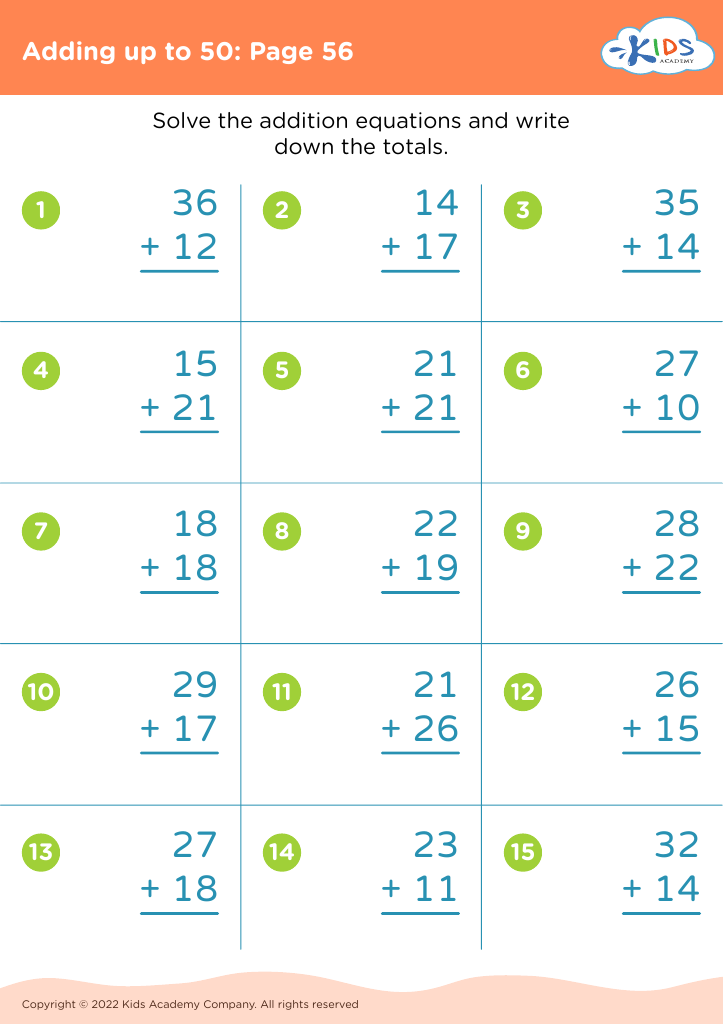
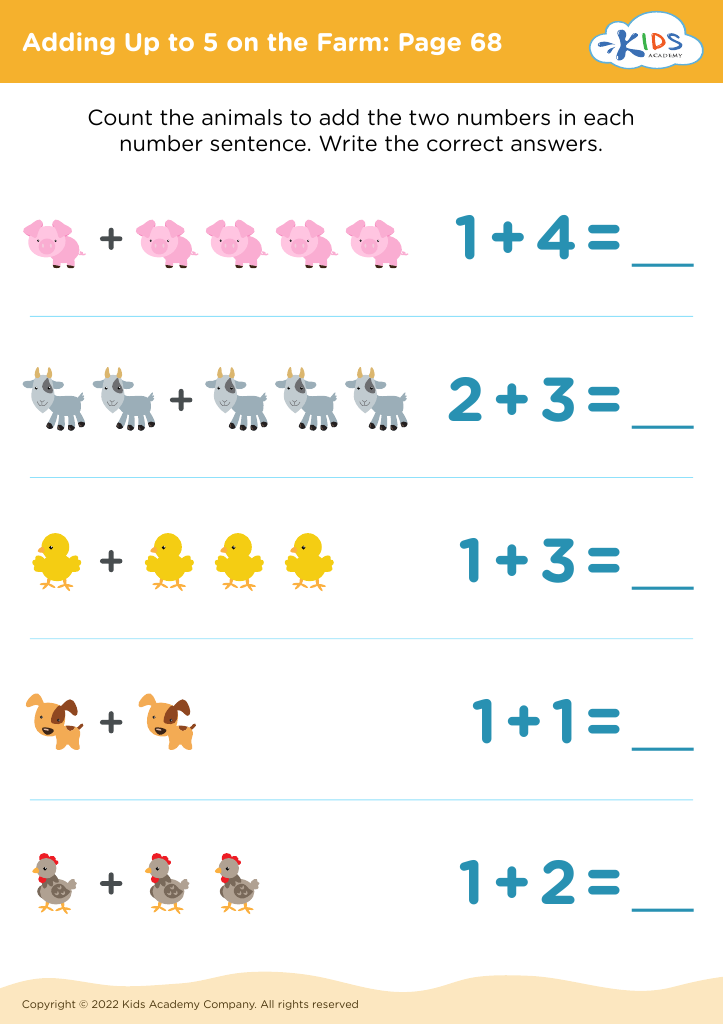
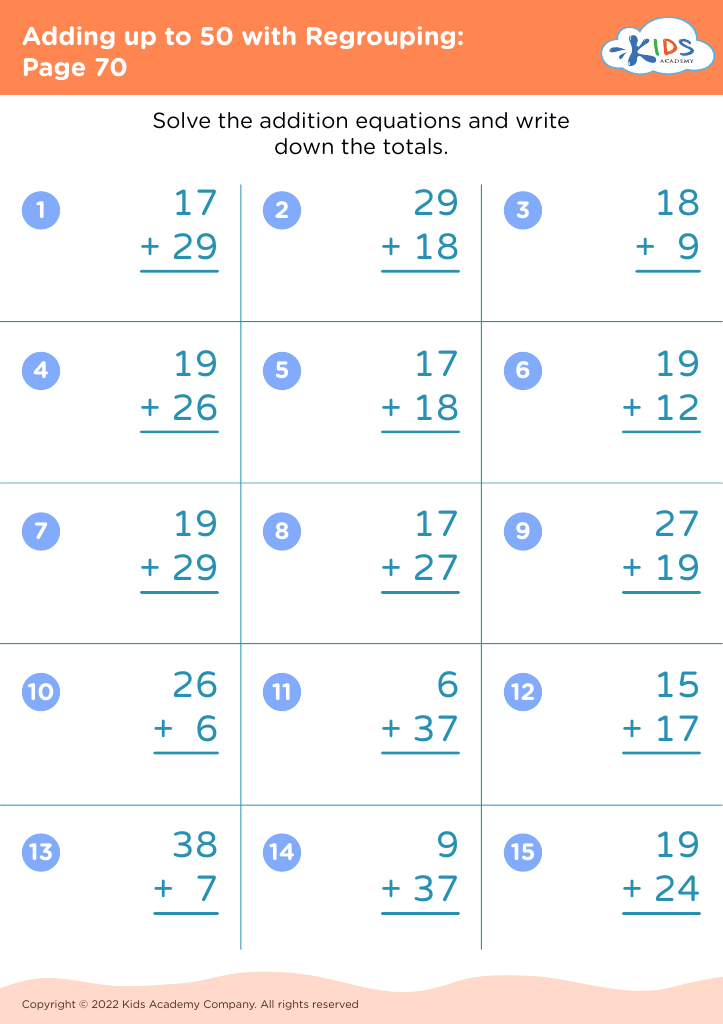
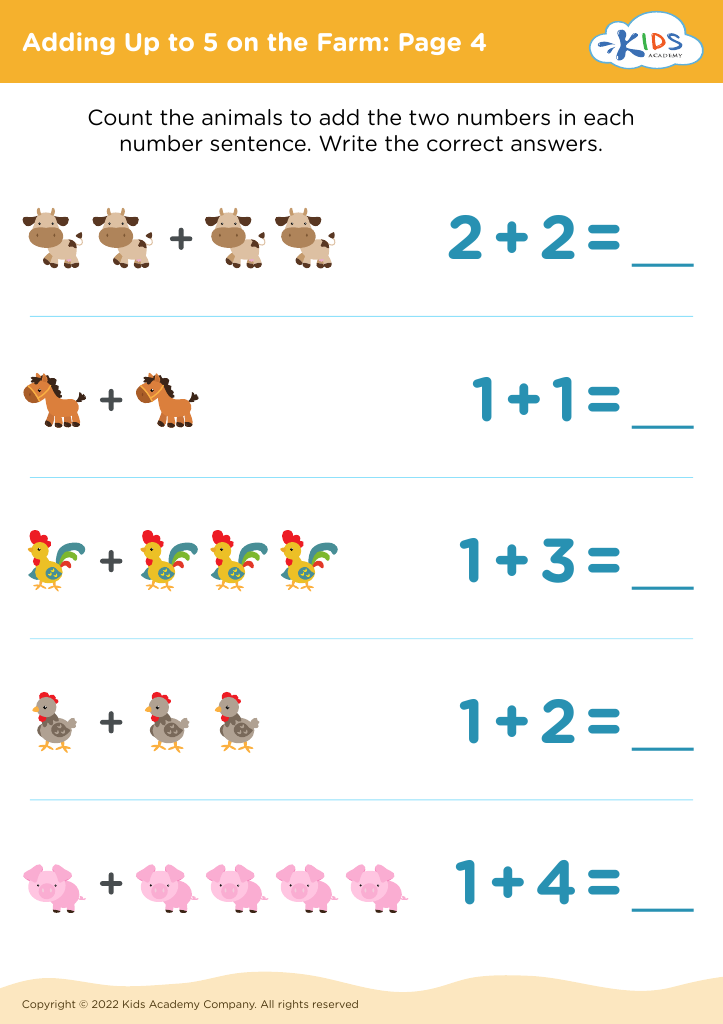
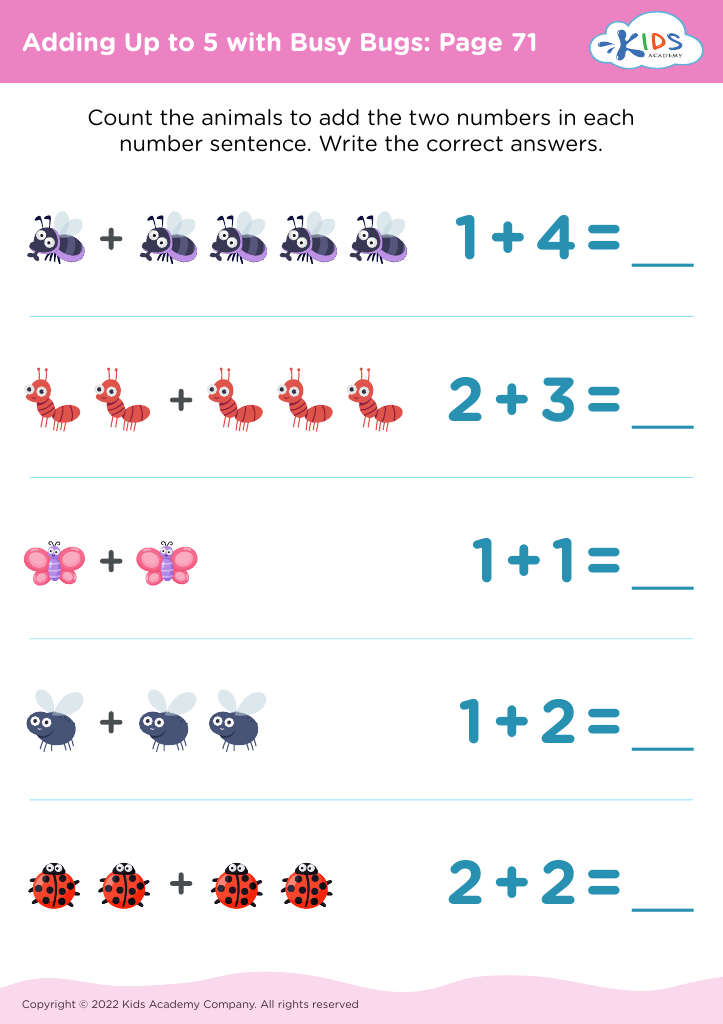
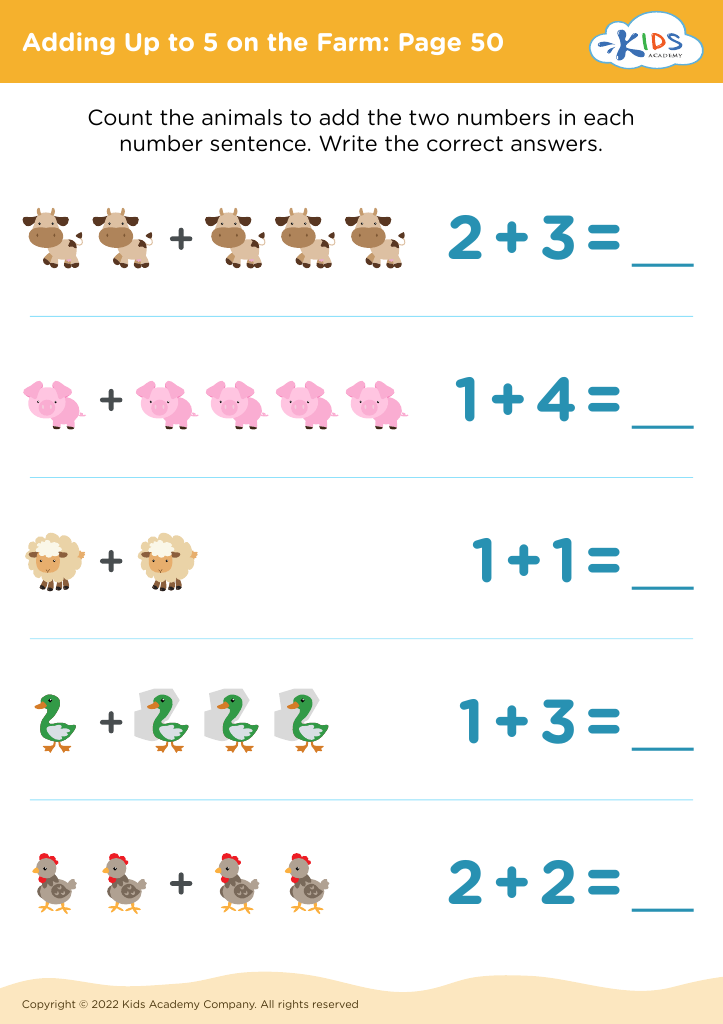
Discover our engaging Counting Objects Math Worksheets designed for children ages 4-9. These printable worksheets from Kids Academy provide a fun and interactive way to enhance early math skills. Perfect for home or classroom learning, each worksheet encourages young learners to practice counting objects, improving their number recognition and basic arithmetic abilities. Tailored to support different learning stages, our worksheets gradually increase in complexity to challenge and stimulate your child's curiosity. Visit Kids Academy to explore a wide range of resources that make math enjoyable and accessible for young minds. Elevate your child'sCountingearlyere withir mathorphprimmers Count Dynamic Yorkobjertools. CaagtiBrçõesons..
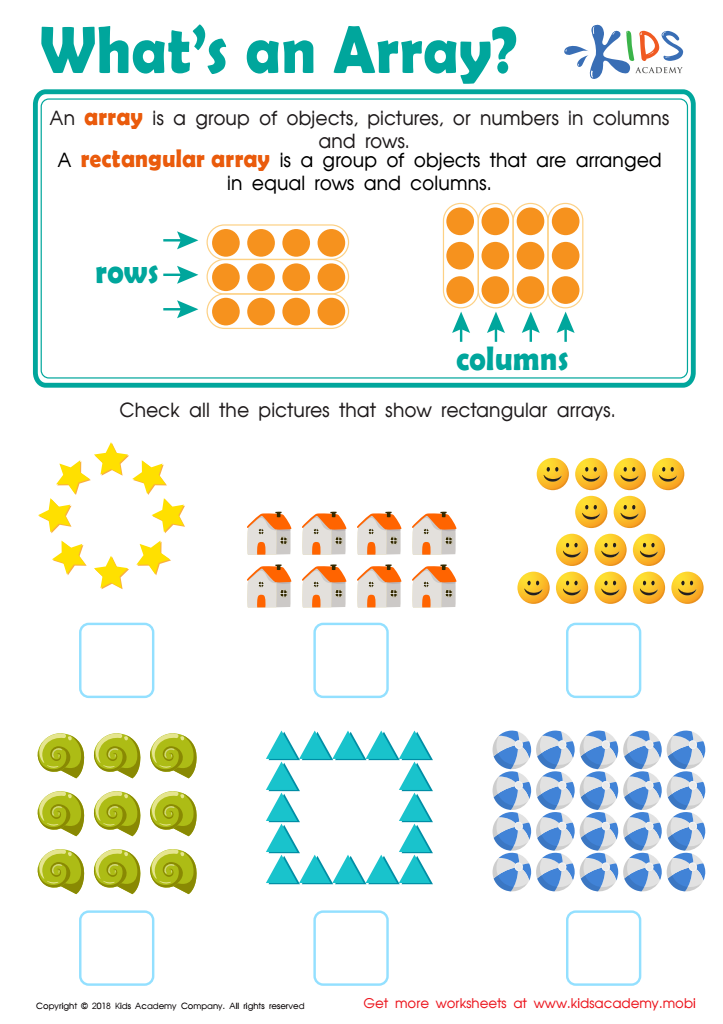
What's an Array? Worksheet
 Assign to My Students
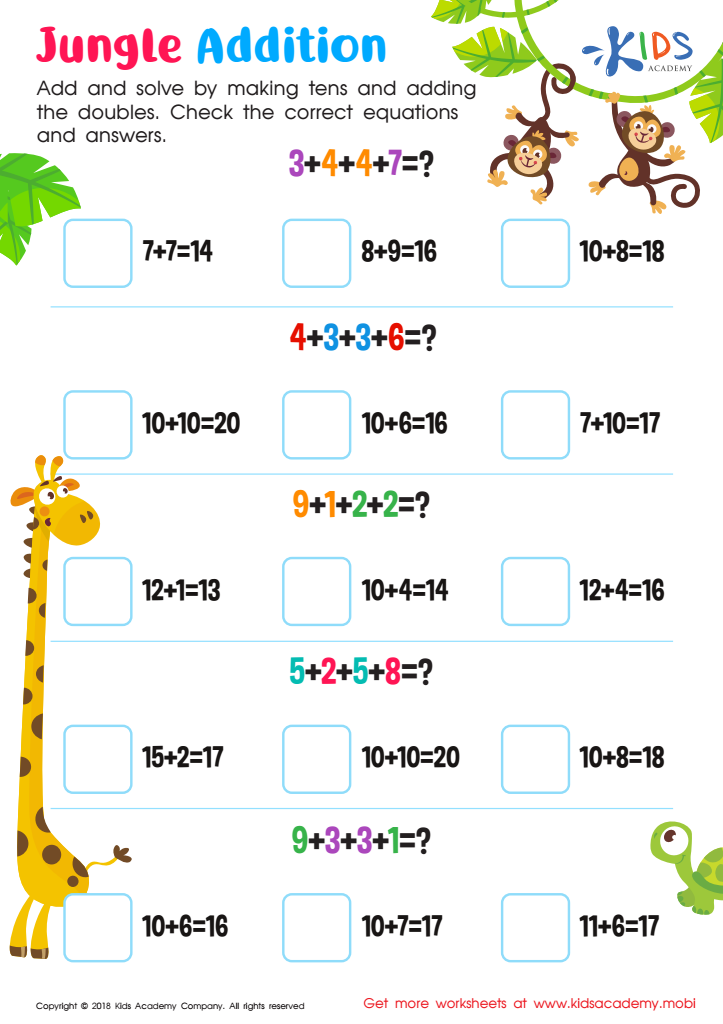
Jungle Addition Worksheet
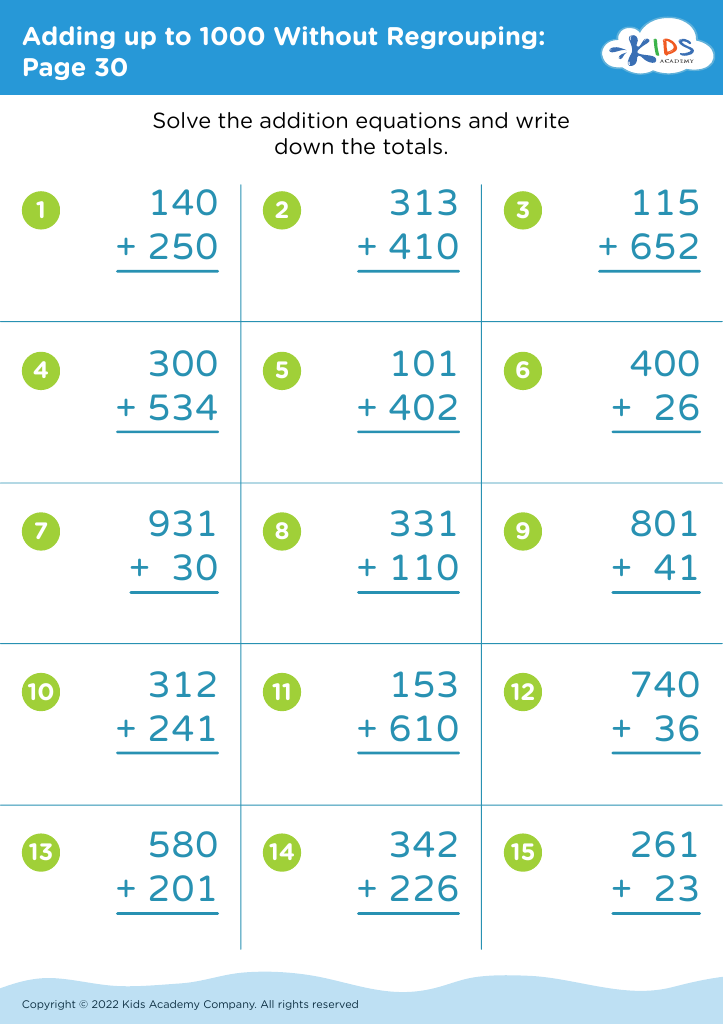
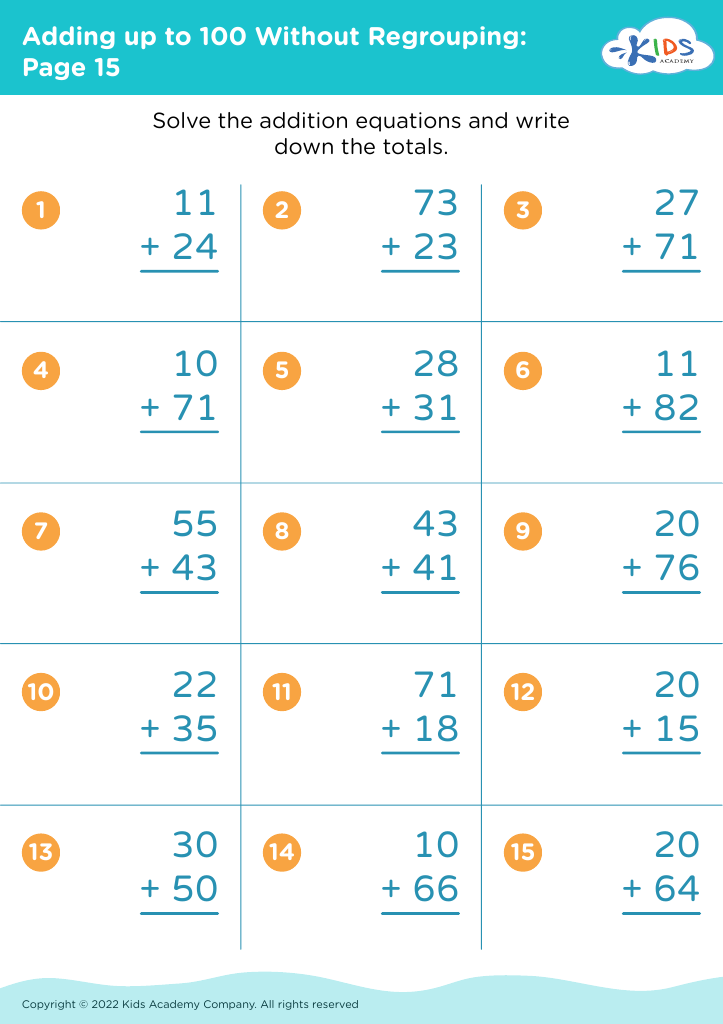
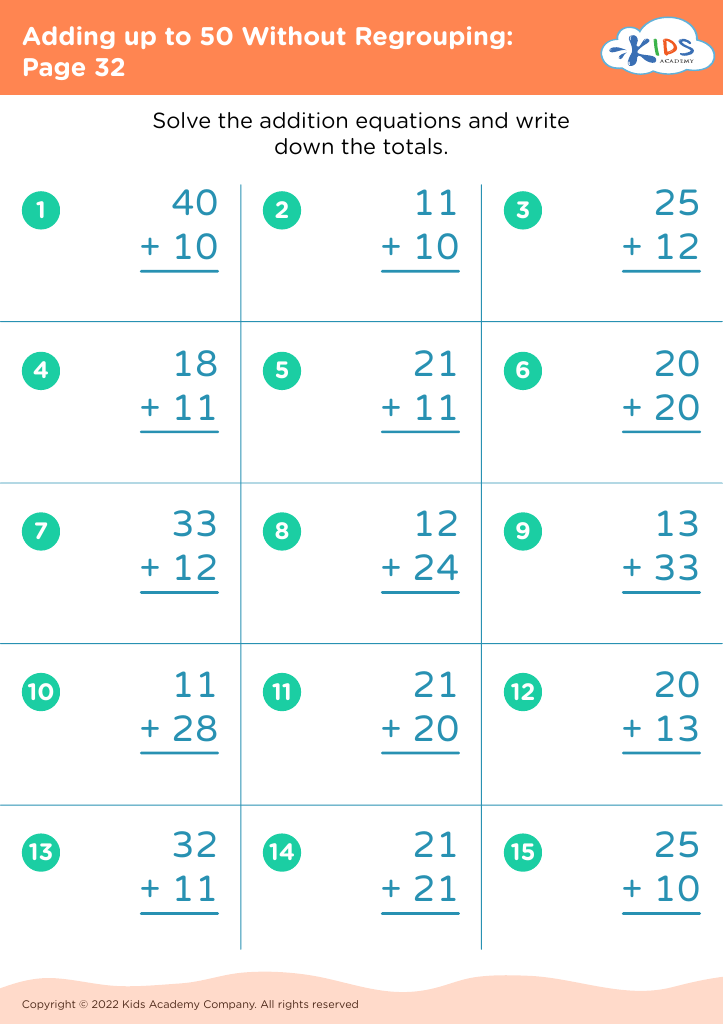
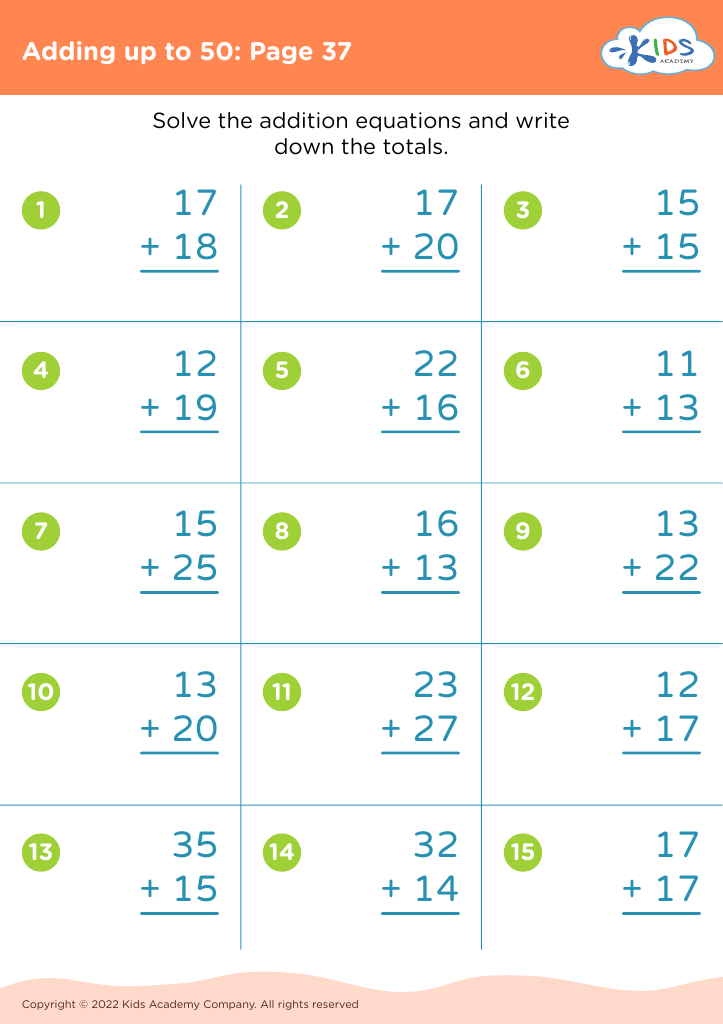
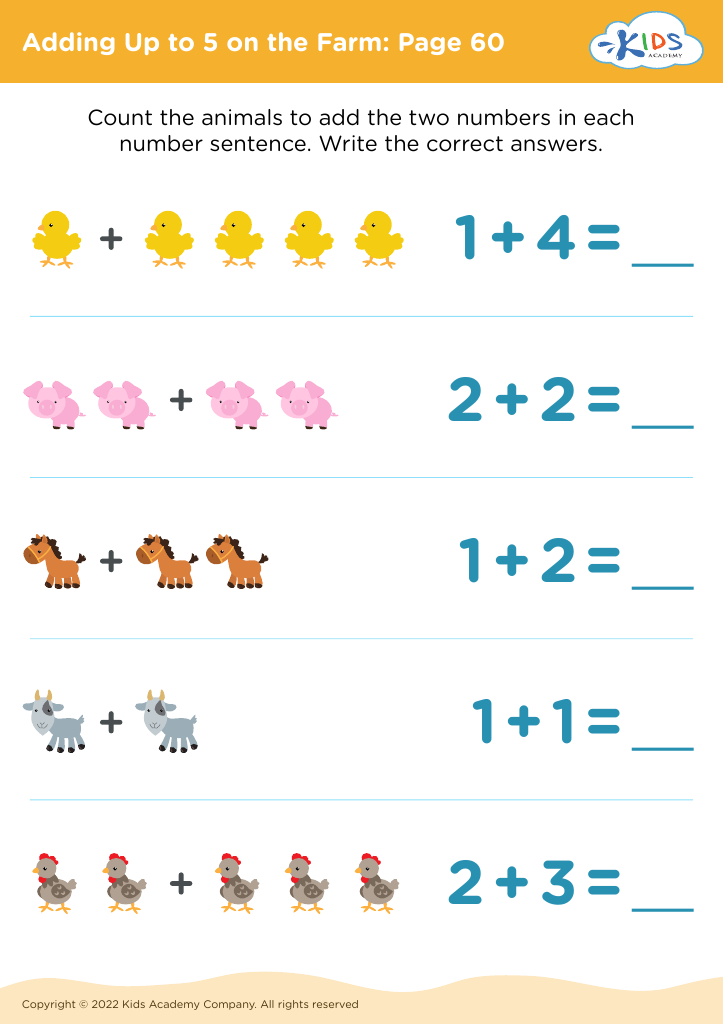








Counting objects is a foundational math skill crucial for young children aged 4-9, serving as the gateway to more complex mathematical concepts. For parents and teachers, encouraging and nurturing this skill is essential for several reasons.
First, counting objects helps children understand numbers and their relationships. Young children typically begin by rote counting (reciting numbers in order) but progress to one-to-one correspondence, where they learn that each object corresponds to a single number. This fundamental understanding forms the basis for further mathematical operations like addition, subtraction, multiplication, and division.
Second, counting objects strengthens cognitive development and problem-solving skills. It encourages children to engage their brains in pattern recognition, logical thinking, and decision-making. For instance, when sorting objects based on various attributes like size or color, children develop analytical skills that pave the way for future academic success across different subjects.
Third, the activity of counting objects enhances fine motor skills and hand-eye coordination. Picking up objects, placing them in groups, or moving them from one location to another can significantly improve these vital physical abilities, which are important for tasks beyond mathematics, such as writing.
Lastly, counting objects in interactive and playful settings—be it at home or in the classroom—makes learning enjoyable. This enjoyment fosters a positive attitude towards mathematics, transforming a typically intimidating subject into a fascinating and approachable one.
For these reasons, investing time and resources into helping children aged 4-9 with counting objects can profoundly impact their academic development and overall confidence in math.








