Develop critical thinking Math Worksheets for Ages 4-9
13 filtered results
-
From - To
Unlock your child's potential with our engaging critical thinking math worksheets designed for ages 4-9. Our carefully crafted exercises encourage young learners to solve problems creatively and think independently while reinforcing essential math skills. Each worksheet features vibrant illustrations and relatable scenarios that make learning enjoyable. From simple word problems to logical reasoning tasks, our activities provide a solid foundation for critical thinking and mathematical understanding. Ideal for home or classroom use, these worksheets promote collaboration, confidence, and a love of learning. Explore our collection today and watch your child's critical thinking skills flourish as they tackle math challenges with enthusiasm!
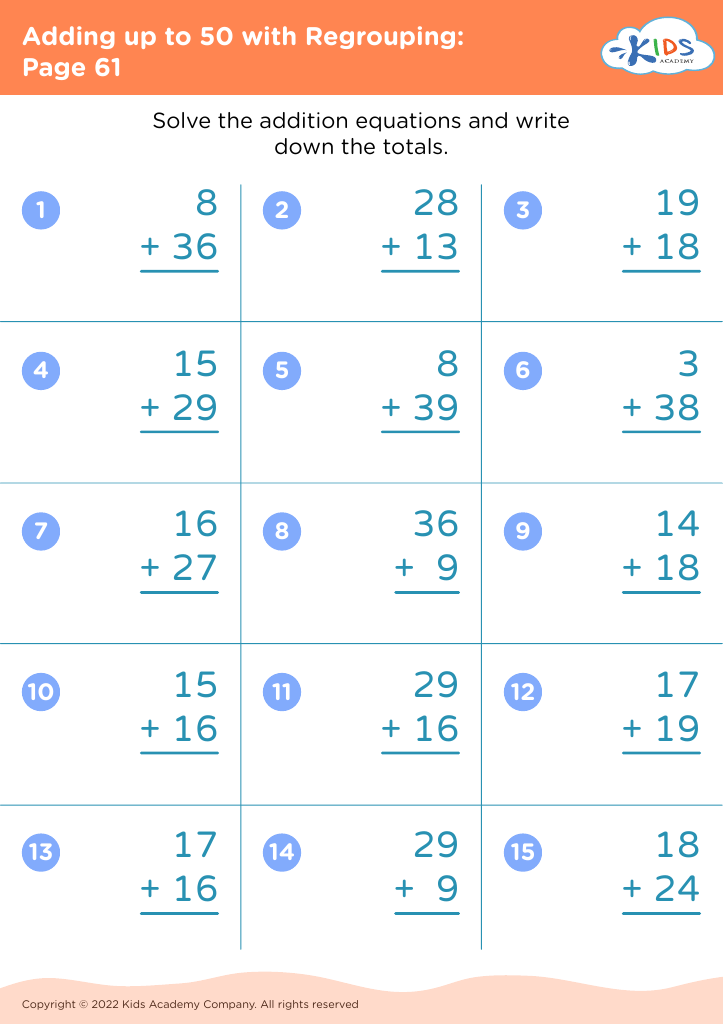
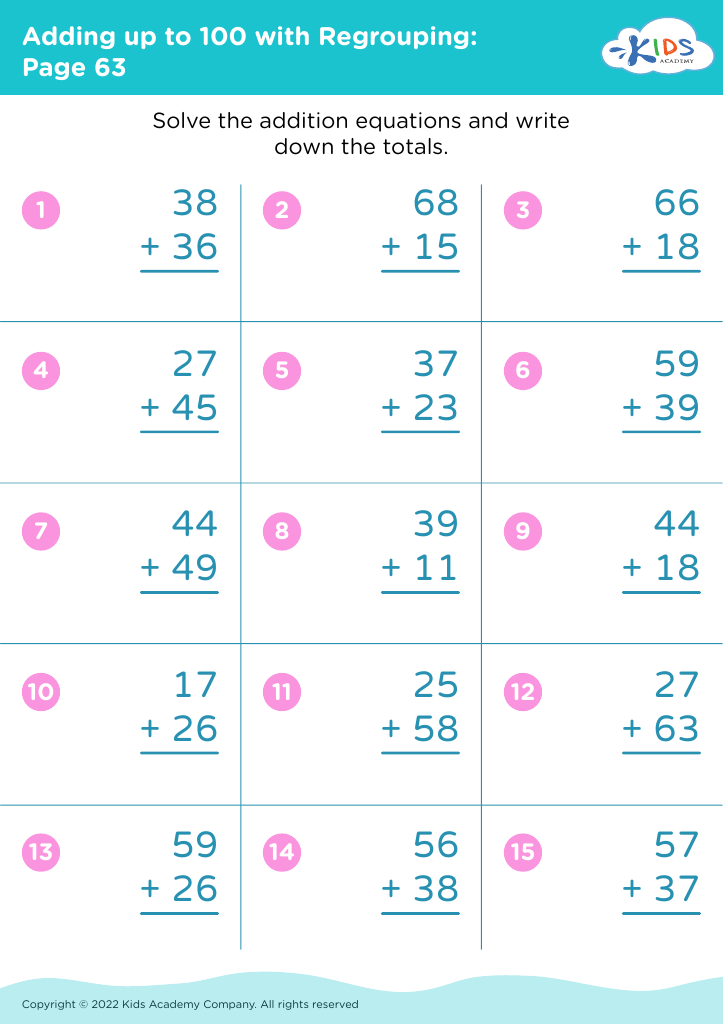
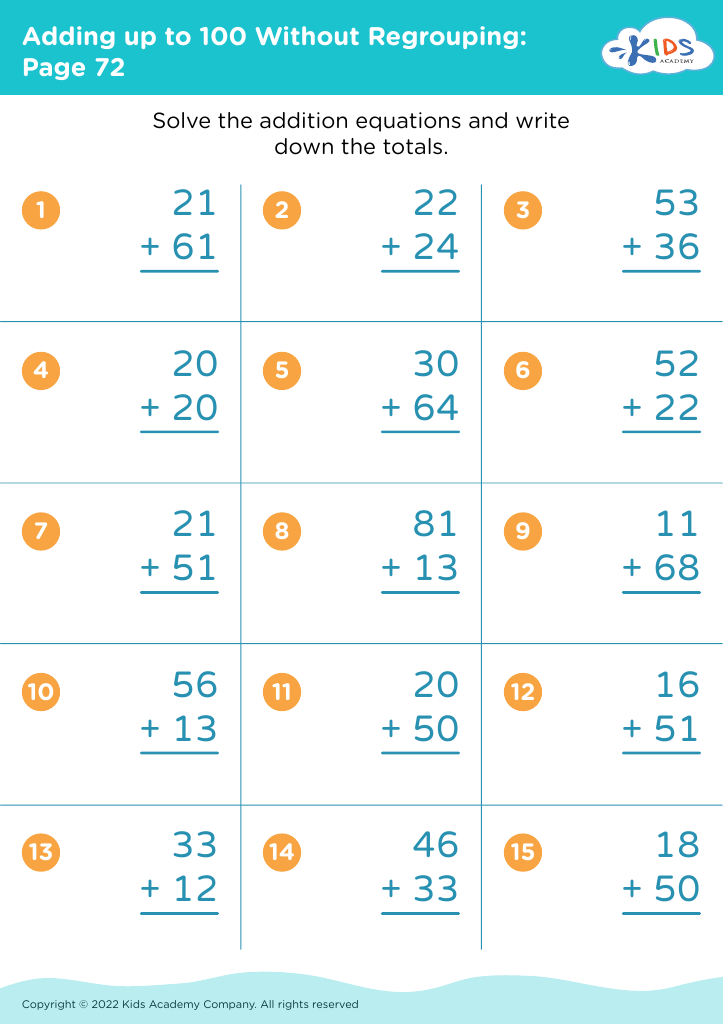
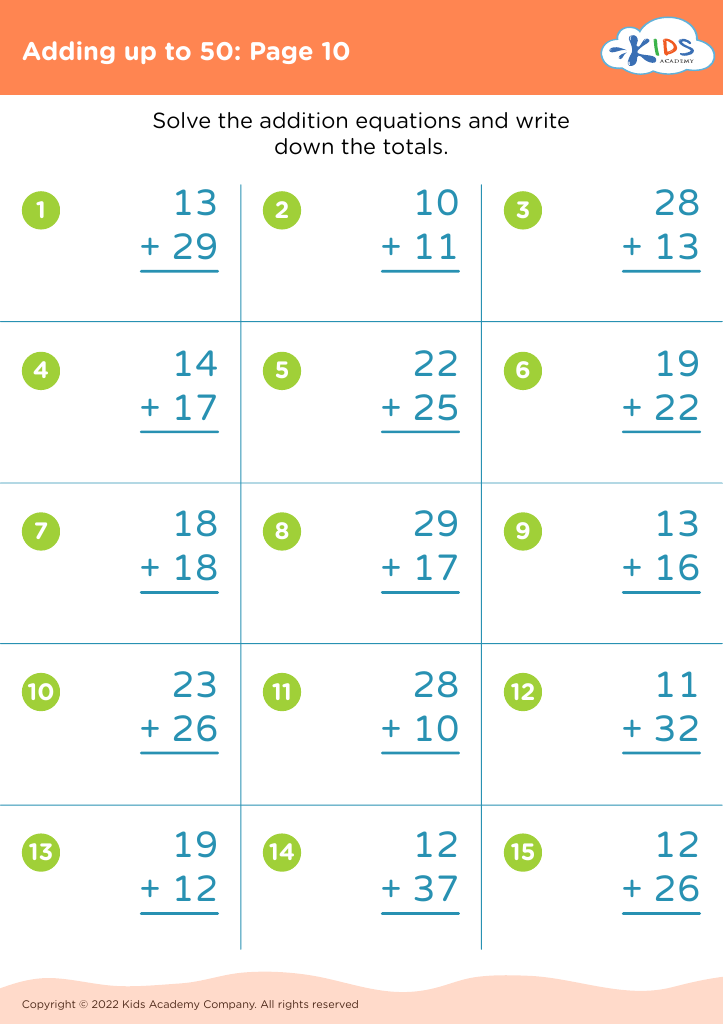
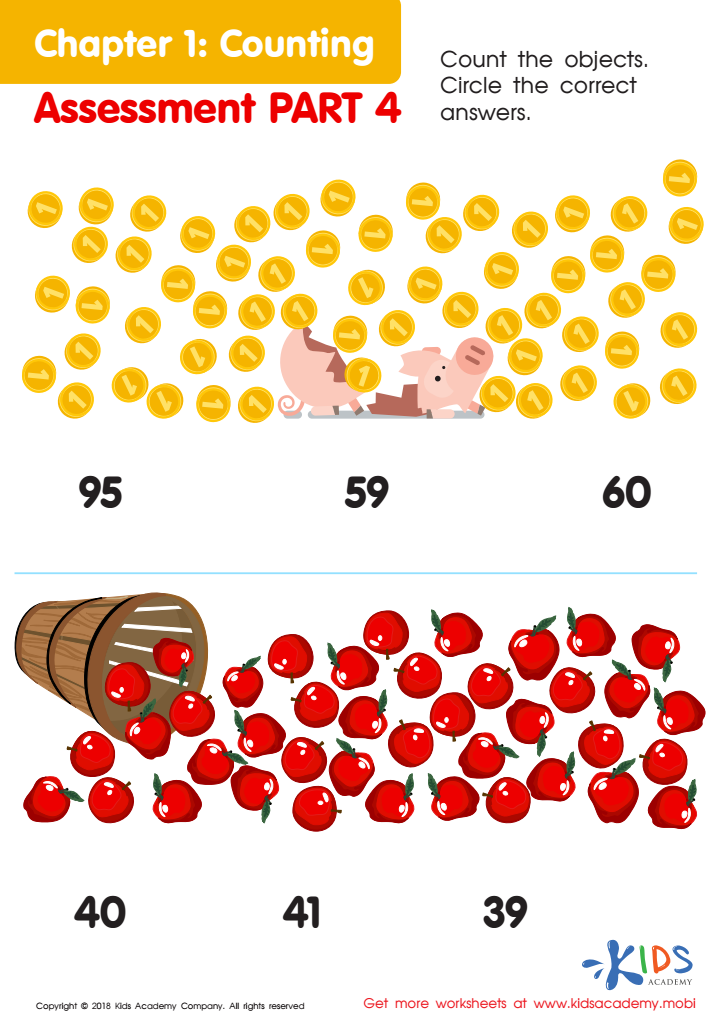
Counting: Assessment 4 Worksheet
 Assign to My Students
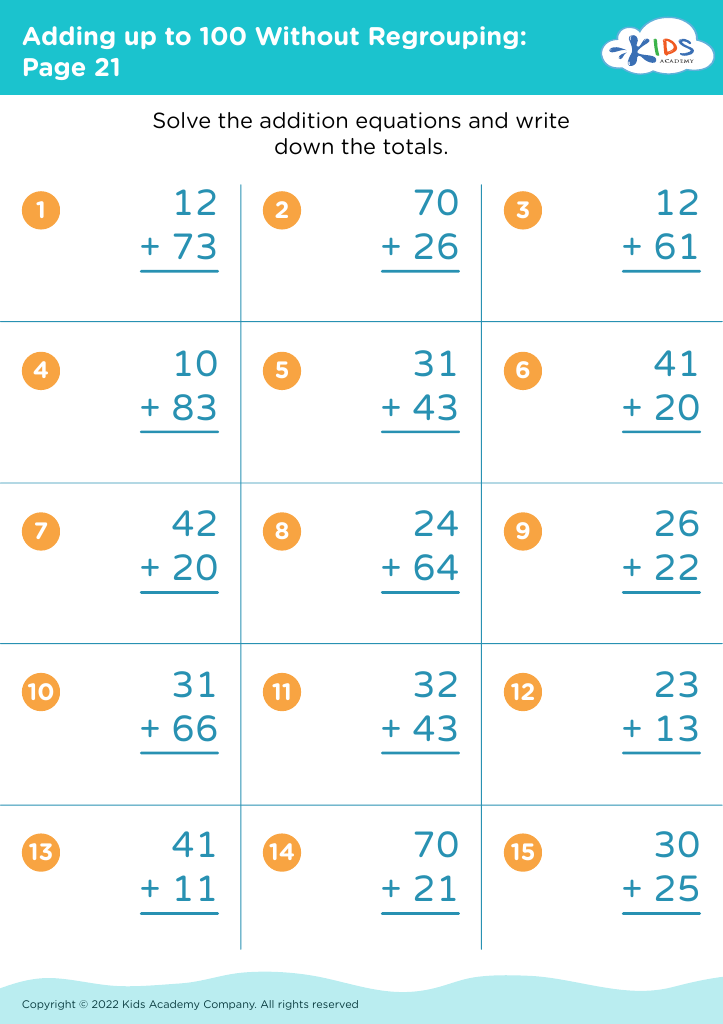
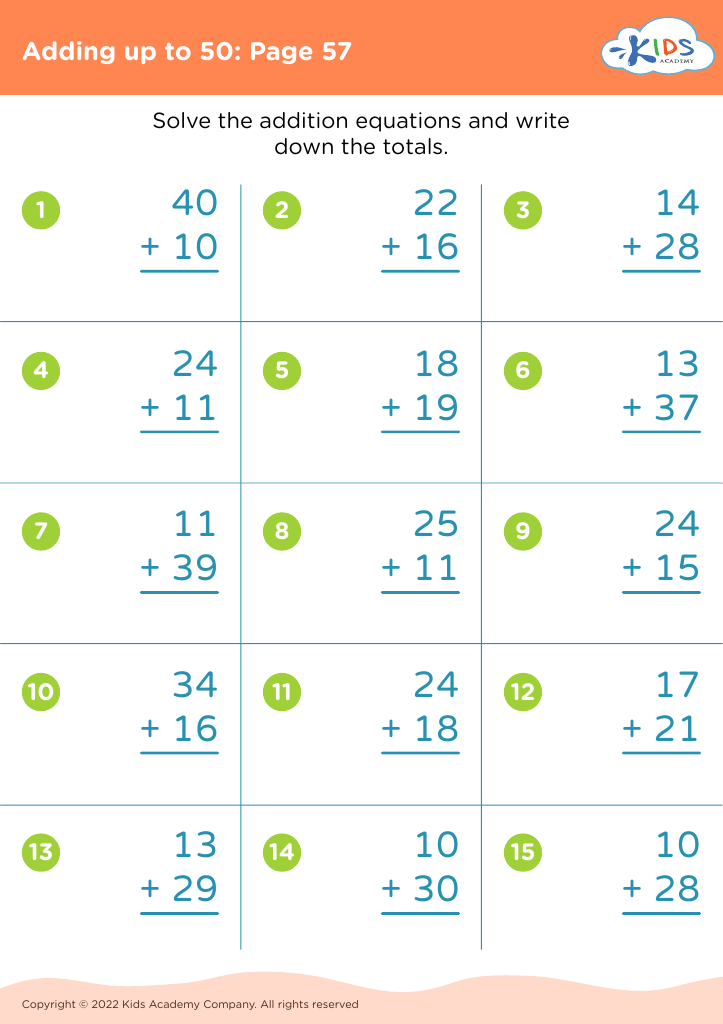
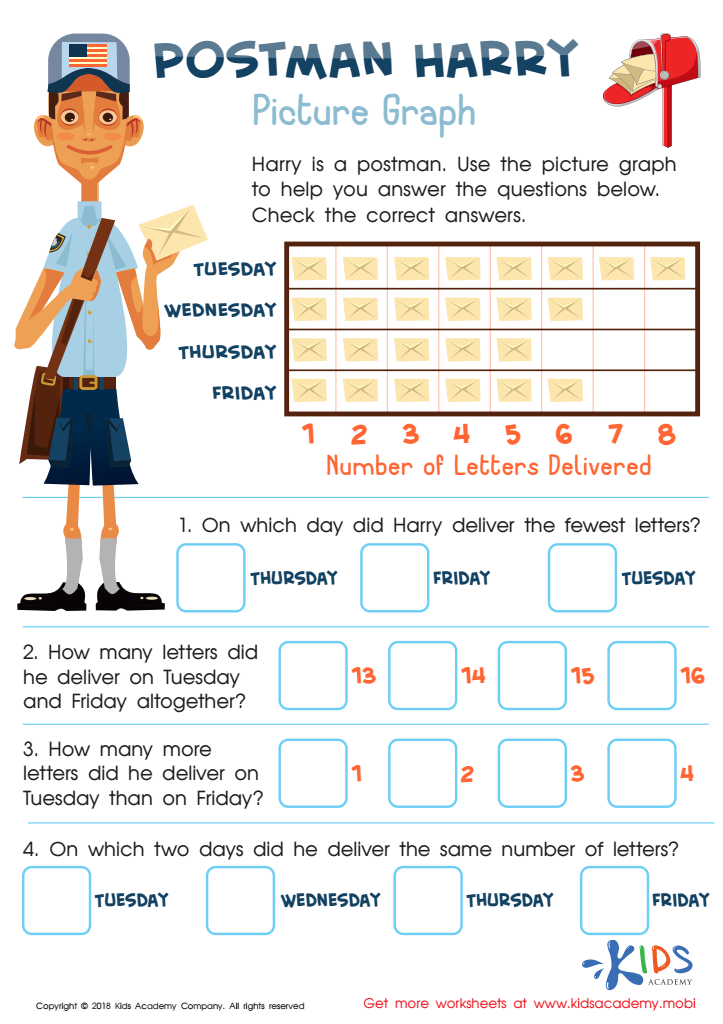
Postman Harry: Picture Graph Worksheet
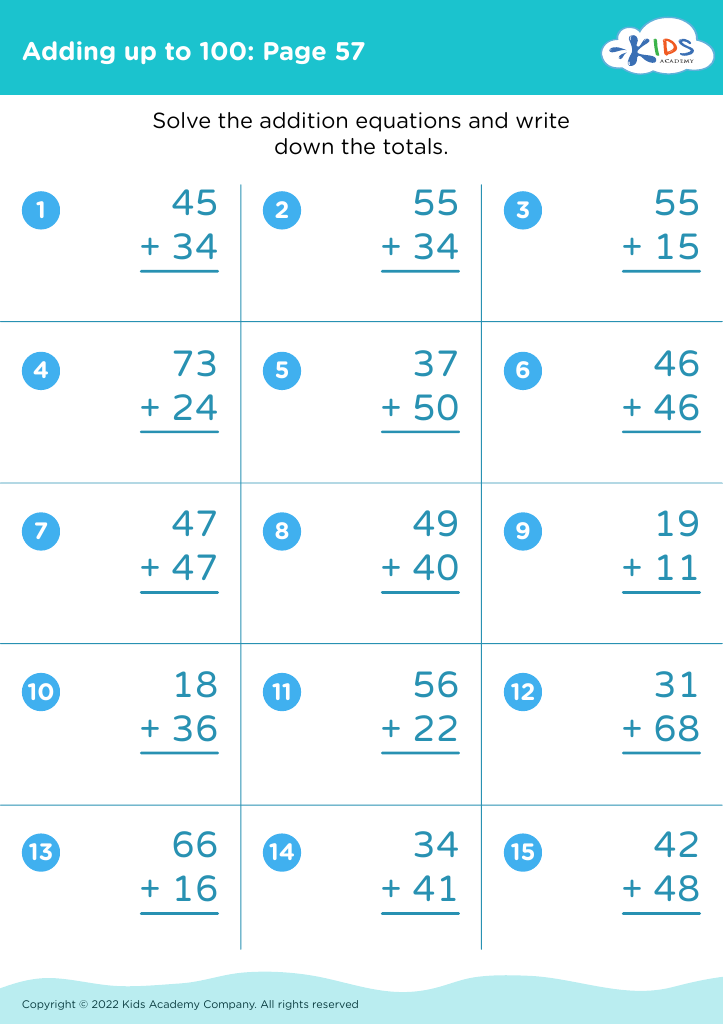
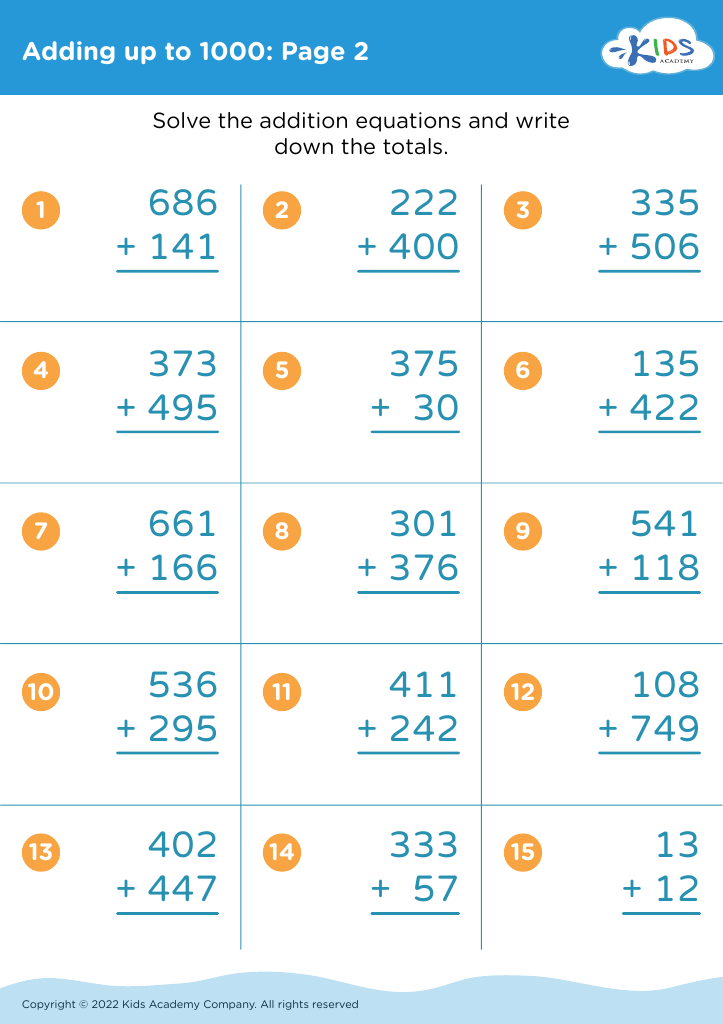
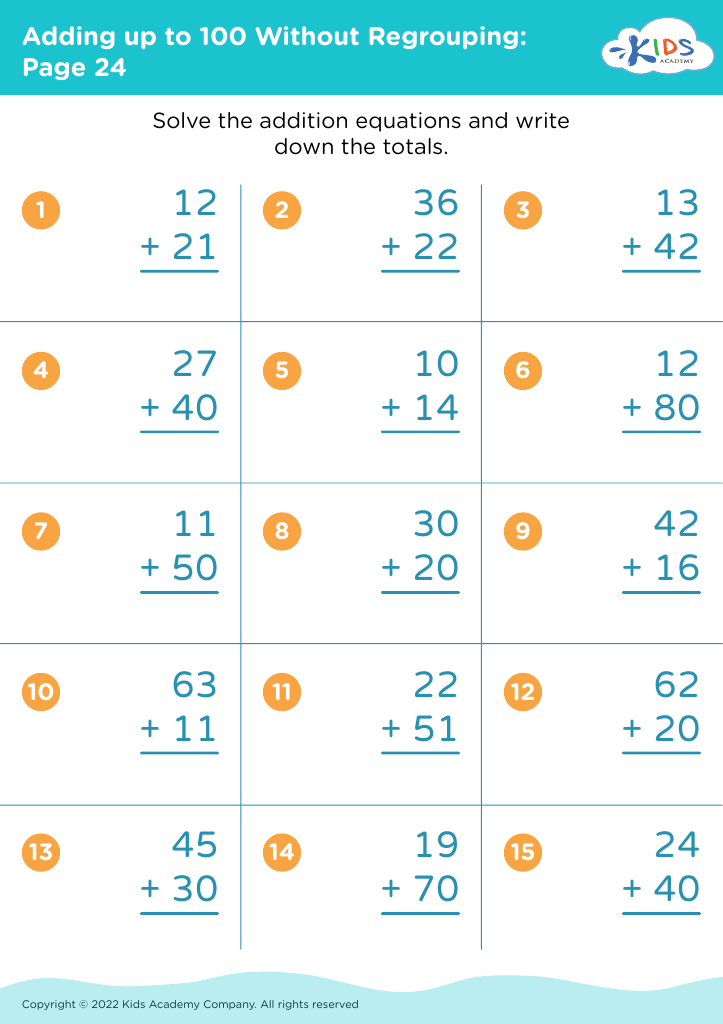
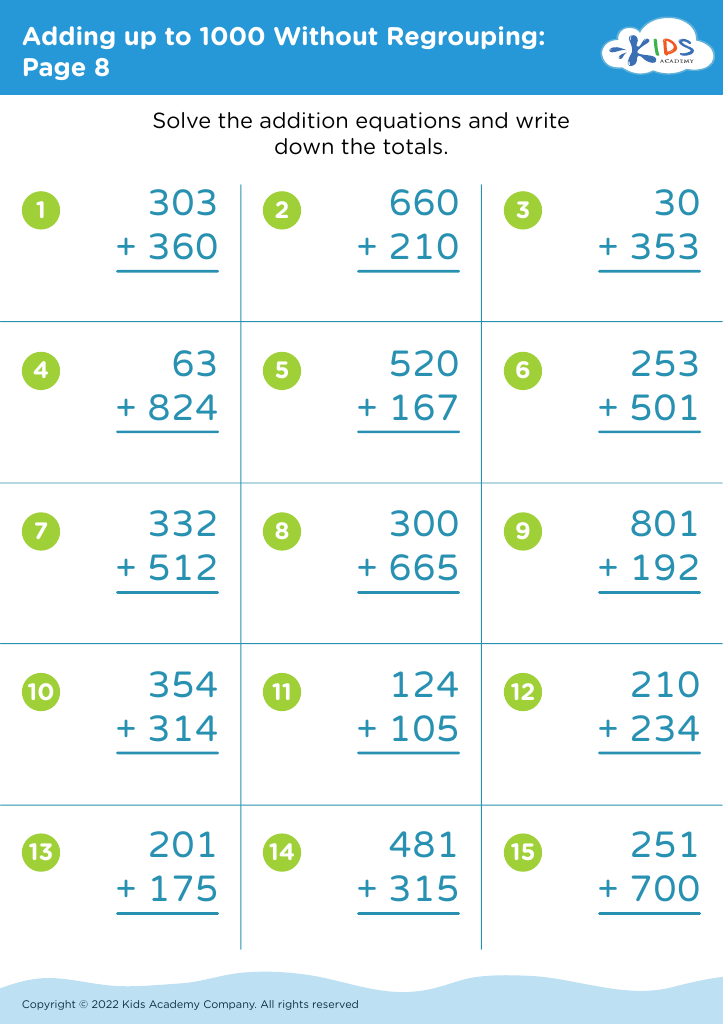
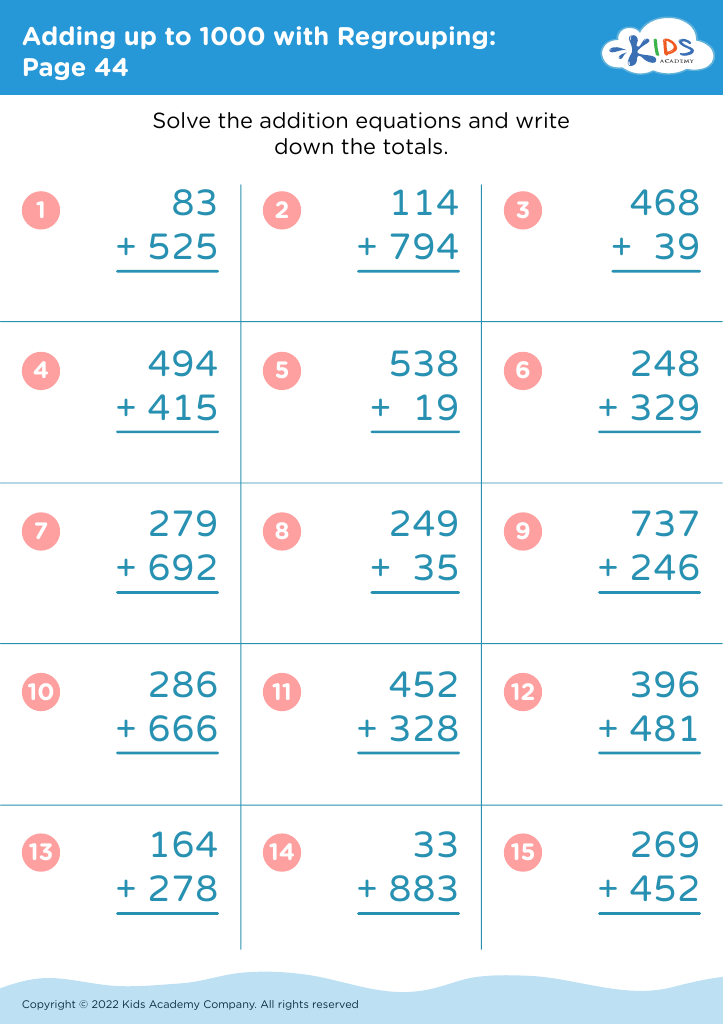








Developing critical thinking skills in mathematics for children aged 4-9 is crucial for several reasons. First, this age group is at a formative stage in their cognitive development. Introducing critical thinking in math during these early years lays a strong foundation for logical reasoning and problem-solving skills that will serve them throughout their educational journey and beyond.
Furthermore, critical thinking in math helps children learn to approach problems systematically. Instead of merely memorizing formulas or procedures, they begin to understand the 'why' behind mathematical concepts. This fosters a deeper comprehension and encourages curiosity, enabling them to tackle diverse challenges both in math and in real-life situations.
Moreover, as today's world becomes increasingly complex, critical thinking is more essential than ever. Children must learn to analyze information, evaluate different strategies, and make informed decisions. This ability develops resilience and confidence when faced with obstacles.
Lastly, engaging in critical thinking activities in early math education promotes creativity. It allows children to explore various methods for arriving at solutions, making math not only more enjoyable but also relevant. For all these reasons, parents and teachers should prioritize fostering a critical thinking approach to math for young learners.








