Developing observation skills Math Worksheets for Ages 4-9
6 filtered results
-
From - To
Enhance your child's learning experience with our "Developing Observation Skills Math Worksheets" designed for ages 4-9. These engaging worksheets focus on honing critical observation skills through colorful visuals and interactive activities that encourage young learners to notice patterns, shapes, and details in math concepts. Perfect for reinforcing classroom lessons or enriching at-home learning, these printables foster analytical thinking, critical for success in mathematics. Our expertly crafted content aligns with early childhood education standards and is ideal for both teachers and parents. Help your child build a solid foundation in math while developing essential observation skills with our fun, easy-to-use resources!
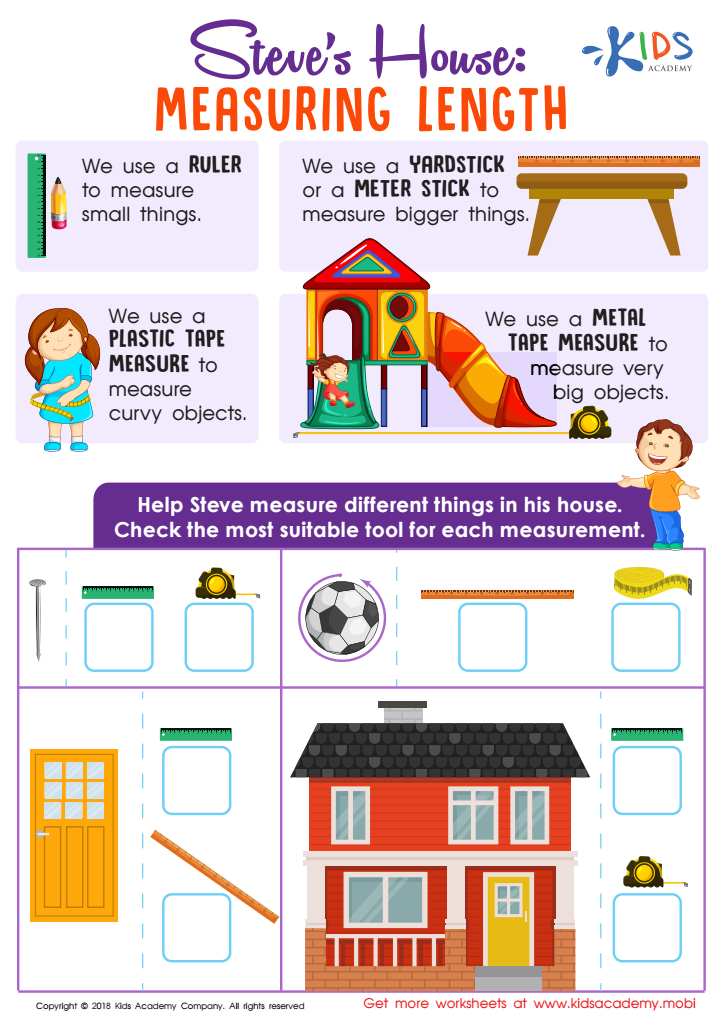
Steve's House: Measuring Length Worksheet
 Assign to My Students
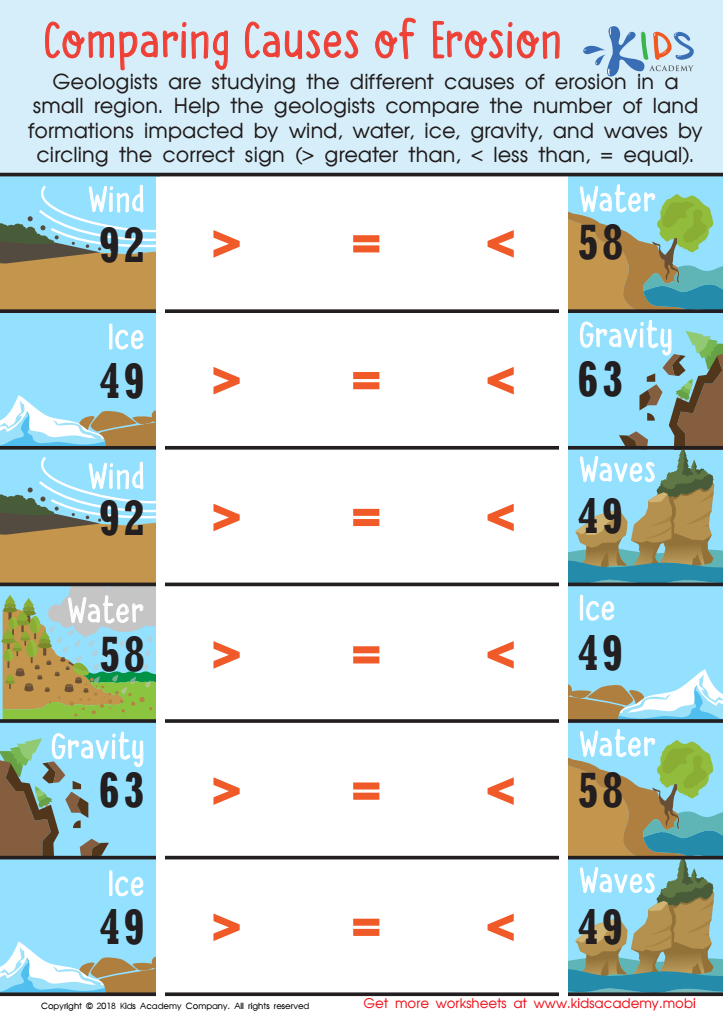
Comparing Causes of Erosion Worksheet
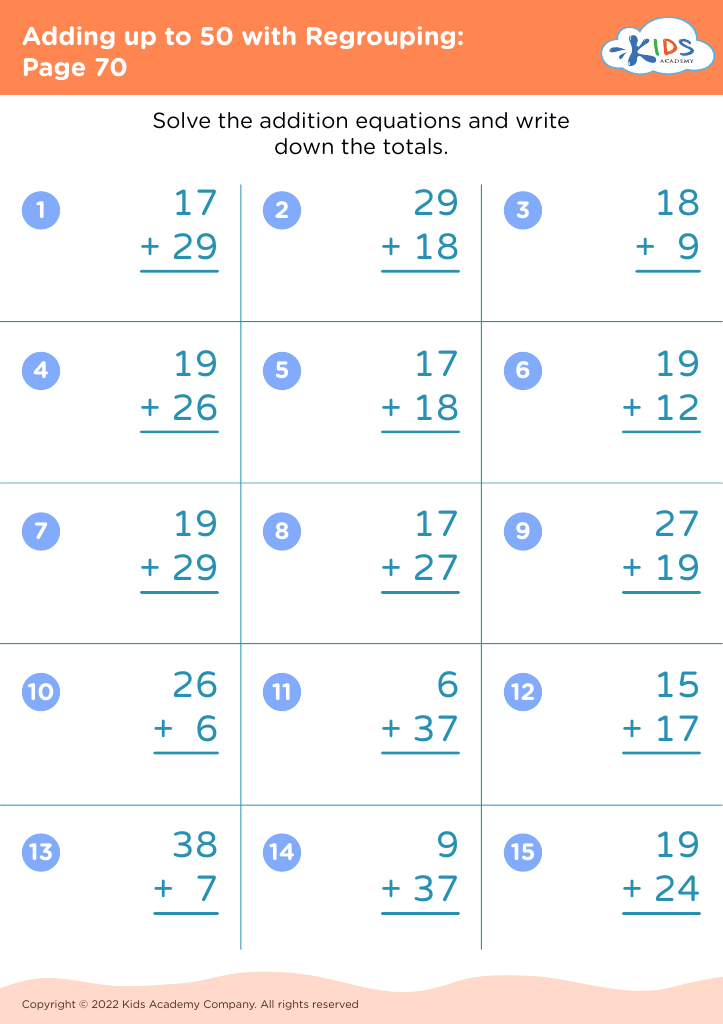
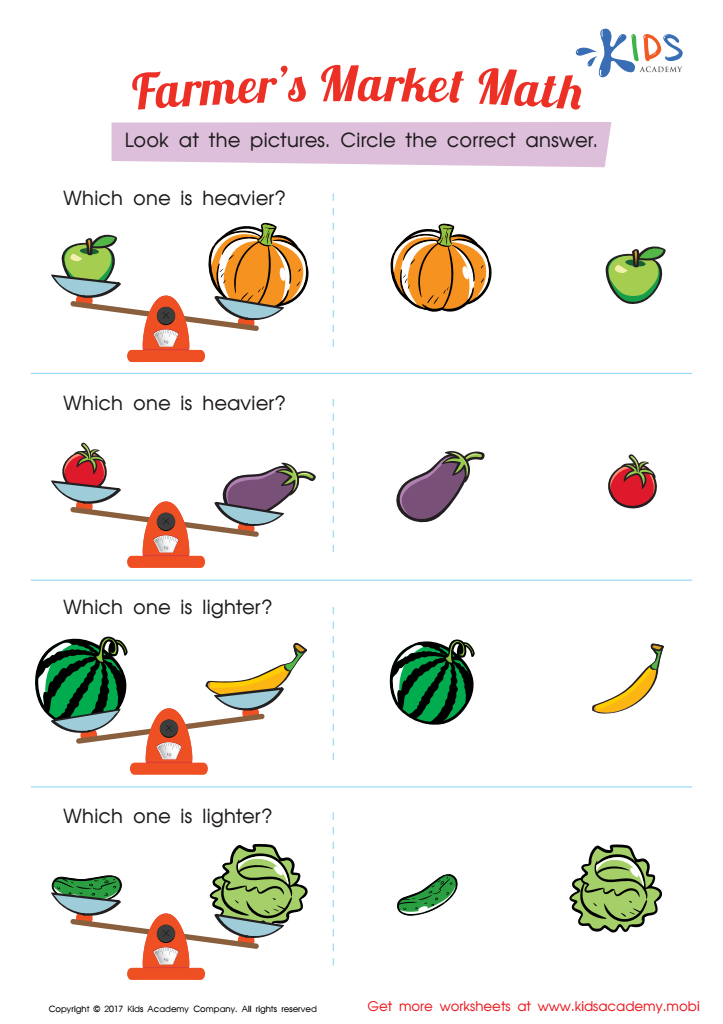
Which One Is Heavier Worksheet
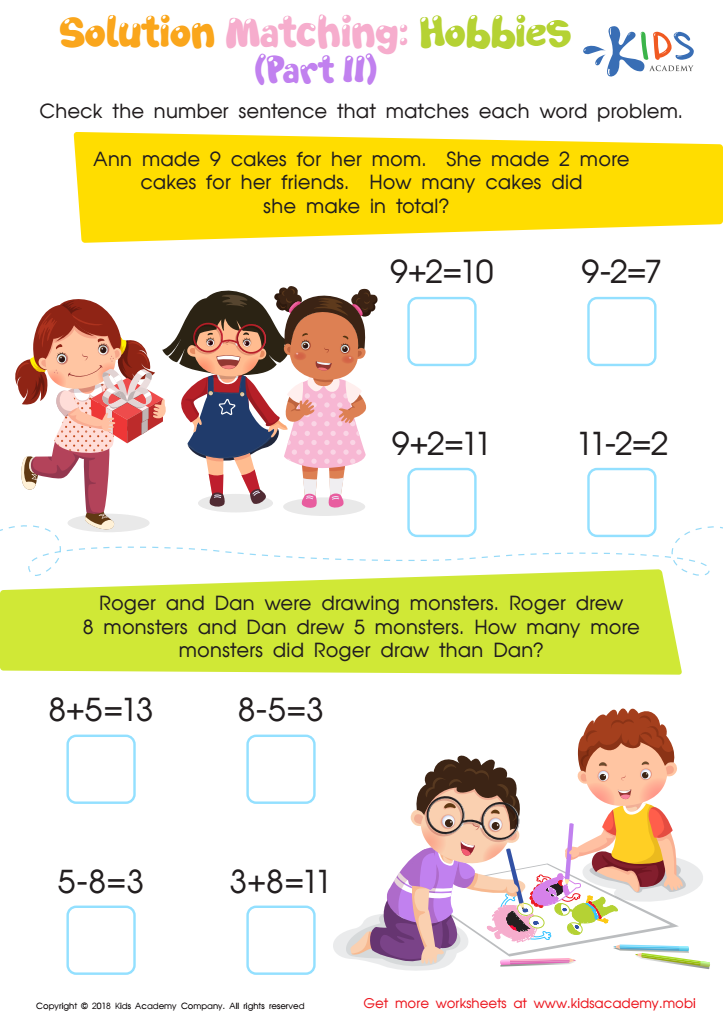
Solution Matching: Hobbies. Part 2 Worksheet
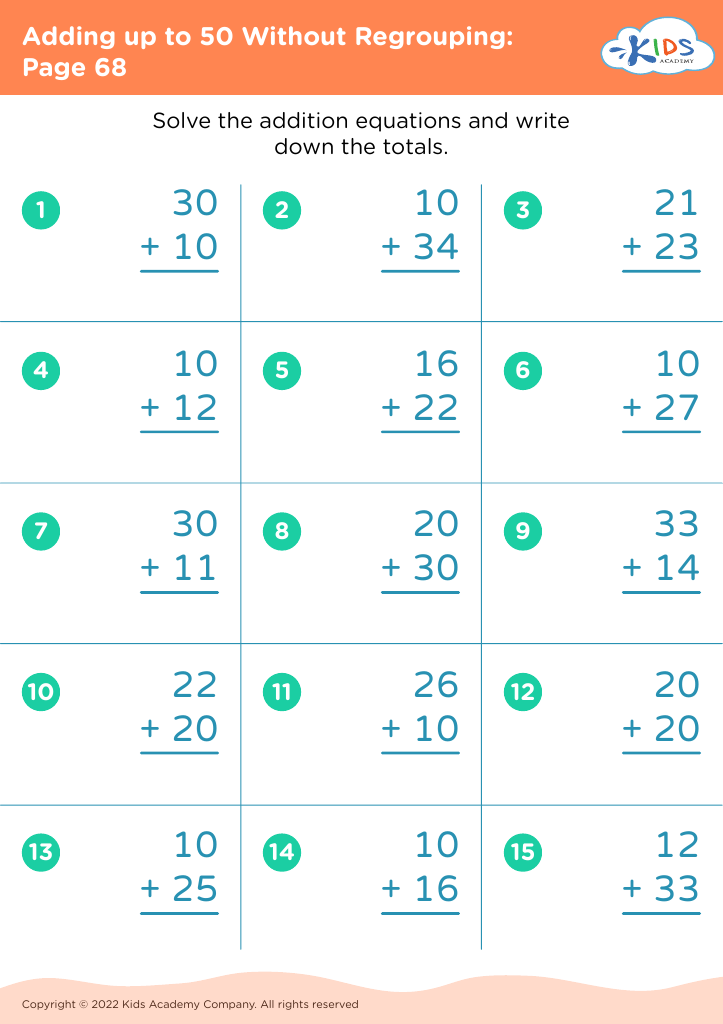






%20(1).jpg)

Developing observation skills in young children, particularly in the context of mathematics for ages 4-9, is crucial for several reasons. Firstly, observation promotes critical thinking and problem-solving abilities. When children learn to observe patterns, shapes, and numbers in their environment, they become adept at identifying relationships and making connections that are foundational to mathematical concepts.
Additionally, strong observation skills foster a sense of curiosity and engagement with their surroundings. This intrinsic motivation is vital for lifelong learning and helps children approach math with a positive mindset. By encouraging children to observe and explore, parents and teachers can make math more relatable and enjoyable, integrating it seamlessly into everyday life.
Moreover, these skills support early literacy in mathematics, facilitating better comprehension of concepts such as counting, addition, and subtraction. Through observation, children learn to recognize numerical relationships and develop spatial awareness.
Finally, cultivating observation skills can help identify any learning challenges a child may face early on, allowing for timely intervention. In summary, honing observation skills in math not only enriches children's learning experiences but also equips them with crucial tools that extend beyond the classroom—fostering critical thought, creativity, and analytical reasoning.








