Enhancing fine motor skills Math Worksheets for Ages 4-9
3 filtered results
-
From - To
Discover our "Enhancing Fine Motor Skills Math Worksheets" designed specifically for children ages 4-9. These engaging worksheets seamlessly integrate fun activities with essential math concepts, fostering both mathematical understanding and fine motor development. Each worksheet encourages children to practice skills like tracing, cutting, and coloring while tackling math challenges tailored to their age group. Our creatively designed exercises make learning enjoyable and interactive, ensuring young learners remain engaged. Perfect for homeschooling or classroom use, these worksheets support early age development in an exciting way. Help your child build a strong foundation in math and motor skills today with our comprehensive resources!
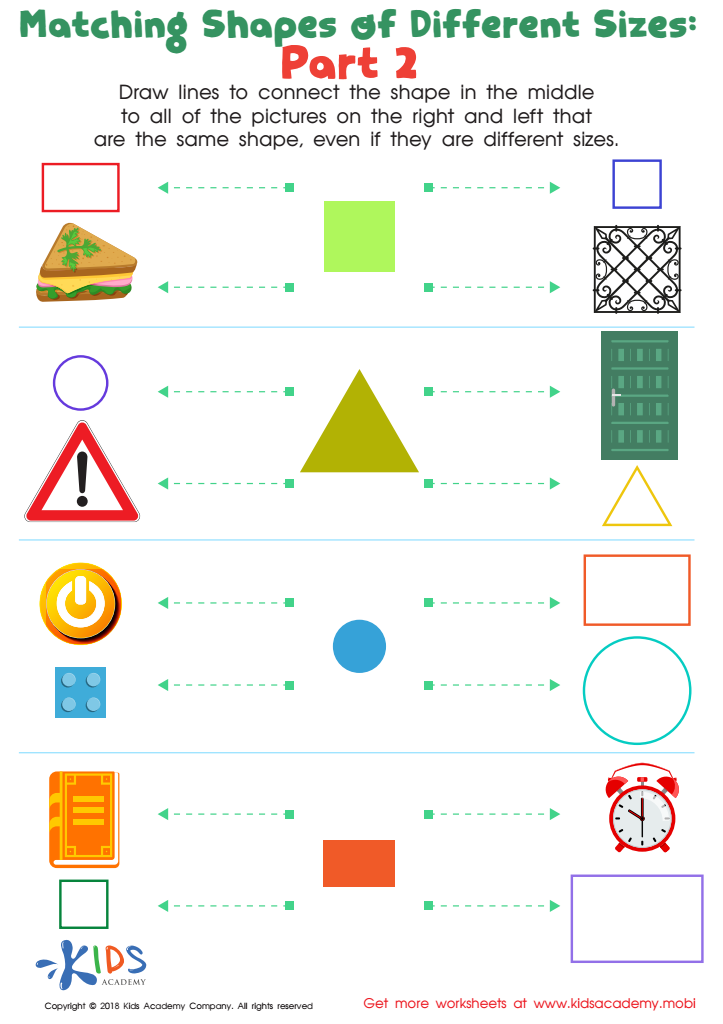
Geometry: Part 2 Worksheet
 Assign to My Students
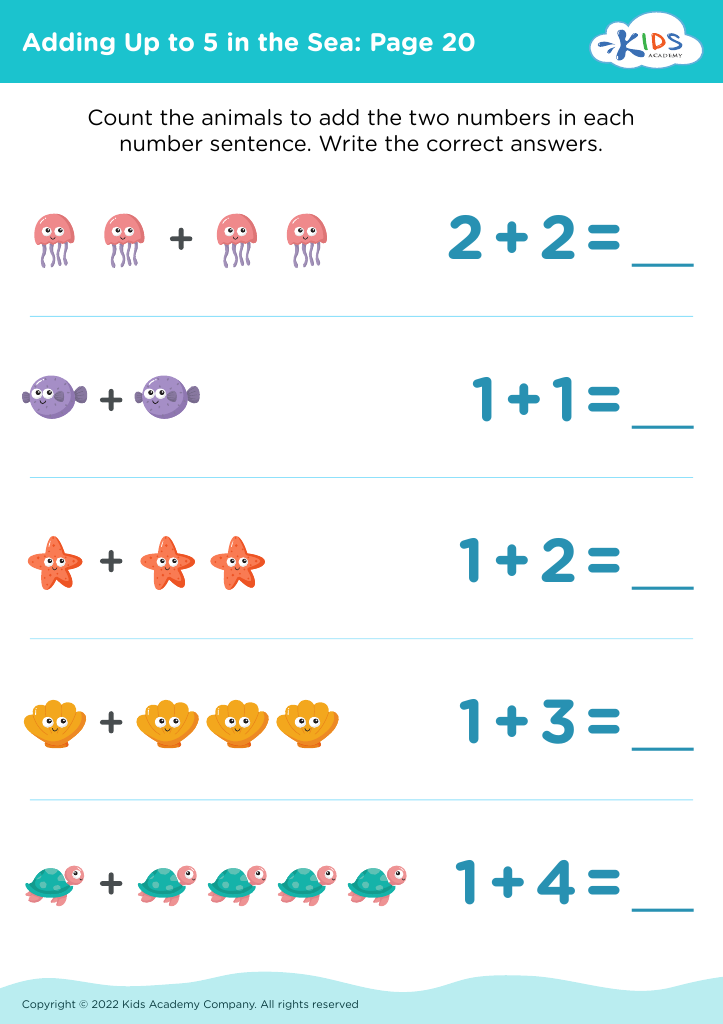
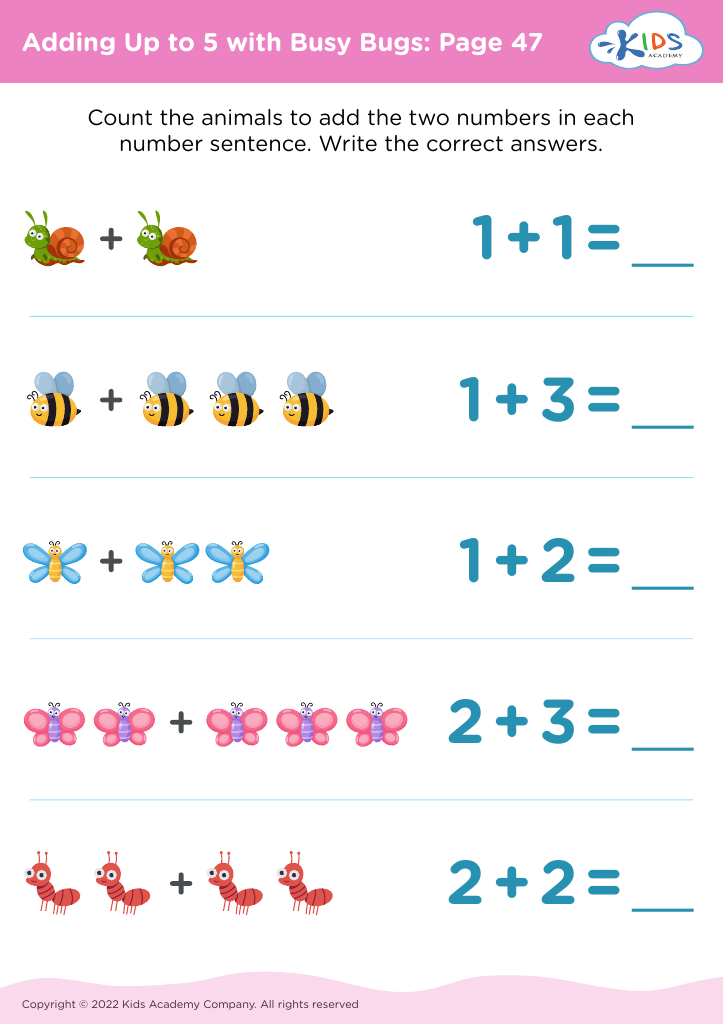








Enhancing fine motor skills in children aged 4-9 is crucial for their overall development, particularly in math. Fine motor skills refer to the ability to use small muscles for tasks like writing, drawing, and manipulating objects. These skills directly influence a child's capability to perform mathematical tasks such as measuring, organizing items, and even counting.
When children engage in activities that strengthen their fine motor skills—like cutting, gluing, or using manipulatives—they gain better control over pencils, which aids in correct number formation and spacing in math. This controlled dexterity is vital for both written mathematics, such as solving equations, and hands-on experiments involving geometry and measurement.
Moreover, enhancing these skills boosts a child’s confidence and fosters a positive attitude toward learning. Parents and teachers can incorporate engaging activities like games, arts and crafts, and practical problem-solving scenarios that promote fine motor engagement and simultaneously make learning math fun.
In summary, prioritizing the enhancement of fine motor skills is essential for effective math learning and confidence. Children who develop these skills early will be better equipped to tackle more complex mathematical concepts as they progress in their education.








