Enhancing observation skills Math Worksheets for Ages 4-9
10 filtered results
-
From - To
Unlock your child's potential with our "Enhancing Observation Skills Math Worksheets" designed for ages 4-9. These engaging worksheets foster critical thinking and boost observational skills through fun, interactive activities. Children will learn to notice patterns, compare quantities, and identify shapes, all while developing their mathematical understanding. Perfect for home or classroom use, our resources encourage hands-on learning and curiosity. Each worksheet is tailored to keep young learners motivated and excited about math. Explore our collection today and watch your child grow in confidence and competence as they sharpen their observation skills in a delightful, educational way. Start the learning journey now!
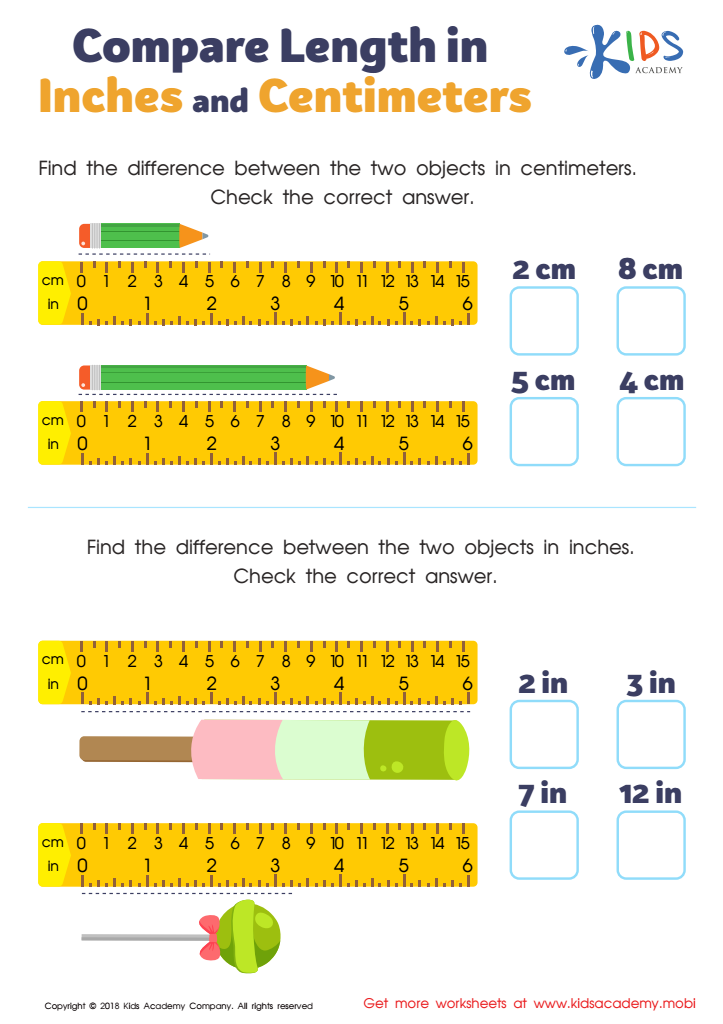
Compare Length in Inches and Centimeters Worksheet
 Assign to My Students
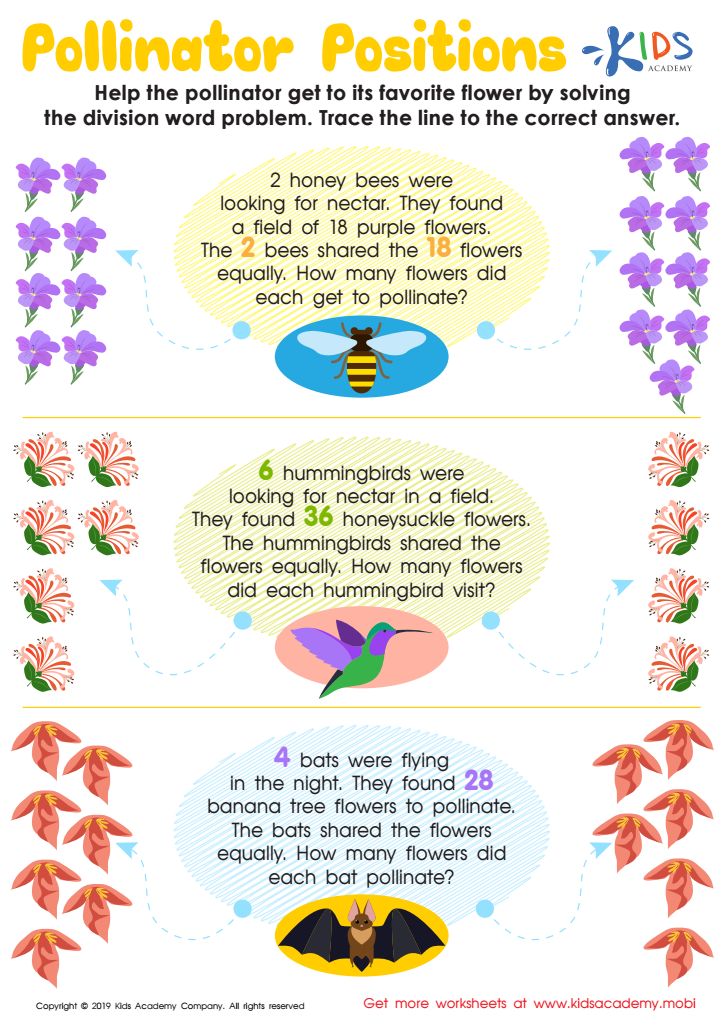
Pollinator Positions Worksheet
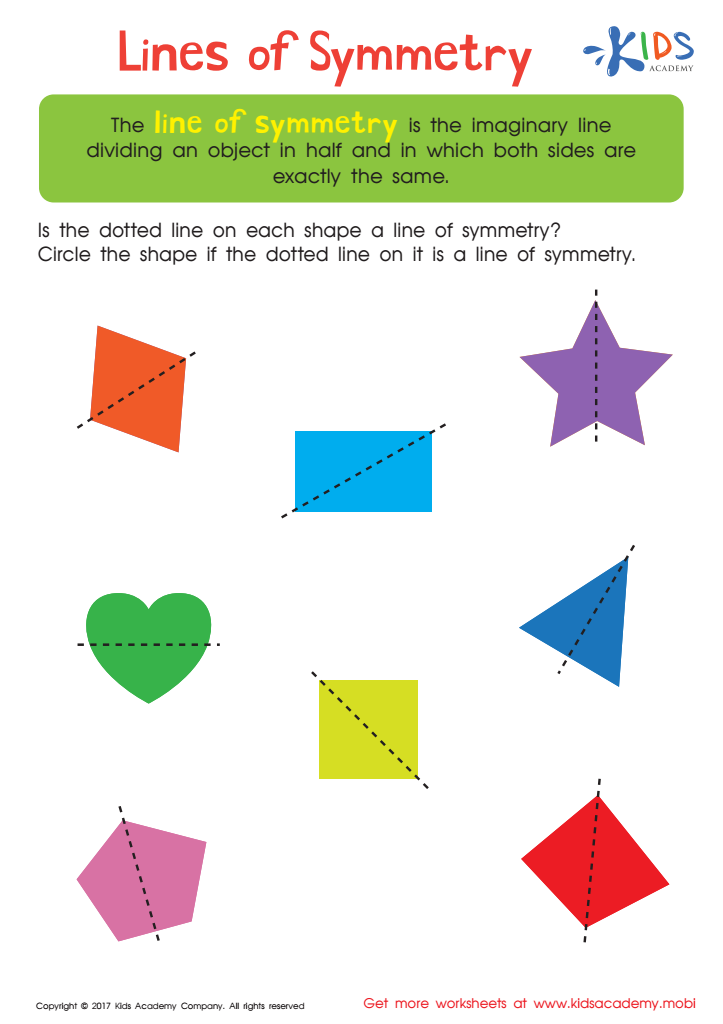
Lines of Symmetry Printable
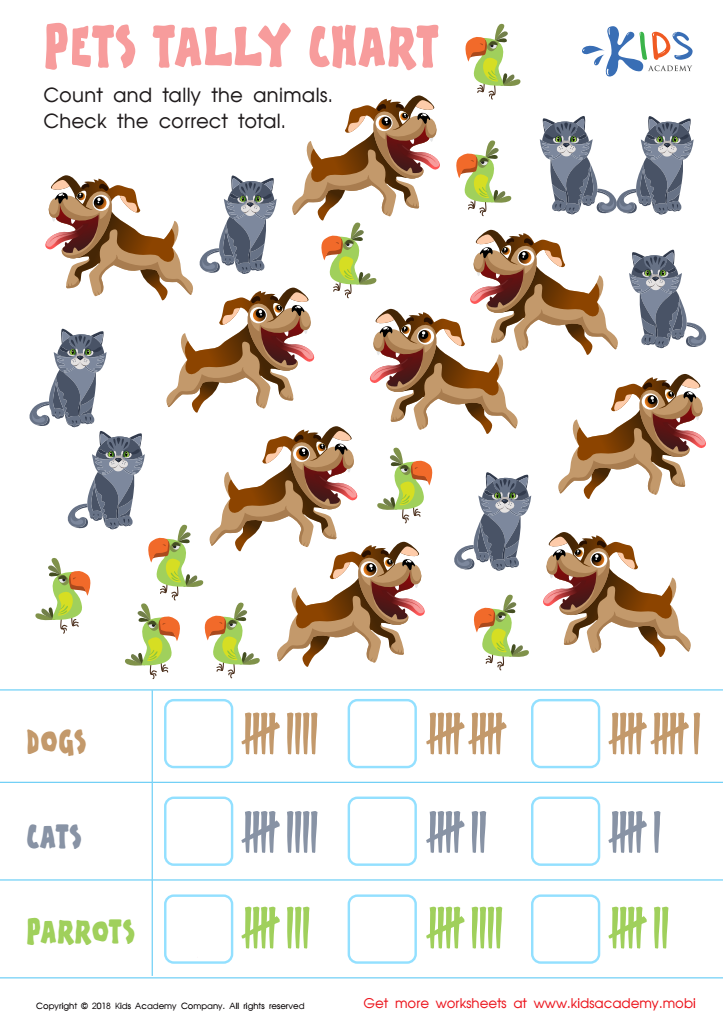
Pets Tally Chart Worksheet
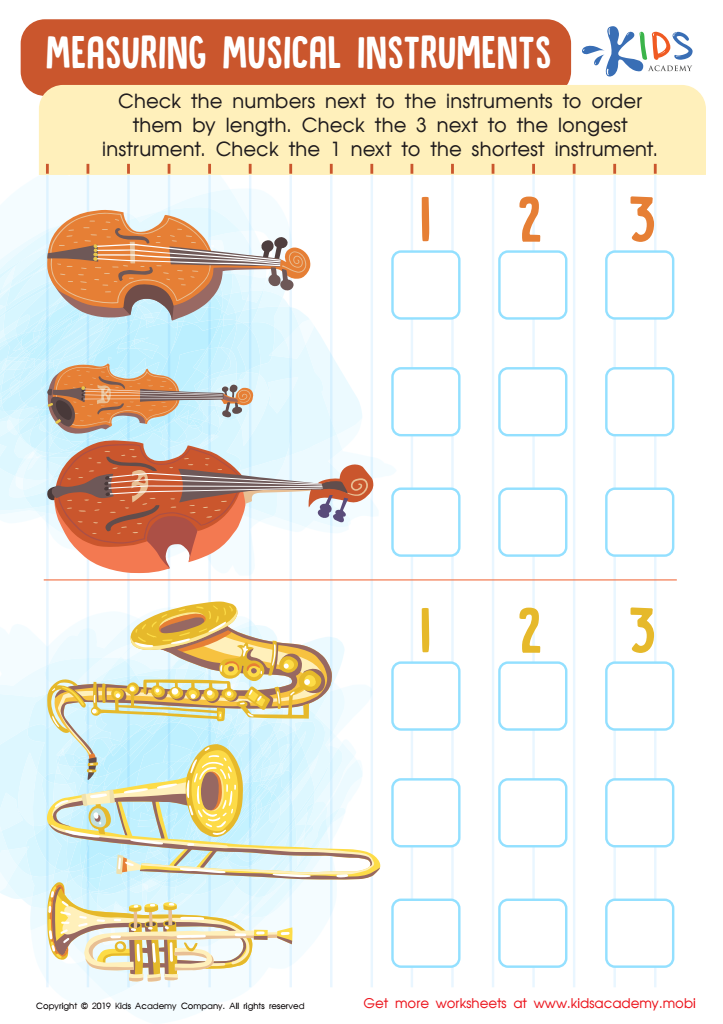
Measuring Musical Instruments Worksheet
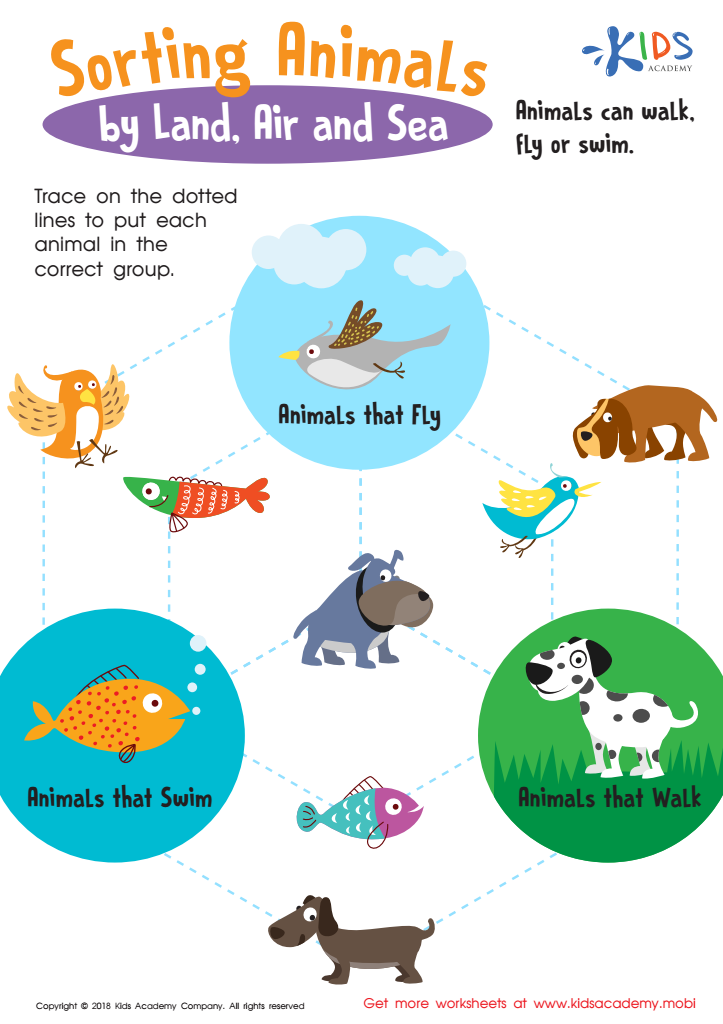
Sorting Animals by Land, Air and Sea Worksheet
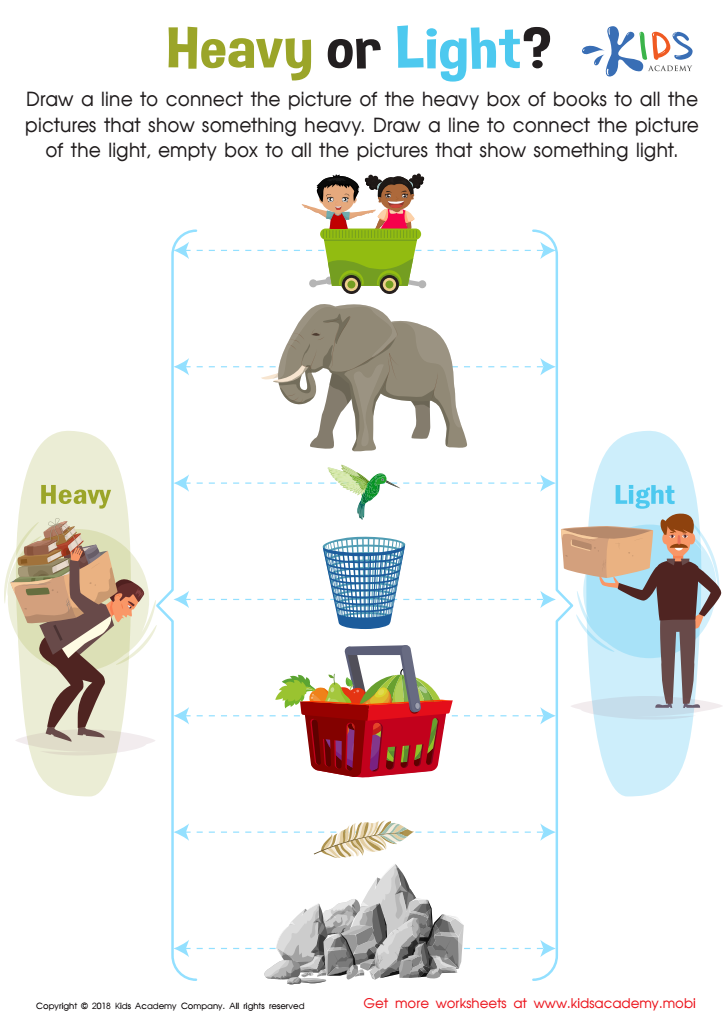
Heavy or Light? Worksheet








Enhancing observation skills in children aged 4-9 is crucial for their mathematical development and overall cognitive growth. At this age, children are naturally curious and learning through exploration. By honing their observation skills, they become adept at noticing patterns, shapes, and quantities in their environment, which are foundational concepts in math.
Teachers and parents should care about this enhancement because observation is often the first step in problem-solving and critical thinking. When children learn to observe, they engage in deeper analysis, helping them to understand mathematical concepts like addition, subtraction, and even early geometry. Observational skills also promote a sense of wonder and interest in numbers, making math enjoyable and relatable to everyday life.
Moreover, these skills encourage social interaction as children share their observations with peers, fostering collaboration and communication—key competencies for future learning. As they articulate their findings, they also develop language skills, further solidifying their learning.
Lastly, strengthening observation skills early can set a positive foundation for academic success, modeling confidence and curiosity that serves children well throughout their educational journey. Investing time in these skills now cultivates lifelong learners who are equipped to tackle more complex mathematical challenges later on.








