Fine motor skills (drawing) Math Worksheets for Ages 4-9
6 filtered results
-
From - To
Enhance your child's mathematical journey with our Fine Motor Skills (Drawing) Math Worksheets, tailored for ages 4-9. These engaging worksheets are designed to develop both fine motor skills and math understanding through fun, educational drawing activities. By integrating drawing with math problems, children improve their dexterity, hand-eye coordination, and math skills simultaneously. Perfect for young learners, these worksheets offer a delightful way to practice number tracing, geometric shapes, and patterns. Ideal for classroom use or at-home learning, our worksheets make math enjoyable and accessible, laying a strong foundation for future academic success.
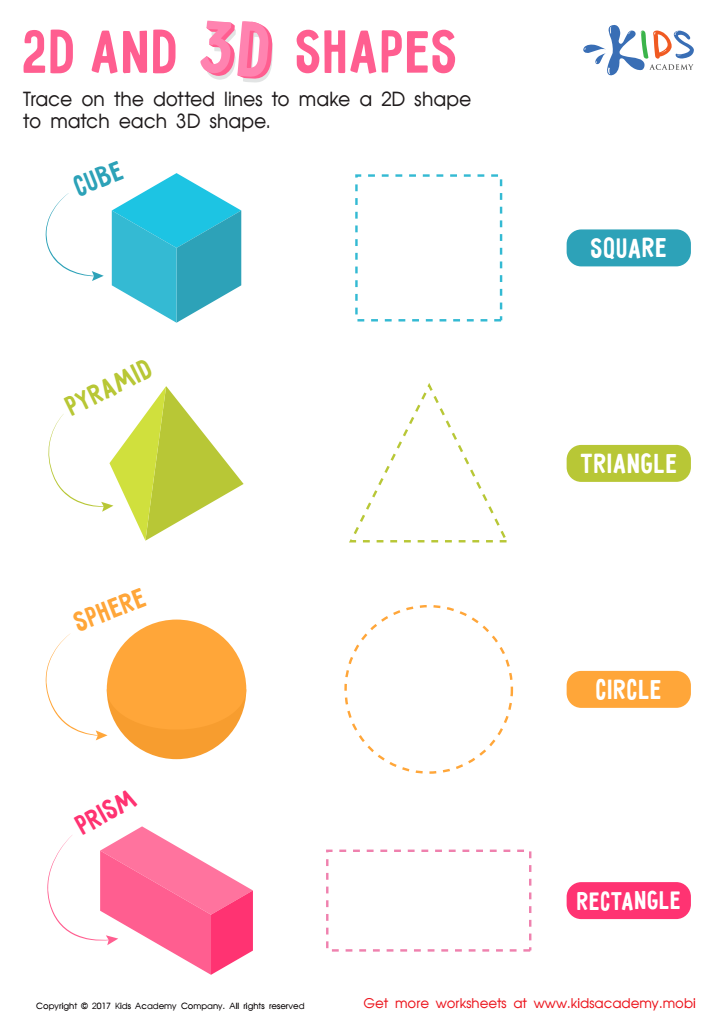
2D and 3D Shapes Worksheet
 Assign to My Students

Make it Even: St. Valentine's Day Worksheet
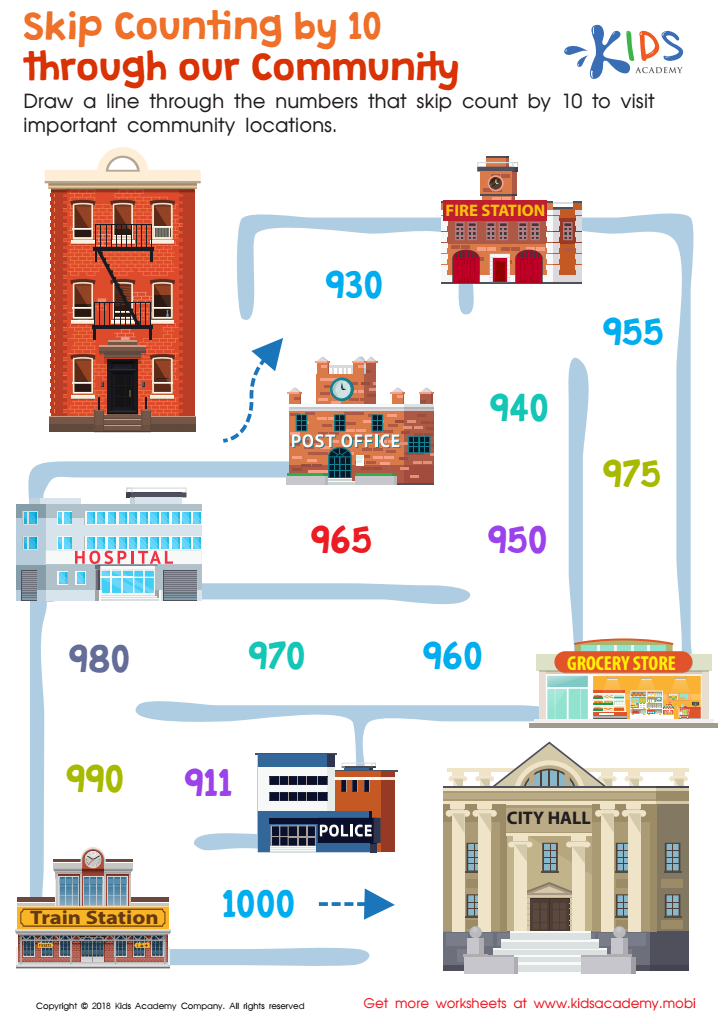
Skip Counting by 10 Through Our Community Worksheet
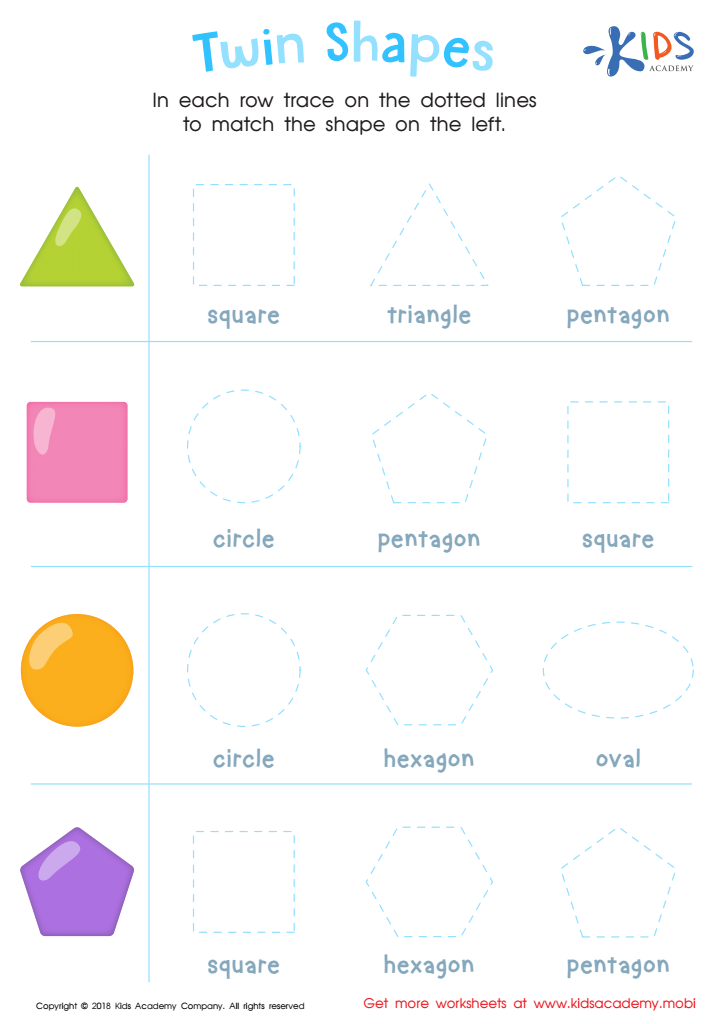
Twin Shapes Dot-to-Dot Worksheet
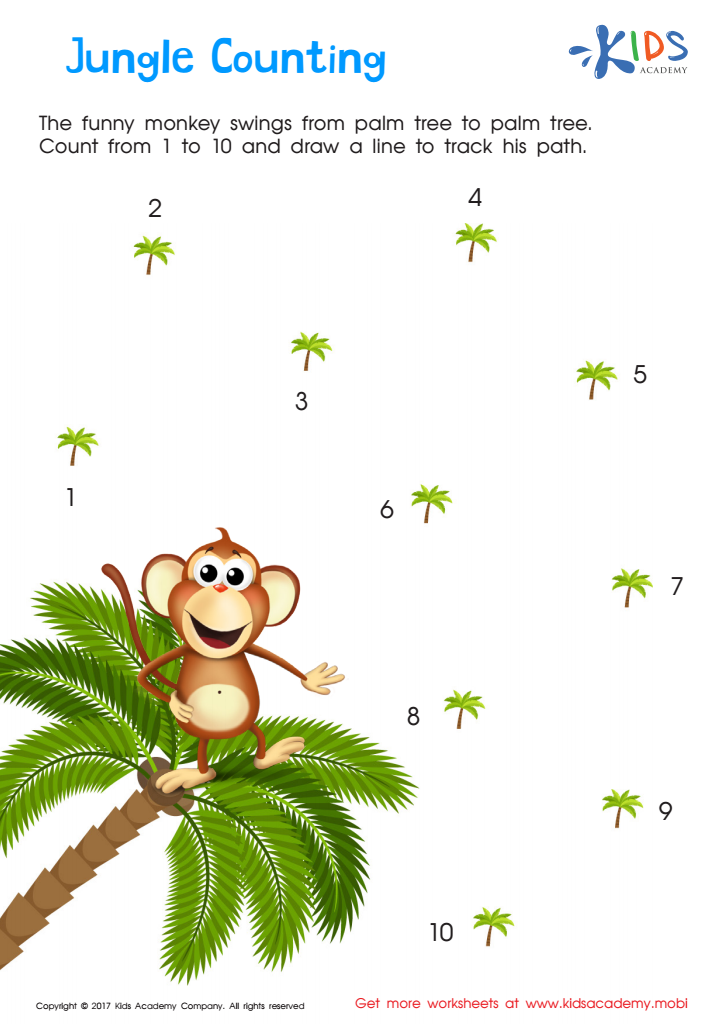
Jungle Counting Connect Dots Worksheet
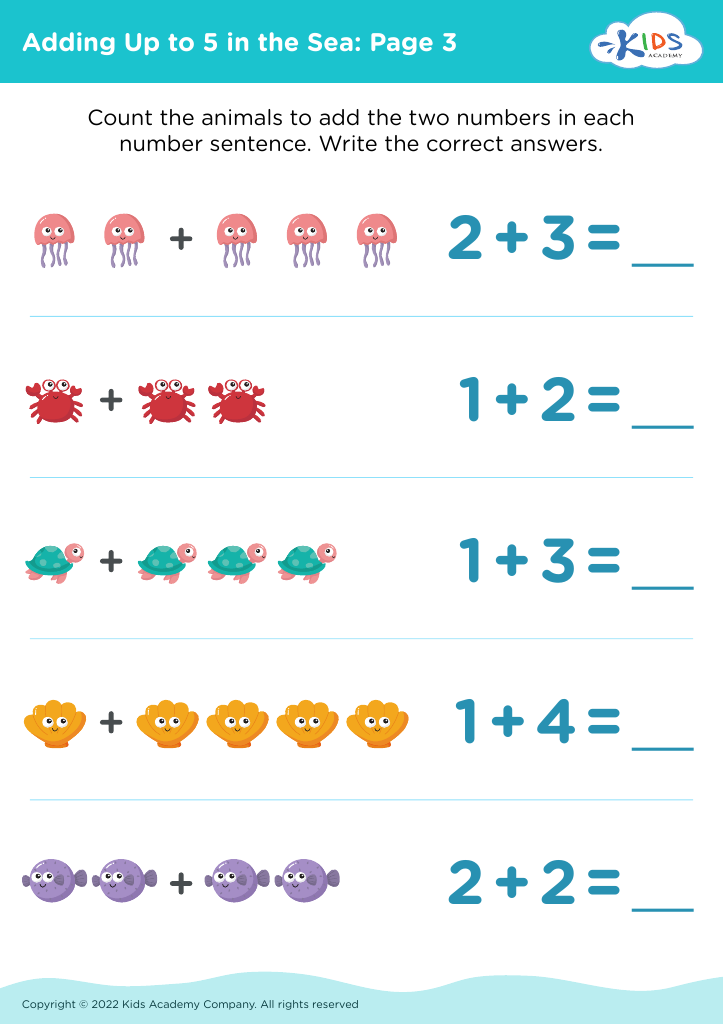








Fine motor skills, especially those developed through activities like drawing, are crucial for children aged 4-9, and both parents and teachers should prioritize them alongside math education. Fine motor skills involve the coordination of small muscles, particularly in the hands and fingers, which are essential for performing everyday tasks such as writing, buttoning, and using utensils. By engaging children in drawing, they naturally refine these skills, which form the foundation for more complex tasks as they grow.
Furthermore, math education during these formative years is equally critical. Math is not just about numbers; it encompasses problem-solving, logical reasoning, and the ability to think abstractly. Developing a strong mathematical foundation during early childhood sets the stage for more advanced learning and academic success in later years. Drawing can also aid in mathematical learning by helping children understand concepts like shapes, sizes, patterns, and proportions, which are fundamental in both art and math.
When parents and teachers emphasize both fine motor skills and math learning, they support well-rounded development. Children gain the dexterity needed for academic tasks and the critical thinking skills that underpin all areas of learning, paving the way for confident, capable, and curious learners. By integrating activities like drawing into math lessons, children can enjoy a more engaging and holistic educational experience.








