Fraction simplification Math Worksheets for Ages 4-9 - Page 3
58 filtered results
-
From - To
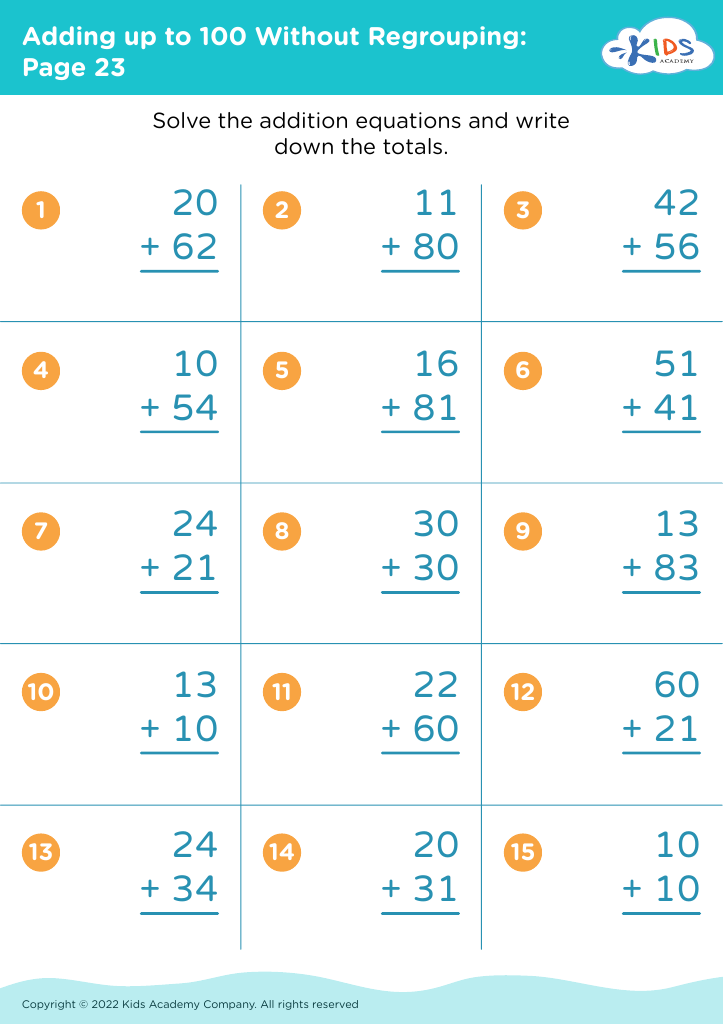
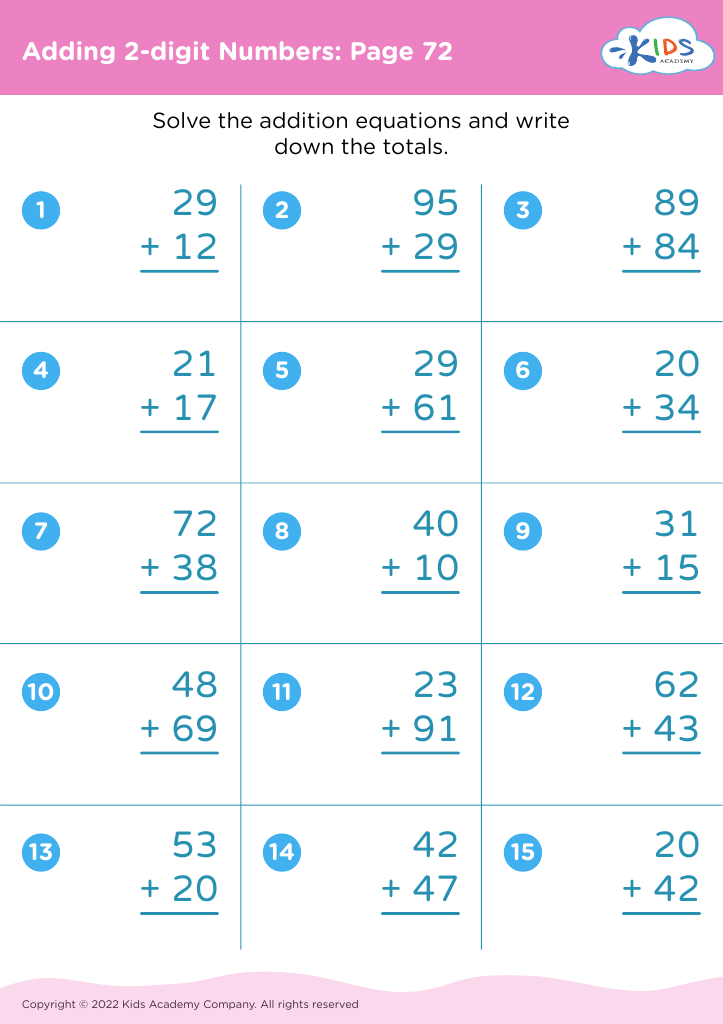
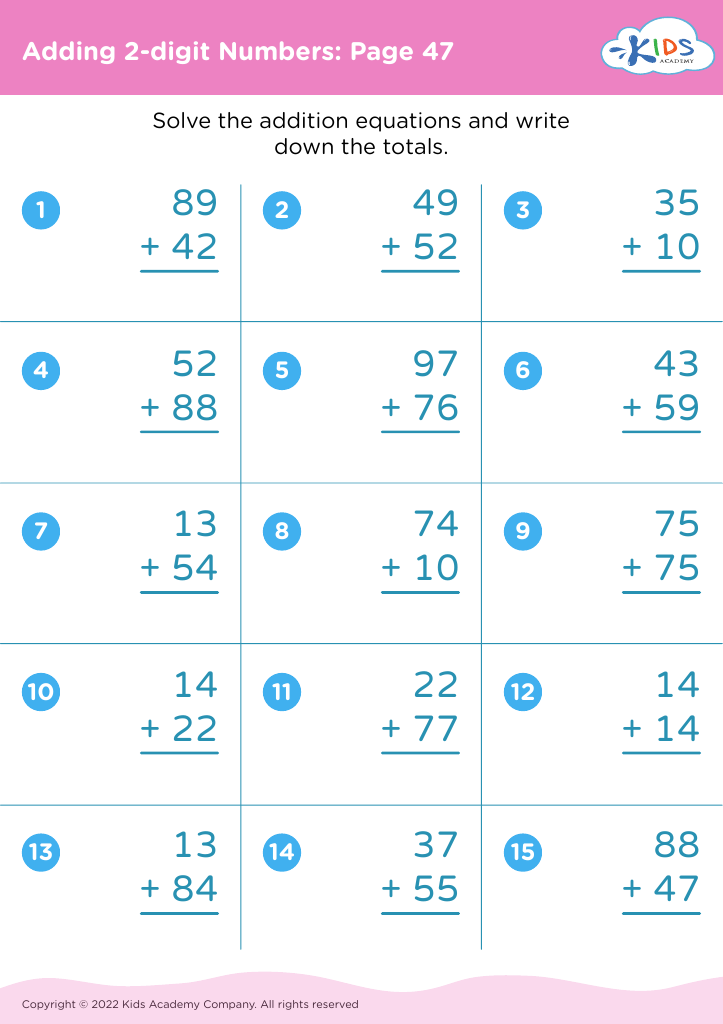
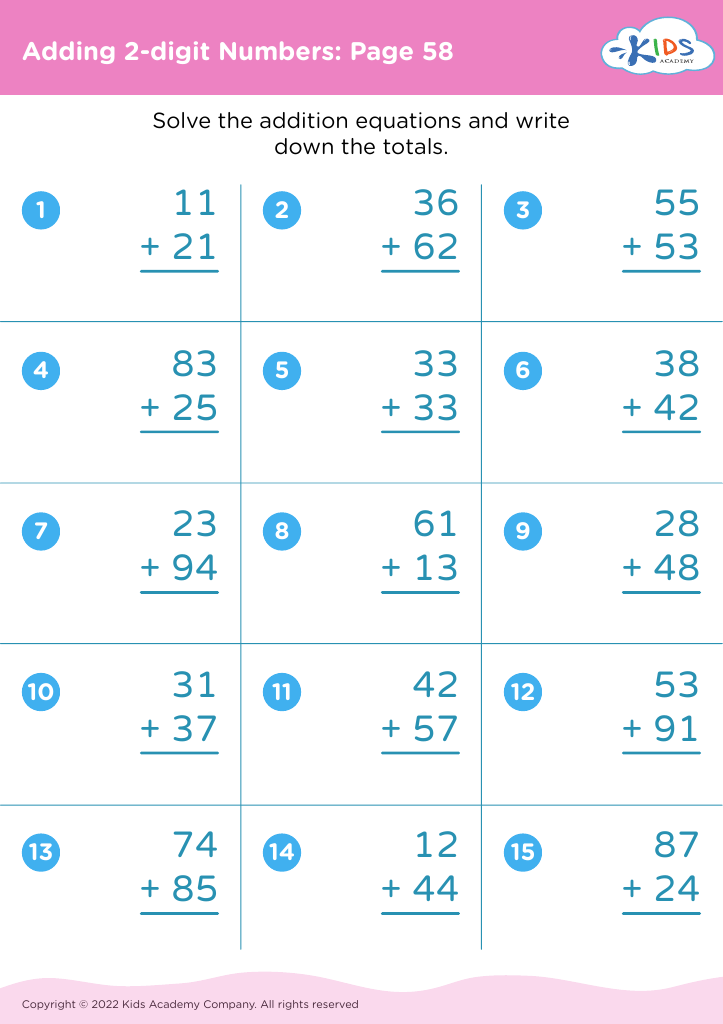








Understanding fraction simplification is essential for children aged 4-9, as it lays a foundational skill for future math learning. At this developmental stage, children start to grasp basic math concepts, and introducing fractions can enhance their number sense. Simplifying fractions helps clarify how parts relate to a whole, which is crucial not only in math but in real-life situations, such as cooking or sharing.
Parents and teachers should prioritize fraction simplification because it promotes critical thinking and problem-solving skills. When children learn to simplify fractions, they practice mental math, gain confidence, and develop a deeper understanding of numerical relationships. This foundational skill helps them tackle more complex concepts later, such as ratio and proportion and algebra.
Furthermore, engaging with fraction simplification can make math enjoyable through games and hands-on activities, fostering a positive attitude towards the subject. Children who understand fractions are better equipped to navigate everyday situations such as dividing snacks or measuring ingredients, promoting practical learning. Additionally, nurturing these skills early creates lifelong learners who appreciate mathematics as a valuable tool, ensuring they’re not intimidated by it as they progress through school. Thus, focusing on algorithmic thinking and simplification at a young age is crucial for a child's mathematical journey.








