Learning number patterns Math Worksheets for Ages 4-9
4 filtered results
-
From - To
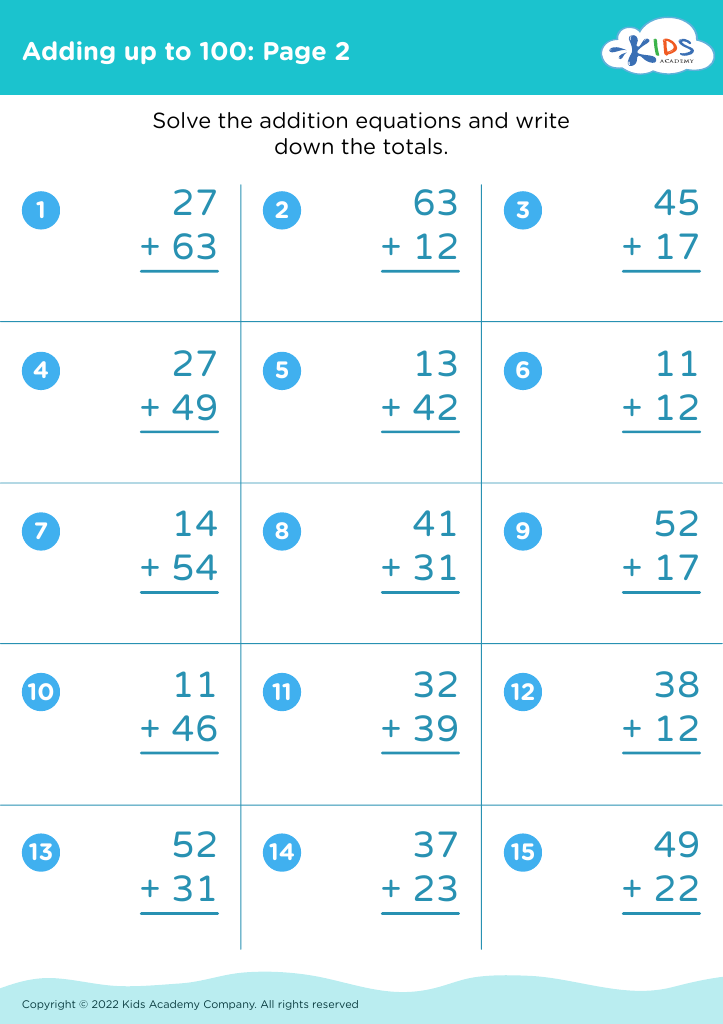
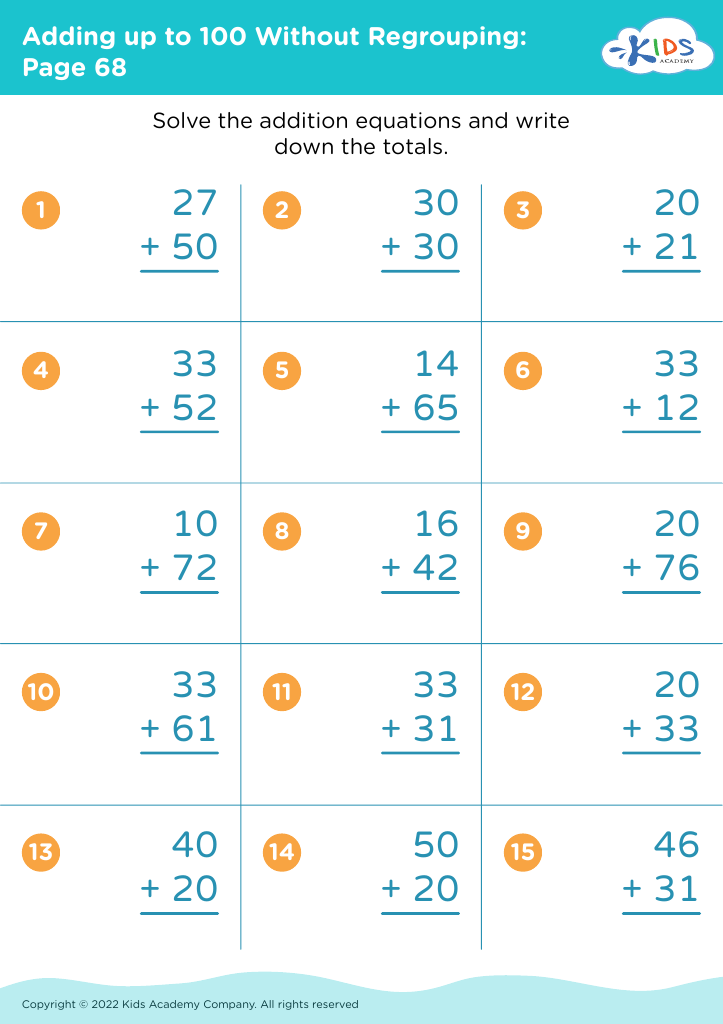
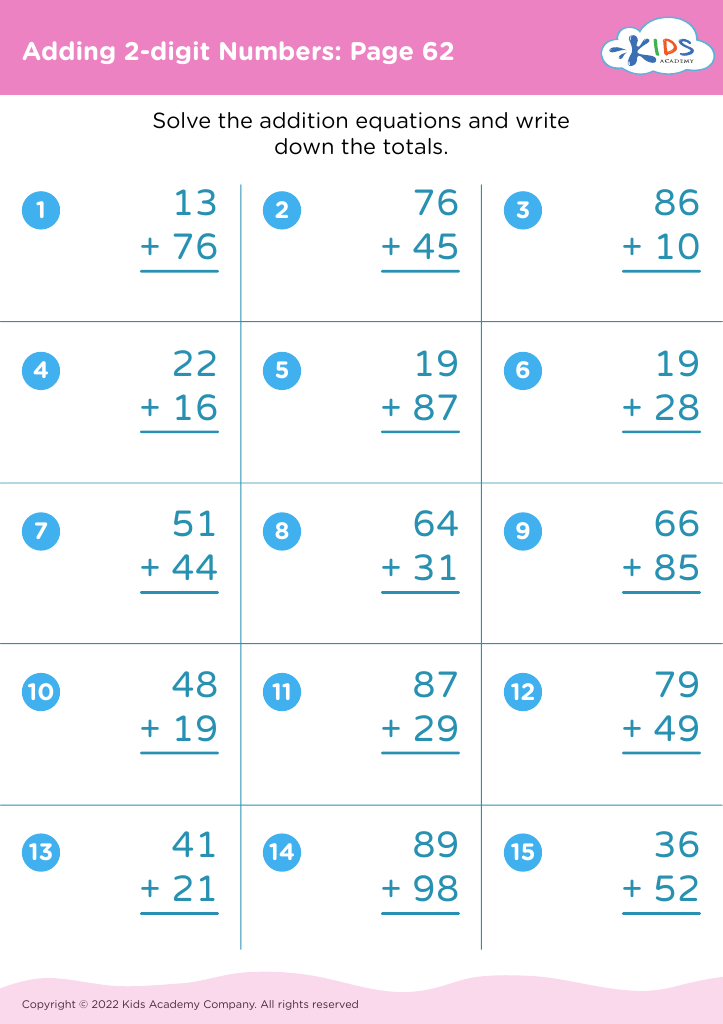
Explore our engaging "Learning Number Patterns Math Worksheets" tailored for children aged 4-9. These worksheets help young learners develop essential skills by recognizing, completing, and creating number patterns in fun and interactive ways. Designed by educational experts, our resources cater to various learning styles, ensuring every child can grasp key mathematical concepts with ease. From simple sequences to more complex arrangements, the activities foster critical thinking, problem-solving, and number fluency. Perfect for home or classroom use, these worksheets make learning enjoyable and effective. Encourage a strong mathematical foundation today with our delightful number pattern resources!
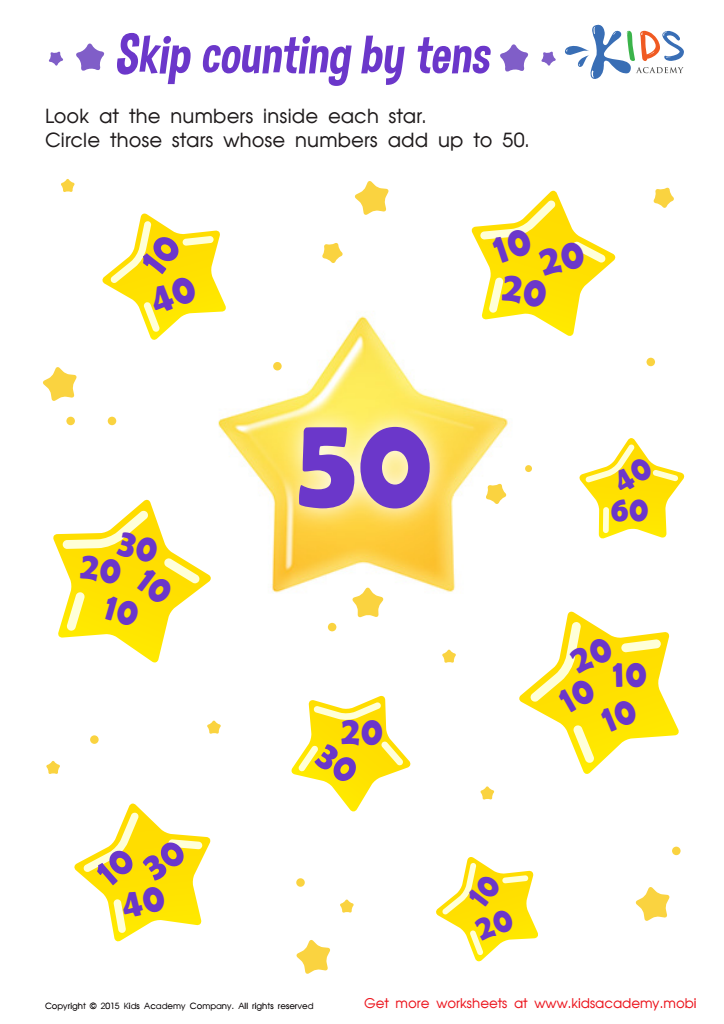
Learn Dozens: Skip Counting by Tens Printable
 Assign to My Students








Learning number patterns is essential for children aged 4-9, serving as the foundation for their mathematical understanding and critical thinking skills. Parents and teachers should prioritize this skill development because number patterns help children recognize and predict relationships between numbers, which is vital for more complex math concepts later on, such as addition, subtraction, multiplication, and division.
Engaging with number patterns fosters logical reasoning, enhances problem-solving abilities, and nurtures cognitive development. Recognizing patterns also strengthens a child's ability to make connections between various mathematical concepts and real-world situations, enriching their overall learning experience.
Furthermore, learning number patterns promotes enthusiasm and confidence in math. This early exposure allows children to explore math in a fun, interactive way, reducing anxiety over numbers as they progress to higher learning stages. Parents and teachers play a crucial role in facilitating this experience; reinforcing number-exploration at home and in the classroom helps to create a solid math foundation.
Overall, a focus on number patterns not only supports academic success in mathematics but also equips children with essential life skills, fostering a mindset of curiosity and persistence that benefits them beyond the classroom.








