Practicing division Math Worksheets for Ages 4-9
3 filtered results
-
From - To
Elevate your child's math skills with our Practicing Division Math Worksheets, designed specifically for ages 4-9. Our engaging and educational worksheets make learning division fun and exciting. Through a variety of exercises, kids gradually master basic to advanced division concepts, all while enhancing their problem-solving abilities. Perfect for classroom practice or at-home learning, these printable worksheets are a valuable resource for fostering confidence in young learners. From simple divisions to multi-step problems, give your child the tools they need to succeed in math. Explore our collection today and make division easy and enjoyable!
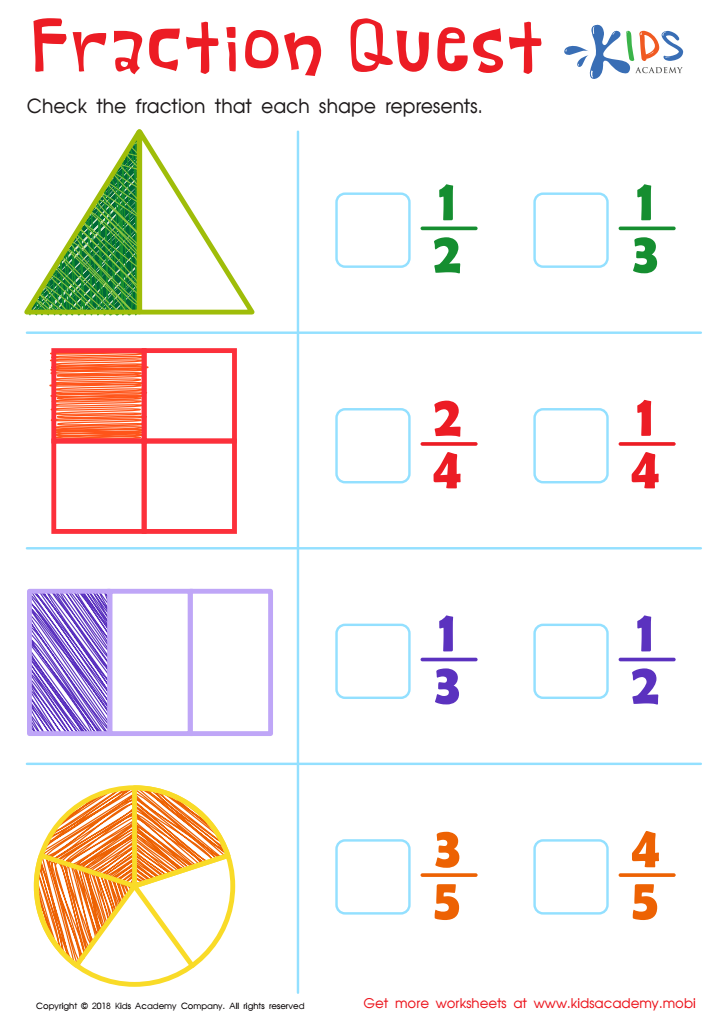
Fraction Quest Worksheet
 Assign to My Students
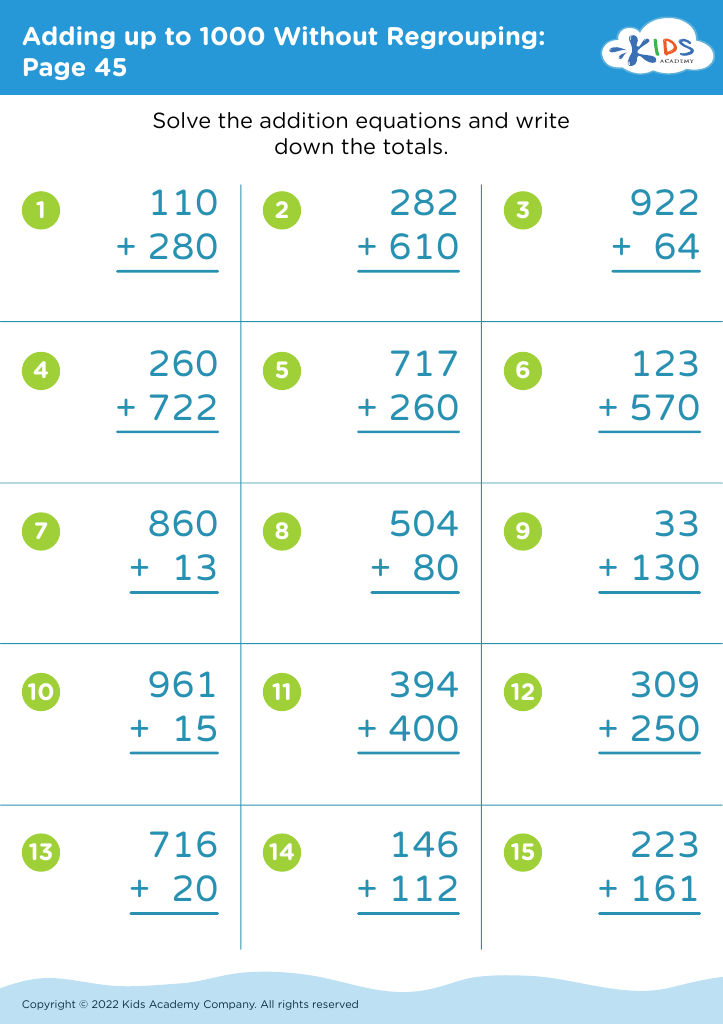
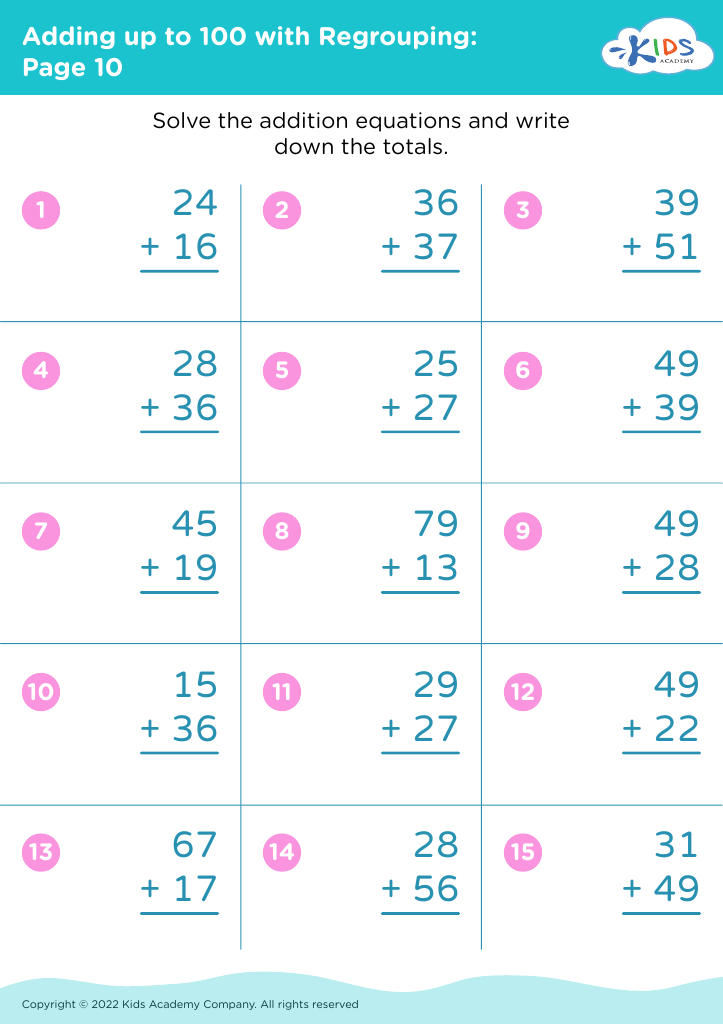






Division might seem like an advanced topic for children aged 4-9, but foundational division concepts are essential for their mathematical development. Introducing these ideas early fosters a robust understanding of how numbers work and interact. For parents and teachers, encouraging the practice of division during these formative years is crucial for several reasons.
First, it nurtures problem-solving skills. Young children naturally encounter division daily, like distributing toys among friends or sharing snacks evenly. When they grasp division concepts, they enhance their logic and reasoning abilities. Second, a strong foundation in division boosts confidence in math. Teachers often find that kids who are comfortable with fundamental division are less intimidated by more complex problems later on.
Third, early exposure to division aids in the development of number sense—a vital skill where children understand, relate, and explore numbers flexibly. Number sense helps children adapt to various mathematical scenarios, including advanced operations.
Lastly, learning division at an early age aligns with the ongoing mathematical curriculum, ensuring children are well-prepared as they advance through their education. Whether through games, storytelling, or practical activities, making division a regular part of kids’ learning routine fuels a lifelong appreciation and competence in math.








