Understanding number patterns Math Worksheets for Ages 4-9
6 filtered results
-
From - To
Unlock the world of math with our "Understanding Number Patterns" worksheets designed for children aged 4-9! These engaging and colorful worksheets introduce young learners to various number patterns through fun activities and exercises. Kids will explore sequences, identify patterns, and strengthen their problem-solving skills while building a strong mathematical foundation. Perfect for classroom use or at-home learning, these resources are aligned with educational standards to ensure your child receives quality instruction. Help your child gain confidence in their math abilities while fostering a love for learning through captivating visual aids. Start your math journey today and watch your child excel!
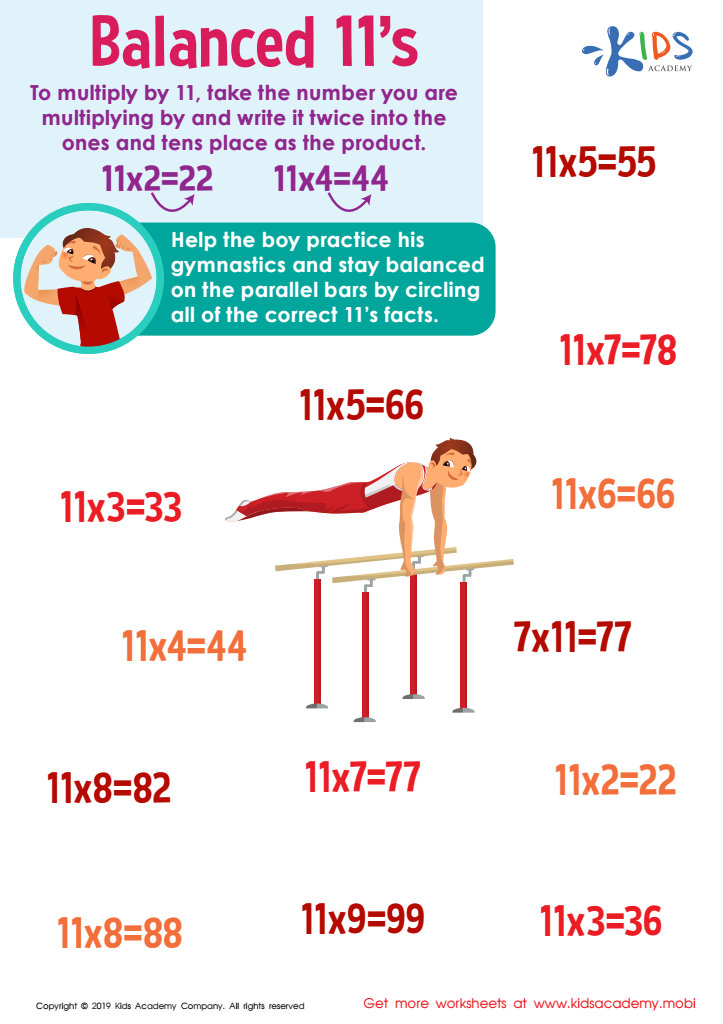
Balanced 11s Worksheet
 Assign to My Students
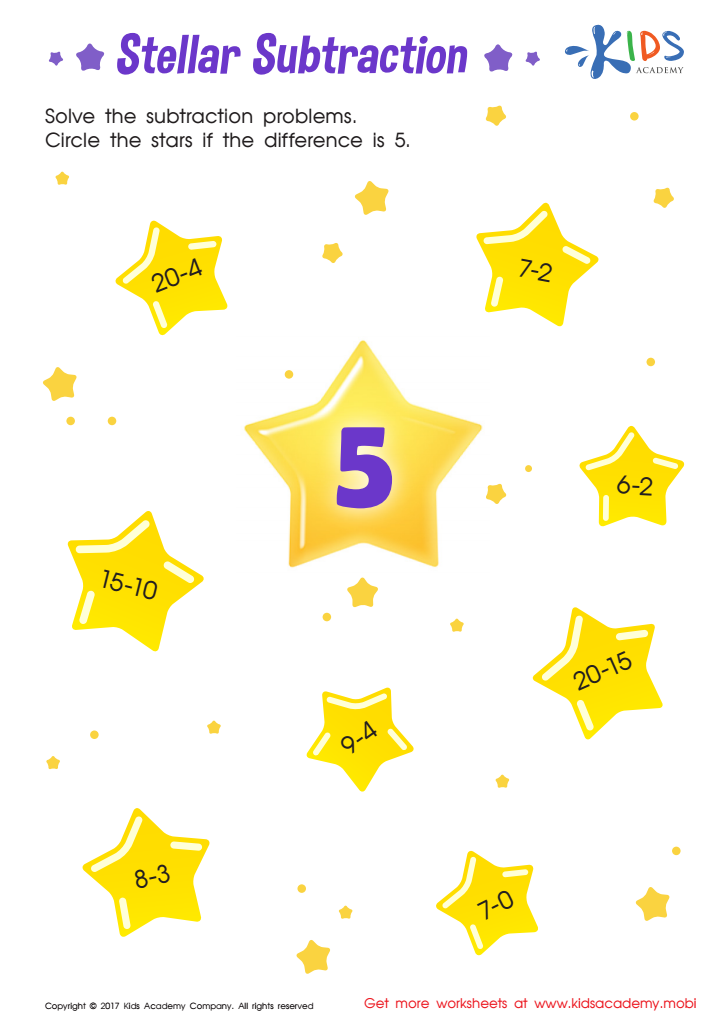
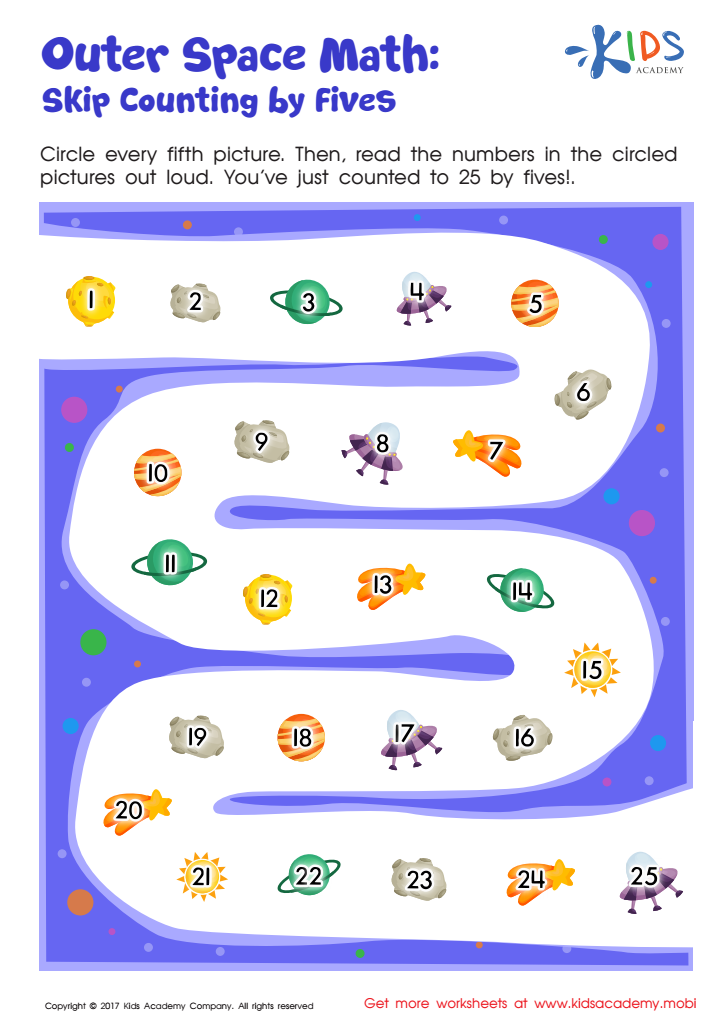
Skip Counting by 5s: Outer Space Math Printable
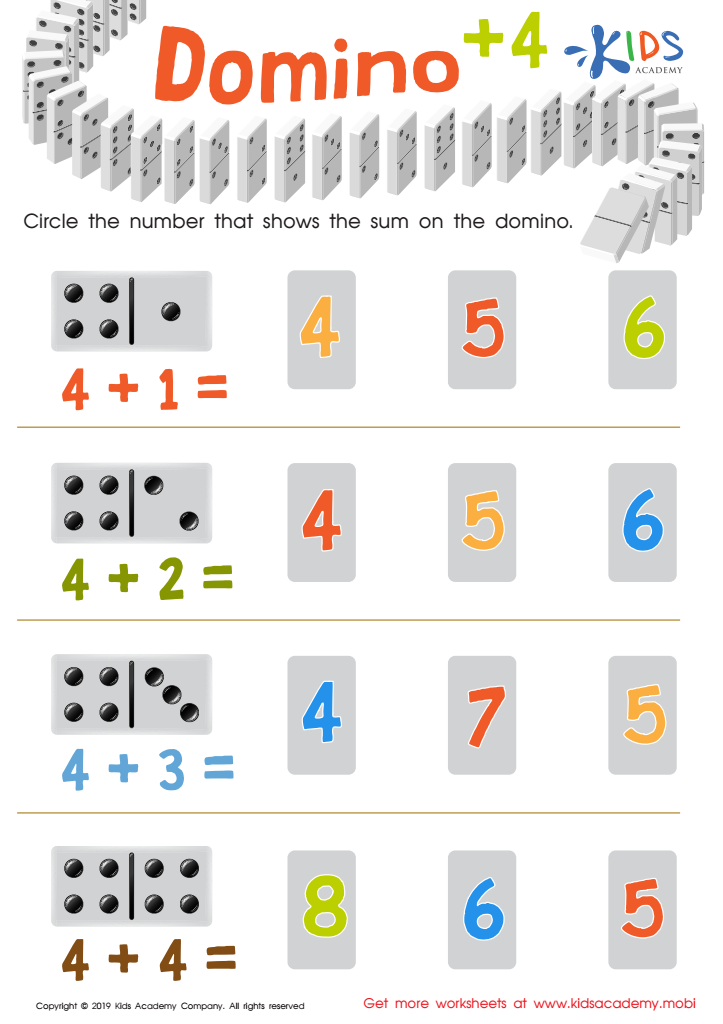
Domino +4 Worksheet
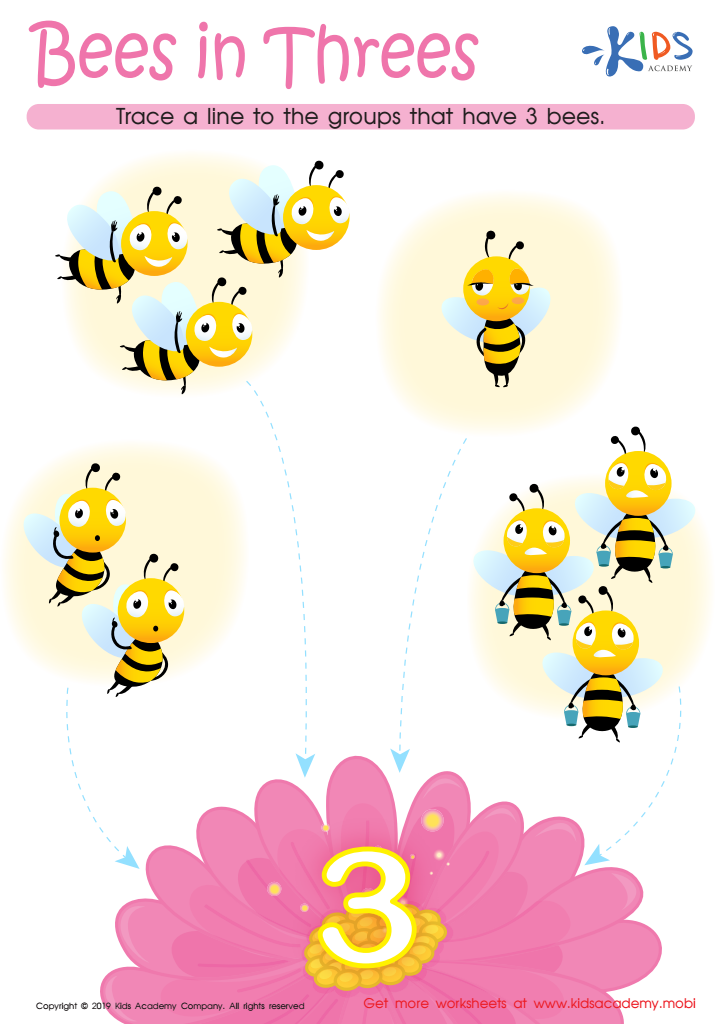
Bees in Threes Worksheet





.jpg)


Understanding number patterns is a crucial aspect of early mathematics education for children aged 4-9. For parents and teachers, this focus is vital because young children are in a stage of cognitive development where they are building foundational skills. Recognizing patterns helps children create connections between numbers and concepts, fostering strong problem-solving abilities.
When children explore number patterns, such as sequences and repetitions, they enhance their critical thinking skills and develop the ability to predict and analyze. This makes higher-level math concepts more approachable in later years. Patterns are everywhere in daily life, from nature to music, and recognizing these patterns facilitates a deeper understanding of the world around them.
Additionally, learning number patterns fosters number sense, which is essential for arithmetic fluency. Engaging children in playful activities centered around patterns, such as counting games or simple puzzles, makes math enjoyable and less intimidating. This early groundwork instills confidence in their abilities and encourages a positive attitude towards mathematics.
Ultimately, a solid grasp of number patterns gives children the tools they need for future success in math, promoting not just academic achievement, but also critical life skills like logical reasoning and adaptability. Parents and teachers play a key role in nurturing these vital abilities.








