Understanding symmetry Math Worksheets for Ages 4-9 - Page 2
30 filtered results
-
From - To
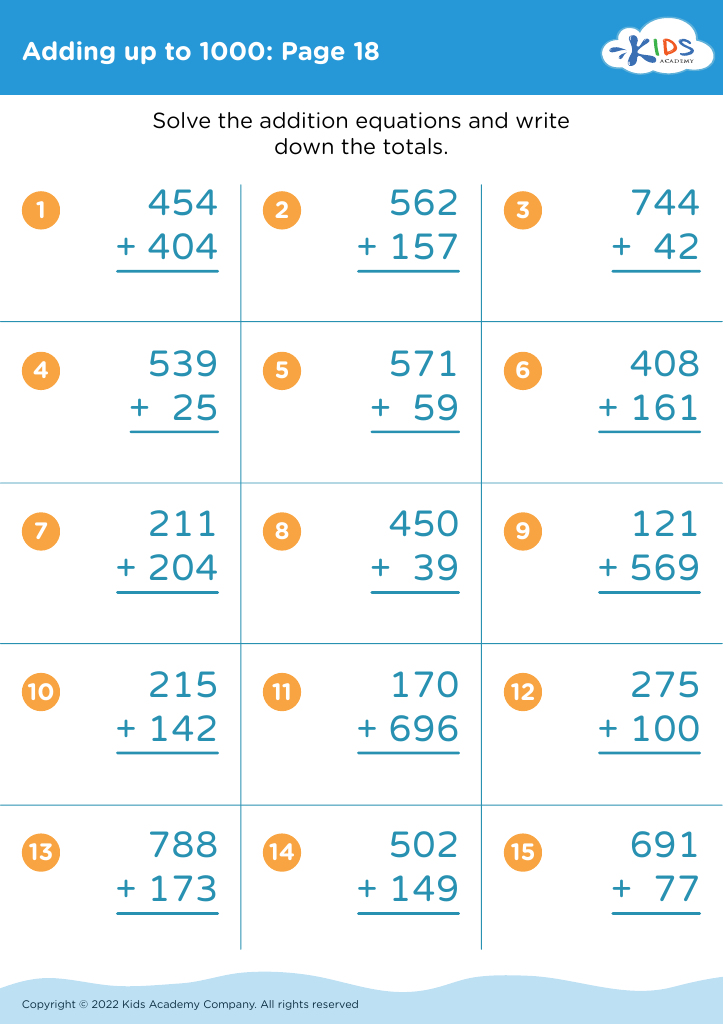
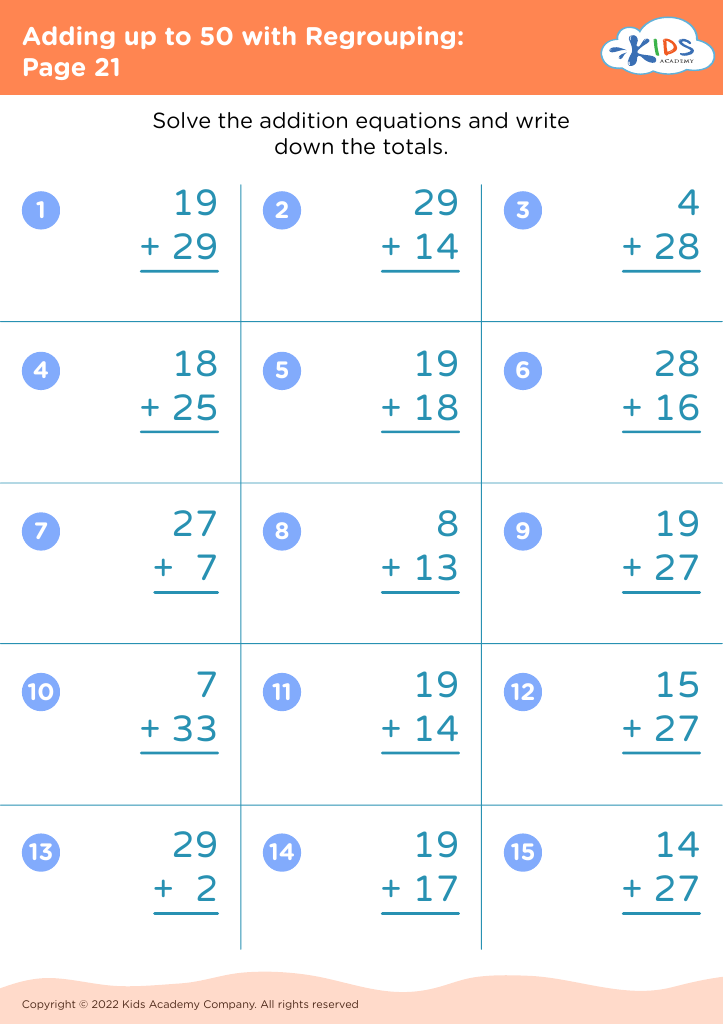
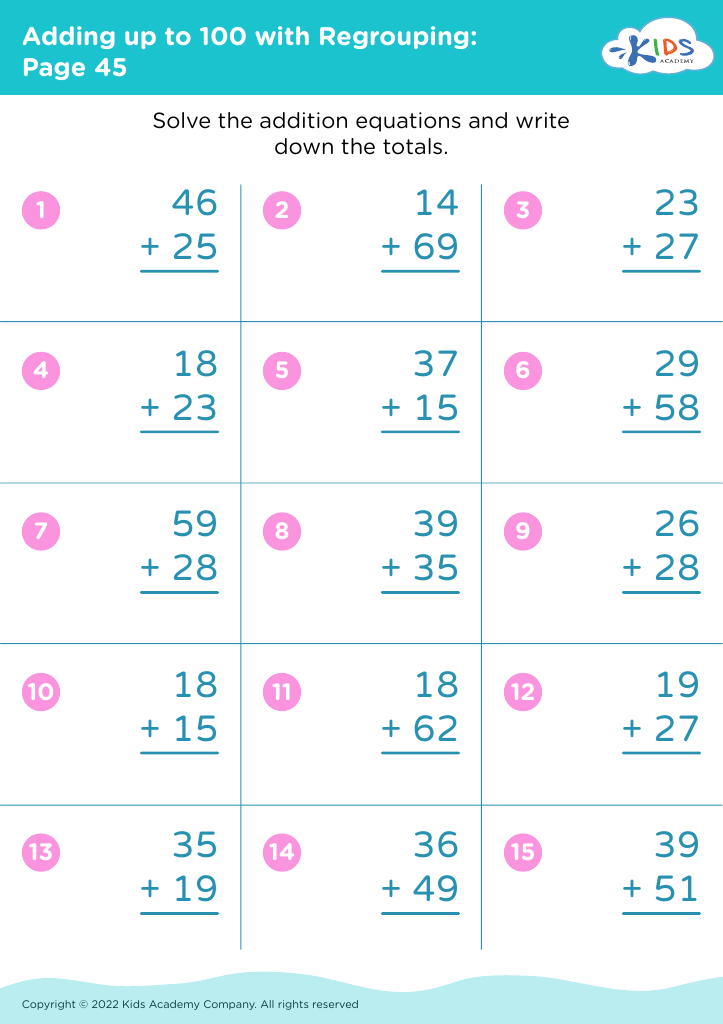
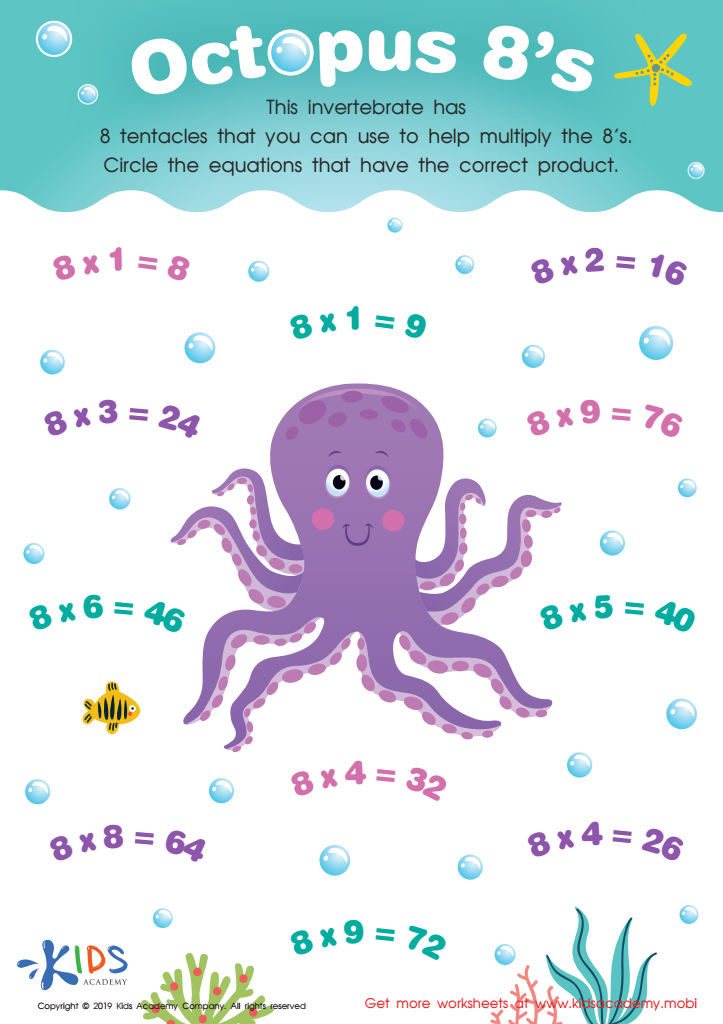
Octopus 8’s Worksheet
 Assign to My Students






Understanding symmetry is a fundamental mathematical concept that plays a crucial role in early childhood education for children aged 4-9. It nurtures spatial reasoning, which is essential not only in mathematics but also in fields such as science, engineering, and art. Recognizing symmetrical shapes helps children develop observational skills, critical thinking, and pattern recognition, which are foundational skills for more advanced mathematical concepts.
Parents and teachers should emphasize symmetry because it promotes cognitive development. Engaging with symmetrical objects and patterns encourages creative problem-solving and enhances fine motor skills through hands-on activities, such as sorting or creating symmetric art. Furthermore, symmetry can serve as a springboard for introducing more complex topics, like geometry and fractions, in a tangible and relatable way.
Moreover, incorporating symmetry into everyday activities, like recognizing symmetrical designs in nature or household items, enriches learning opportunities beyond the classroom. This connection to real-world objects makes math more relatable and fun for children. By fostering an understanding of symmetry, parents and teachers can instill a love for learning and mathematics in children, laying a strong foundation for their educational journeys.








