Interpreting data Measurement Worksheets for Ages 4-9
5 filtered results
-
From - To
Discover our "Interpreting Data Measurement Worksheets" tailored for children ages 4 to 9! These engaging, age-appropriate worksheets introduce young learners to essential concepts in data interpretation through fun and interactive activities. Children will explore how to read, analyze, and represent data using simple charts and graphs. Our resources foster critical thinking and boost math skills, making learning enjoyable. With colorful visuals and relatable themes, these worksheets effectively enhance students' understanding of measurements while promoting analytical skills. Perfect for classrooms or at-home learning, our printable worksheets encourage curiosity and pave the way for a strong mathematical foundation. Unleash your child's potential today!
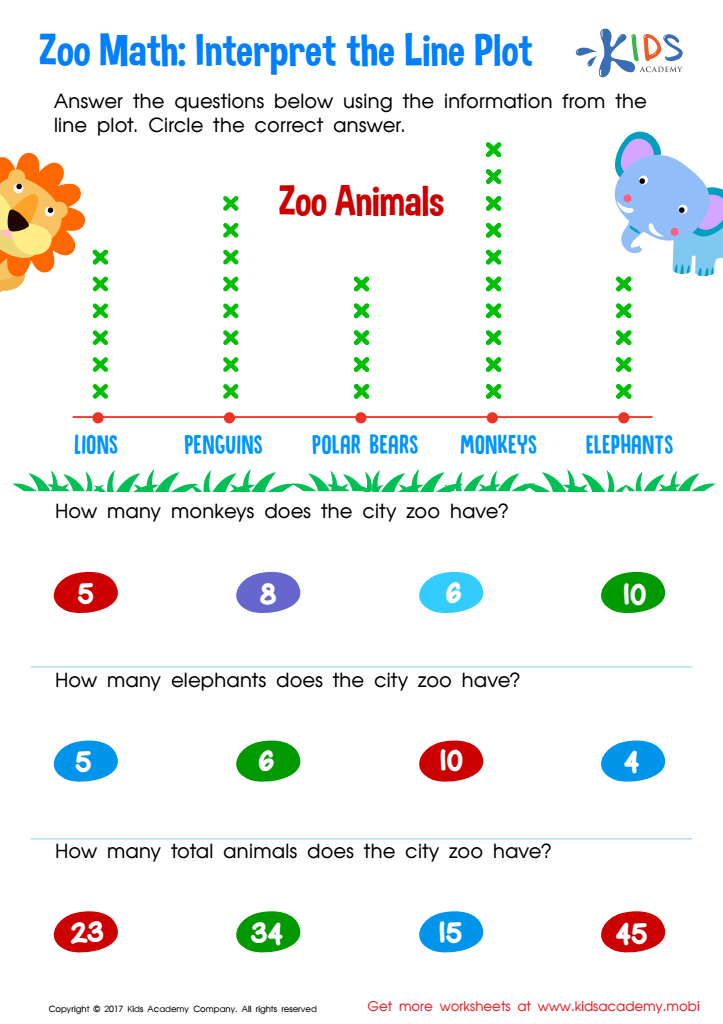
Interpret Line Plot Worksheet
 Assign to My Students
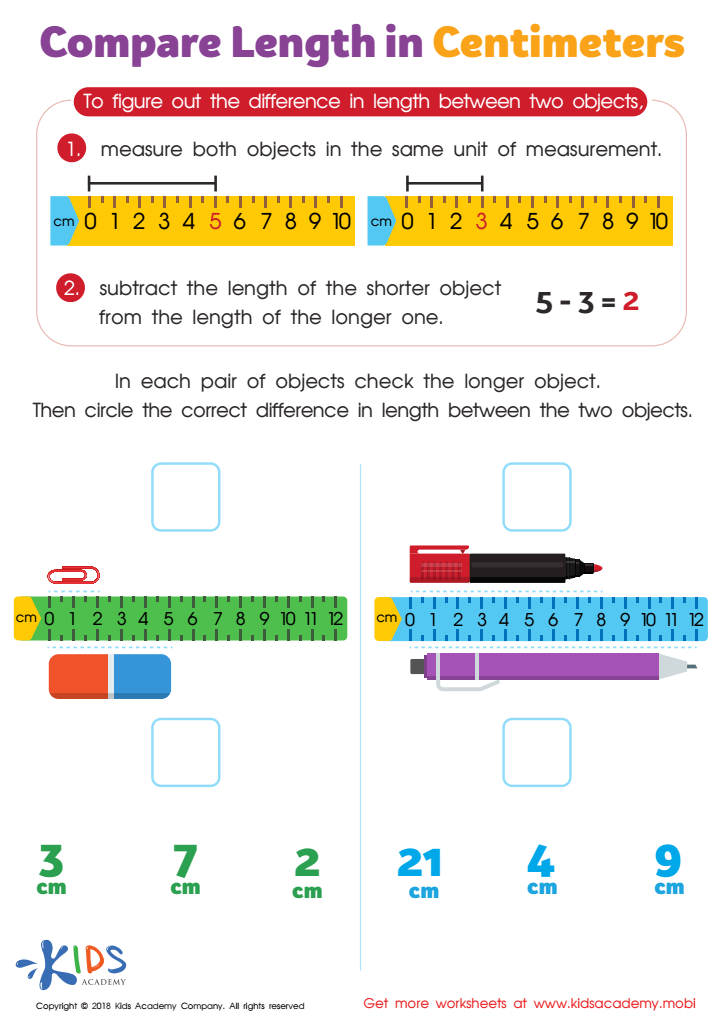
Compare Length in Centimeters Worksheet
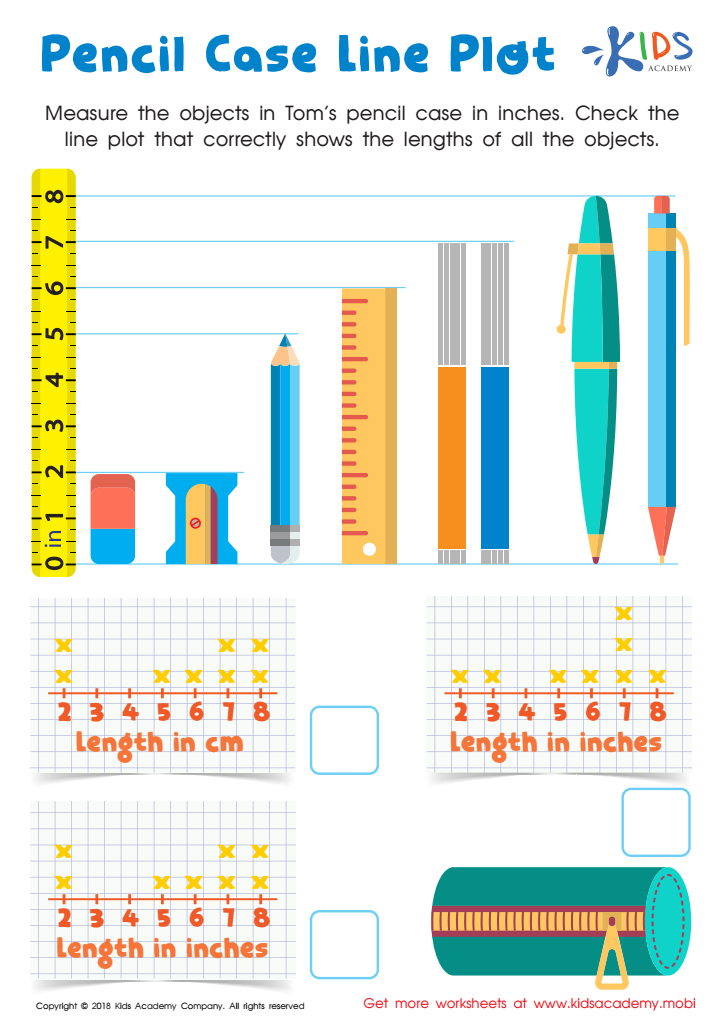
Pencil Case Line Plot Worksheet
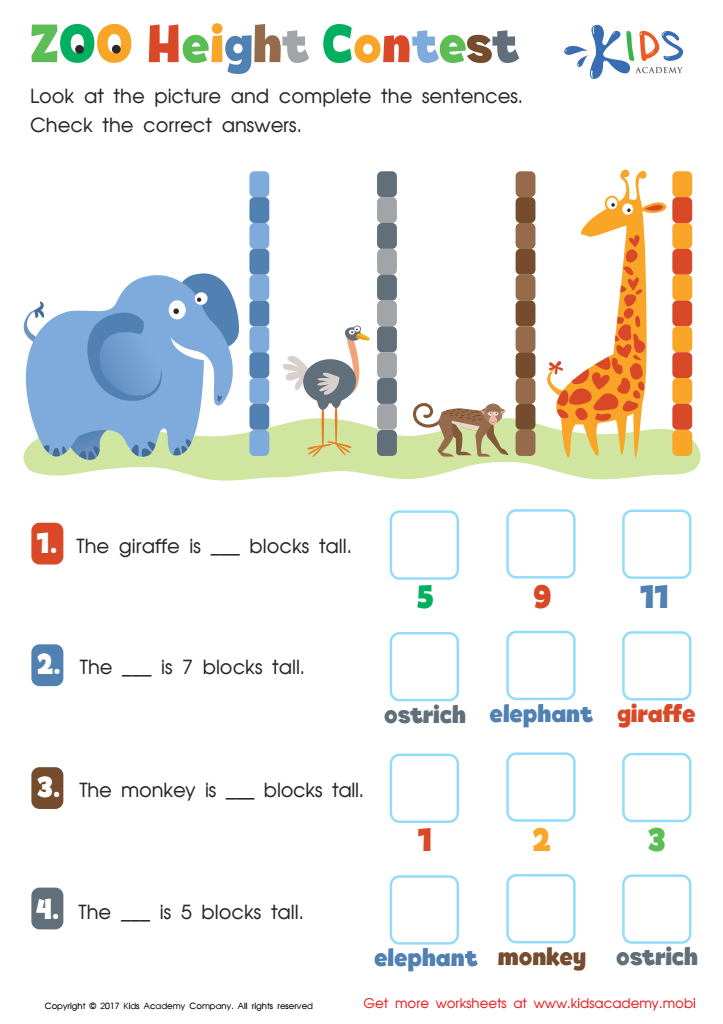
Zoo Height Contest Worksheet
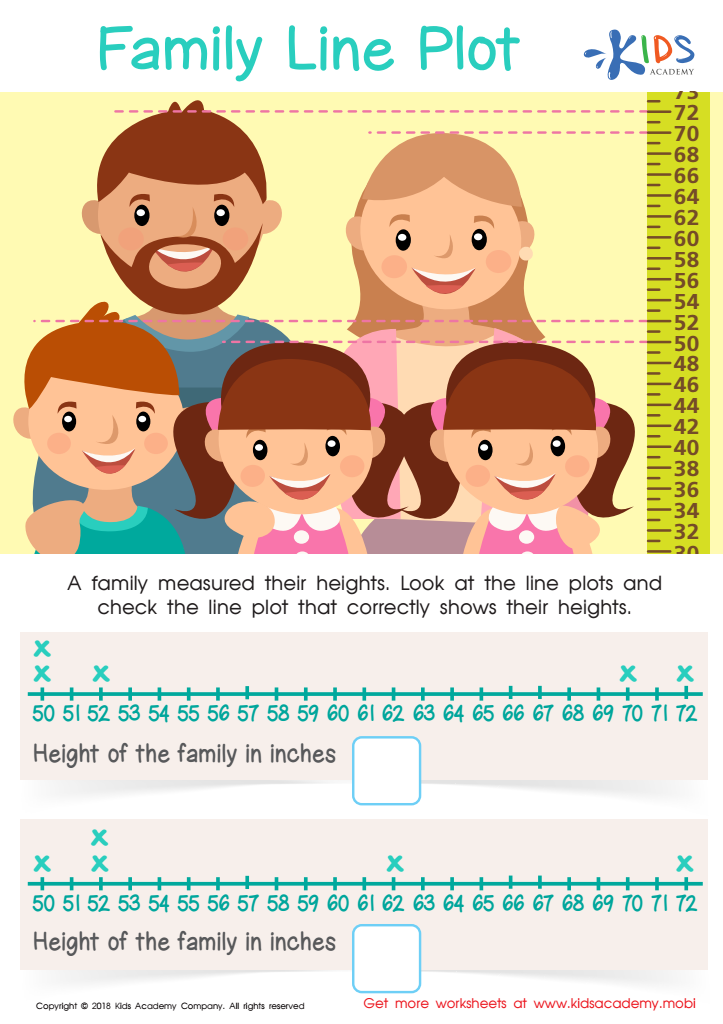
Family Line Plot Worksheet








Understanding data measurement is crucial for parents and teachers of children aged 4-9, as it lays the foundation for critical thinking and analytical skills. At this early stage, children begin to explore the world around them, and data measurement helps them make sense of information through observation and comparison. By teaching children how to interpret basic data, such as counting objects, measuring lengths, or comparing weights, adults are encouraging curiosity and promoting mathematical literacy.
Interpreting data fosters problem-solving abilities, enabling children to connect numbers and measurements to real-world experiences. This skill is essential not only in mathematics but also in everyday contexts, such as cooking, shopping, and understanding time. Furthermore, when parents and teachers engage with children in data measurement activities, they spark discussions that enhance communication and social skills, as children learn to explain their thought processes.
Moreover, developing these skills at a young age builds confidence in children as they begin school. Ultimately, caring about data measurement in this formative period equips children with the cognitive tools they need for future learning and helps them become informed, self-reliant individuals capable of navigating a data-driven world.








