Filters

17 filtered results

Clear all filters
Favorites
With answer key
Interactive

17 filtered results

Difficulty Level

Grade


Enhance your child's early math journey with our "Basic Math Skills Building Vocabulary Worksheets" designed for ages 4-9. These engaging worksheets combine essential math concepts with vocabulary development, helping young learners grasp foundational skills in a fun and interactive way. Each worksheet focuses on key topics such as counting, addition, subtraction, and comparing numbers, while also incorporating age-appropriate vocabulary to boost language skills. Perfect for home or classroom use, these resources foster critical thinking and promote a love of learning. Get ready to make math exciting and accessible for your child with our thoughtfully crafted worksheets!

Check out this FREE Trial Lesson on Building Vocabulary for age 4-9!

Decode Multi-syllabic Words

Favorites
With answer key
Interactive
  • 4-9
  • Basic Math Skills
  • Building Vocabulary
Count Them Up Worksheet

Count Them Up Worksheet

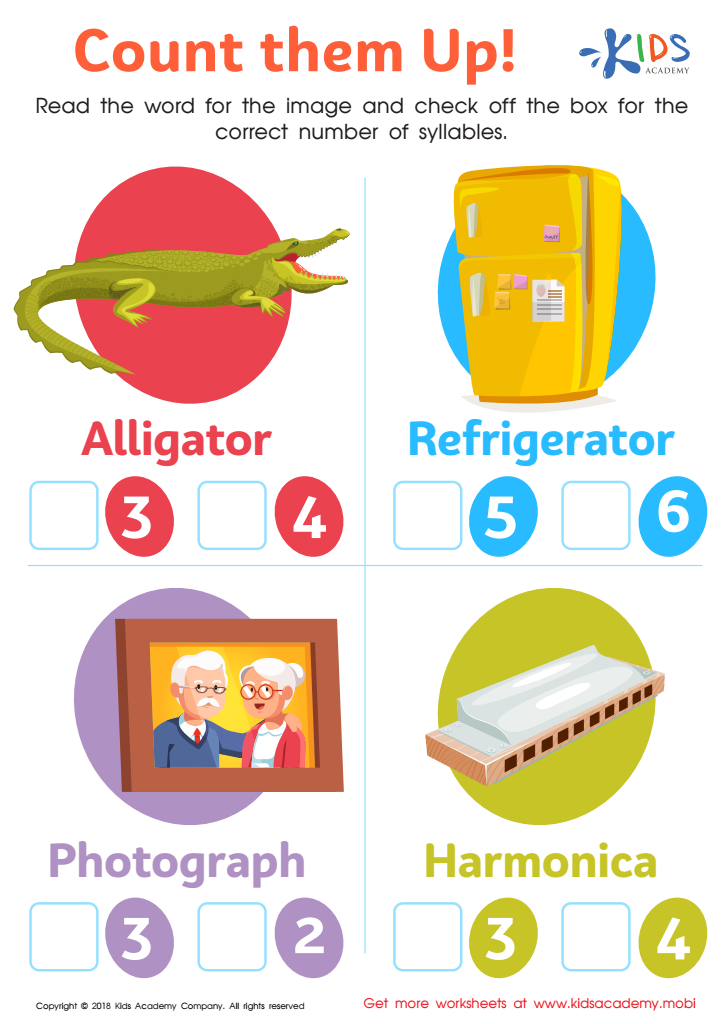
This worksheet has four colorful pictures. Ask your students to identify and name each image, then count the syllables in the word. Make them repeat the word after you, and check off the box with the correct number of syllables. Mastering the art of counting goes beyond numbers. Get your students counting syllables with this activity!
Count Them Up Worksheet
Worksheet
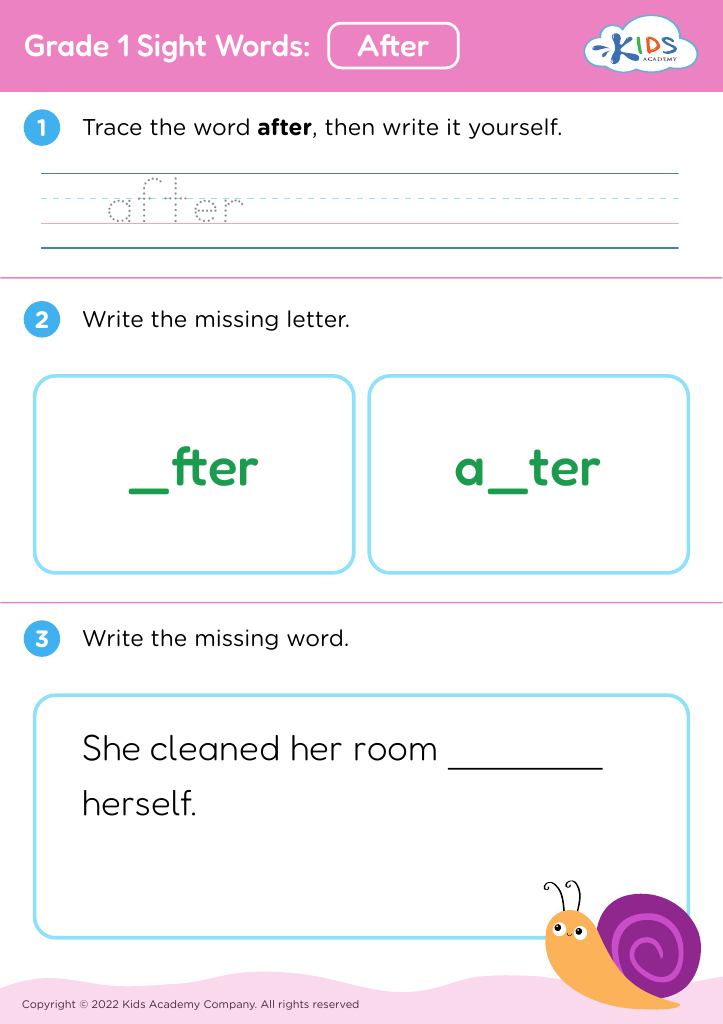
Grade 1 Sight Words: After

Grade 1 Sight Words: After

Grade 1 Sight Words: After
Worksheet
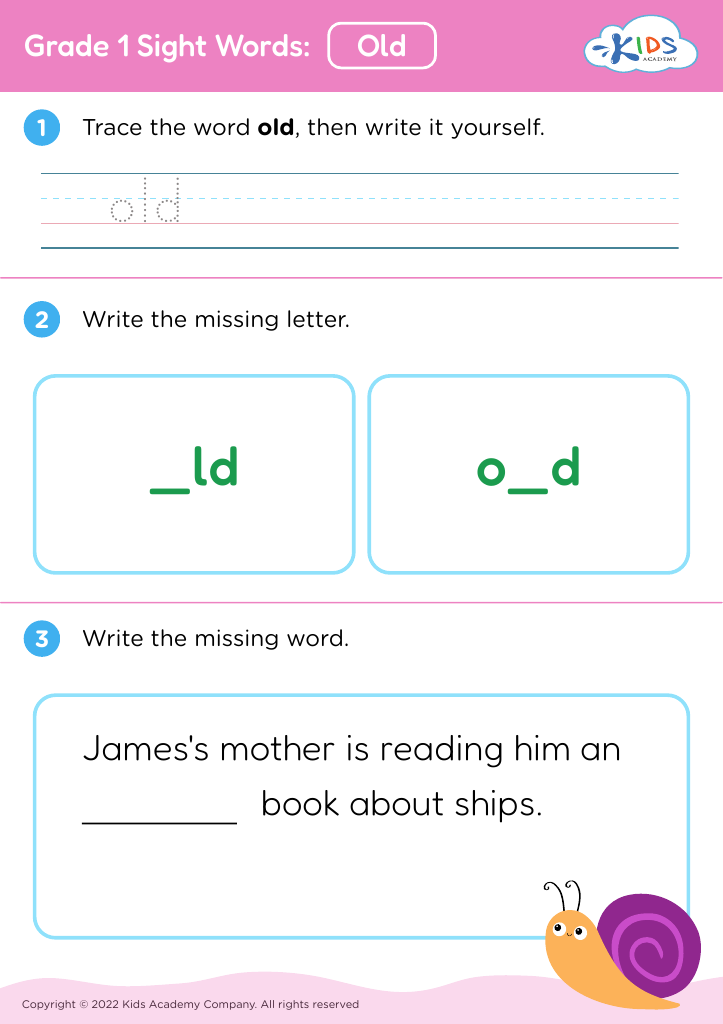
Grade 1 Sight Words: Old

Grade 1 Sight Words: Old

Grade 1 Sight Words: Old
Worksheet
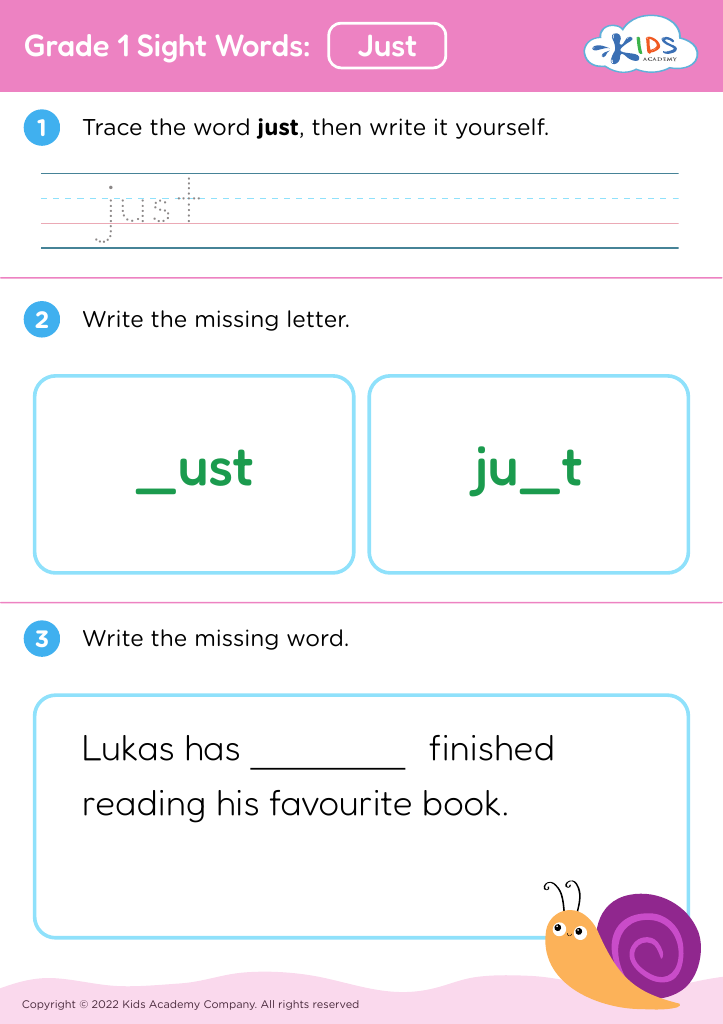
Grade 1 Sight Words: Just

Grade 1 Sight Words: Just

Grade 1 Sight Words: Just
Worksheet
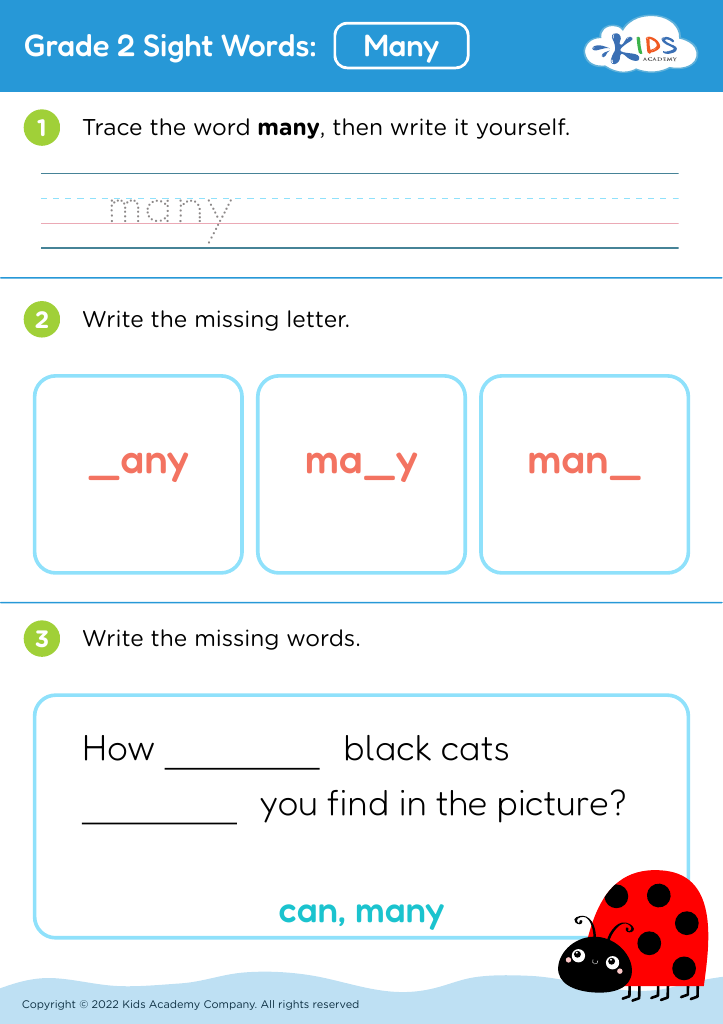
Grade 2 Sight Words: Many

Grade 2 Sight Words: Many

Grade 2 Sight Words: Many
Worksheet
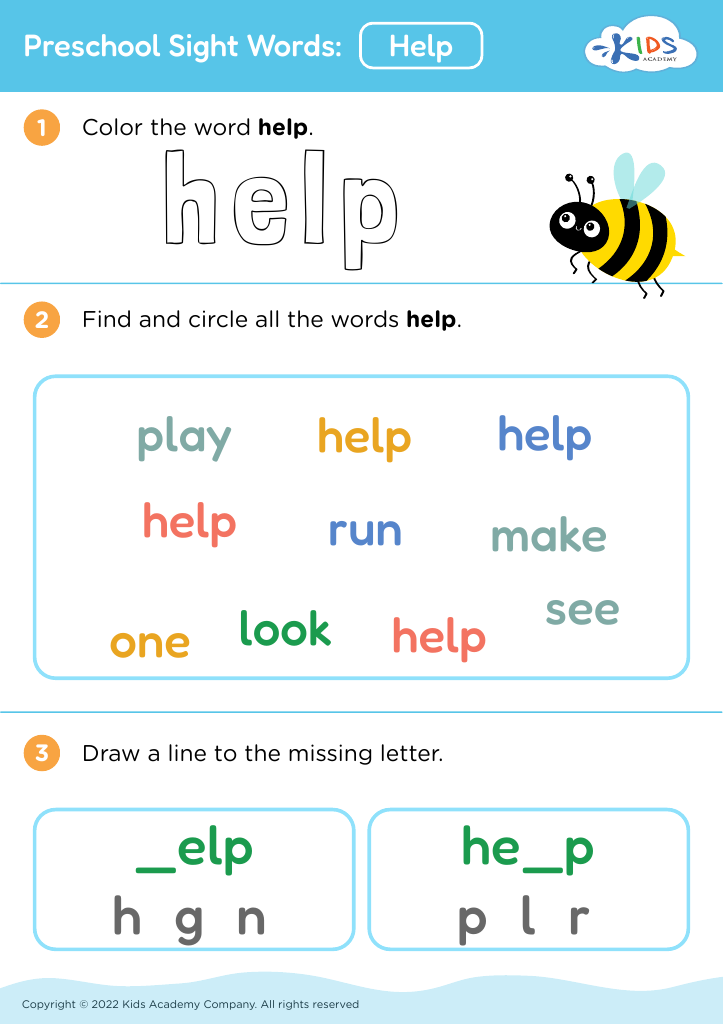
Preschool Sight Words: Help

Preschool Sight Words: Help

Preschool Sight Words: Help
Worksheet
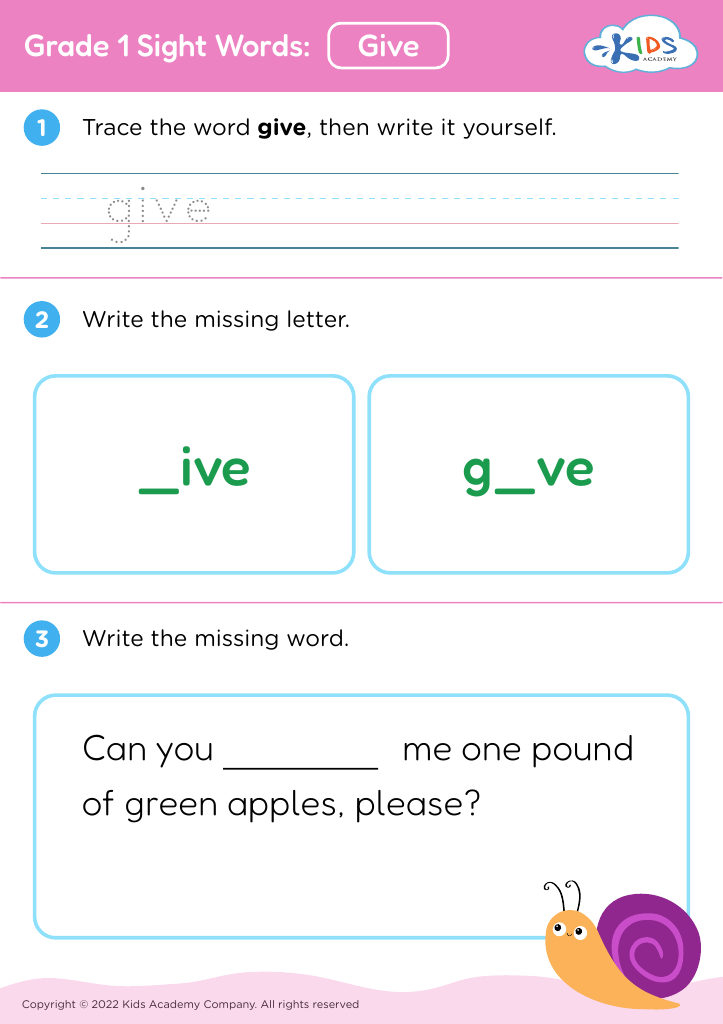
Grade 1 Sight Words: Give

Grade 1 Sight Words: Give

Grade 1 Sight Words: Give
Worksheet
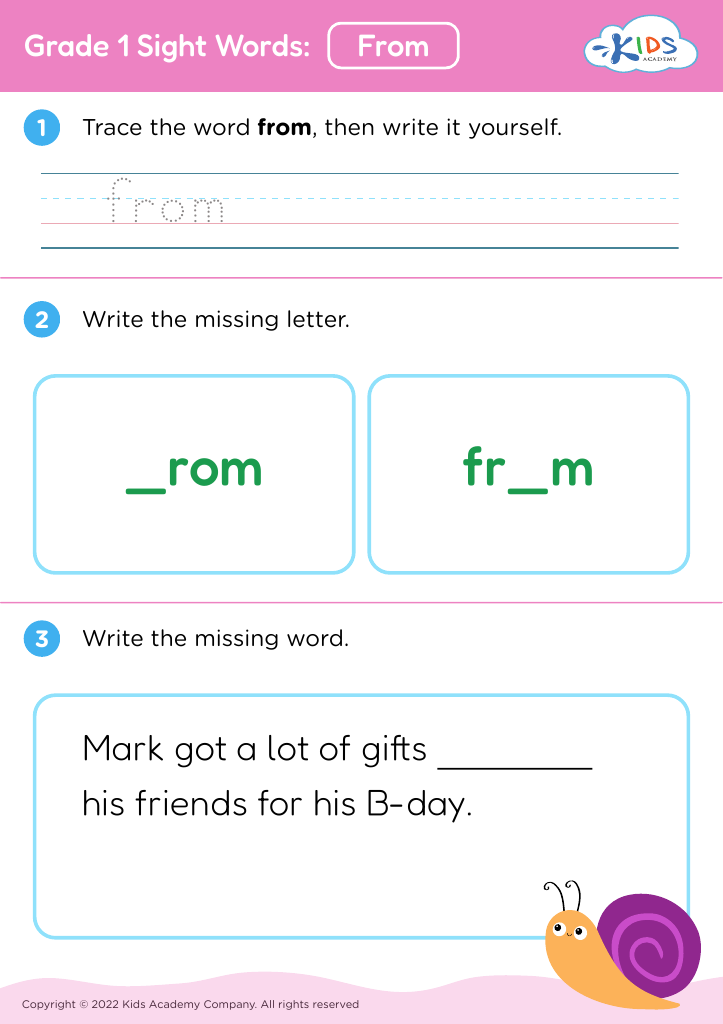
Grade 1 Sight Words: From

Grade 1 Sight Words: From

Grade 1 Sight Words: From
Worksheet
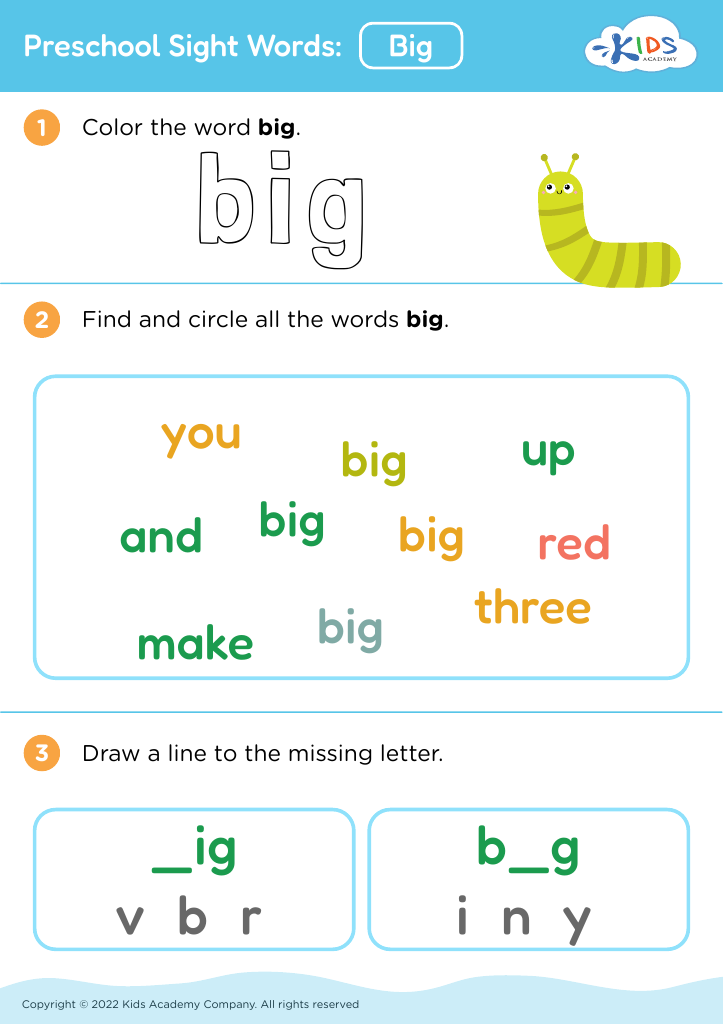
Preschool Sight Words: Big

Preschool Sight Words: Big

Preschool Sight Words: Big
Worksheet
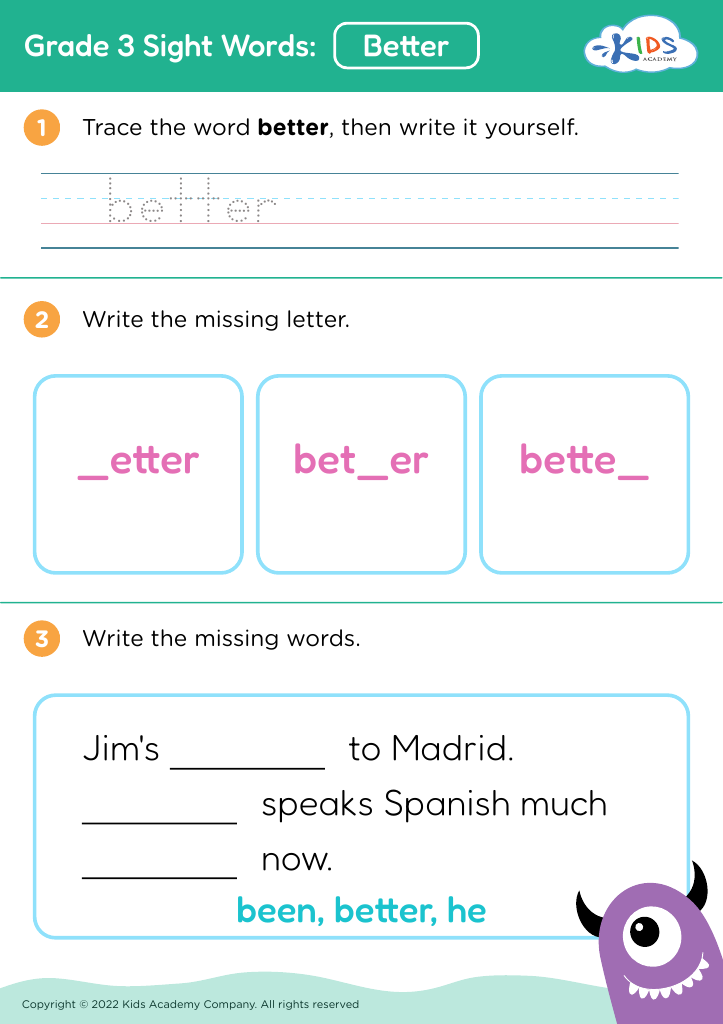
Grade 3 Sight Words: Better

Grade 3 Sight Words: Better

Grade 3 Sight Words: Better
Worksheet
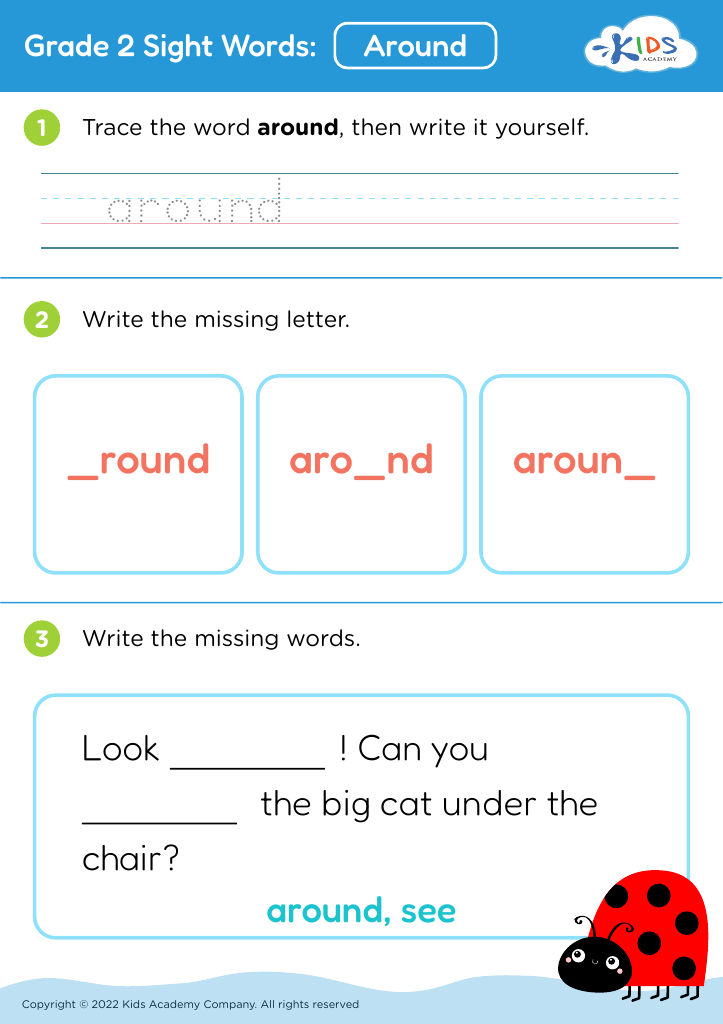
Grade 2 Sight Words: Around

Grade 2 Sight Words: Around

Grade 2 Sight Words: Around
Worksheet
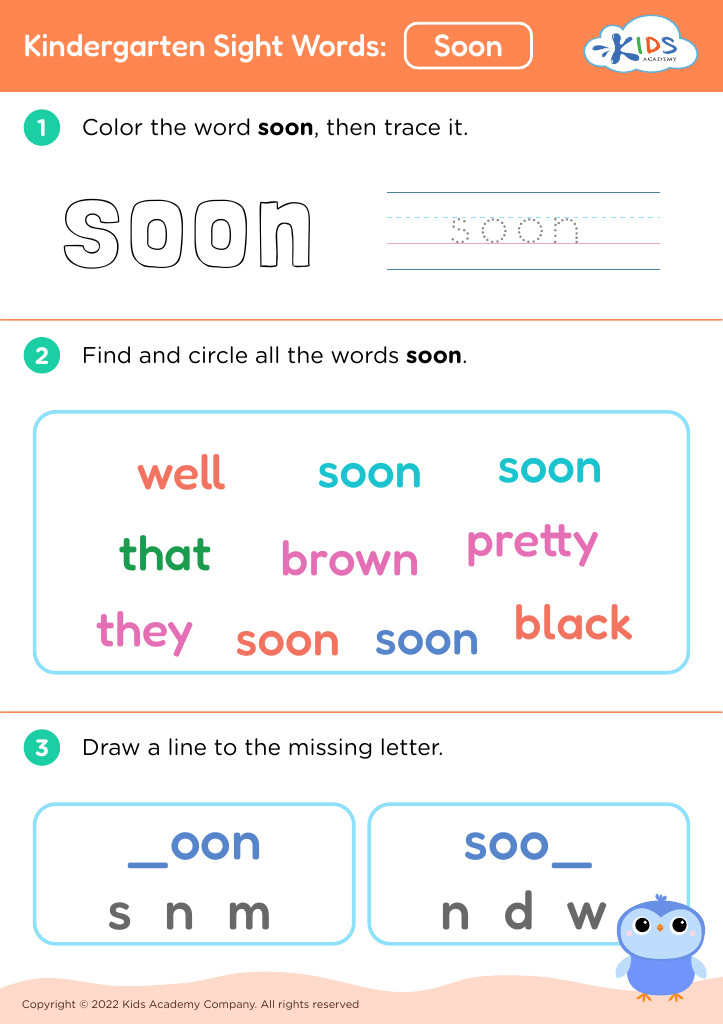
Kindergarten Sight Words: Soon

Kindergarten Sight Words: Soon

Kindergarten Sight Words: Soon
Worksheet
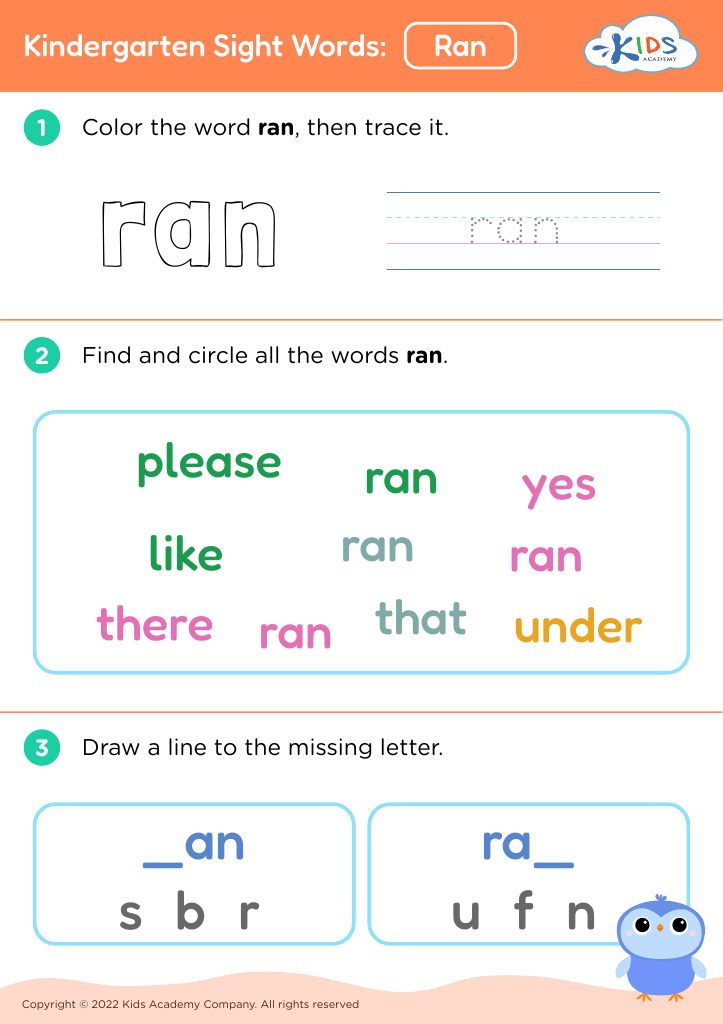
Kindergarten Sight Words: Ran

Kindergarten Sight Words: Ran

Kindergarten Sight Words: Ran
Worksheet
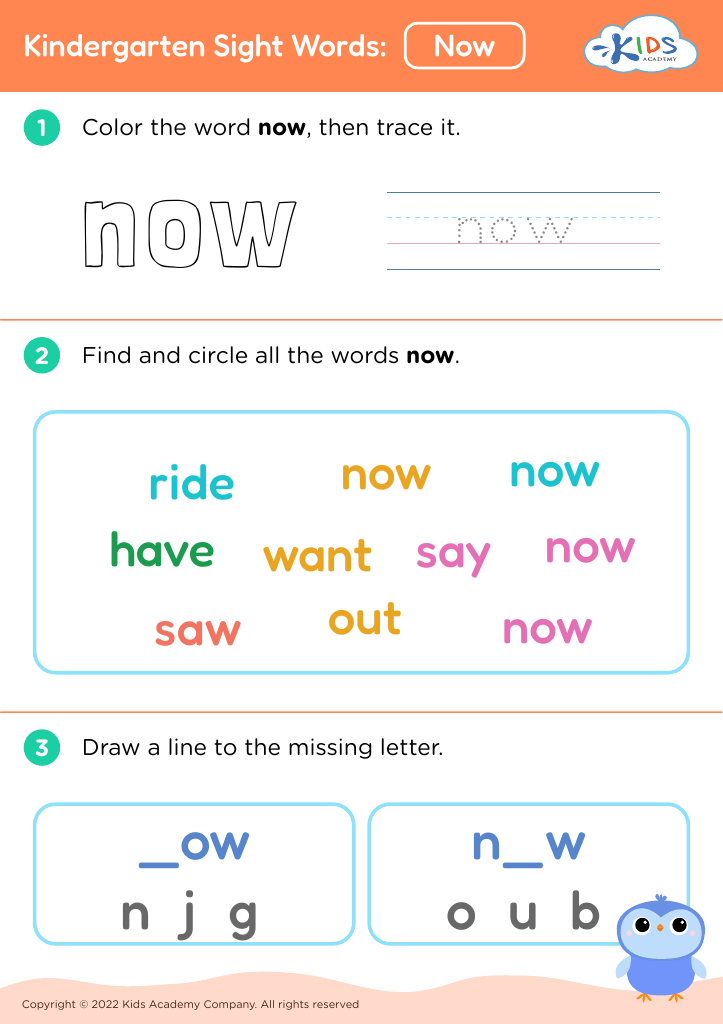
Kindergarten Sight Words: Now

Kindergarten Sight Words: Now

Kindergarten Sight Words: Now
Worksheet
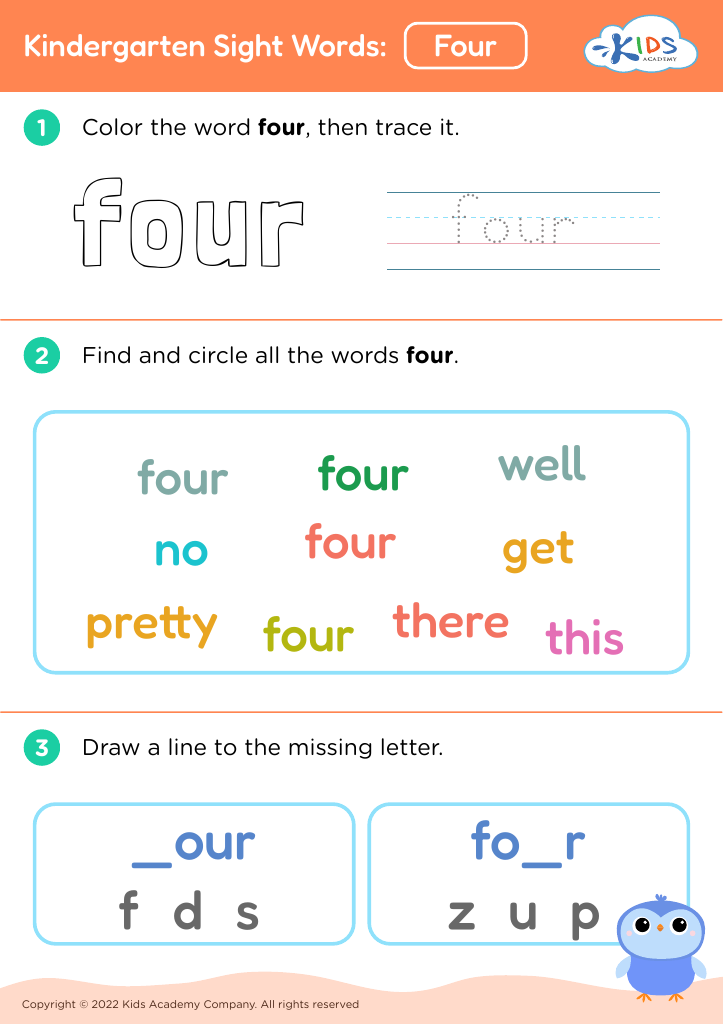
Kindergarten Sight Words: Four

Kindergarten Sight Words: Four

Kindergarten Sight Words: Four
Worksheet
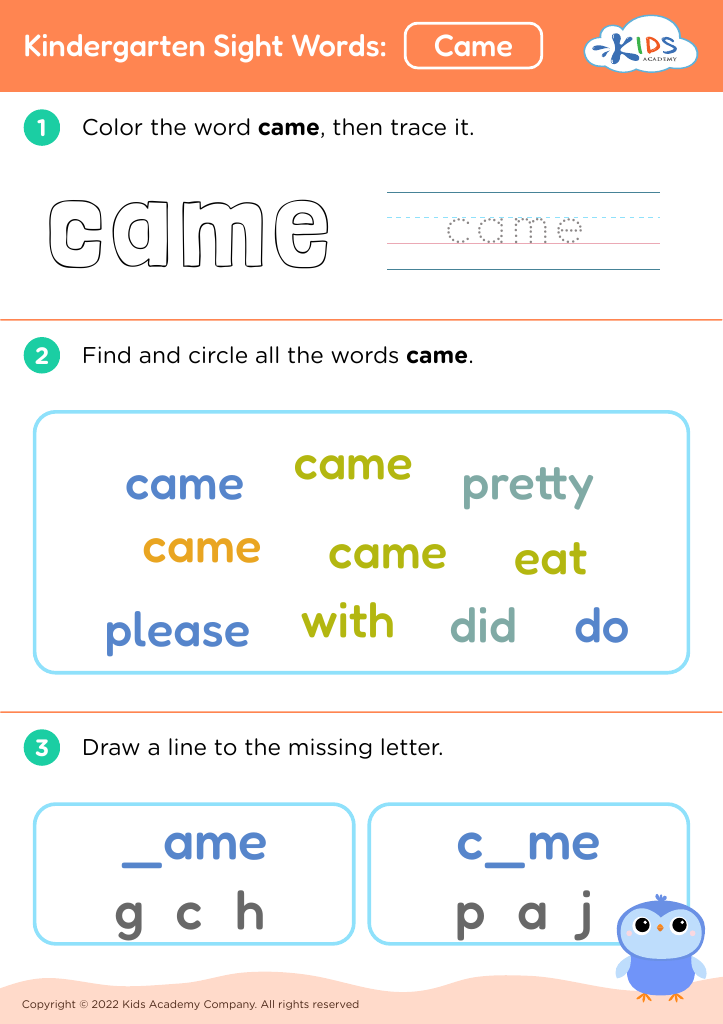
Kindergarten Sight Words: Came

Kindergarten Sight Words: Came

Kindergarten Sight Words: Came
Worksheet
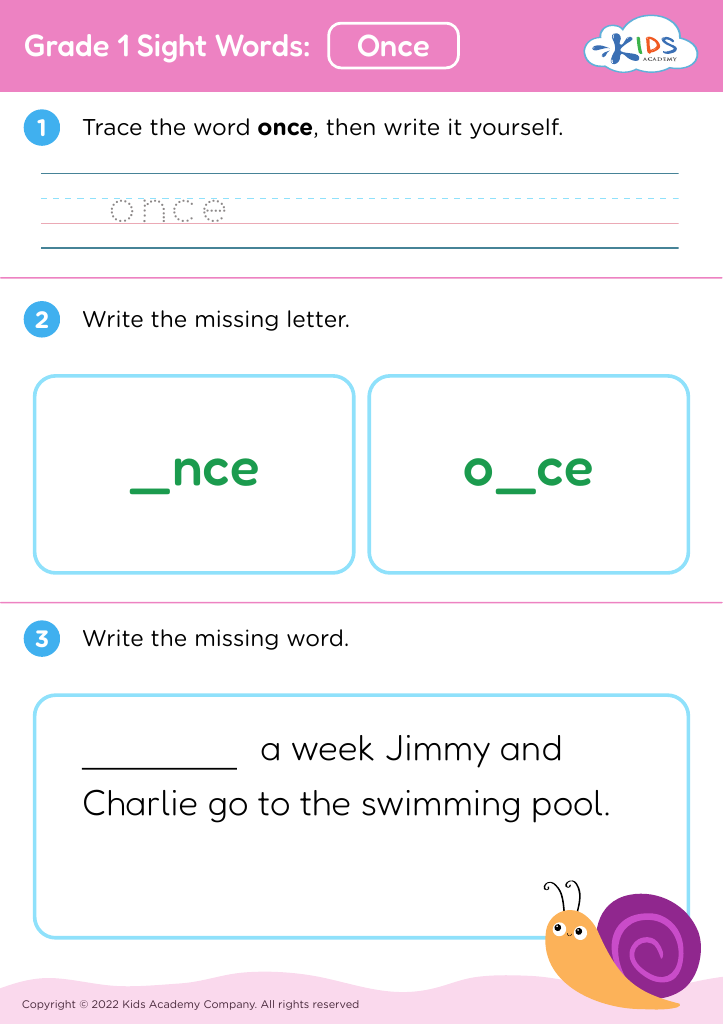
Grade 1 Sight Words: Once

Grade 1 Sight Words: Once

Grade 1 Sight Words: Once
Worksheet


Parents and teachers should prioritize basic math skills and vocabulary development for children ages 4-9, as this is a critical period for cognitive and language acquisition. Early exposure to math vocabulary helps children make sense of mathematical concepts and ideas, which are foundational for future learning. Learning terms like "adding," "subtracting," "greater than," and "equal" equips them with the language needed to describe their thought processes and problem-solving strategies.

Building a strong math vocabulary enhances a child's ability to follow instructions, participate in discussions, and express their understanding of math in verbal and written forms. Additionally, children who engage with math language early often build greater confidence and proficiency in mathematics as they progress through school.

Understanding concepts through vocabulary also aids in bridging connections between various curriculum areas—enhancing reading comprehension and critical thinking skills. Furthermore, fostering a rich mathematical environment at home and in the classroom invites curiosity and engagement, which help develop positive attitudes towards mathematics.

In short, integrating basic math skills and vocabulary ensures children build a robust foundation for later academic achievement and fosters a lifelong love for learning. Investing in these early skills prepares them for success in an increasingly numerate world.