Comparing Fractions Building Vocabulary Worksheets for Ages 4-9
36 filtered results
-
From - To
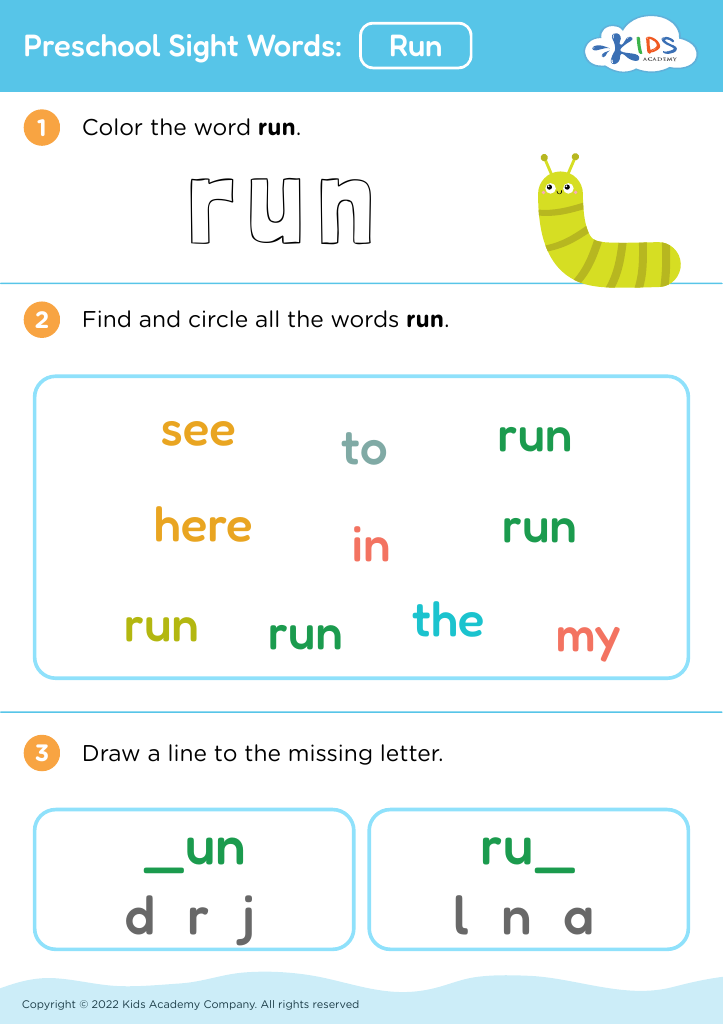
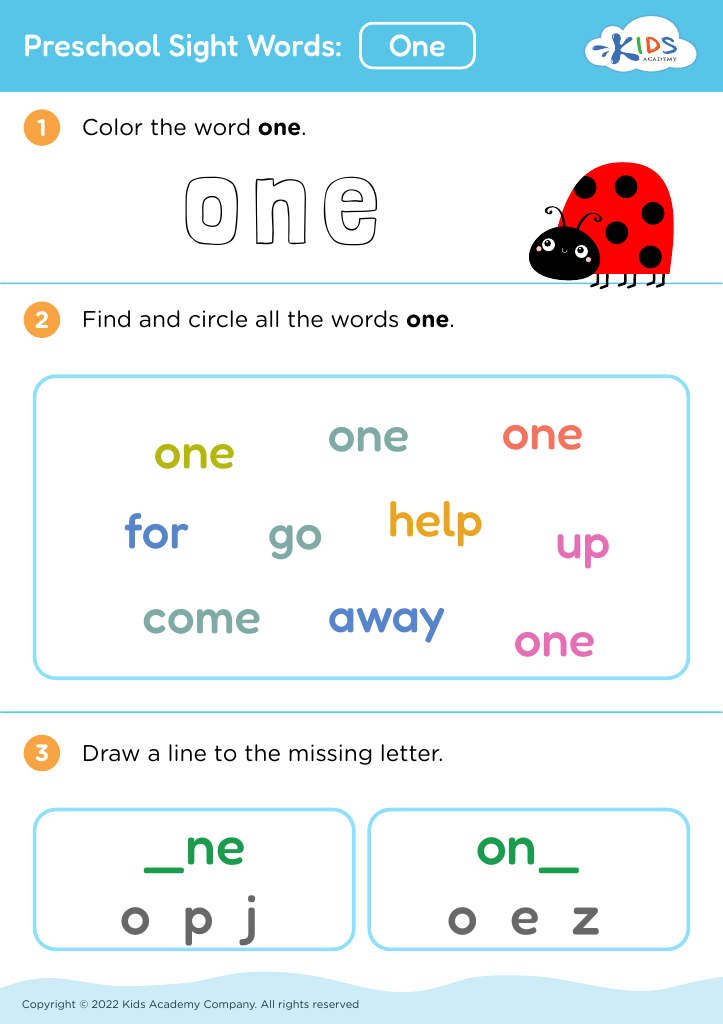
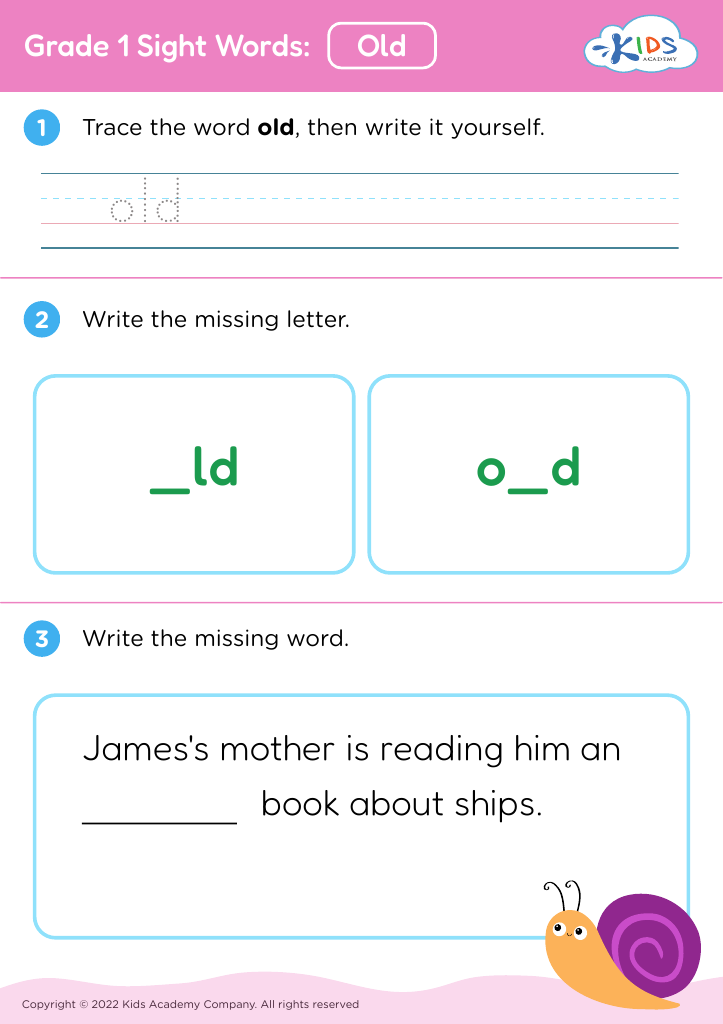
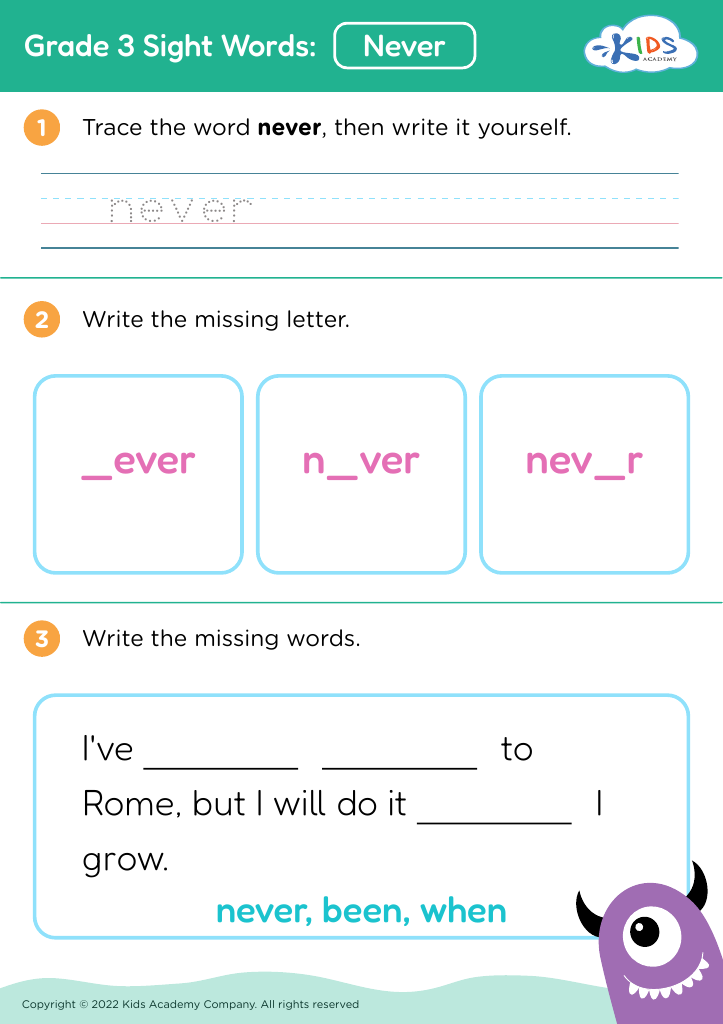
Explore our engaging "Comparing Fractions Building Vocabulary Worksheets" designed for children ages 4-9! These fun, interactive worksheets help young learners develop essential math skills while enhancing their vocabulary. Each worksheet focuses on comparing fractions, using visual aids and relatable examples to simplify concepts. Perfect for early grade classrooms or at-home learning, our resources encourage critical thinking, shape understanding of numerical relationships, and promote language development in a playful manner. Whether your child is starting out in fractions or looking to solidify their understanding, these worksheets offer a captivating way to practice and learn, setting them up for math success!
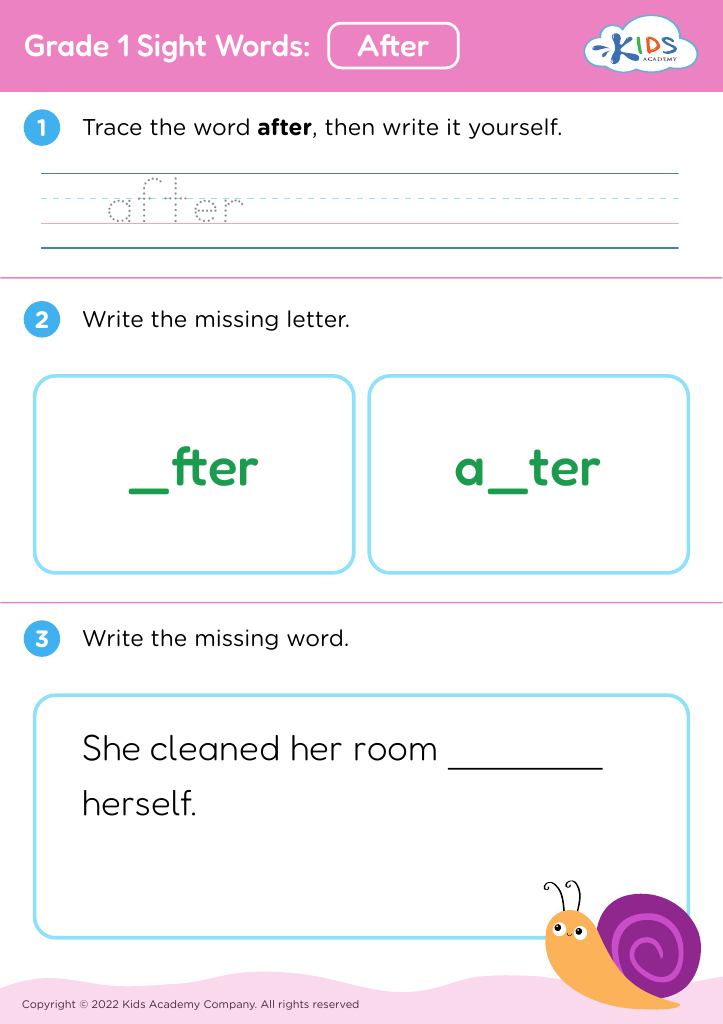











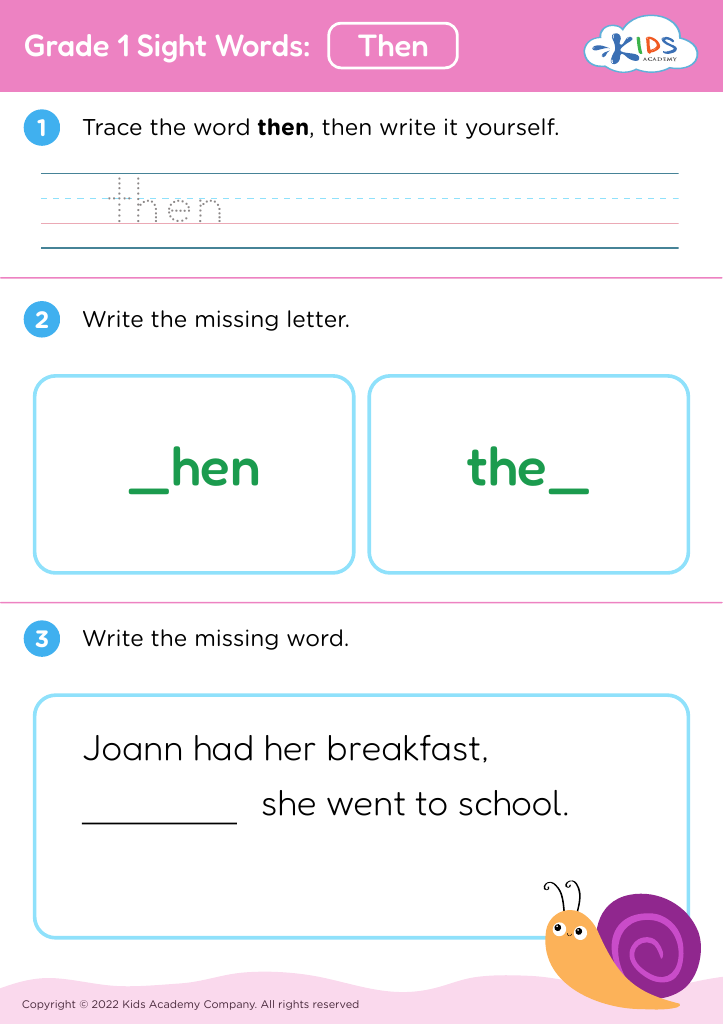
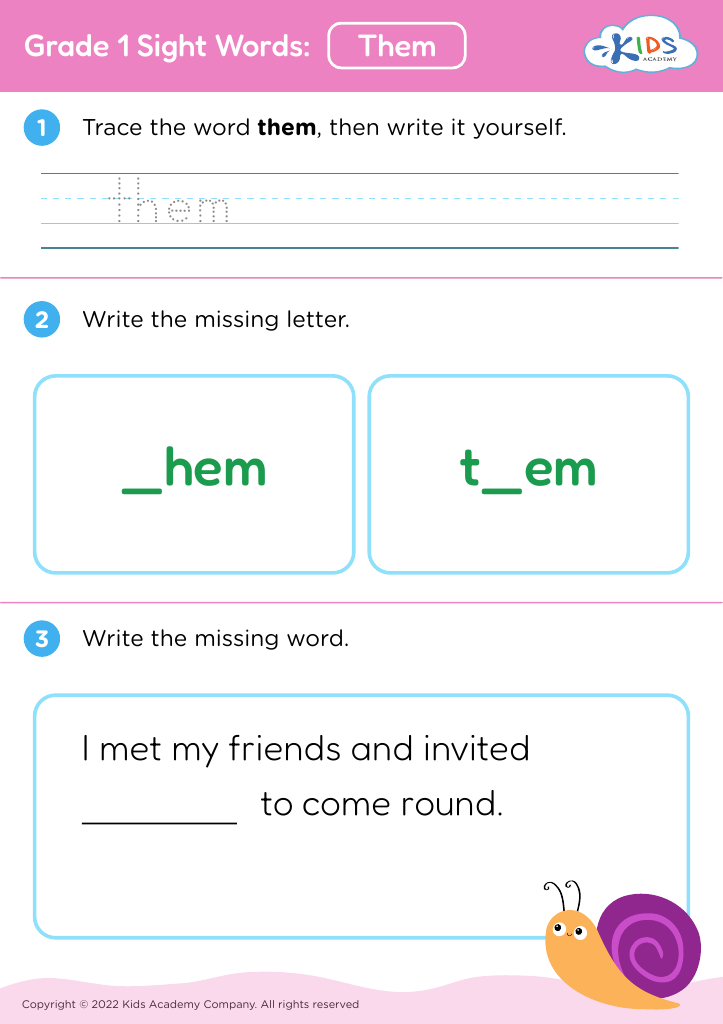
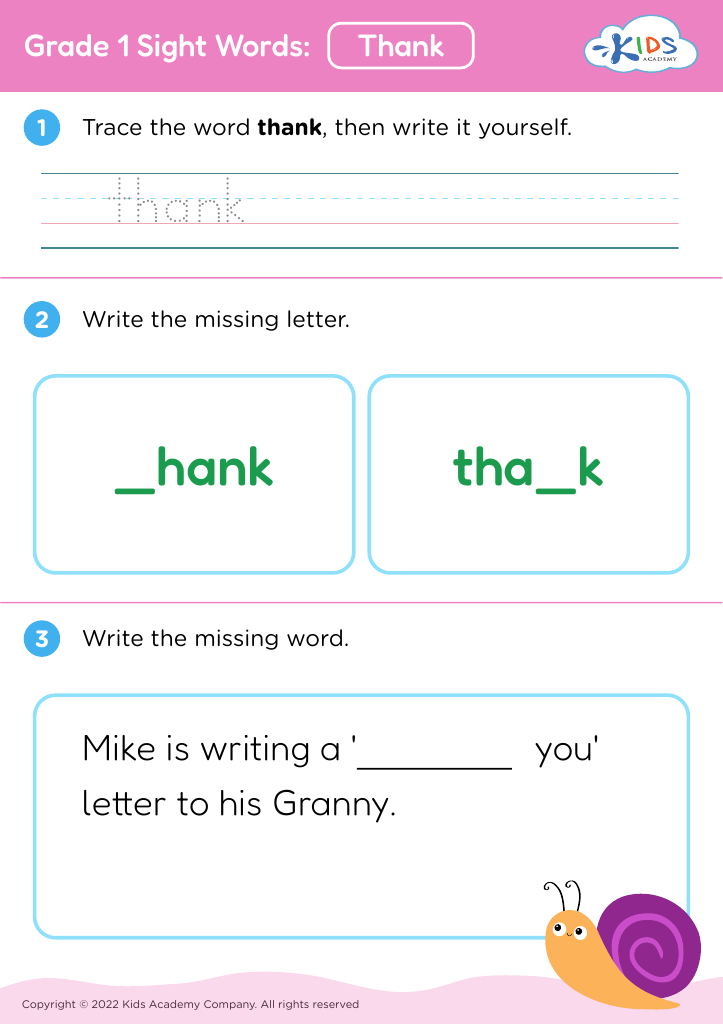
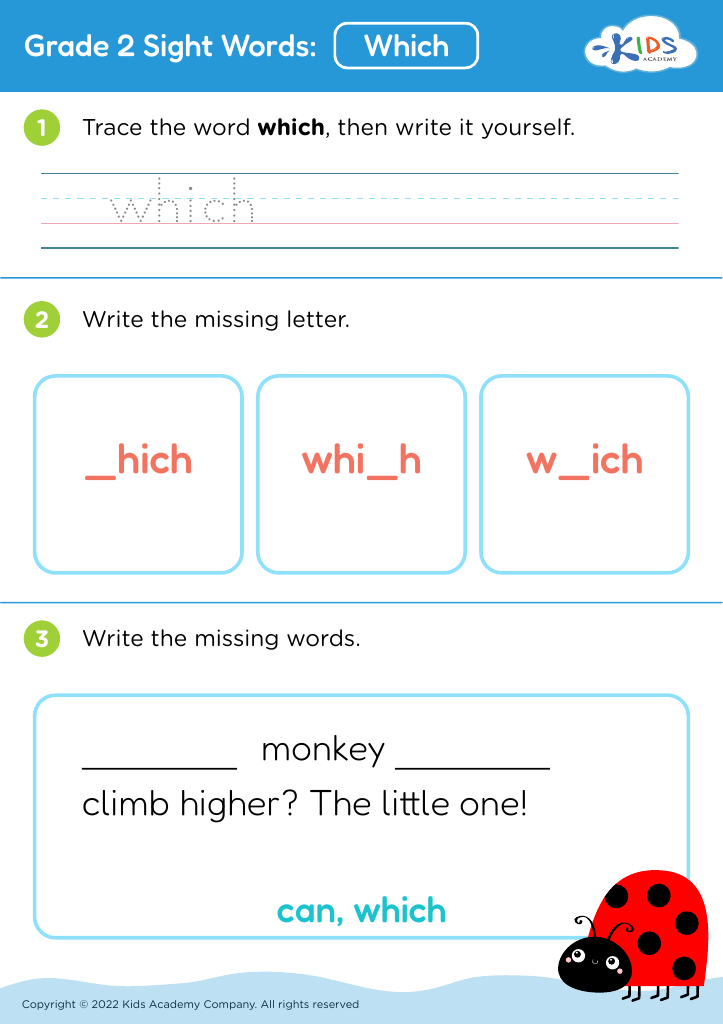
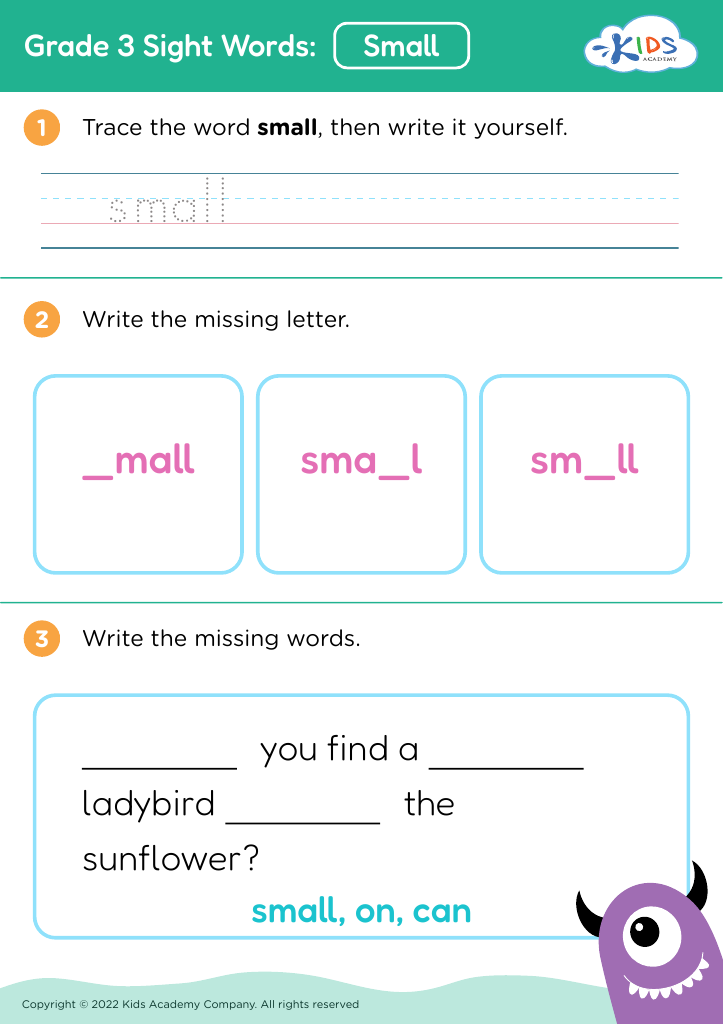
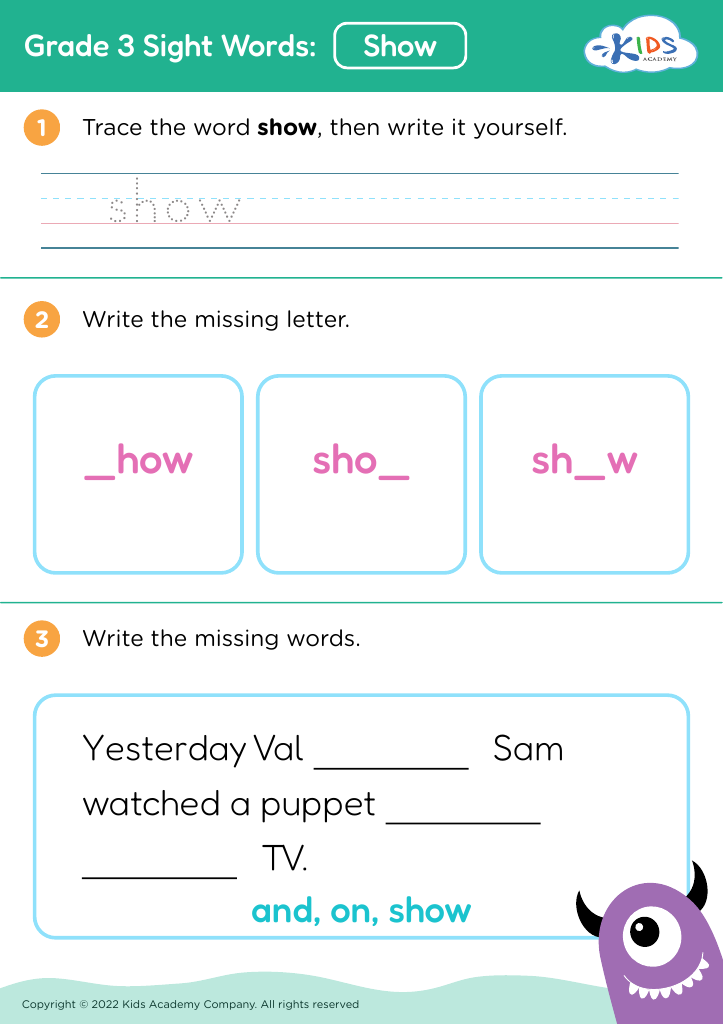
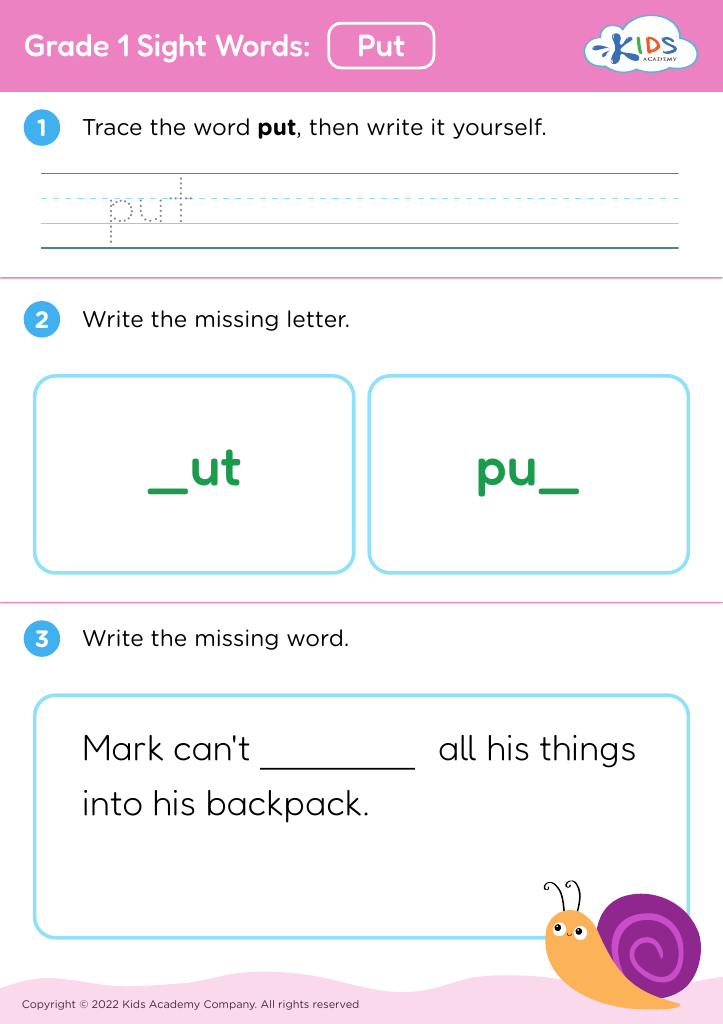



.jpg)




Understanding and comparing fractions is a foundational skill in mathematics, crucial for children aged 4-9, as they begin to grasp more complex numerical concepts. By focusing on comparing fractions, educators and parents can help children develop critical thinking skills, enhance their problem-solving abilities, and build a strong mathematical vocabulary.
When children engage with fractions, they learn to recognize parts of a whole, grasp basic concepts of equivalence, and understand the relationship between quantities. This knowledge allows them to approach not just fractions but also broader mathematical topics like ratios, percentages, and basic algebra in later grades with confidence.
Moreover, building vocabulary around fractions helps children articulate their thought processes, enabling them to communicate effectively and collaborate with peers on math-related tasks. Language development is intertwined with cognitive growth, and discussing concepts like "greater than," "less than," and "equivalent" fosters their ability to explain and reason.
Encouraging parents and teachers to engage in comparing fractions through fun, age-appropriate activities sets the stage for a positive attitude towards math. By cultivating an early interest and understanding in fractions, we empower students to become proficient in mathematics, paving the way for academic success and lifelong learning.








