Fine Motor Skills Building Vocabulary Worksheets for Ages 4-9
25 filtered results
-
From - To
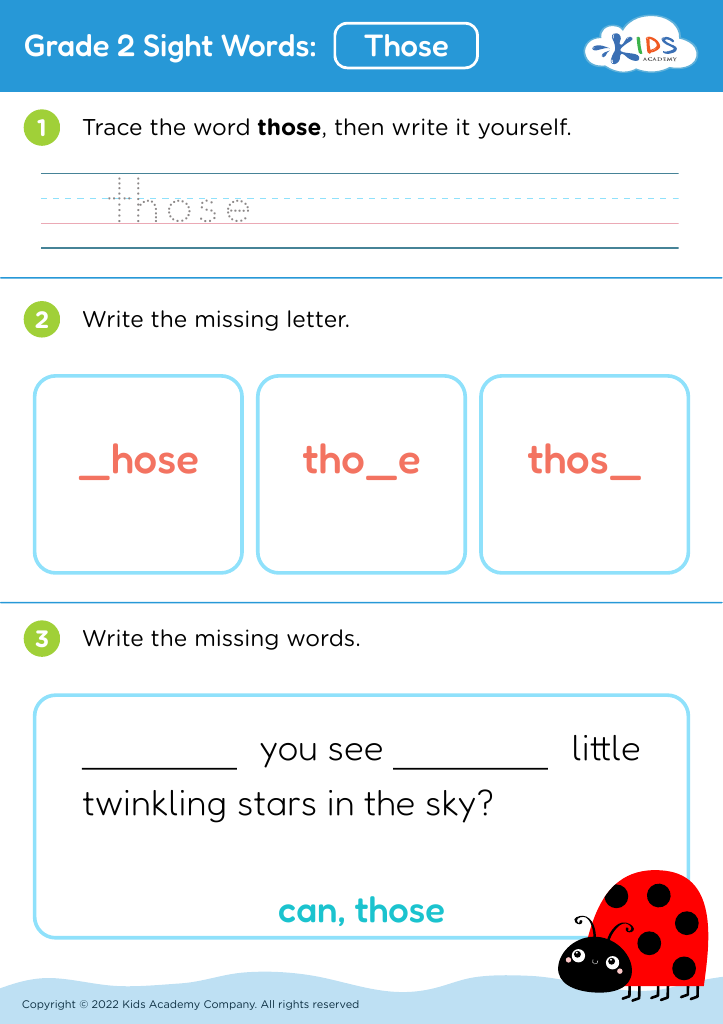
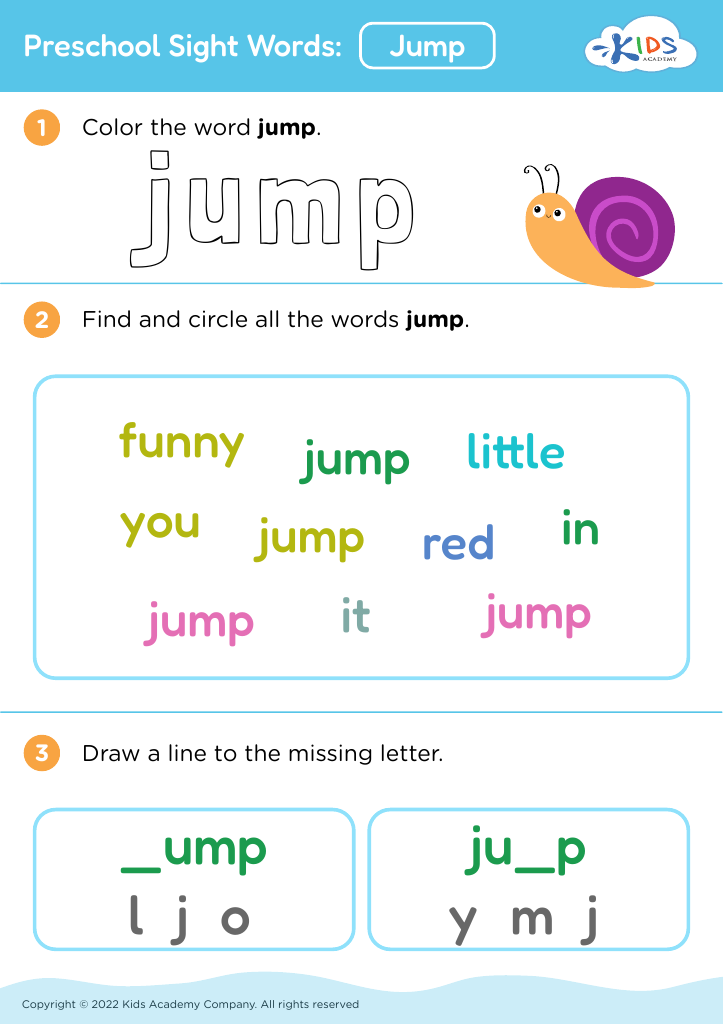
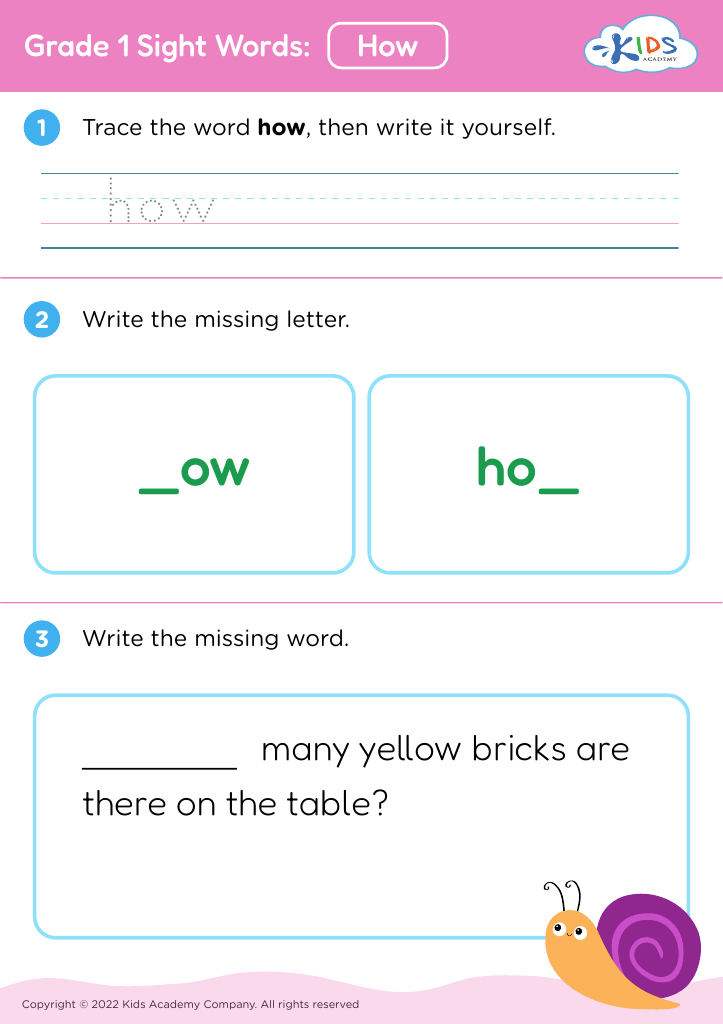
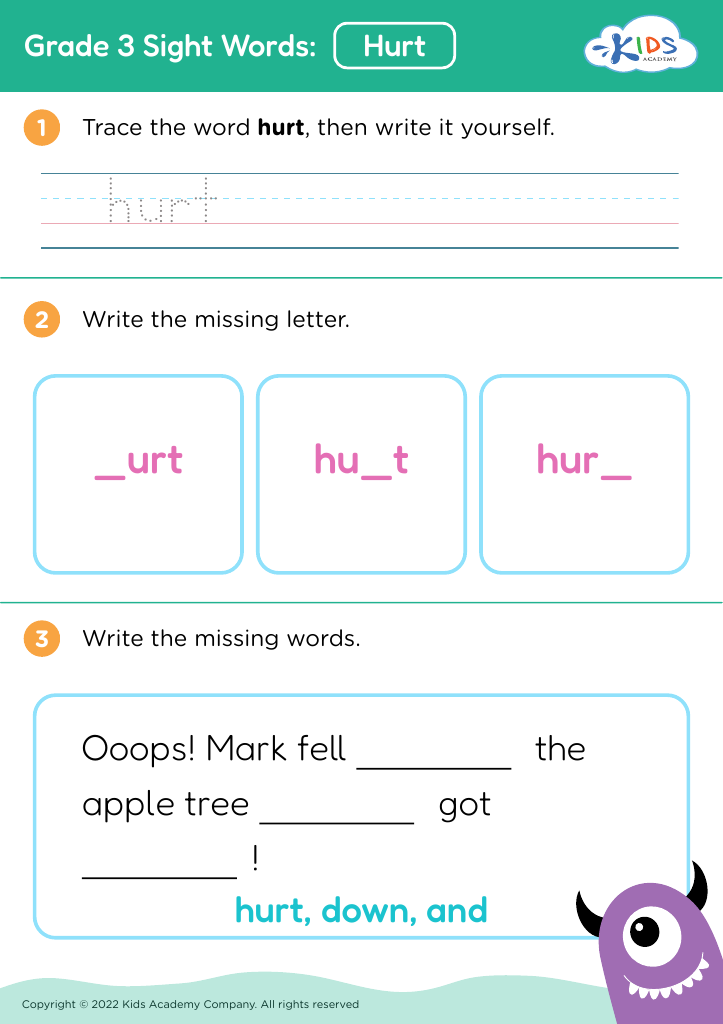
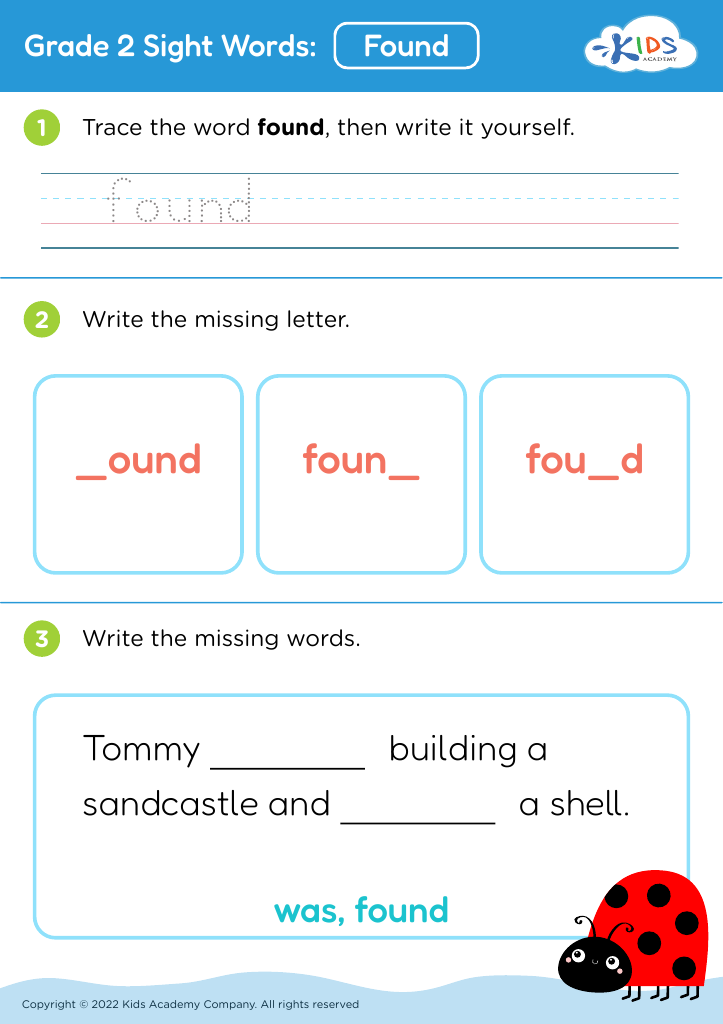
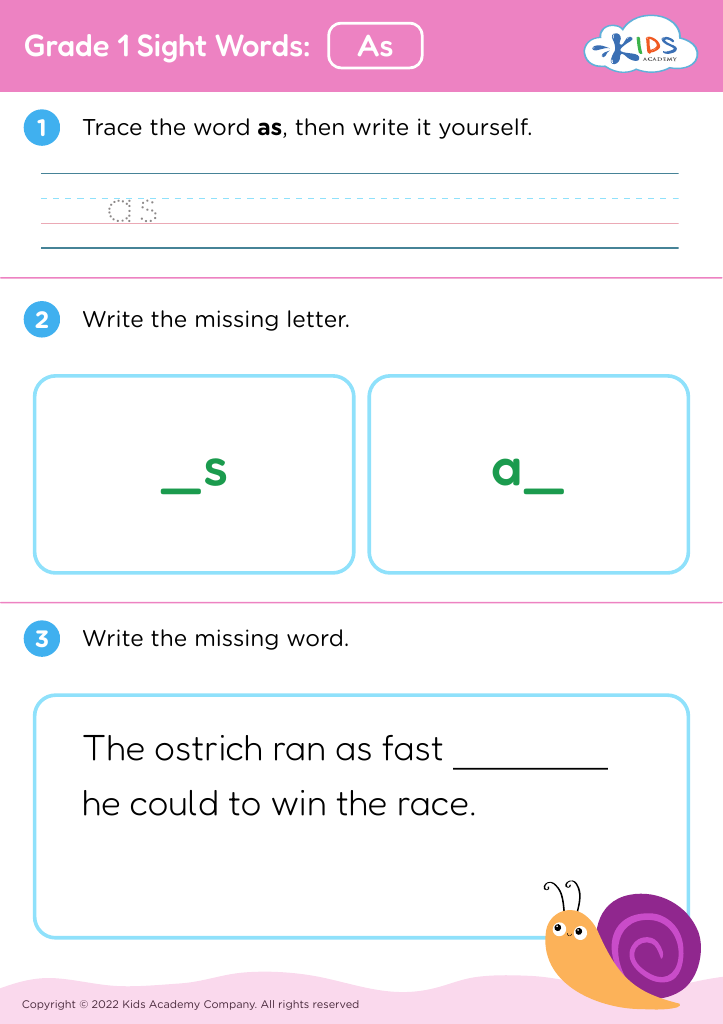
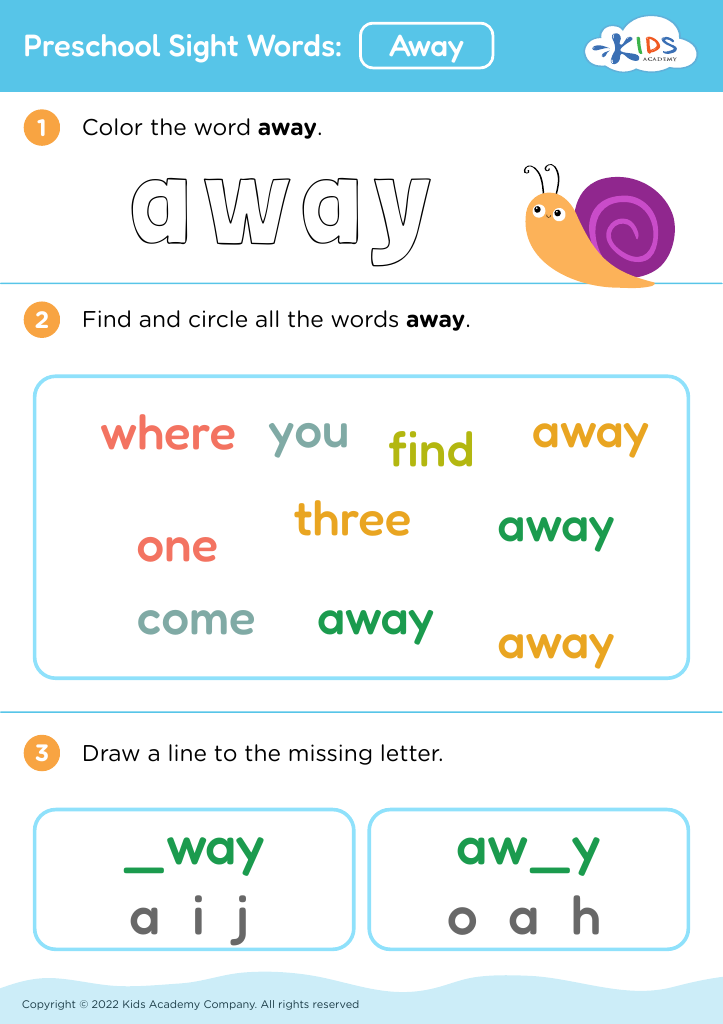
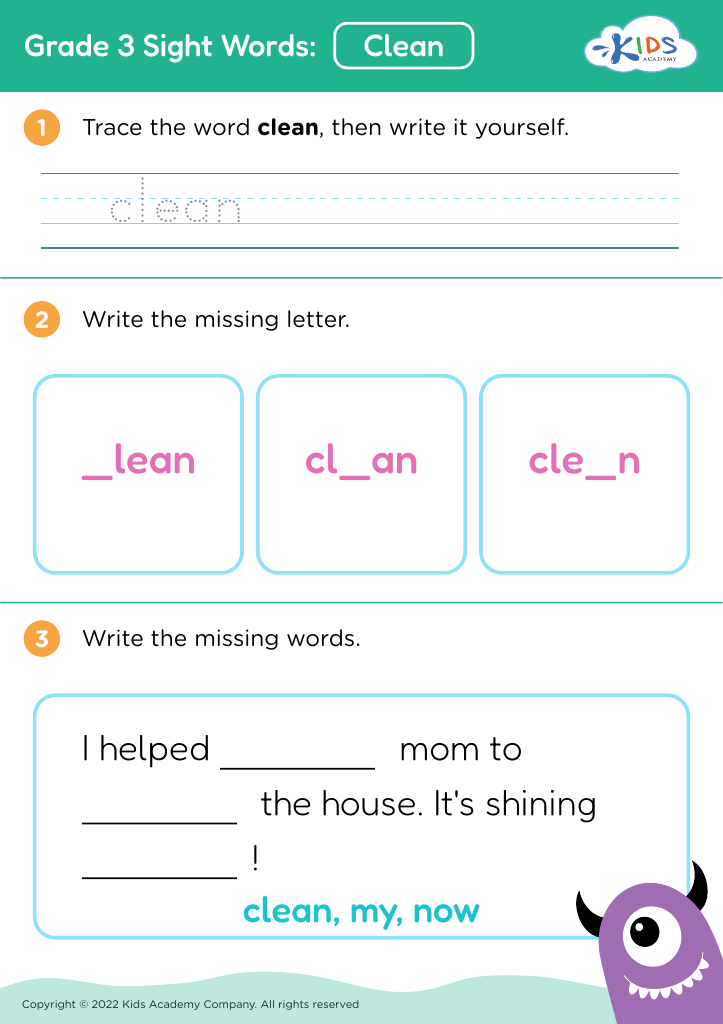
Our Fine Motor Skills Building Vocabulary Worksheets for ages 4-9 are designed to merge literacy development with essential hand-eye coordination practice. Crafted to support young learners, these worksheets enhance vocabulary while engaging children in activities that improve fine motor abilities through writing, cutting, and drawing exercises. Perfect for both classroom and home use, each worksheet comes with visually appealing images and word exercises to boost language skills and physical precision. Help your child excel in both academics and physical development, creating a strong foundation for their future learning journey with our expertly designed worksheets.
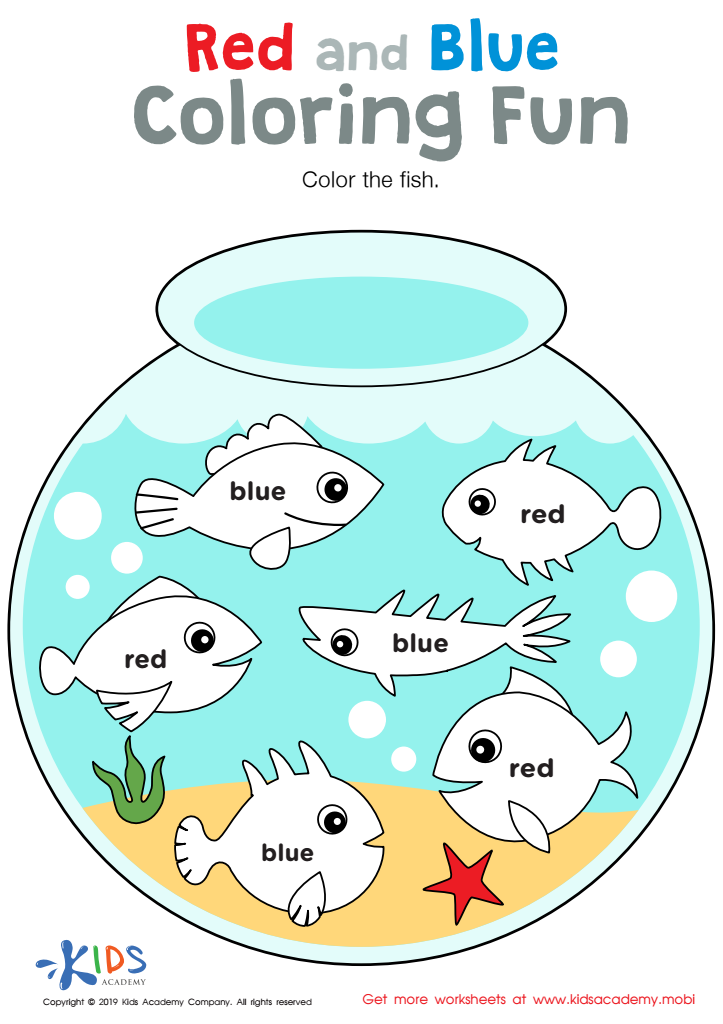
Red and Blue Coloring Fun Worksheet
 Assign to My Students











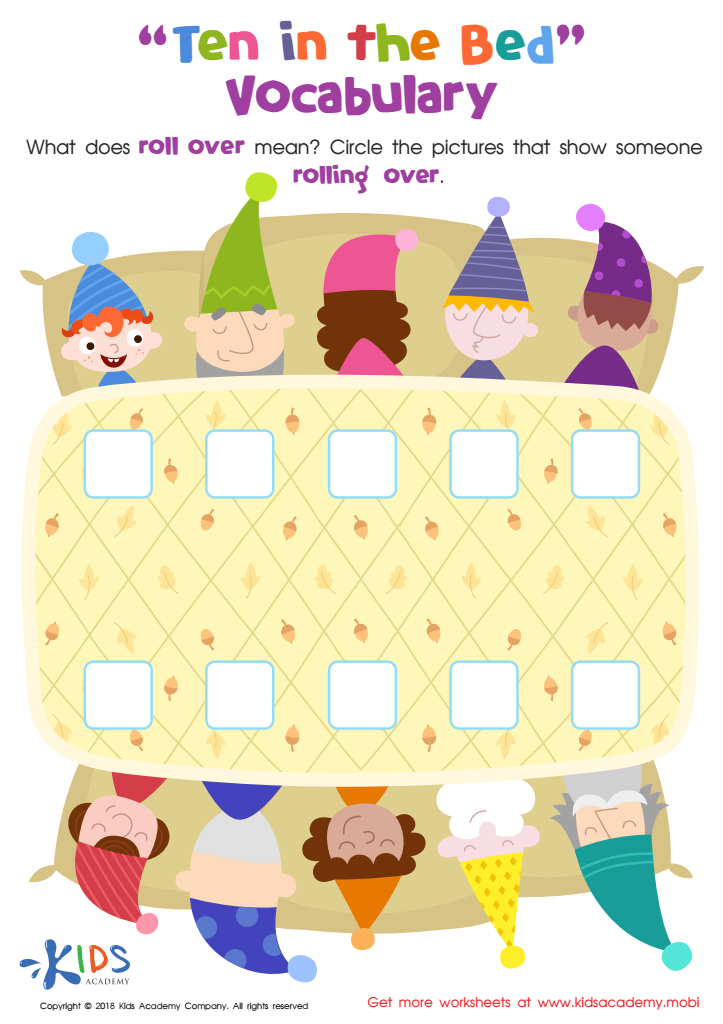
Ten in the Bed: Vocabulary Worksheet
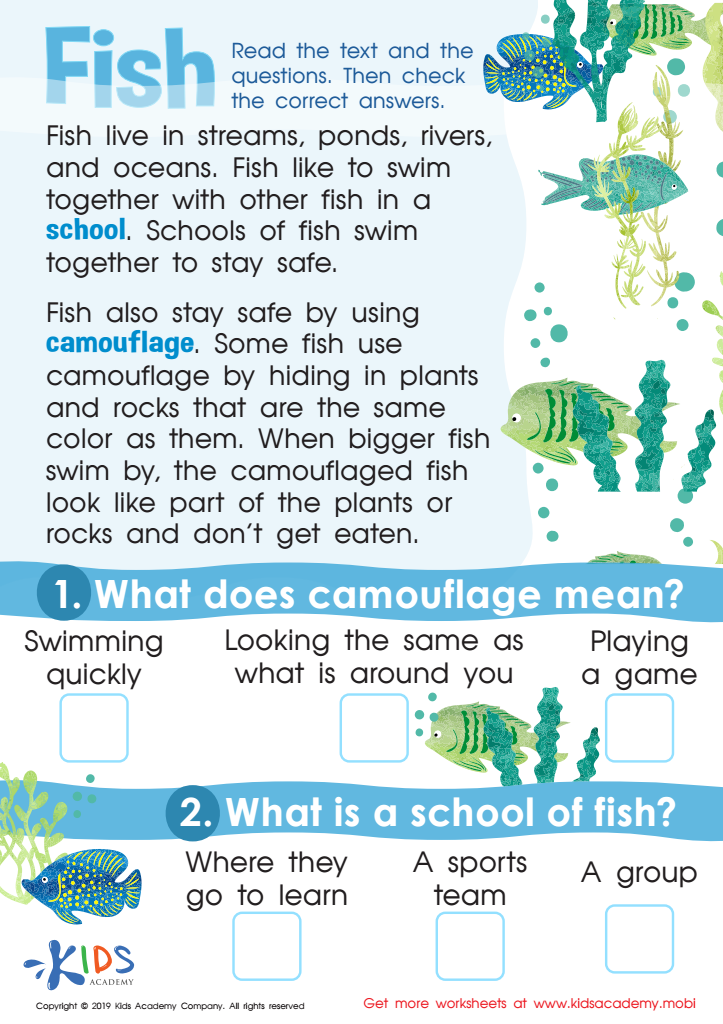
Fish Worksheet
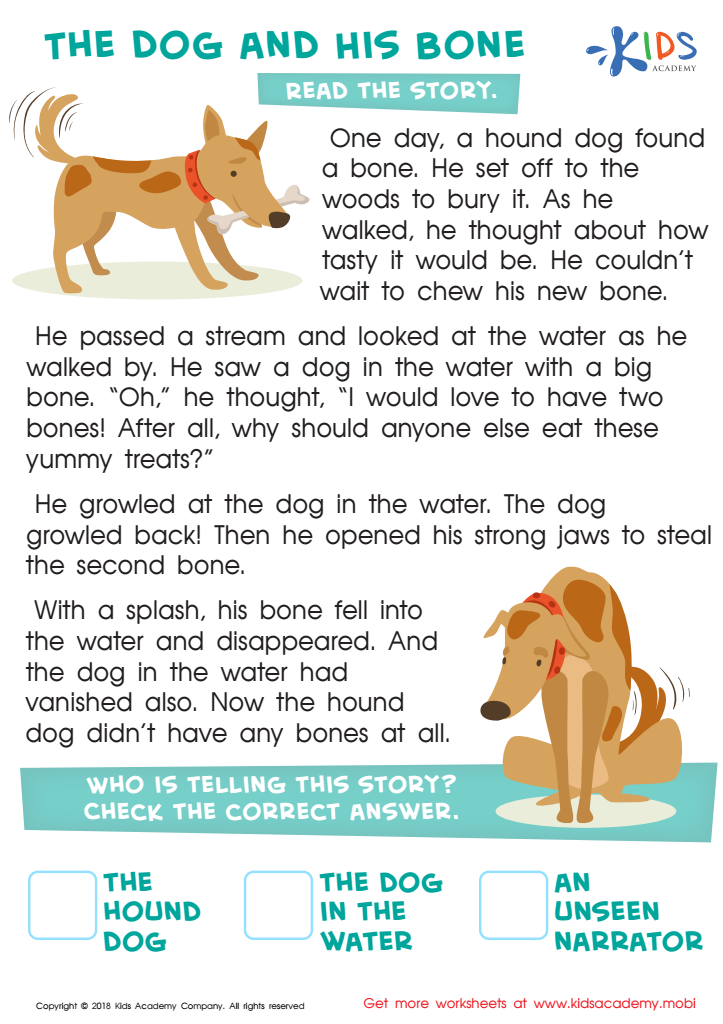
The Dog and His Bone Worksheet
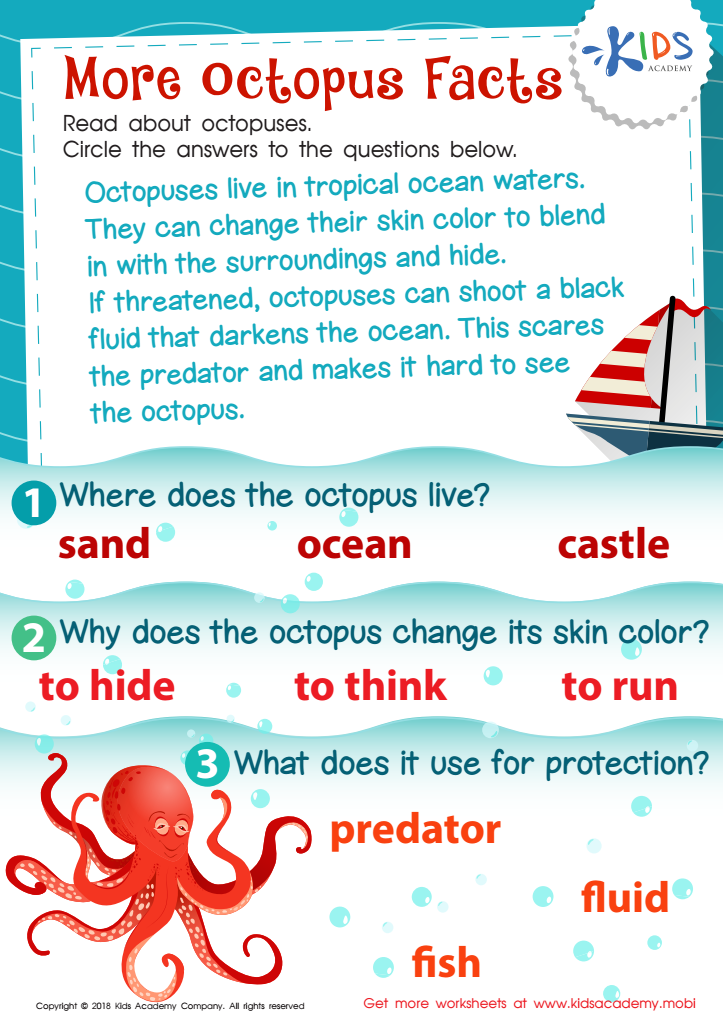
More Octopus Facts Worksheet
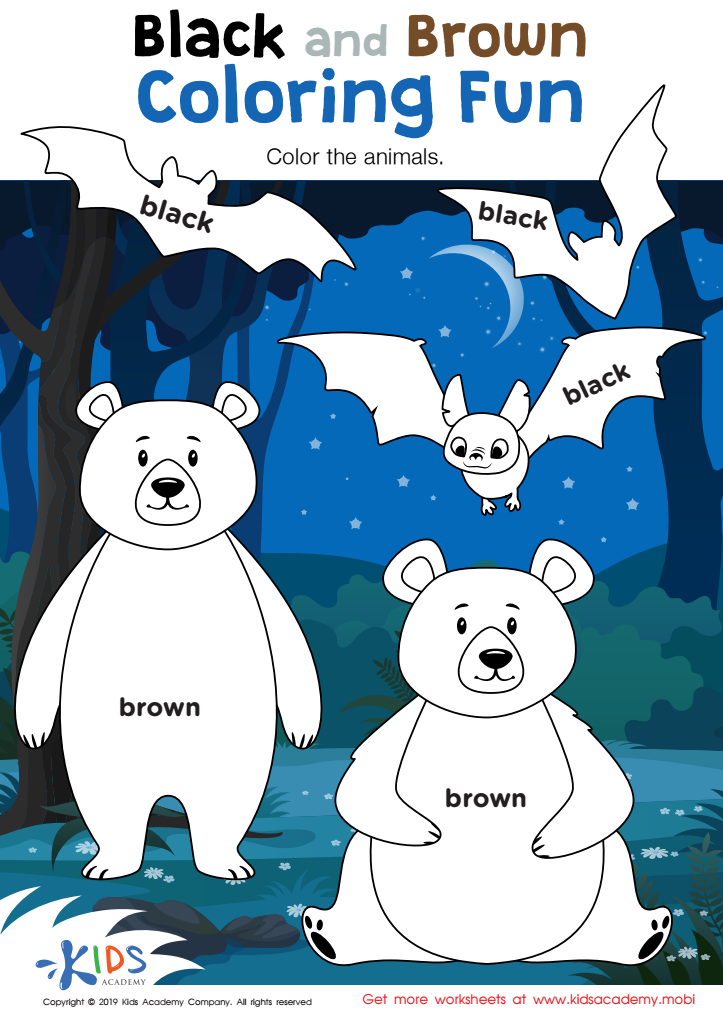
Black and Brown Coloring Fun Worksheet
Assign to My Students
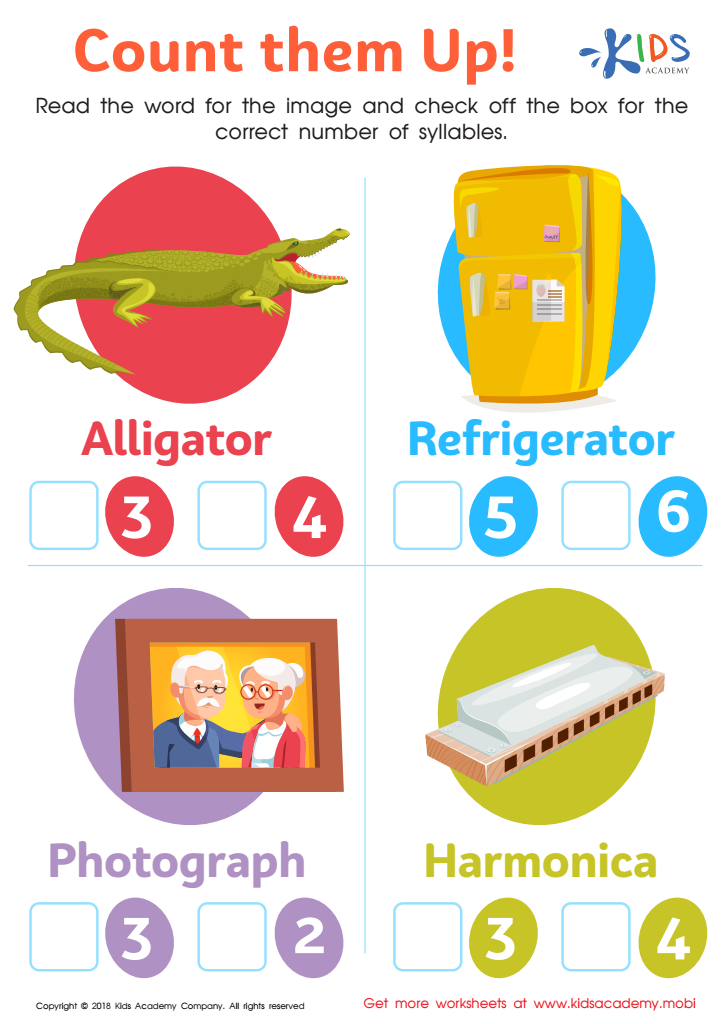
Count Them Up Worksheet
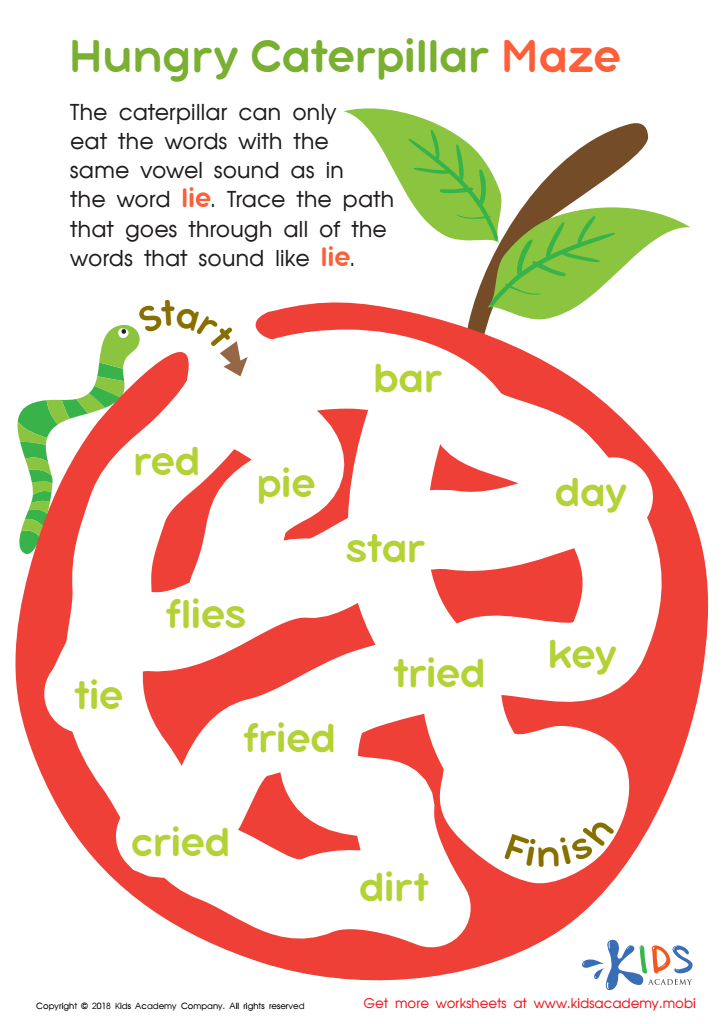
Hungry Caterpillar Maze Worksheet
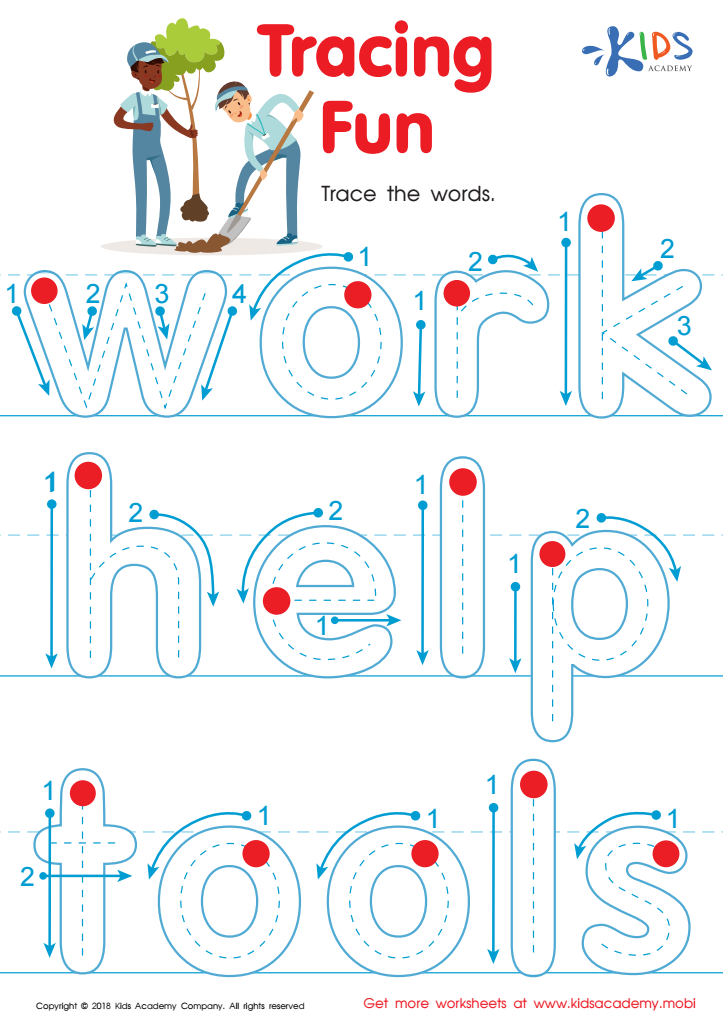
Tracing Fun Worksheet
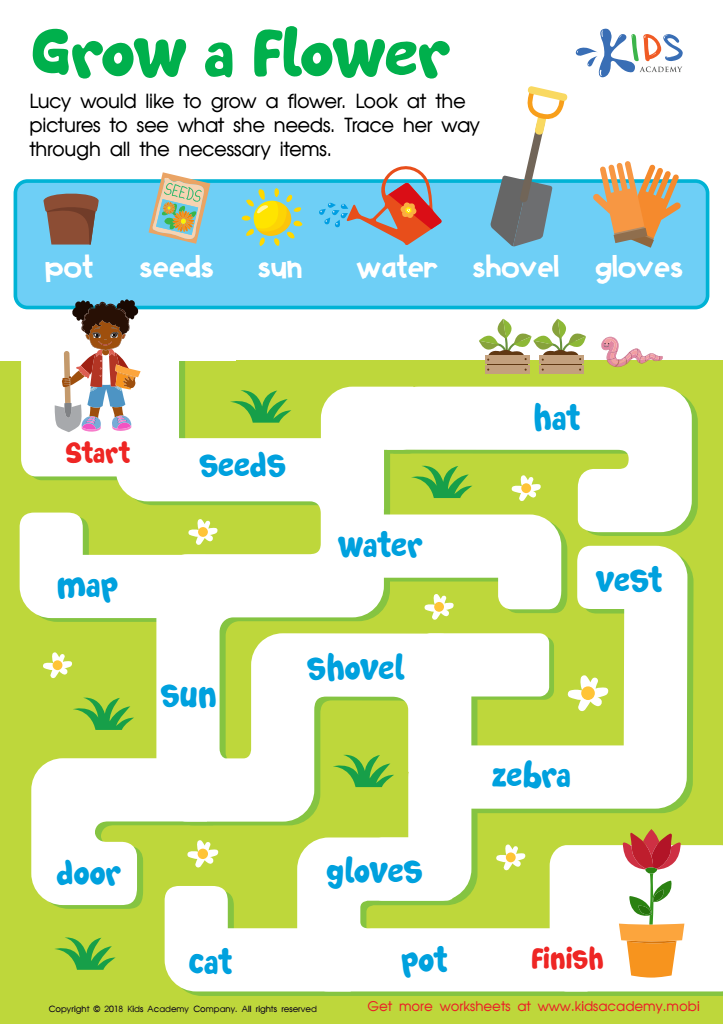
Grow a Flower Worksheet
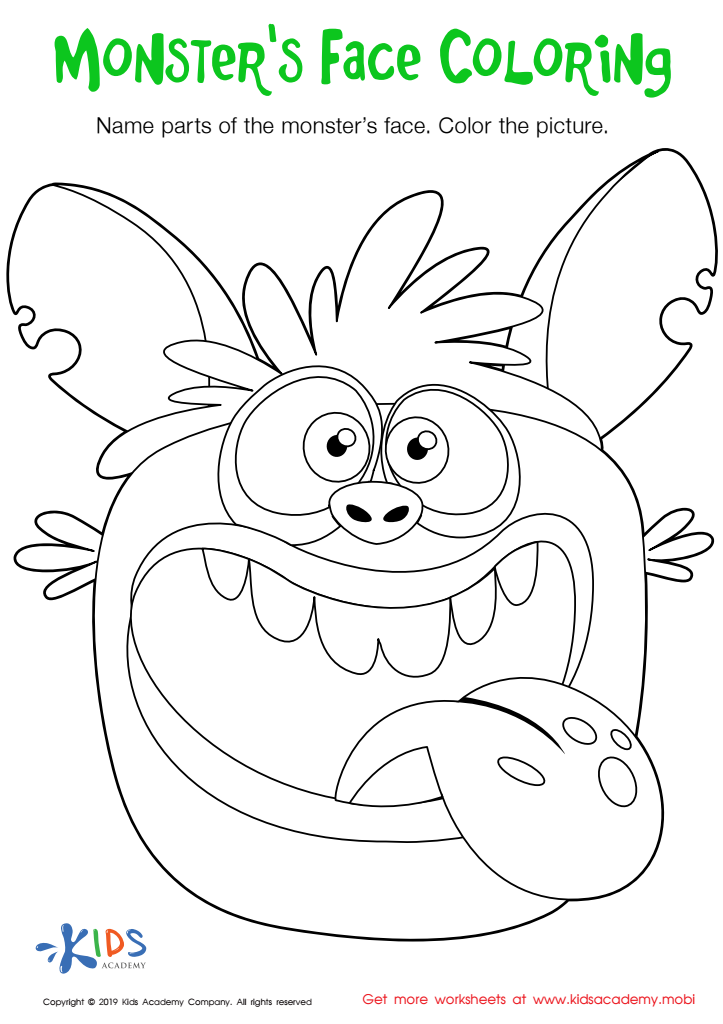
Monster's Face Coloring Worksheet
Assign to My Students
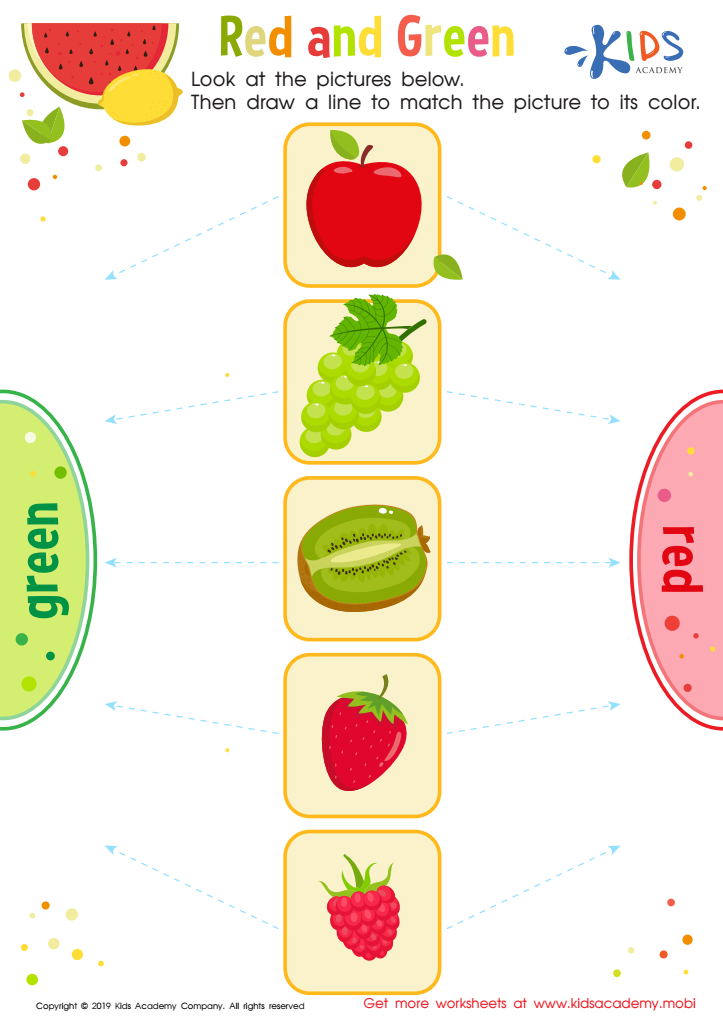
Red and Green Worksheet
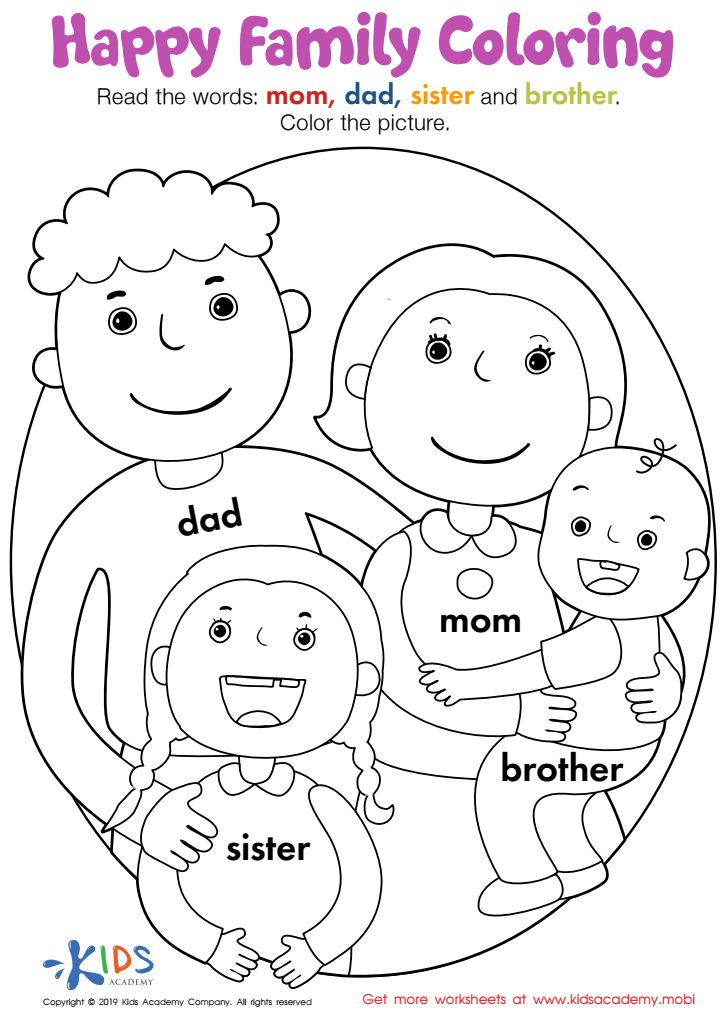
Happy Family Coloring Worksheet
Assign to My Students
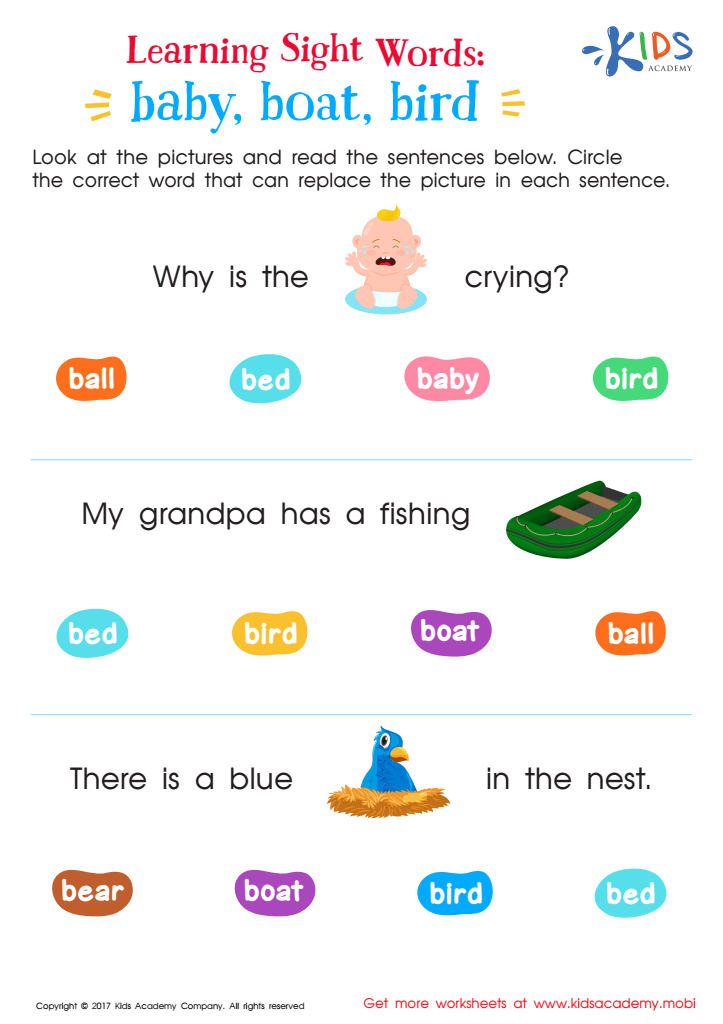
Baby, Boat, Bird Worksheet Sight Words Worksheet
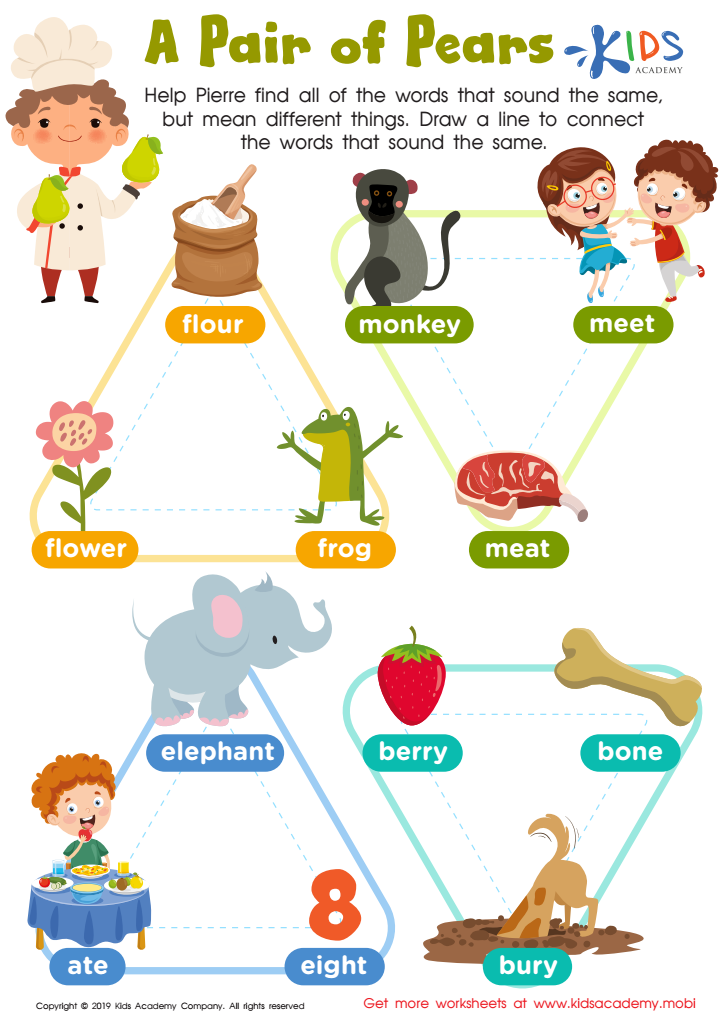
Pair Pears Worksheet
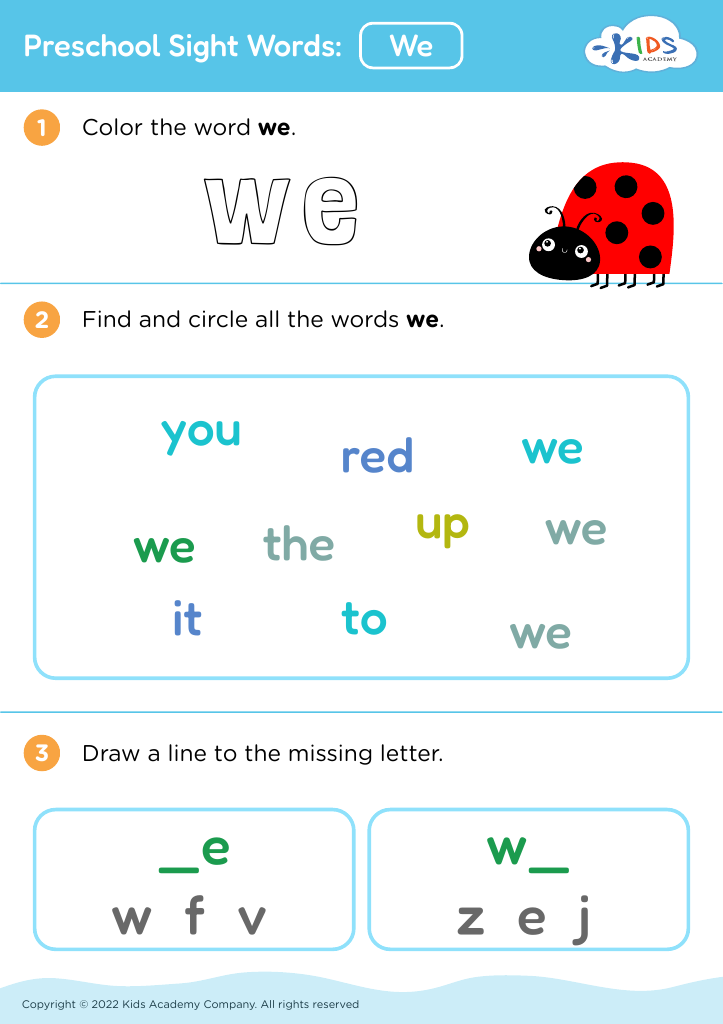







.jpg)
Fine motor skills are crucial for children ages 4-9 as they play an essential role in early development, affecting daily tasks such as writing, cutting, and dressing. Parents and teachers should emphasize building these skills to support academic success and overall well-being. When children enhance fine motor abilities, they gain better control over small muscle movements in the hands and fingers, which directly influences their ability to grasp pencils, manipulate scissors, and engage in arts and crafts. These activities are foundational for classroom learning and often correlate with improved handwriting and comprehension abilities.
Building a relevant vocabulary around fine motor skills also empowers children by helping them understand and articulate their actions and experiences. Terms like gripping, squeezing, and pinching help them follow instructions better during play and learning activities. For educators and parents, using specific vocabulary can create more effective and targeted learning moments.
Moreover, strengthening fine motor skills promotes independence in self-care routines, such as buttoning shirts or tying shoelaces, which boosts a child's confidence and fosters a sense of responsibility. Addressing fine motor skills early lays a critical foundation for a child’s future educational journey and personal growth, underscoring the importance of integrating these practices into early childhood education.








