Improve reading comprehension Building Vocabulary Worksheets for Ages 4-9
6 filtered results
-
From - To
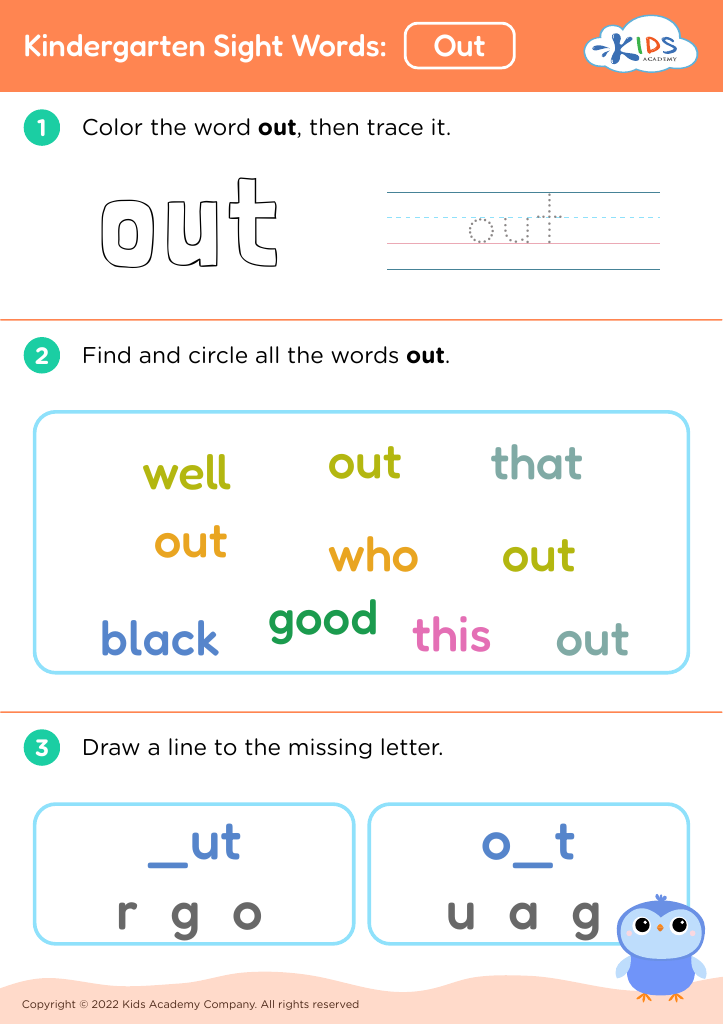
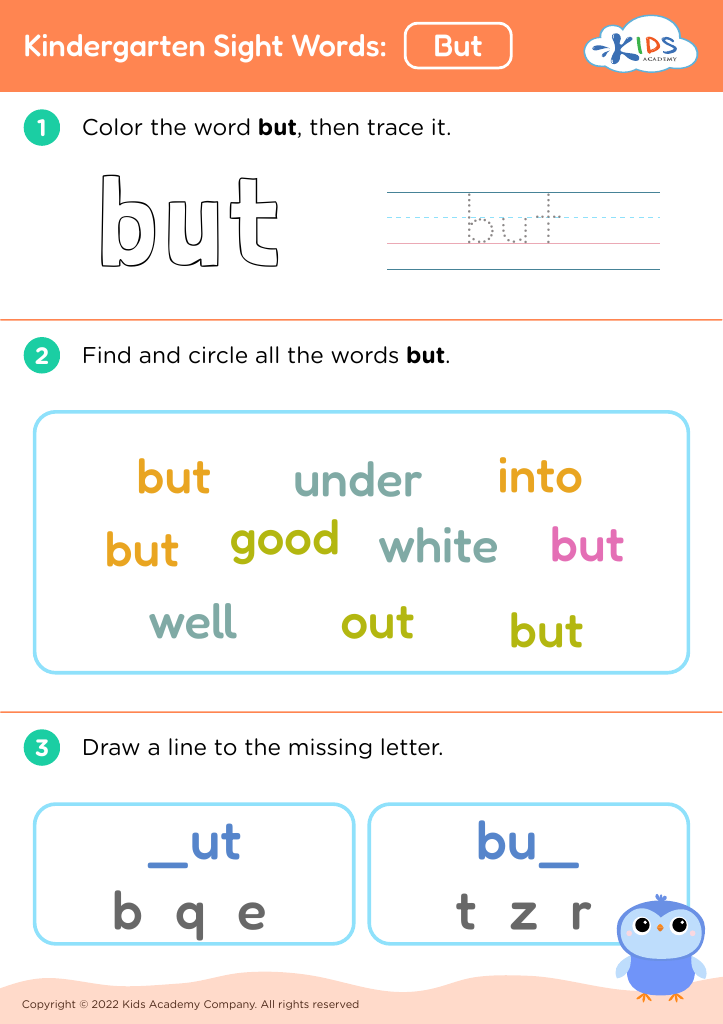
Our "Improve Reading Comprehension Building Vocabulary Worksheets for Ages 4-9" are designed to enhance your child's language skills through engaging and effective exercises. These printable worksheets are tailored for young learners, focusing on expanding vocabulary, strengthening word recognition, and improving understanding of texts. Each activity challenges kids while keeping learning fun and interactive. By integrating context-based activities, our worksheets support kids in mastering essential reading comprehension skills, boosting their confidence and academic performance. Perfect for home or classroom use, these resources pave the way for successful lifelong reading habits. Set your child on the path to reading success today!
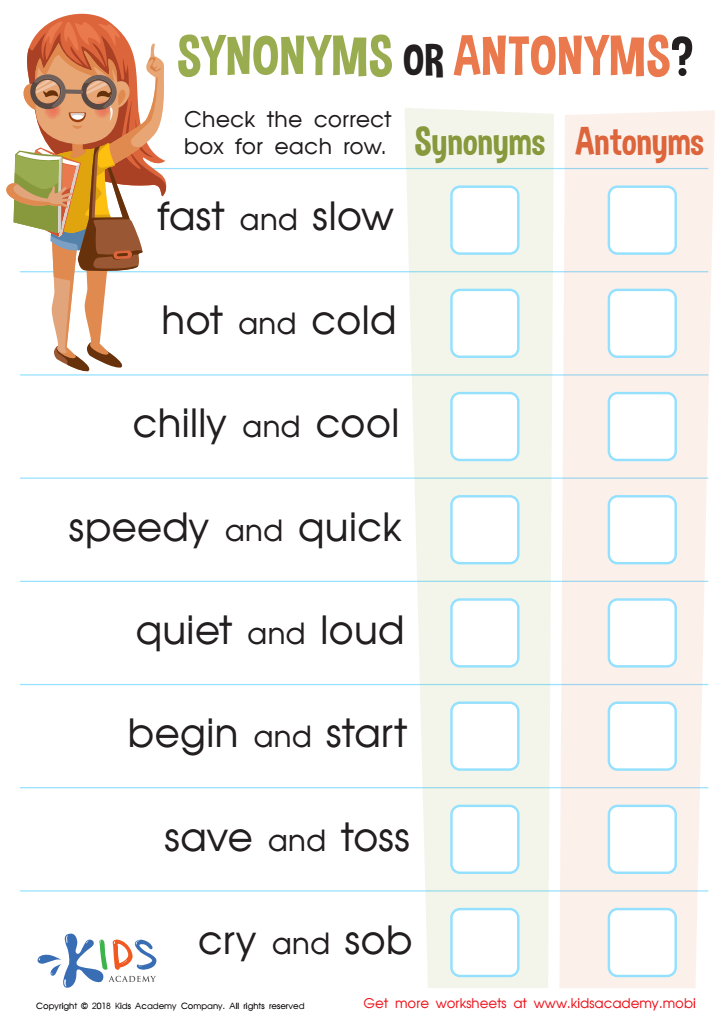
Synonyms or Antonyms: Assessment Worksheet
 Assign to My Students











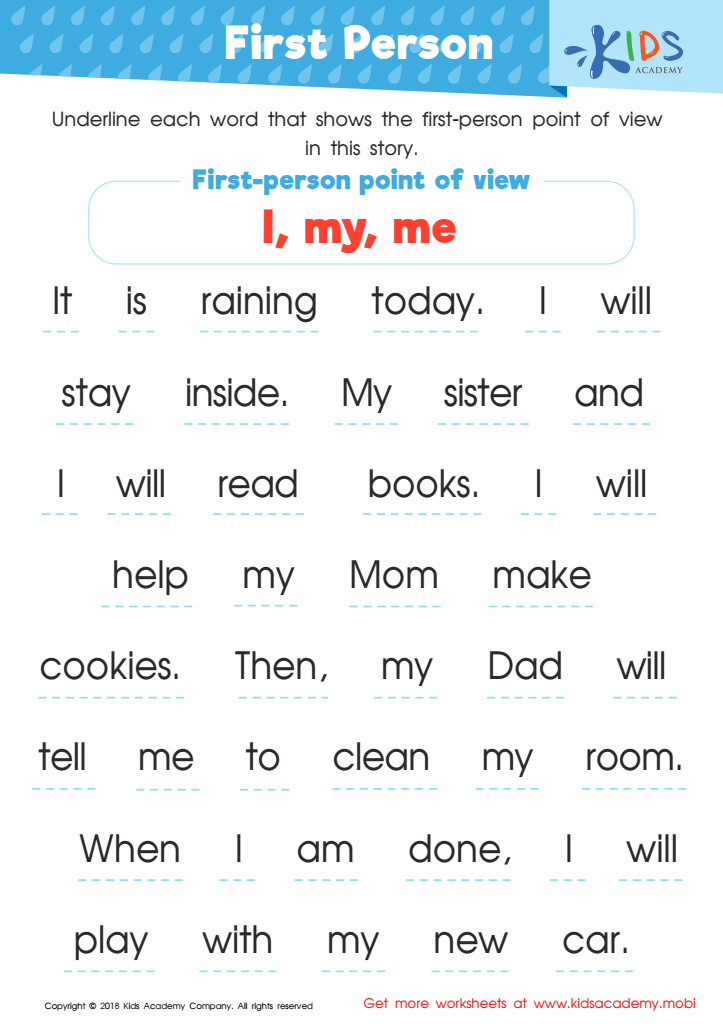
First Person Worksheet




.jpg)


Improving reading comprehension and building vocabulary are crucial components of early childhood education, especially for children aged 4-9. During these formative years, children's brains are especially receptive to acquiring new language skills, which form the foundation for future academic success. Children with strong vocabularies and reading comprehension skills are better equipped to understand and engage with complex texts as they progress through school.
By enhancing vocabulary, parents and teachers provide children with the tools to express themselves more clearly and accurately. This not only boosts their communication skills but also nurtures critical thinking. Children start making connections between words, concepts, and real-world situations, laying the groundwork for effective problem-solving abilities.
Reading comprehension is equally important because it transforms the act of reading from simple word-decoding to actually understanding and gaining insights from the text. Strong reading comprehension skills help children follow instructions better, grasp new concepts more quickly, and develop a love for learning. Additionally, children who can read well are more likely to perform better across various subjects, including science, mathematics, and social studies.
Good reading habits established early on can instill a lifelong love for reading, turning inquisitive young minds into knowledgeable, articulate adults. Parents' and teachers' focus on these skills sets children on a path of continuous learning, curiosity, and academic achievement.








