Filters

8 filtered results

Clear all filters
Favorites
With answer key
Interactive

8 filtered results

Difficulty Level

Grade


Enhance your child's reading skills with our engaging Letter Recognition Building Vocabulary Worksheets, designed specifically for ages 4-9. These interactive worksheets focus on helping young learners identify and understand letters while expanding their vocabulary in a fun and stimulating way. Each activity is tailored to boost recognition skills, ensuring that children not only learn the alphabet but also develop a strong language foundation. Easy to use at home or in the classroom, these worksheets encourage a love for learning through colorful visuals and imaginative exercises. Give your child the tools they need for future reading success with our effective and enjoyable resources!

Check out this FREE Trial Lesson on Building Vocabulary for age 4-9!

Sight Word Review

Favorites
With answer key
Interactive
  • 4-9
  • Letter recognition
  • Building Vocabulary
What Starts with B and R? Worksheet

What Starts with B and R? Worksheet

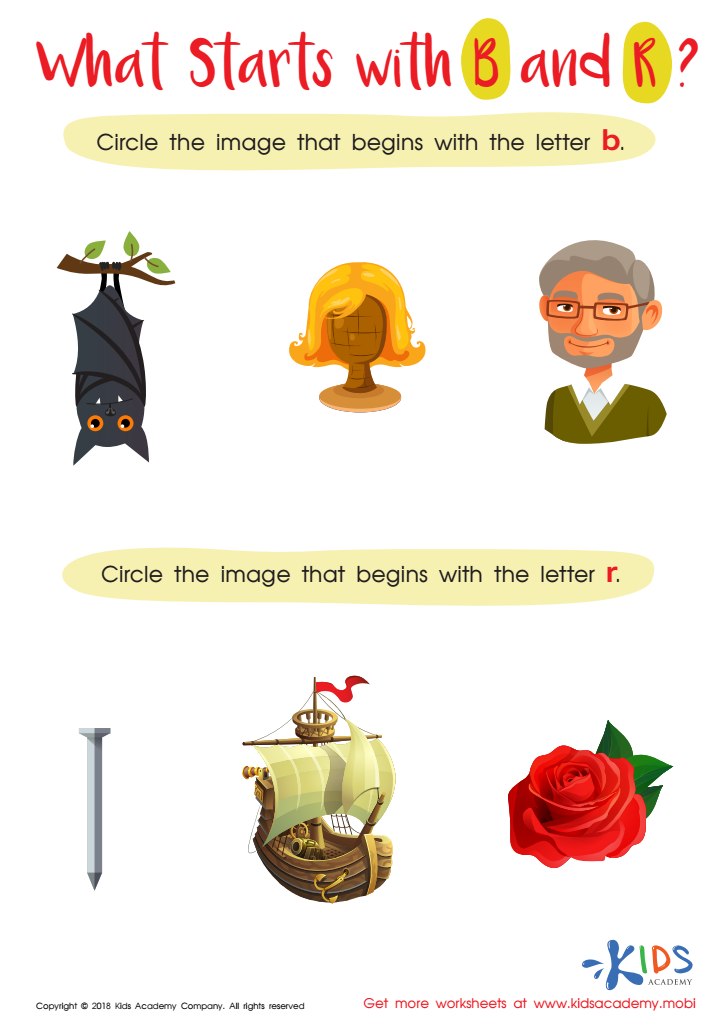
Download this worksheet to help young readers practice visual and motor skills! They'll enjoy matching pictures with "B" and "R" letters while tracing the images. Bright and colorful, this engaging activity will help kids differentiate between words and have fun doing it.
What Starts with B and R? Worksheet
Worksheet
Recognize Letters l and i Worksheet

Recognize Letters l and i Worksheet

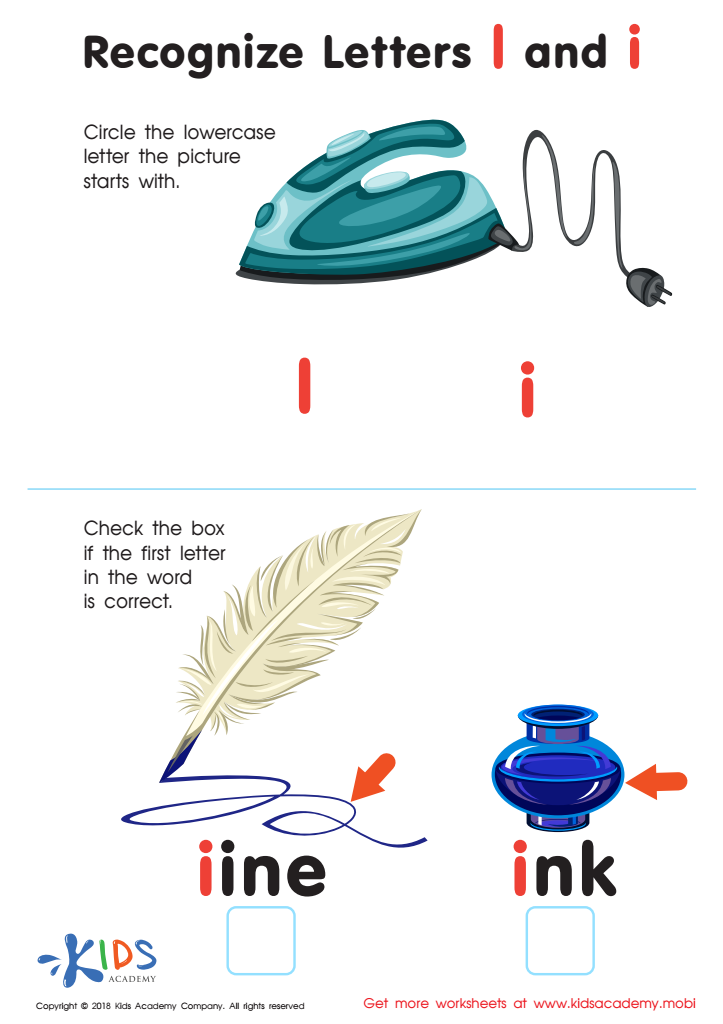
Help your child become familiar with uppercase and lowercase letters. Have them look at the pictures in the worksheet and circle the lowercase letter the picture starts with. For example: which one is the lowercase "i", the capital "I" or the small "i"?
Recognize Letters l and i Worksheet
Worksheet
Tracing Fun Worksheet

Tracing Fun Worksheet

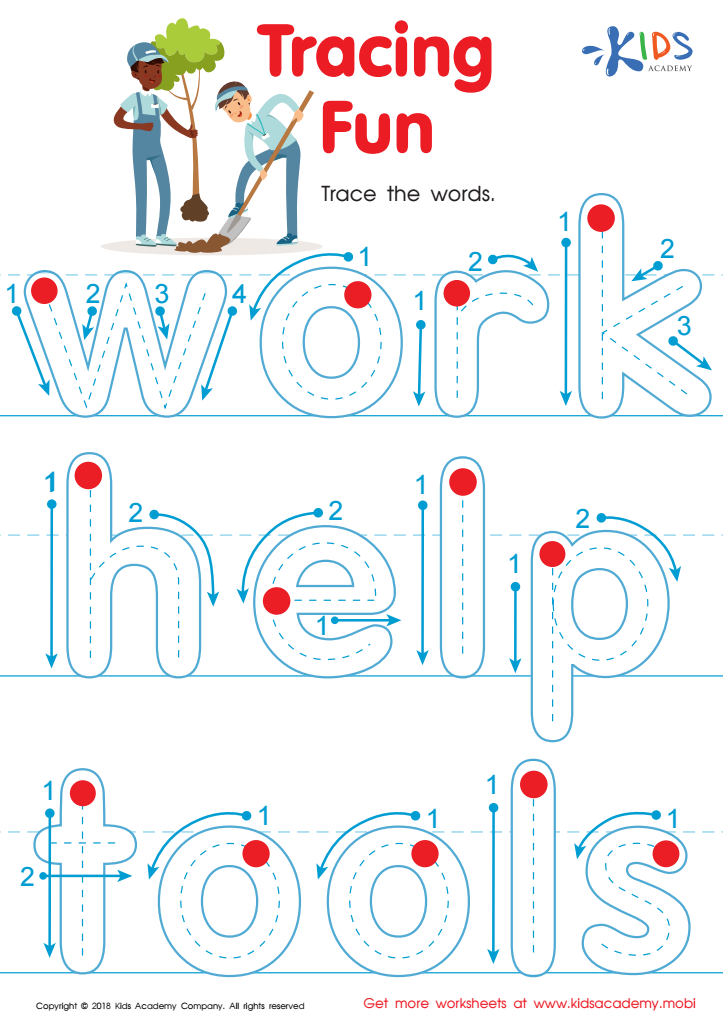
Believe it or not, good handwriting helps with reading! Starting at the top left and writing legibly builds reading skills. This free worksheet helps little learners practice basic sight words. Red dots show them where to start and the words provide reinforcement without them realising. An enjoyable way to boost their reading and writing.
Tracing Fun Worksheet
Worksheet
Arrange the Letters Worksheet

Arrange the Letters Worksheet

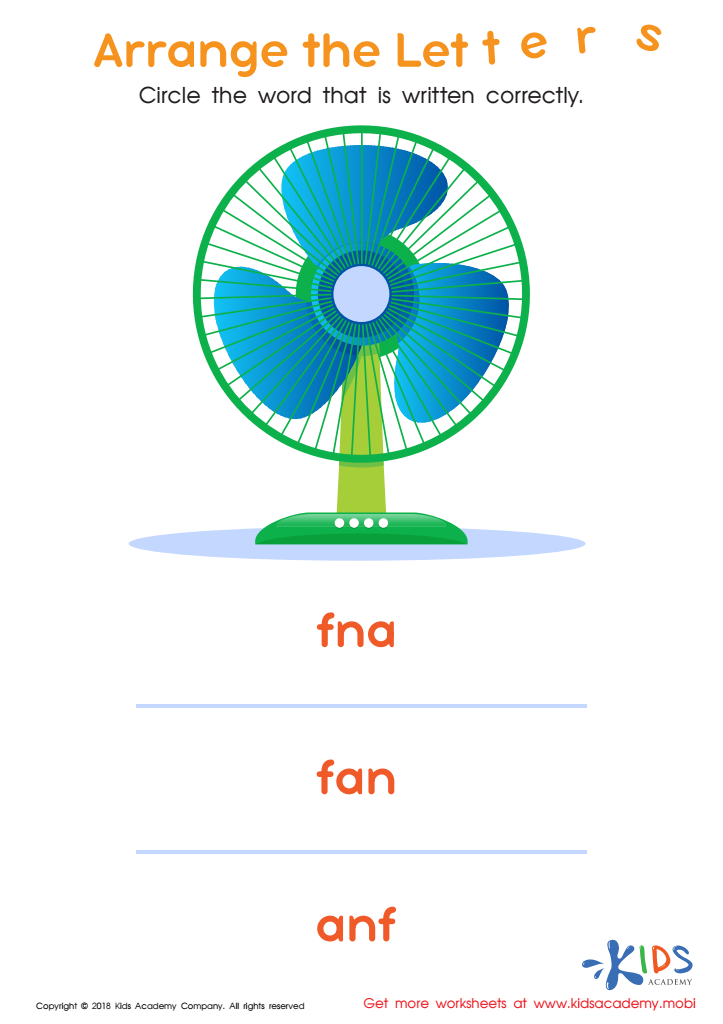
Test your kids' spelling skills with this worksheet! Show them the picture and ask what it stands for. Then, have them choose the correct spelling from the options given. Check their answer by circling the right one.
Arrange the Letters Worksheet
Worksheet
Sight Word Worksheet: Baby, Boat, Bird

Baby, Boat, Bird Worksheet Sight Words Worksheet
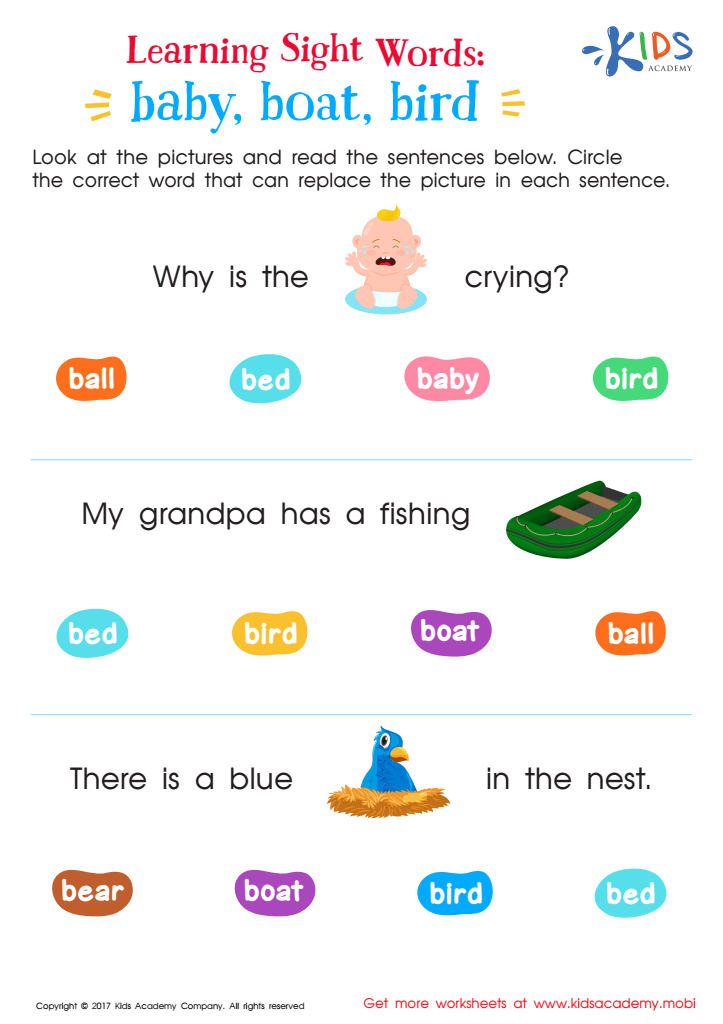
Sight words are an essential part of fluency; help kids build it by writing and reading them. This worksheet is a great way to start.
Baby, Boat, Bird Worksheet Sight Words Worksheet
Worksheet
“B” Words Printable Worksheet

First Words Worksheet

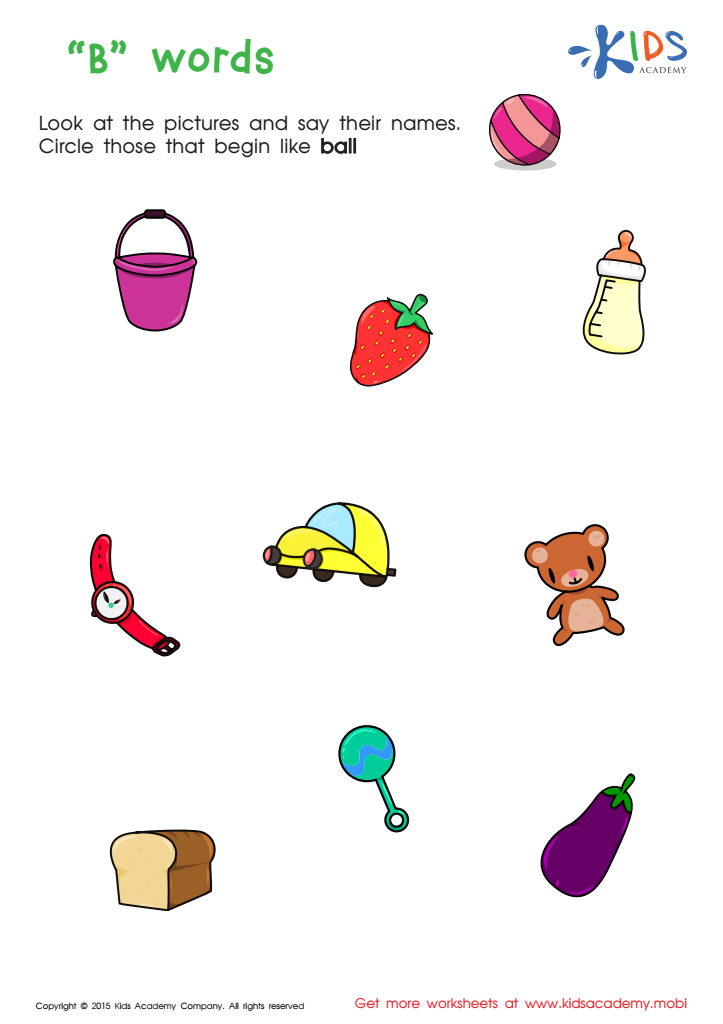
Want to help your preschooler learn to read and write? Start with this 'B' words printable worksheet. It will help your child match pictures to the letters they know, sound out words, and build literacy. Once they understand the concept, they can start sounding out words and building reading skills.
First Words Worksheet
Worksheet
Sight Words Worksheet: B Words

"B" Words Printable Sight Words Worksheet
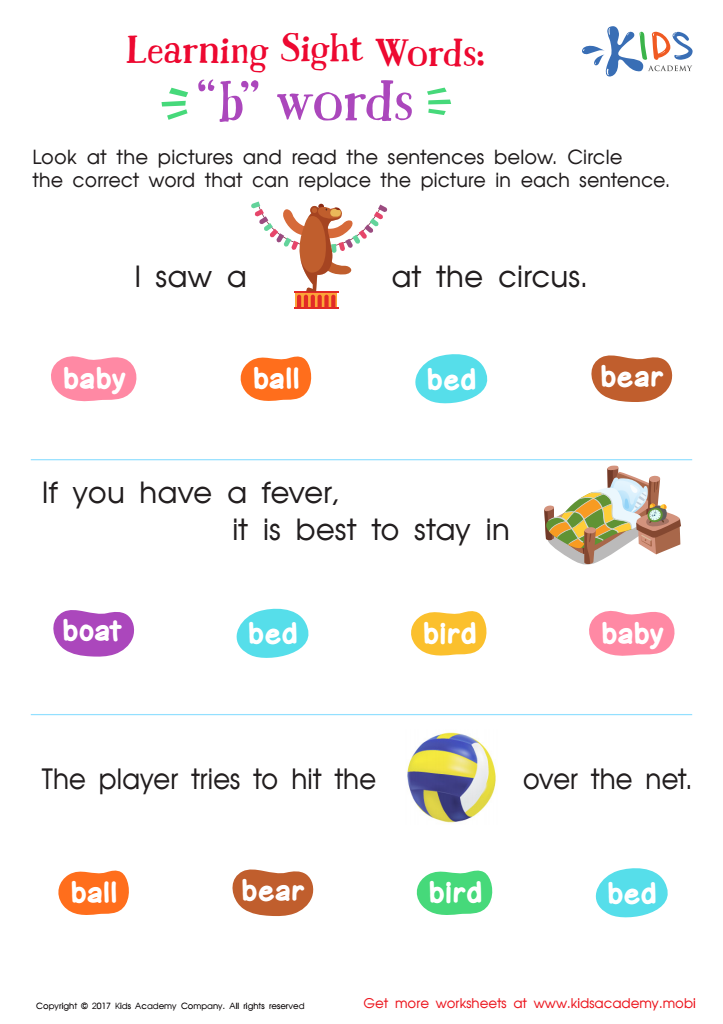
Kids will learn sight words quickly with this fun worksheet! "B" Words offers guided practice with simple sentences and pictures. Build your child's reading confidence with this helpful worksheet and watch them become a master!
"B" Words Printable Sight Words Worksheet
Worksheet
Pre reading worksheet guess my name

Pre Reading Worksheet Guess My Name

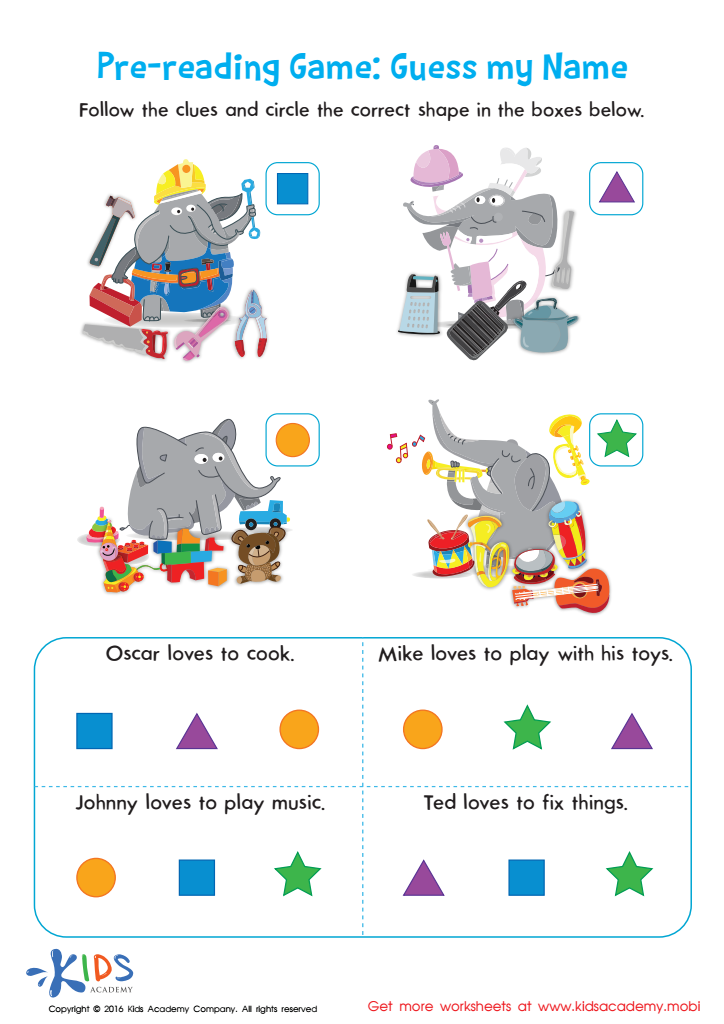
Guess My Name is a fun way to practice inference skills. Guess My Name is a fun pre-reading game to help your child practice drawing inferences from clues. With colorful illustrations, they'll use clues to match each elephant with its sentence and sharpen their inference skills.
Pre Reading Worksheet Guess My Name

Worksheet


Letter recognition and vocabulary building are crucial components of early childhood education, particularly for children ages 4-9. During these formative years, children are developing essential literacy skills that lay the groundwork for future academic success. Understanding letters helps children decode words, facilitating reading and writing. Letter recognition allows them to identify and use sounds associated with written language, creating a strong foundation for phonemic awareness.

Building vocabulary is equally important, as it enhances a child's comprehension and communication skills. A rich vocabulary empowers children to express themselves effectively and understand what they read and hear. Parents and teachers who focus on these skills provide children with the tools needed to articulate thoughts, make sense of their environments, and build confidence in social interactions.

Engaging in activities that promote letter recognition and vocabulary expansion, such as reading aloud, interactive games, and conversations, make learning enjoyable and effective. Moreover, fostering these skills early on supports advanced literacy development, which is closely linked to overall academic achievement. Ultimately, parents and teachers who prioritize letter recognition and vocabulary building create a supportive foundation for lifelong learning and inquisitiveness, significantly influencing children’s futures.