Shape Recognition Building Vocabulary Worksheets for Ages 4-9
7 filtered results
-
From - To
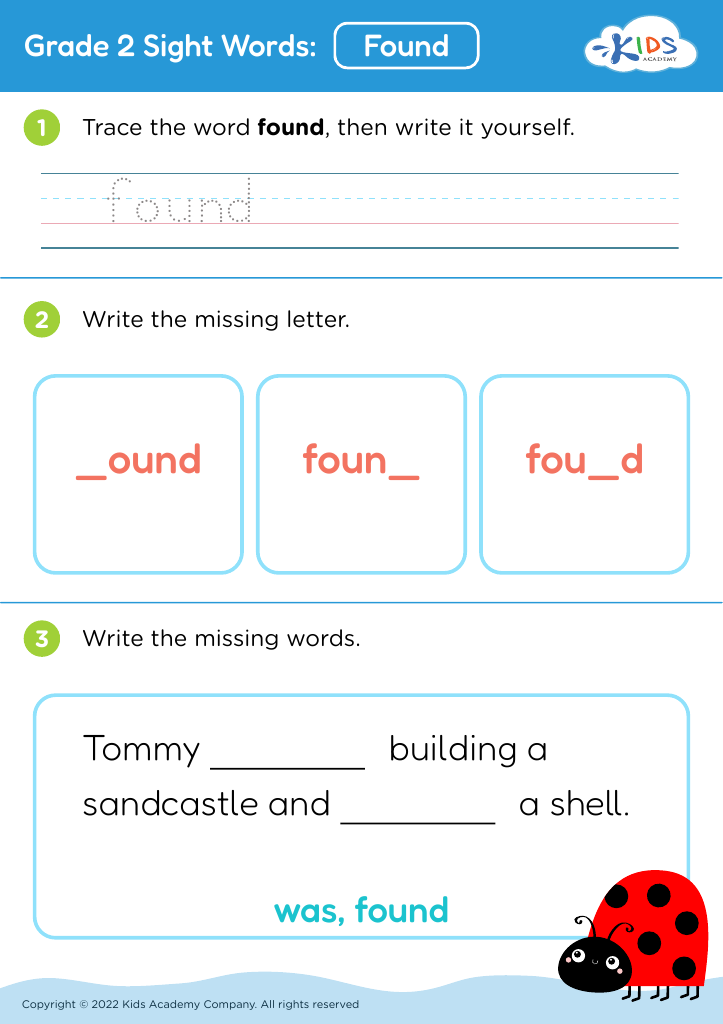
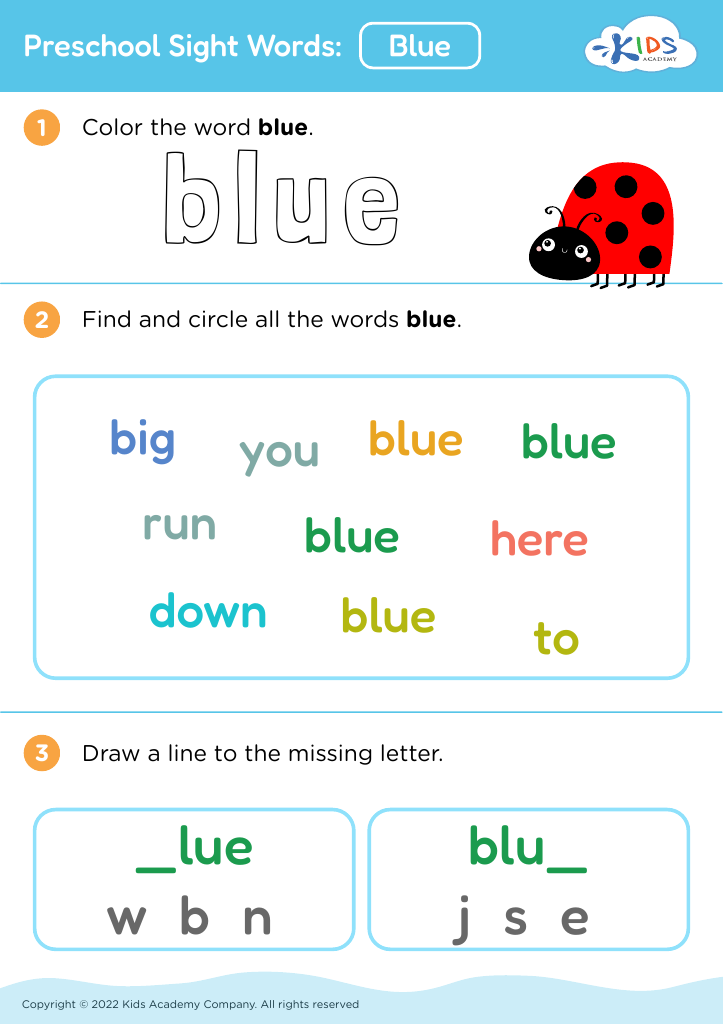
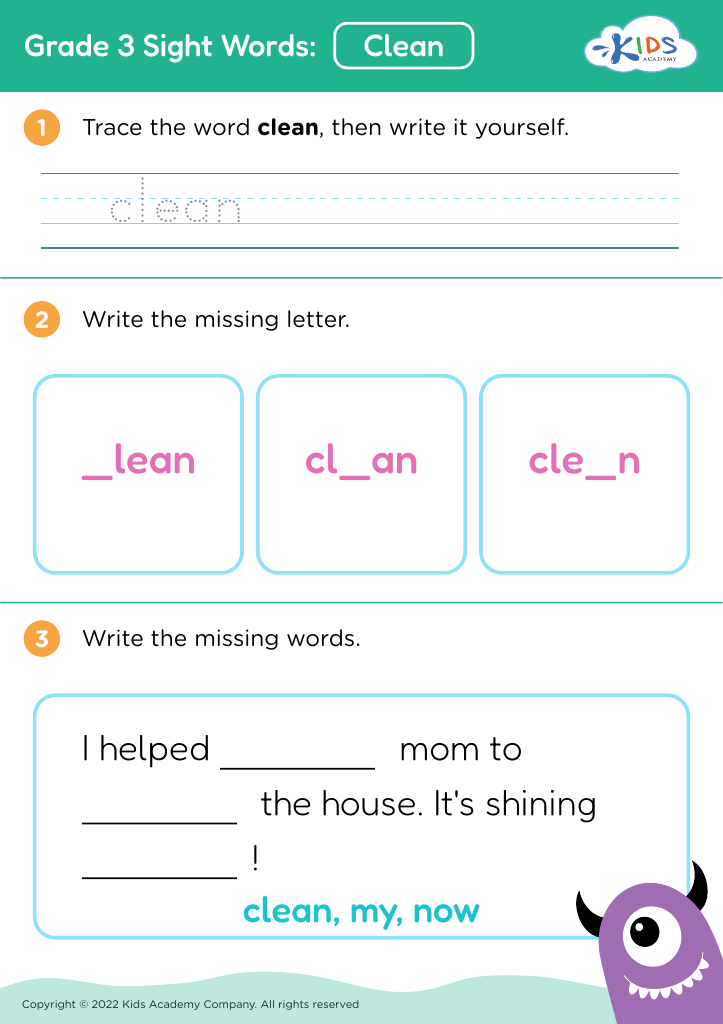
Enhance your child’s learning experience with our Shape Recognition Building Vocabulary Worksheets, specially designed for ages 4-9. These engaging worksheets combine fun with education, helping young learners identify and name various shapes while boosting their vocabulary skills. With colorful visuals and interactive activities, children will explore shapes through tracing, matching, and creative drawing exercises. Our resources are designed to foster cognitive development and improve language skills, ensuring a well-rounded learning approach. Perfect for both home and classroom use, these worksheets support early math and literacy education, making learning shapes an exciting adventure for your child. Download and start today!



















Shape recognition is a crucial developmental milestone for children aged 4-9, as it lays the foundation for various cognitive skills. Understanding shapes helps children identify and categorize objects in their environment, enhancing their spatial awareness and problem-solving abilities. This knowledge is not only important in mathematics—such as geometry and understanding symmetry—but also in everyday contexts, from art projects to constructing models.
Incorporating shape recognition into vocabulary building is equally essential. As children learn the names and characteristics of different shapes, they expand their linguistic capabilities, which is vital for effective communication. By discussing and identifying shapes in the environment, teachers and parents create opportunities for rich vocabulary development, enhancing literacy skills. This dialogue fosters critical thinking, as children engage in discussions about shape properties while relating them to their surroundings.
Moreover, early shape recognition and vocabulary acquisition promote confidence in young learners. When children can articulate their thoughts and make connections to abstract concepts, they are more likely to participate in classroom activities, leading to a love for learning. Ultimately, emphasizing shape recognition and vocabulary in early education creates a strong foundation for comprehensive skill development that supports lifelong learning.








