Basic Addition Skills Reading Worksheets for Ages 4-9
8 filtered results
-
From - To
Discover our engaging Basic Addition Skills Reading Worksheets for ages 4-9! Perfectly tailored for young learners, these worksheets combine fun reading exercises with essential addition practice. Kids will develop foundational math skills while enjoying captivating stories and colorful illustrations. Ideal for classroom use or additional home practice, these worksheets promote reading comprehension and numerical proficiency in one delightful package. Through various exercises, children practice basic addition concepts step-by-step, fostering confidence and encouraging a love for learning. Explore now to support your child's math journey with our interactive and educational worksheets!




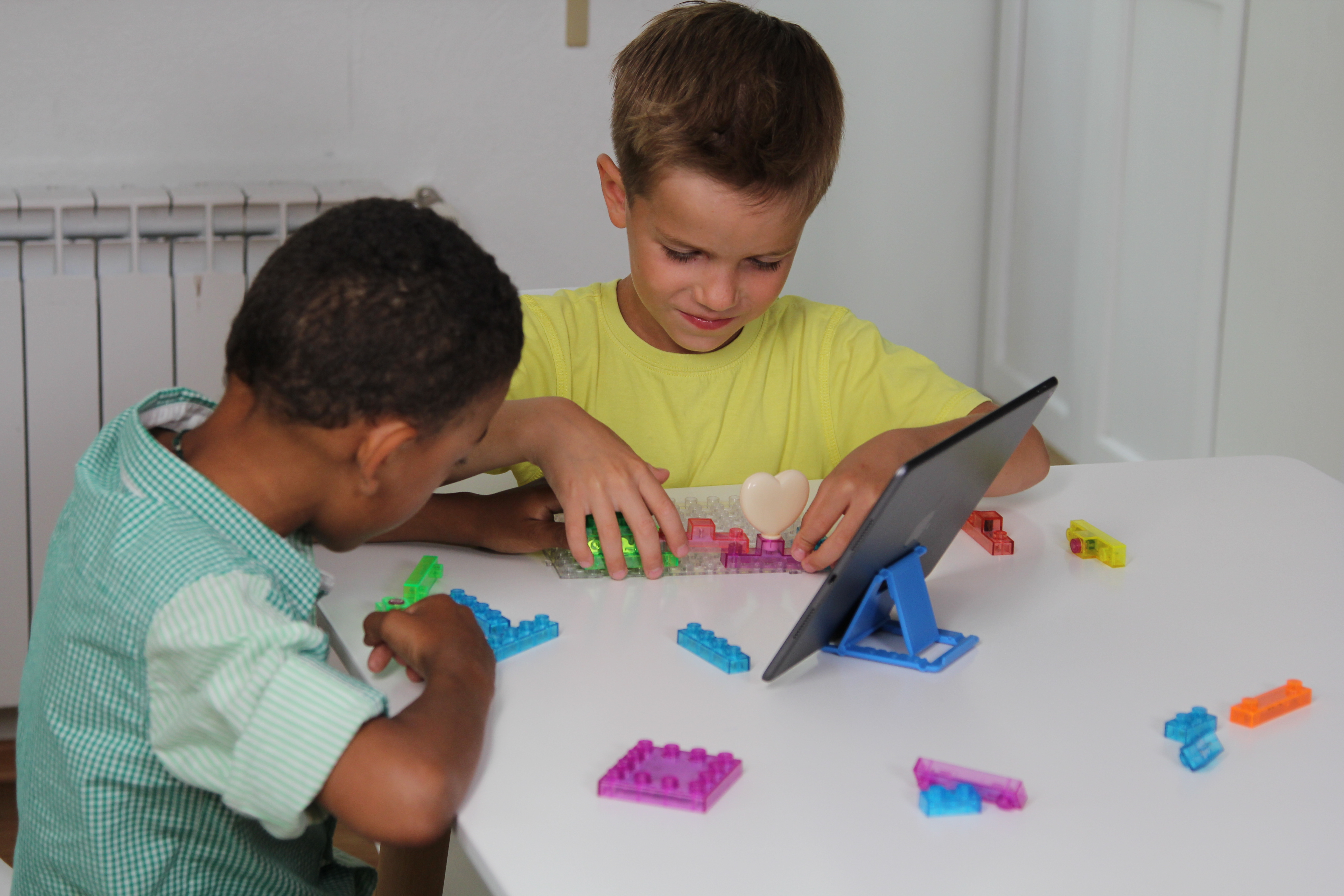


Basic addition skills are a fundamental building block for children's overall mathematical understanding and cognitive development. For ages 4-9, mastering basic addition is the starting point for developing more complex mathematical reasoning and problem-solving abilities, essential skills in both academic and everyday contexts.
Firstly, a strong grasp of basic addition develops number sense, helping children understand how numbers work together. This foundation is crucial for future learning in subjects such as algebra, geometry, and beyond. Without a solid base, students might struggle to keep up with more advanced concepts, leading to frustration and a lack of confidence in their abilities.
In addition to cognitive benefits, early proficiency in addition promotes positive attitudes towards learning mathematics. When children experience success with basic concepts, they build confidence, which encourages them to tackle more challenging tasks with a growth mindset.
From a practical standpoint, addition skills are used in daily life, from counting money to telling time. Early math competency can thus make daily tasks easier and enhance a child's independence.
Parents and teachers play a critical role in nurturing these skills, fostering a supportive environment that encourages practice and application. By prioritizing basic addition skills for young children, adults can help set the stage for a lifetime of academic success and practical numeracy.








