Basic arithmetic practice Reading Worksheets for Ages 4-9
4 filtered results
-
From - To
Introduce your young learners to the world of numbers with our Basic Arithmetic Practice Reading Worksheets designed for ages 4-9. Our engaging and interactive worksheets effortlessly combine reading skills with foundational math practice, helping children develop a strong arithmetic foundation. Featuring colorful visuals and fun characters, each worksheet encourages kids to add, subtract, and understand basic number concepts through intriguing stories and exercises. Perfect for classroom or home use, our worksheets aim to make learning an enjoyable experience and foster a lifelong interest in math. Equip your child with the essential tools to excel in both reading and arithmetic today!
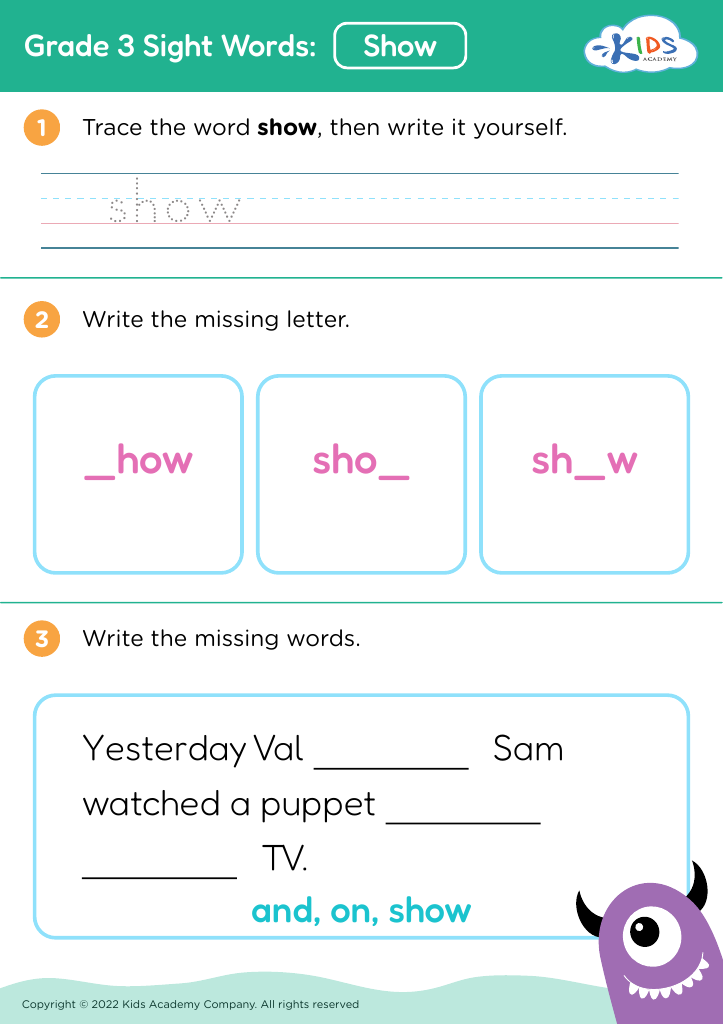
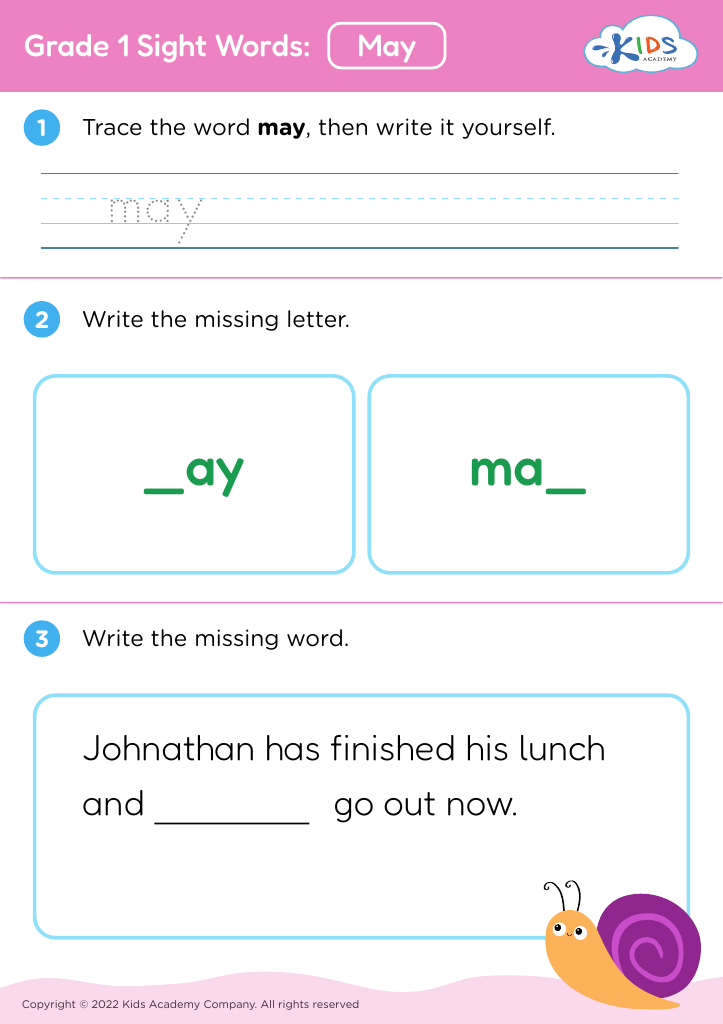
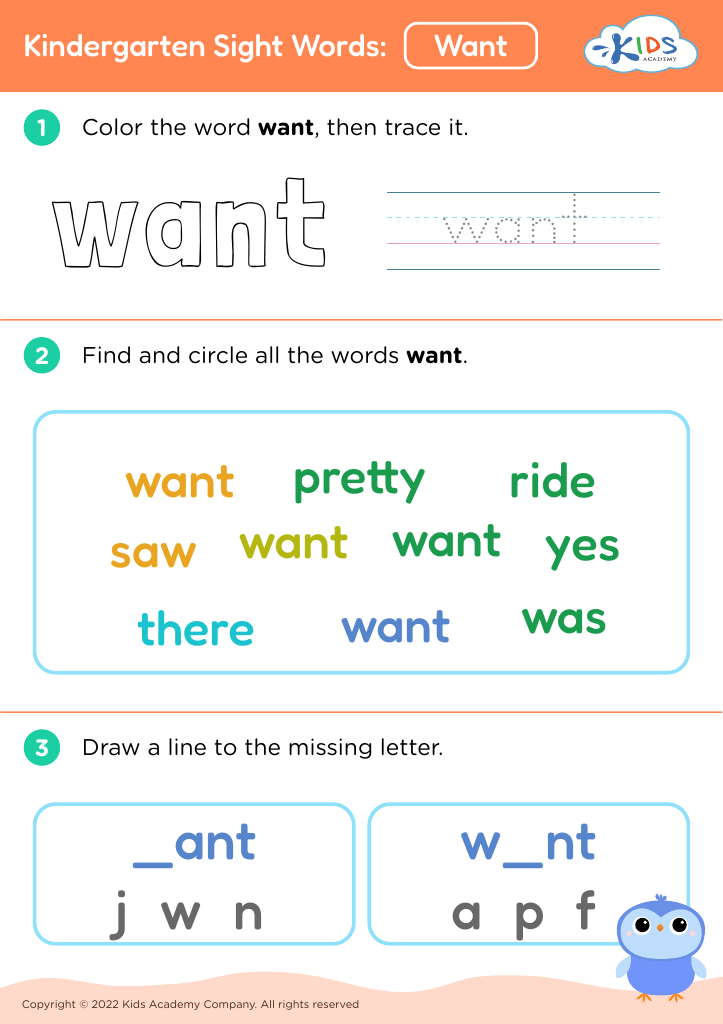
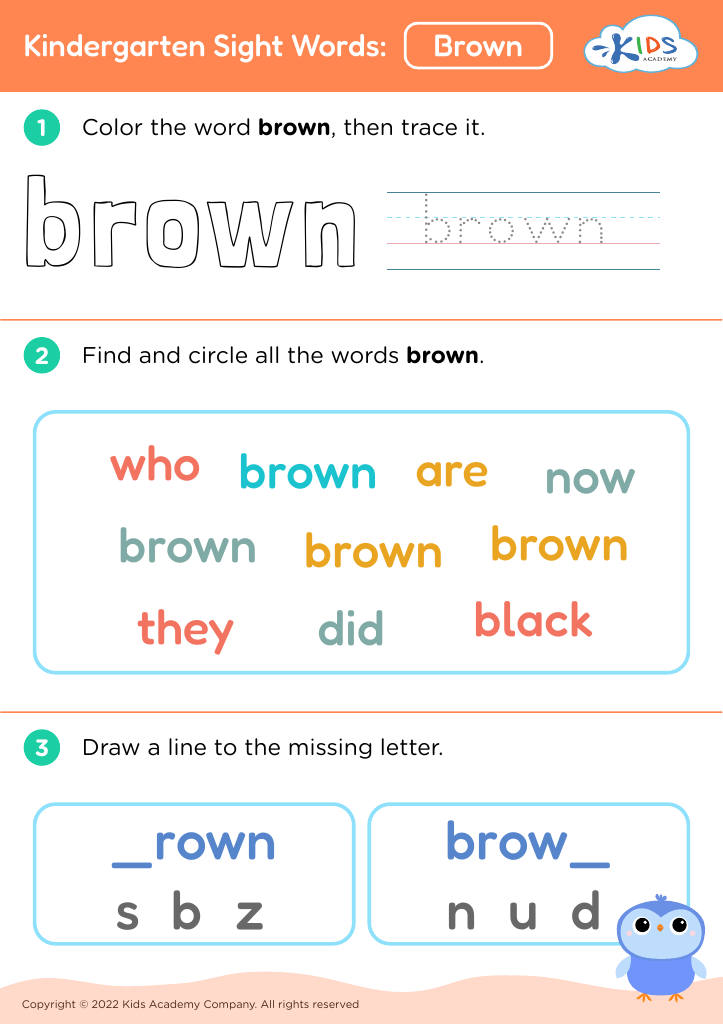








Developing basic arithmetic and reading skills from ages 4 to 9 is crucial for children's overall academic and social growth. Parents and teachers must prioritize these areas due to several reasons. Firstly, foundational arithmetic skills provide the basis for more complex mathematical concepts encountered later in education. Early practice helps children gain comfort with numbers, fostering numerical literacy, problem-solving abilities, and cognitive development.
Reading proficiency by age 9 is equally vital. Strong reading skills enhance vocabulary, comprehension, and critical thinking, which are essential across all subjects. Early readers tend to perform better academically and can grasp more complex texts as they advance in their education. Reading also stimulates imagination, empathy, and curiosity, which contribute to lifelong learning and personal growth.
Moreover, early engagement in arithmetic and reading fosters positive self-esteem and instills a love for learning, vital for future academic resilience and success. Parents and teachers who focus on these foundational skills create a supportive learning environment that encourages children to take intellectual risks and develop a growth mindset. In summary, caring about basic arithmetic practice and reading from a young age equips children with essential tools they need for academic success, personal development, and confidence in their capabilities.








