Color recognition Reading Worksheets for Ages 4-9 - Page 2
30 filtered results
-
From - To
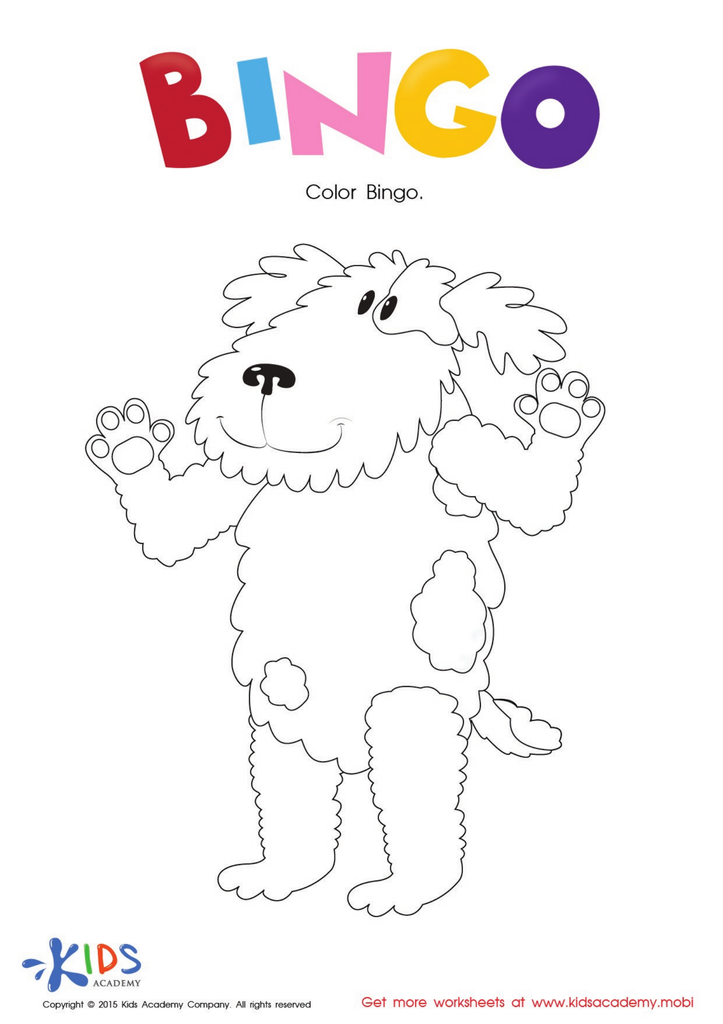
The Bingo Song: Coloring The Dog Worksheet
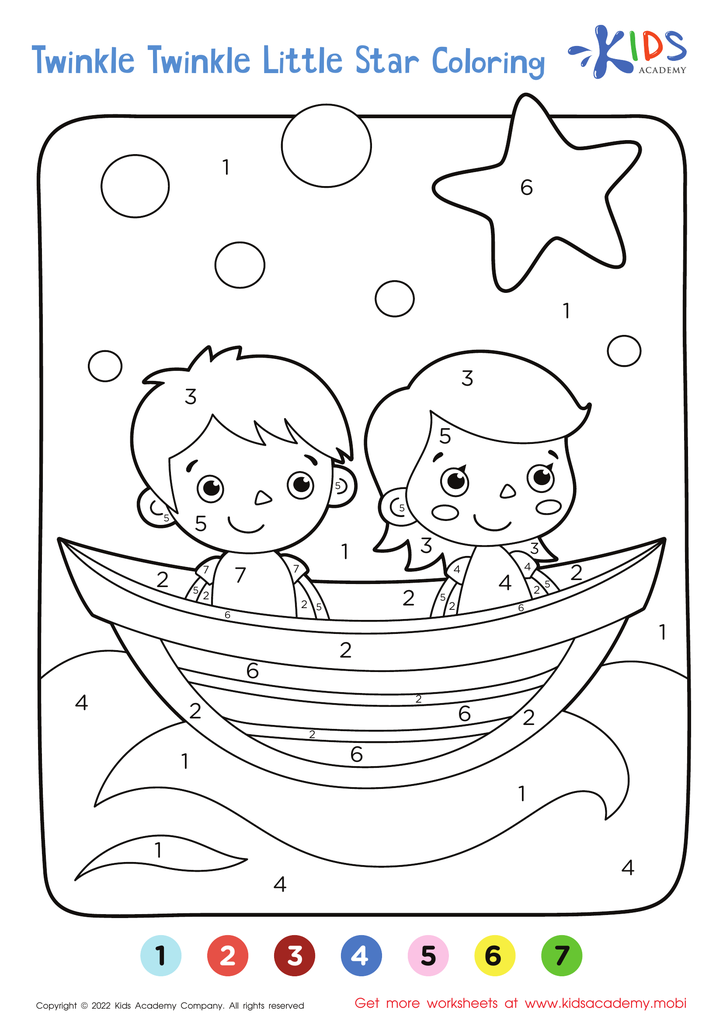
Twinkle, Twinkle, Little Star – Coloring by Numbers
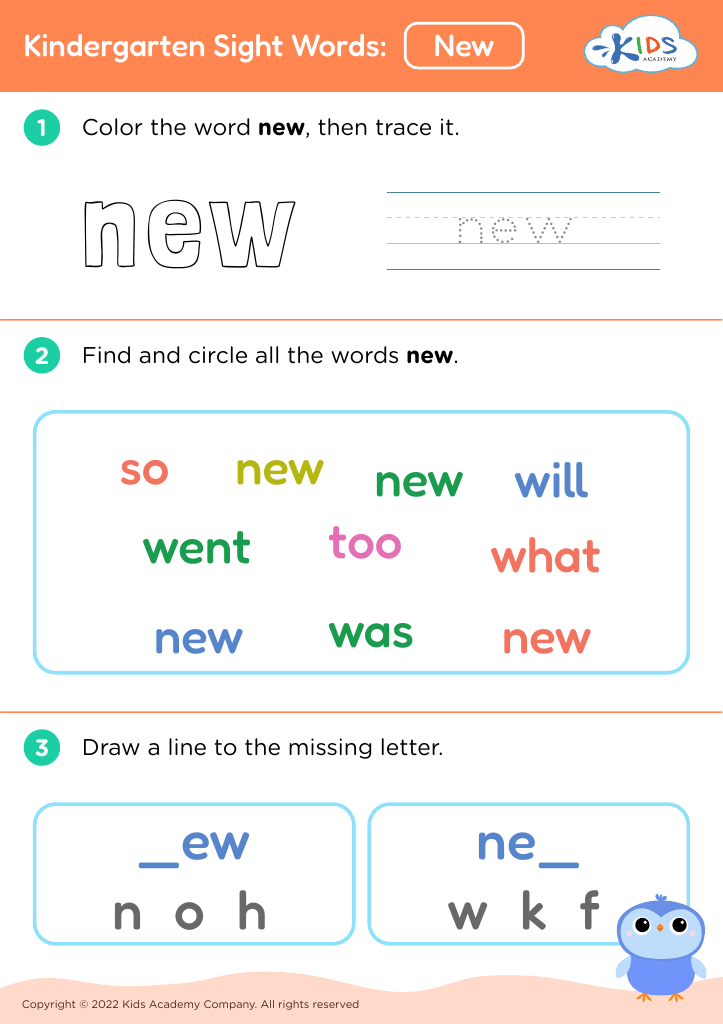
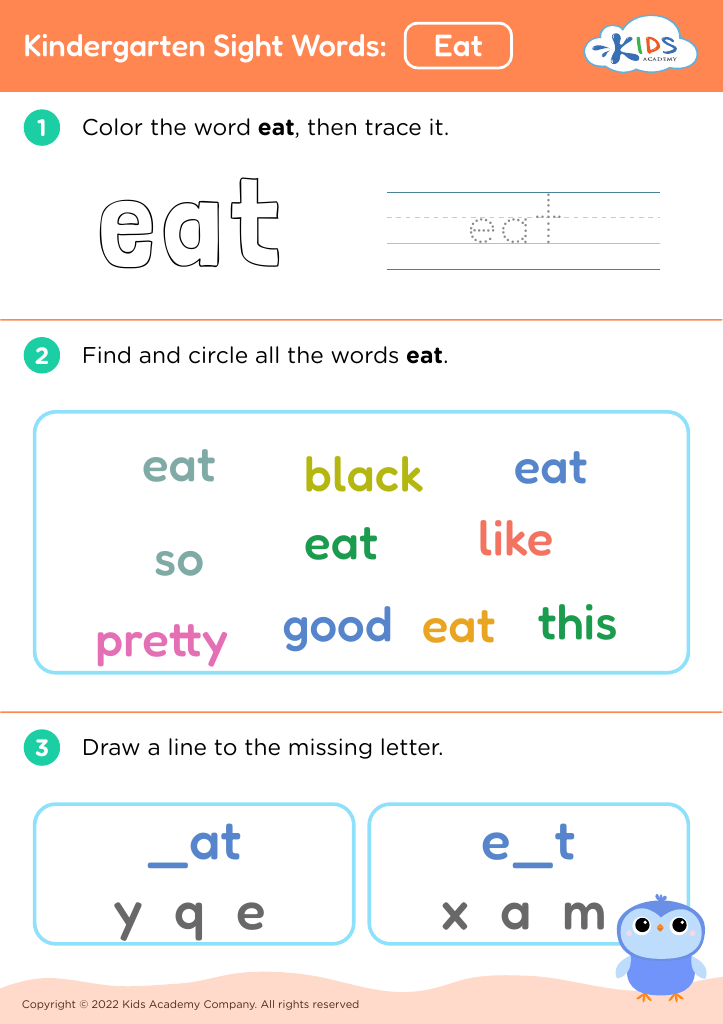








Color recognition is a fundamental skill that plays a significant role in early development and learning for children ages 4-9. It serves as an essential building block for future learning, fostering cognitive, social, and emotional growth. Recognizing colors helps children categorize the world around them, enhancing their observational skills and creativity. It becomes particularly relevant in reading, as illustrations in books often utilize color to convey emotions, themes, and distinctions in characters or objects.
When children can identify colors, they can better understand the context and nuances of illustrated stories, enriching their comprehension and enjoyment. Parents and teachers can support this development by integrating color recognition activities—such as naming colors during storytelling or using colorful educational materials.
Moreover, strong color recognition skills can boost language development as children learn to describe their surroundings and express their thoughts. Understanding colors can also aid in differentiating concepts, which is crucial as they progress in literacy and numbers. By caring about color recognition activities, parents and teachers ensure that children not only engage with literacy in a fun way but also build confidence and foundational skills that will support them throughout their education.








