Information processing Reading Worksheets for Ages 4-9
4 filtered results
-
From - To
Enhance your child’s reading skills with our engaging Information Processing Reading Worksheets, designed for ages 4-9. These thoughtfully crafted resources help young learners improve their comprehension and critical thinking abilities. Through interactive exercises, students will practice understanding, analyzing, and interpreting texts, enabling them to become confident readers. Our worksheets cover a variety of topics and reading levels, ensuring that every child can benefit from targeted practice tailored to their needs. Ideal for classroom use or at-home learning, these worksheets make reading fun while fostering essential cognitive skills. Discover the joy of learning with our printable materials today!
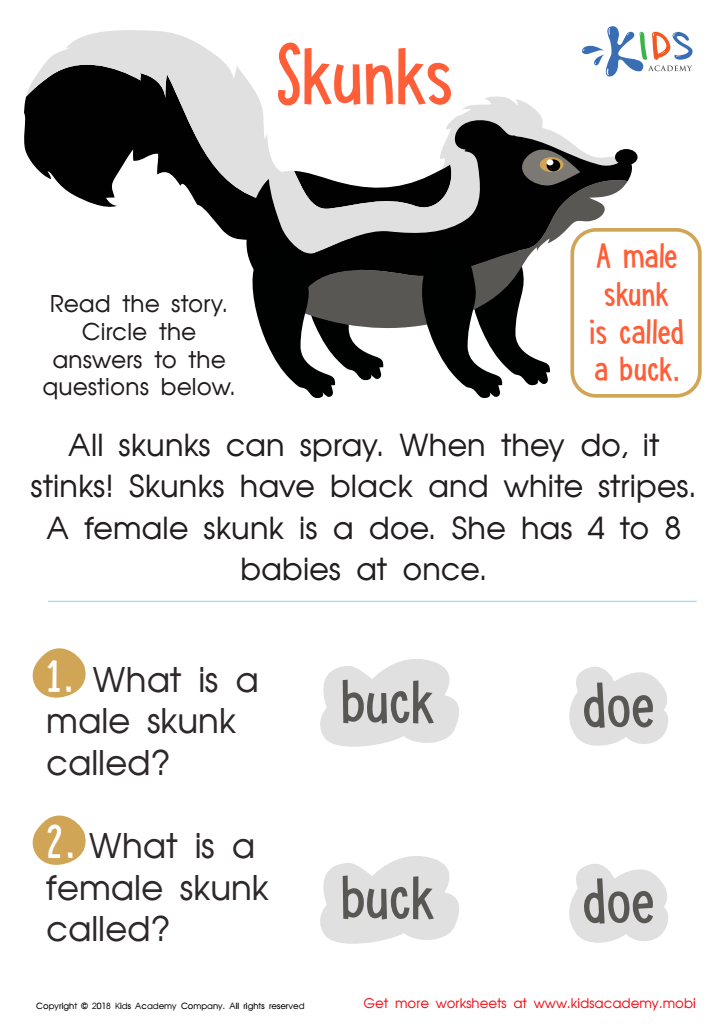
Skunks Worksheet
 Assign to My Students
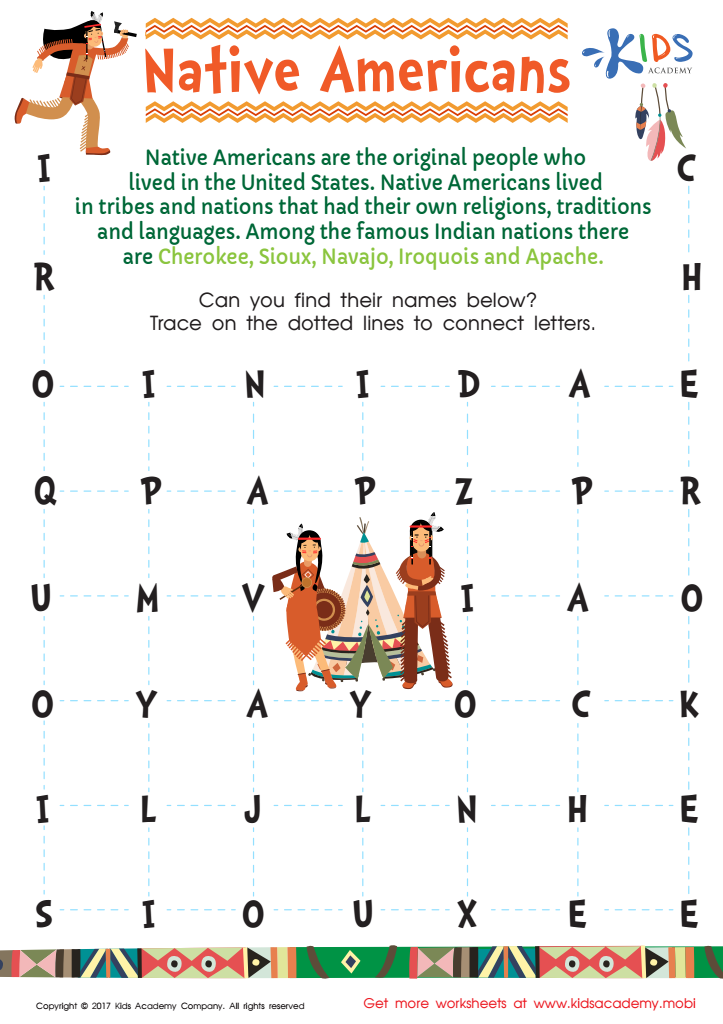
Native American Word Search Printable

Golden Eagles Worksheet
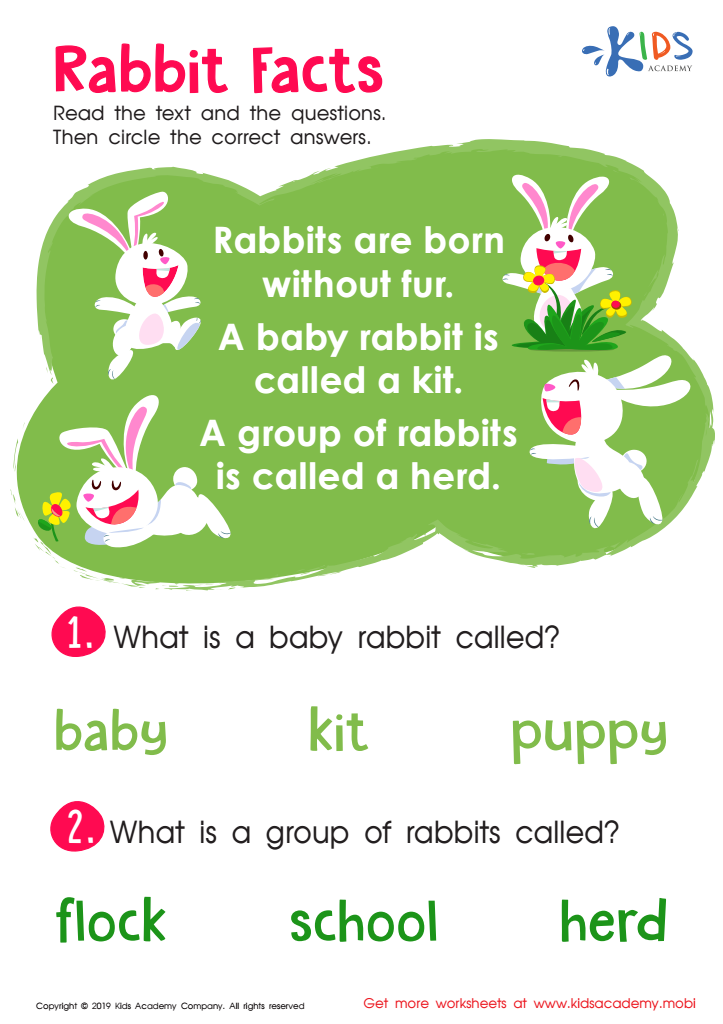
Rabbit Facts Worksheet



.jpg)




Information processing in reading is crucial for children aged 4-9 because it lays the foundation for effective learning and comprehension. During these formative years, a child’s brain is rapidly developing, and they are beginning to make connections between letters, sounds, and meanings. Understanding how children process information allows parents and teachers to tailor their teaching methods more effectively to individual learning styles.
Engaging with information processing helps educators identify potential learning challenges early. When parents and teachers prioritize reading strategies that enhance cognitive skills, children become more confident readers, which promotes a love for literature. This age group is particularly receptive to phonemic awareness, vocabulary building, and comprehension techniques that can set the stage for future academic success.
Additionally, strong reading skills correlate with overall cognitive development and critical thinking abilities. By fostering an environment that emphasizes effective information processing, parents and teachers can help children develop essential skills for not only literacy but also broader educational achievement. The best practices in information processing can lead to improved focus, memory retention, and analytical skills, ultimately making reading a more enjoyable and rewarding experience for young learners. By understanding these dynamics, adults can play an active role in cultivating lifelong readers.








