Word Recognition Reading Worksheets for Ages 4-9 - Page 2
29 filtered results
-
From - To
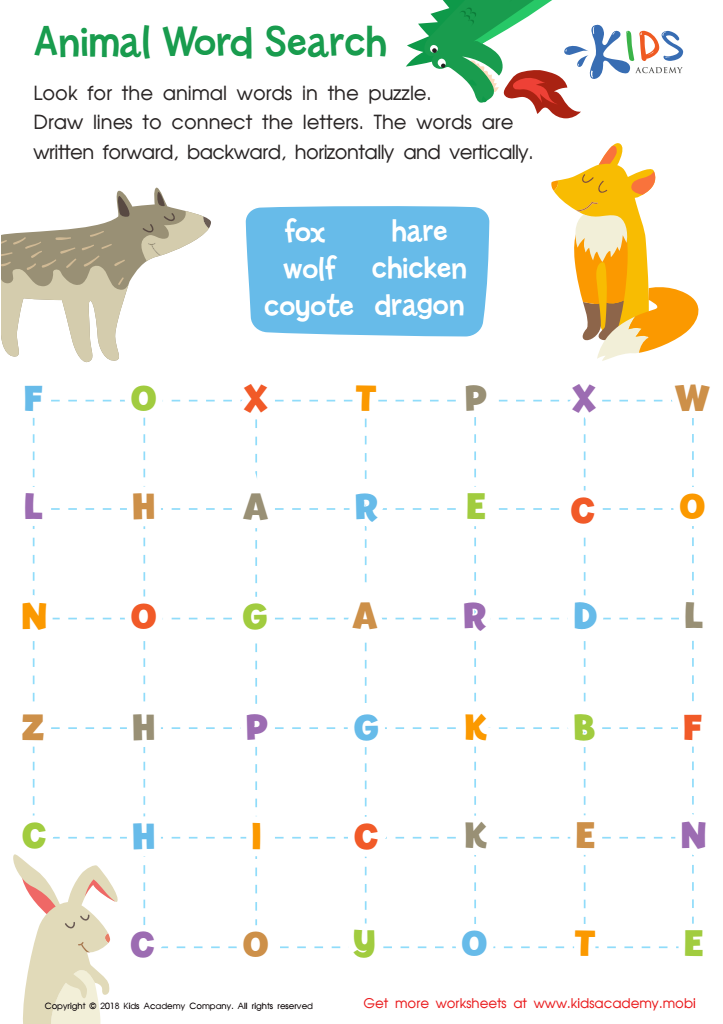
Animal Word Search Worksheet
 Assign to My Students
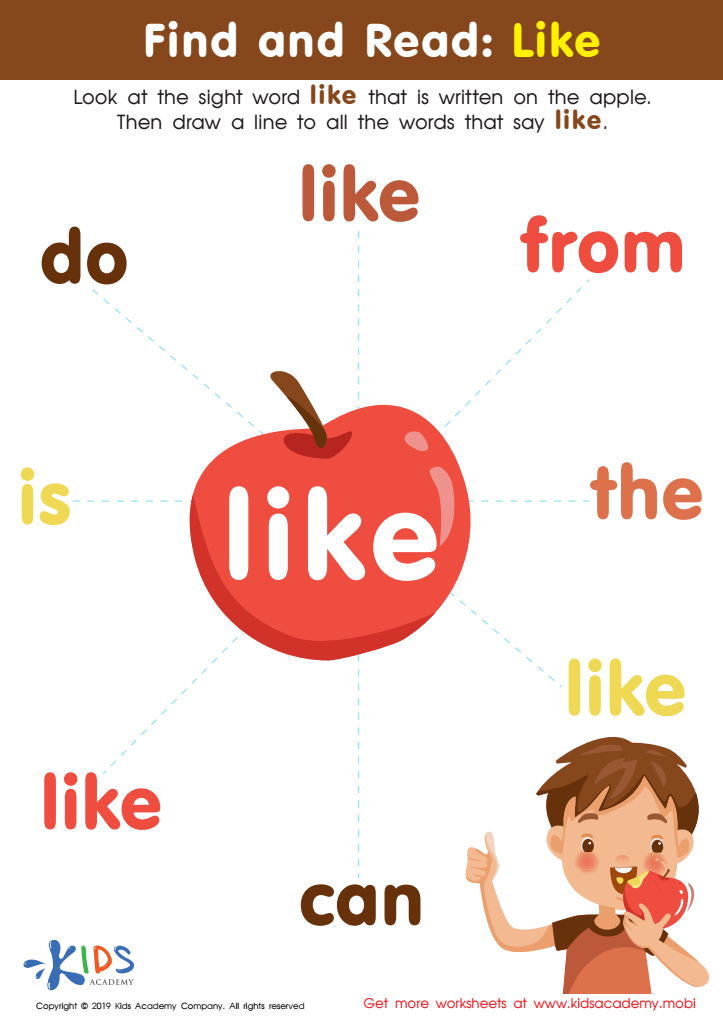
Find and Read: Like Worksheet
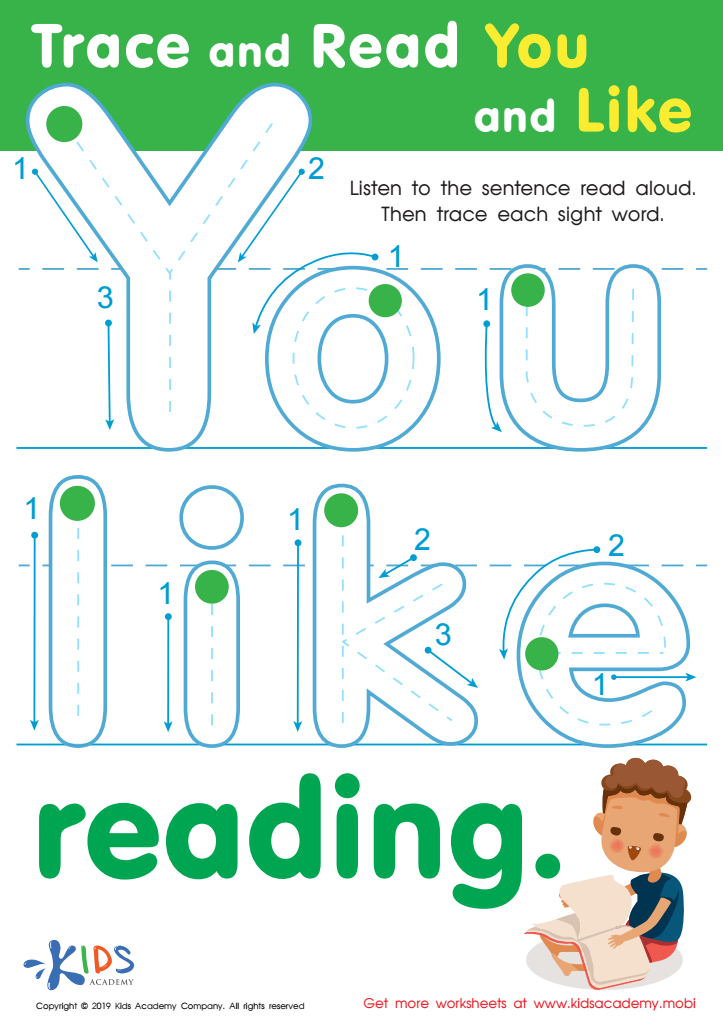
Trace Read You Like Worksheet
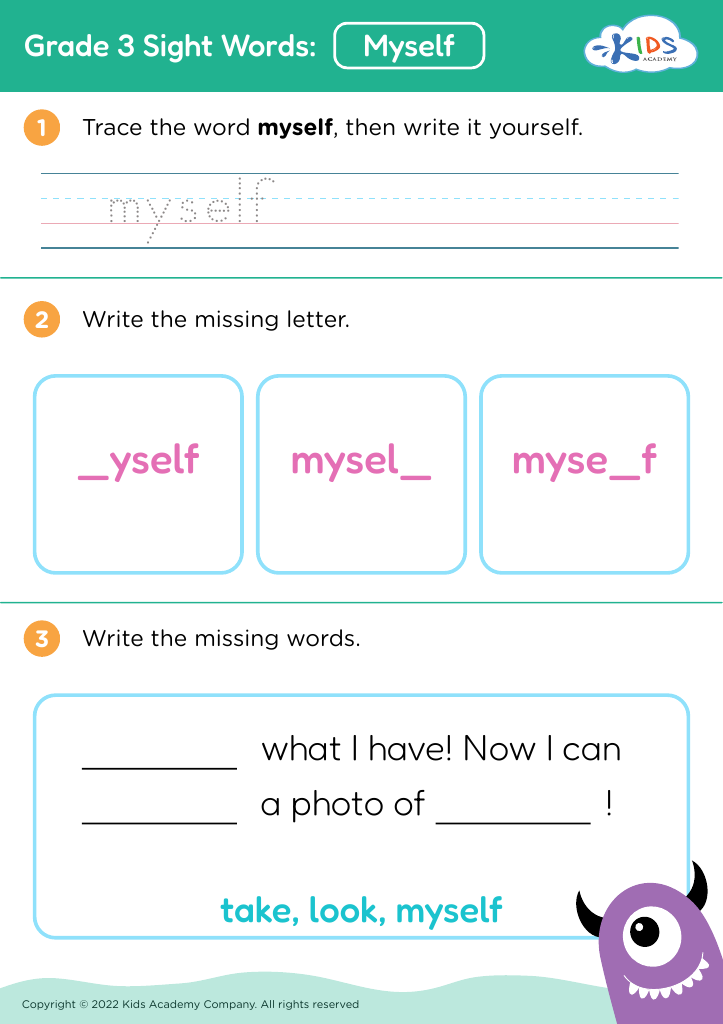
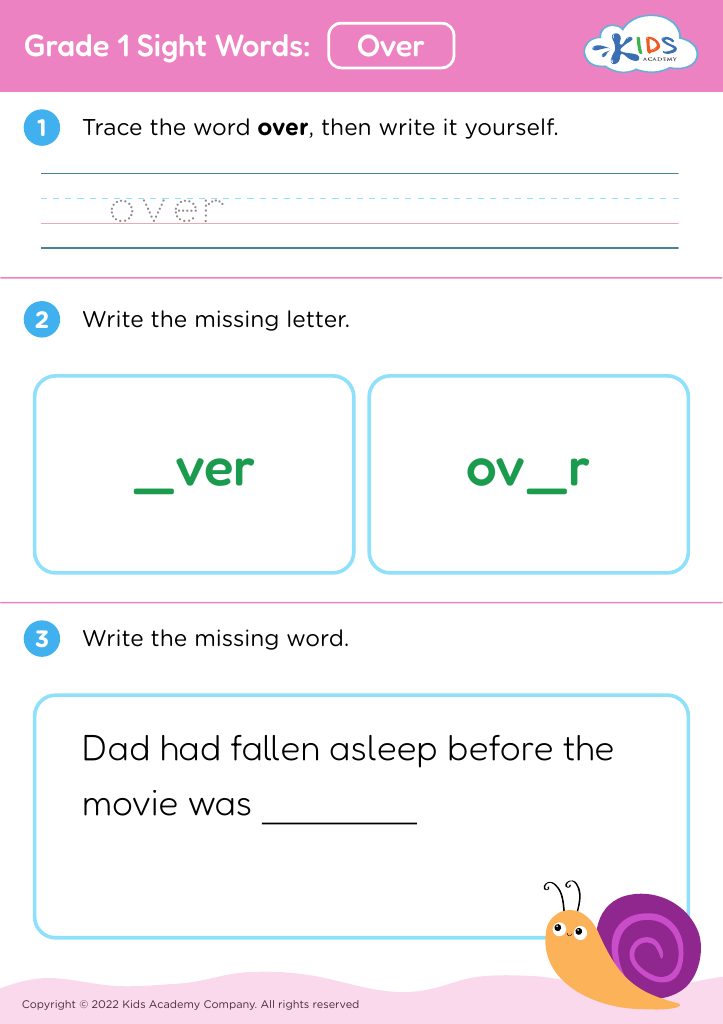







Word recognition is a critical foundation of reading development for children aged 4-9. At this stage, children are learning to decode words and ultimately build fluency, which is essential for comprehension and overall literacy. When parents and teachers focus on word recognition, they help children effortlessly identify words, allowing them to devote mental energy to understanding text rather than struggle with pronunciation.
Moreover, increased word recognition enhances a child's confidence and engagement in reading activities, fostering a love for books and learning. This age period is crucial for developing positive reading habits, as children who struggle with word recognition may develop a negative attitude towards reading and learning, which can have long-term consequences.
Effective word recognition strategies, such as phonics instruction and sight word practice, empower children to read a variety of texts, both fiction and nonfiction. As they progress, they'll be better equipped to explore diverse topics and ideas, significantly enriching their educational experience.
Finally, strong word recognition skills provide a springboard for academic success, as literacy is closely linked to overall achievement. Supporting this skill in early childhood ultimately lays the groundwork for lifelong learning and effective communication. Thus, fostering word recognition should be a priority for both parents and teachers.








