Enhancing vocabulary Reading Comprehension Worksheets for Ages 4-9
5 filtered results
-
From - To
Explore our "Enhancing Vocabulary Reading Comprehension Worksheets" designed specifically for children ages 4-9! Our engaging worksheets aim to broaden vocabulary and improve reading comprehension through fun and interactive exercises. Tailored for young learners, these resources encourage critical thinking and foster a love for reading. With colorful visuals and age-appropriate content, children will dive into a world of words while developing essential literacy skills. Perfect for both classroom and home settings, our worksheets support educational growth and help young readers unlock their potential. Join us in nurturing a brighter future for readers with rich vocabularies and strong comprehension skills!
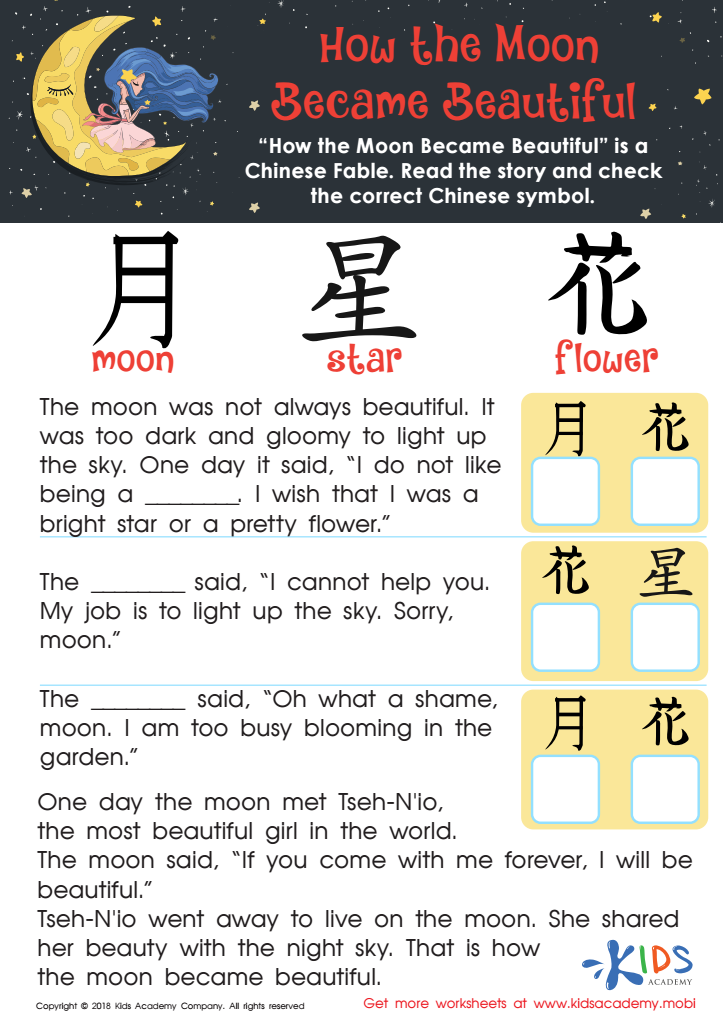
How the Moon Became Beautiful Worksheet
 Assign to My Students
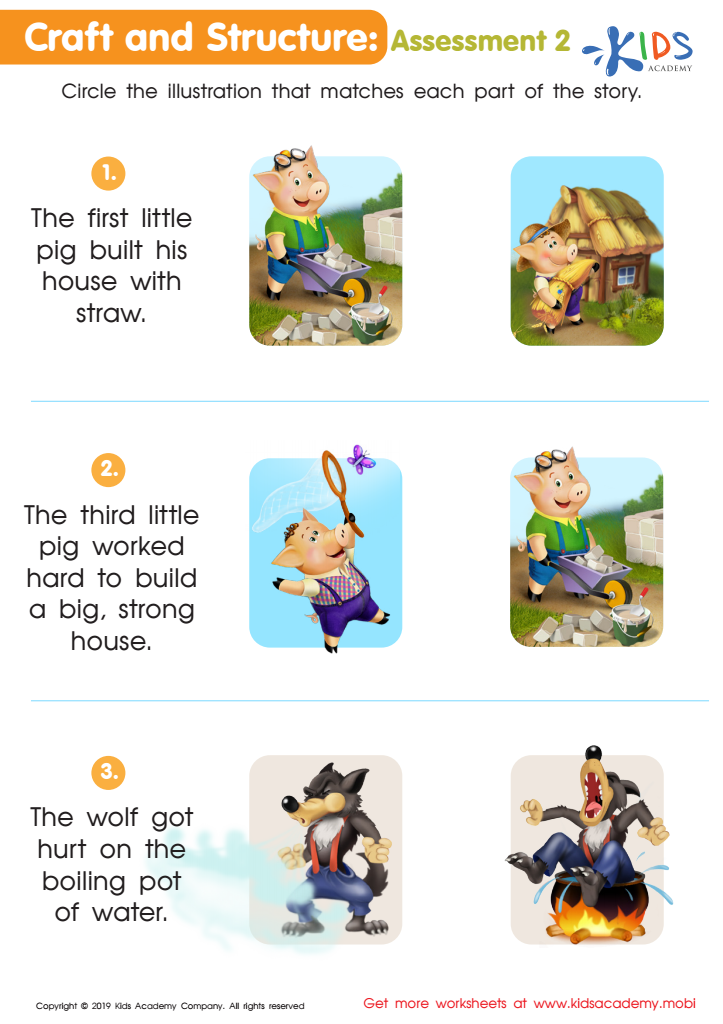
Craft and Structure: Assessment 2 Worksheet 2
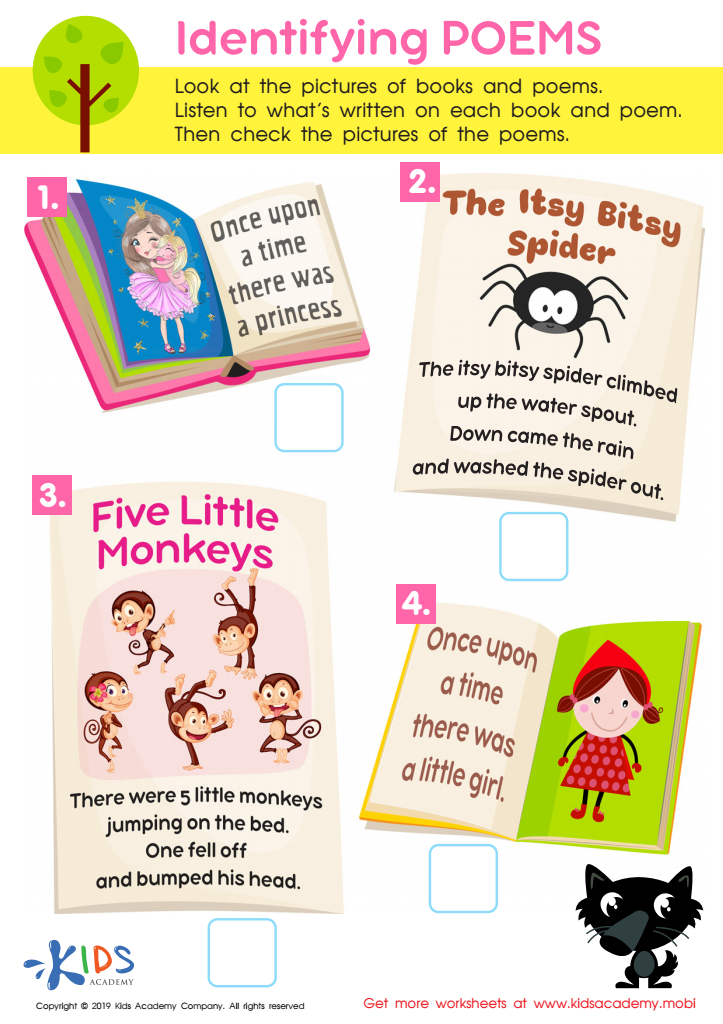
Identifying Poems Worksheet
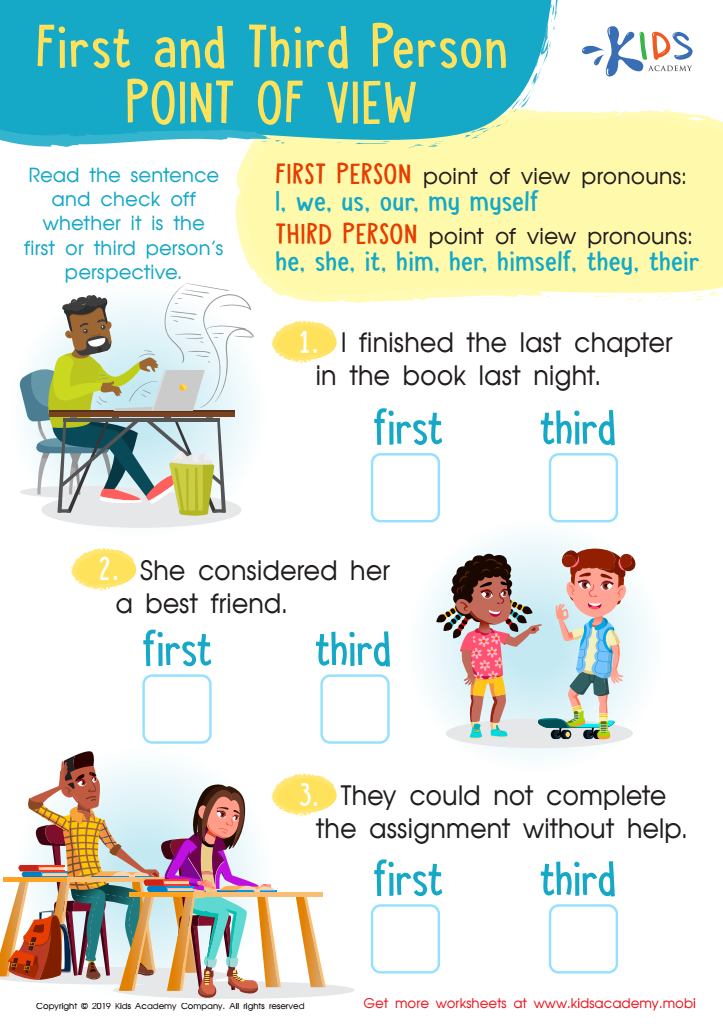
First and Third Person Point of View Worksheet
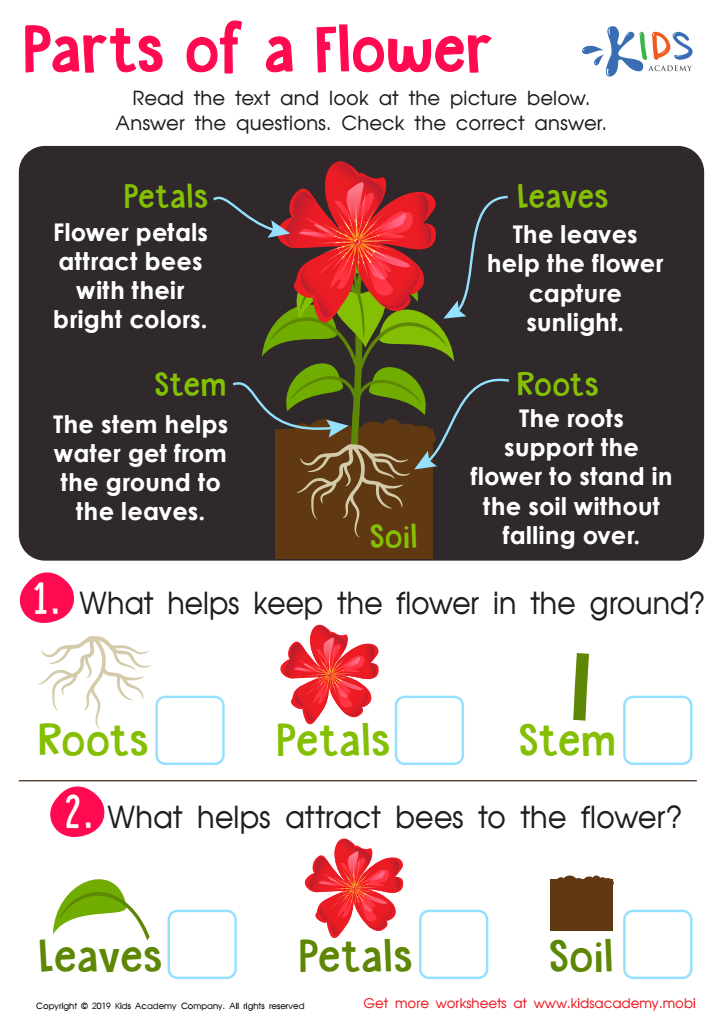
Parts of Flower Worksheet








Enhancing vocabulary and reading comprehension for children aged 4-9 is crucial for their academic success and cognitive development. During these formative years, children rapidly acquire language skills that significantly shape their learning trajectory. A robust vocabulary not only enables them to express thoughts and ideas effectively but also facilitates better understanding of the material they read.
When children have a rich vocabulary, they can grasp concepts and make connections between different ideas, improving their overall comprehension. This skill is foundational for later academic achievements, influencing their engagement with more complex texts in future grades. Furthermore, building vocabulary helps in boosting self-confidence as they participate in discussions and learning activities.
Engaging with diverse and challenging literature exposes children to new words in context, enhancing retention and understanding. By encouraging curiosity about language and fostering a love for reading, parents and teachers play a pivotal role in supporting children’s growth as readers and thinkers.
Ultimately, prioritizing vocabulary development in early education not only enriches a child's academic experience but also equips them with the language skills necessary for effective communication and lifelong learning. Investing in this area ensures a strong foundation for future literacy achievement and a passion for learning.








