Enhancing vocabulary Reading Fiction Worksheets for Ages 4-9
4 filtered results
-
From - To
Welcome to our "Enhancing Vocabulary Reading Fiction Worksheets" page, designed specifically for children ages 4-9. These engaging worksheets are crafted to enrich young learners' vocabulary through fun and interactive reading activities. By exploring captivating fiction stories, children will come across new words in context, making learning natural and enjoyable. Our worksheets include comprehension questions, vocabulary exercises, and creative prompts that encourage creativity and critical thinking. Ideal for classroom use or at-home learning, these resources support early literacy development while keeping kids excited about reading. Join us in nurturing a love for words and stories, setting a strong foundation for future learning!
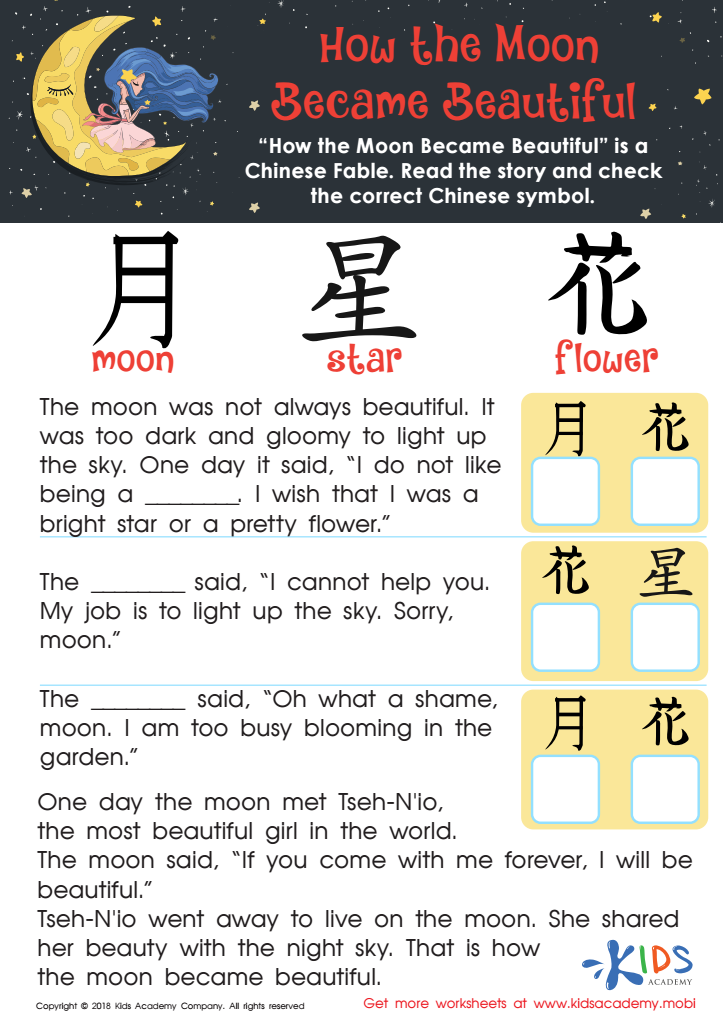
How the Moon Became Beautiful Worksheet
 Assign to My Students
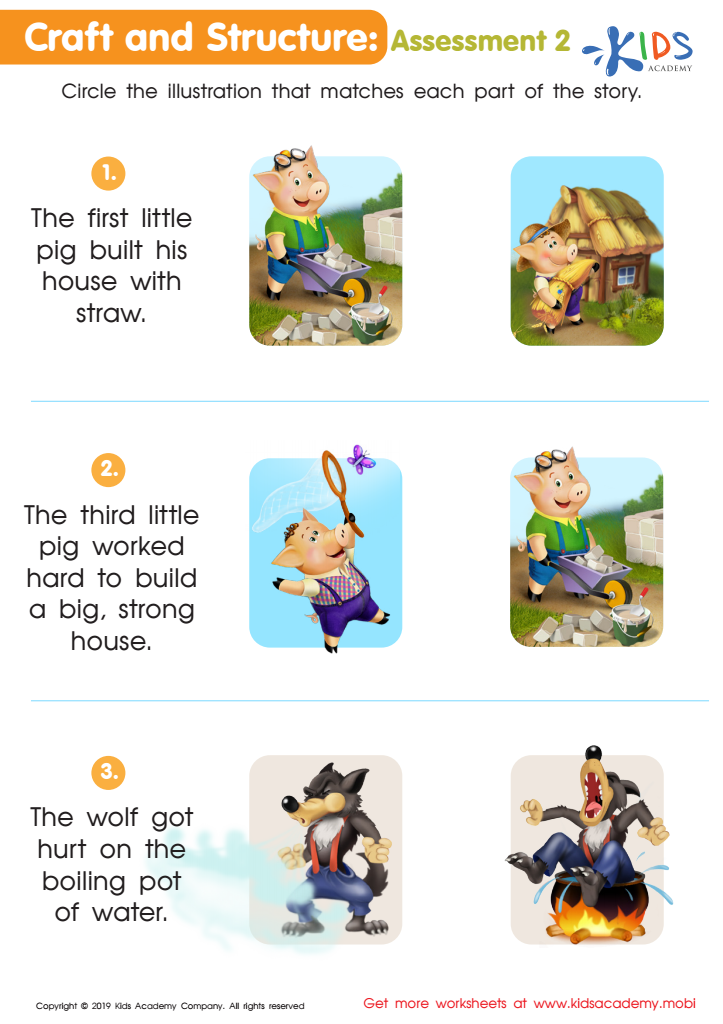
Craft and Structure: Assessment 2 Worksheet 2
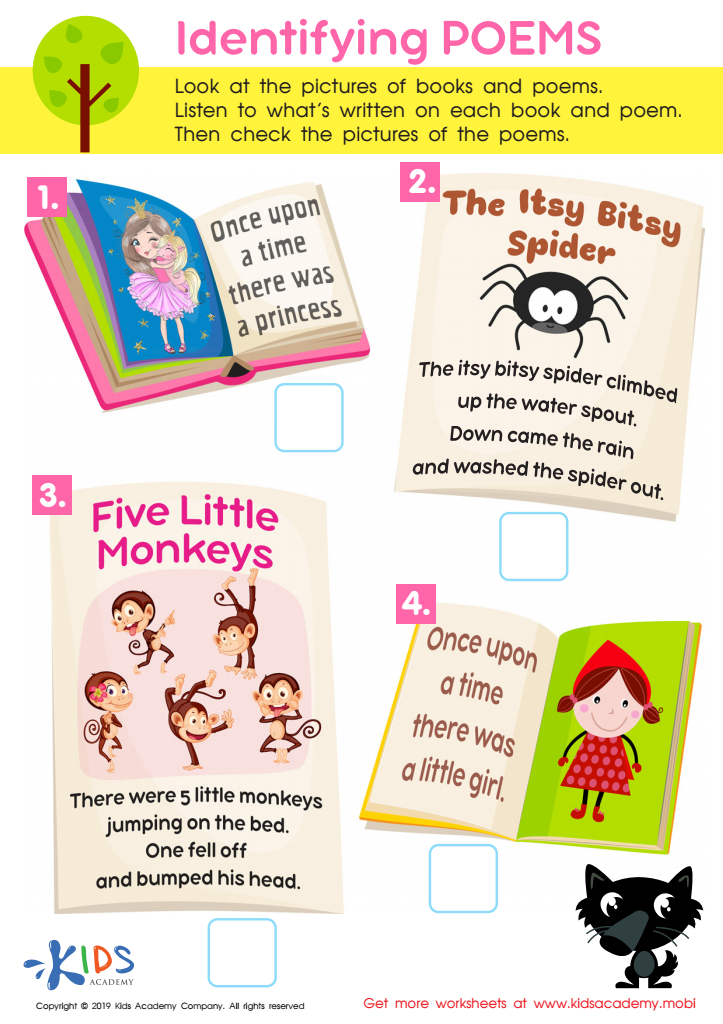
Identifying Poems Worksheet
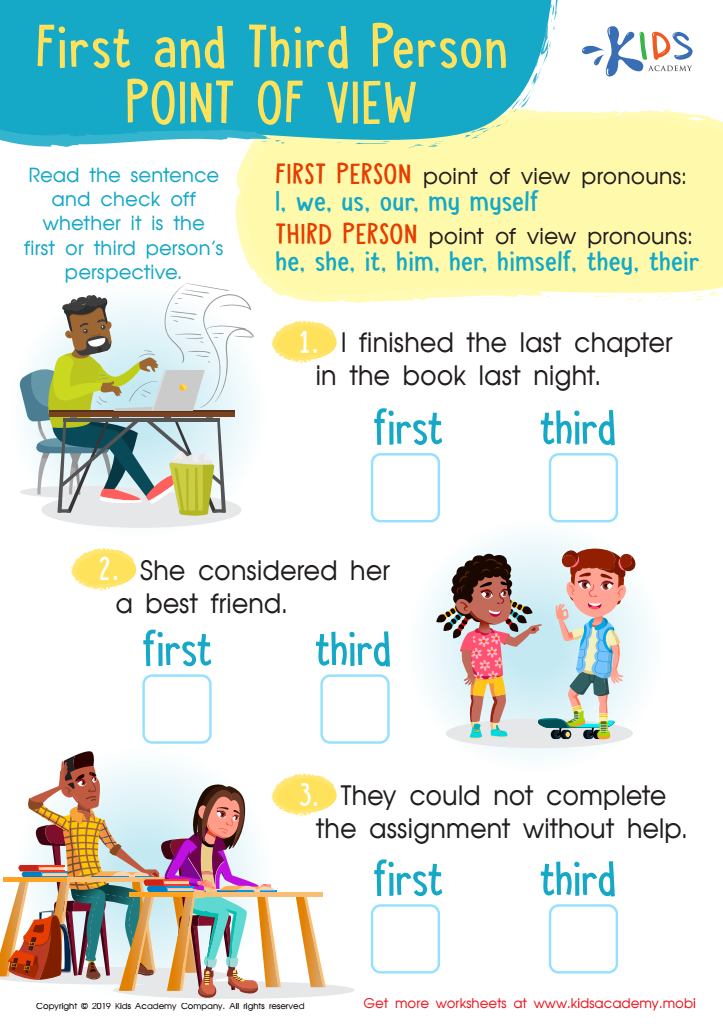
First and Third Person Point of View Worksheet






.jpg)

Enhancing vocabulary through reading fiction for children aged 4-9 is crucial for their overall development. At this age, children are like sponges, eagerly absorbing language and concepts that lay the foundation for their future literacy skills. Engaging with fiction helps children encounter new words in context, making vocabulary expansion not only enjoyable but also immersive.
Fiction often introduces complex language structures and themes that enrich children's understanding of the world. It fosters imagination and creativity, inspiring them to express themselves in diverse ways. Additionally, a robust vocabulary enhances reading comprehension, which is critical for academic success. Children who can articulate their thoughts and feelings are better equipped to engage with texts and participate in discussions.
Parents and teachers play a pivotal role in nurturing a love for reading. By introducing a variety of fictional books, they can spark curiosity and promote discussions around the stories and language used, further enhancing vocabulary. Reading together also strengthens the bond between adults and children, creating a supportive environment for learning. As vocabulary grows, so does confidence in communication and critical thinking skills, setting children on a path toward lifelong learning and success. Hence, prioritizing vocabulary development during these formative years is essential.








