Recognizing Patterns Sight Words Worksheets for Ages 4-9
5 filtered results
-
From - To
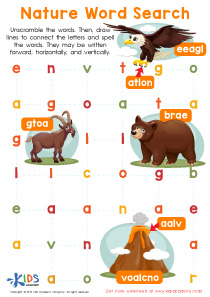
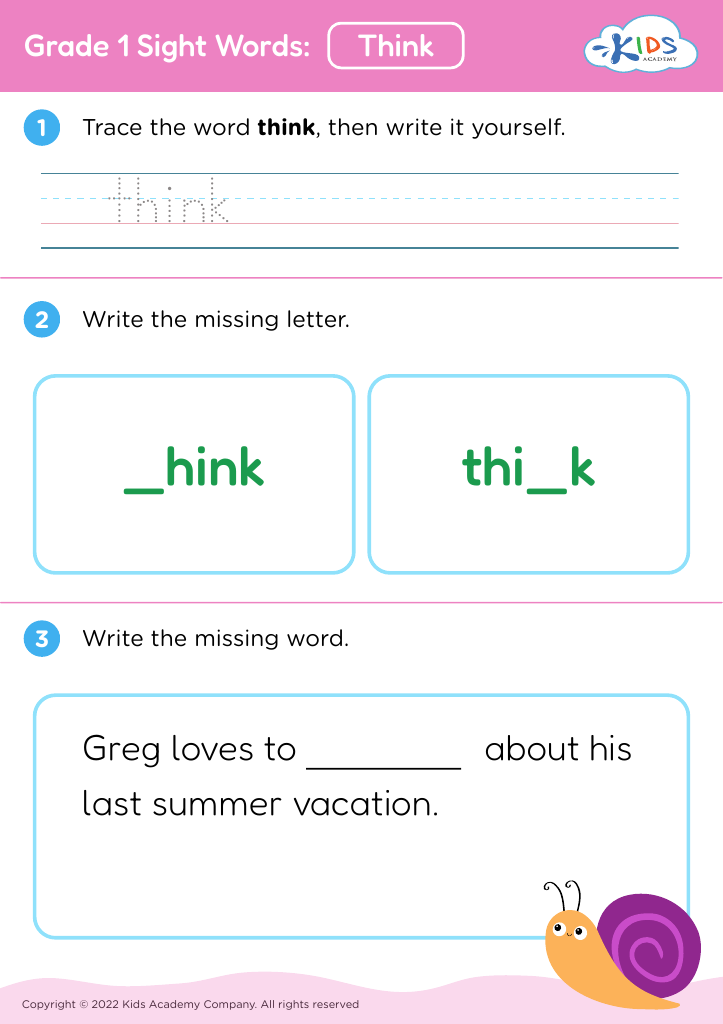
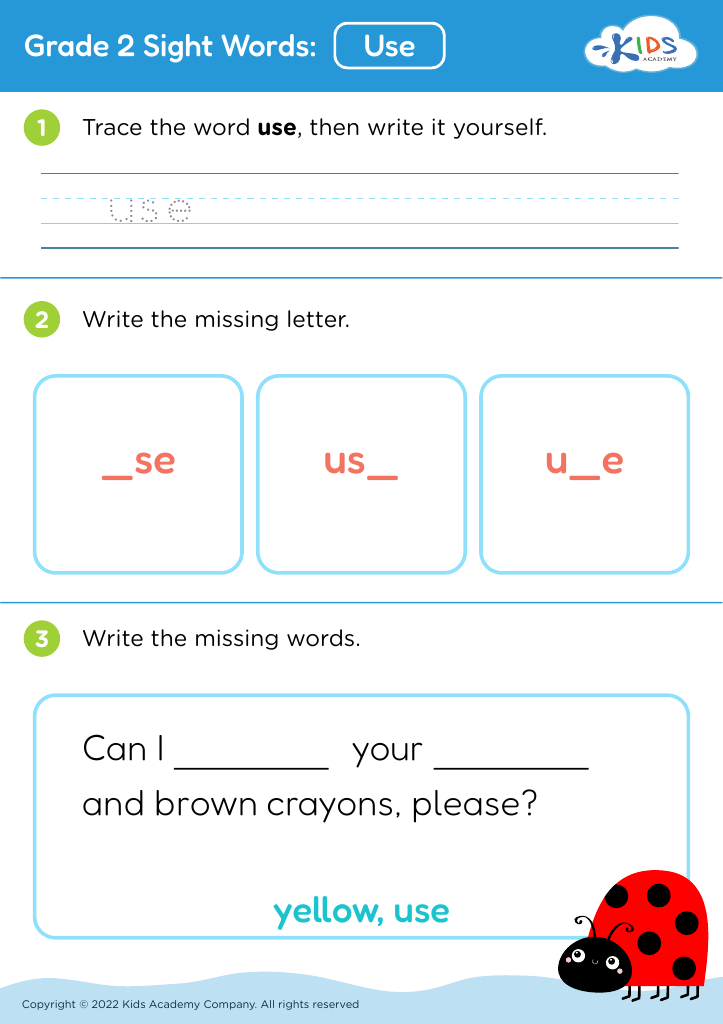
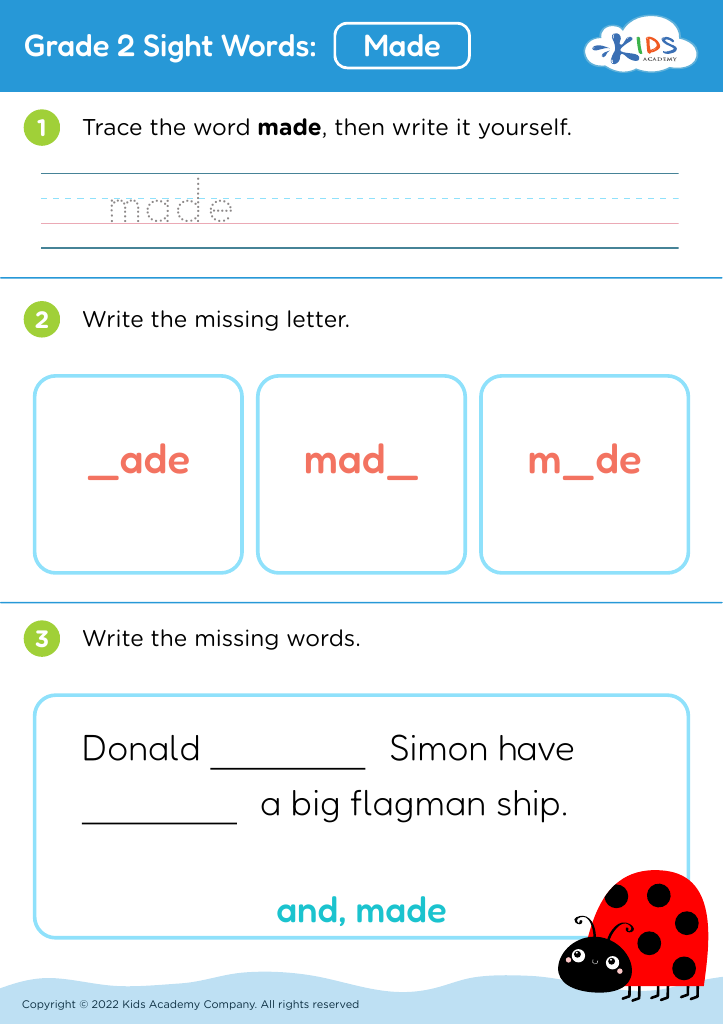
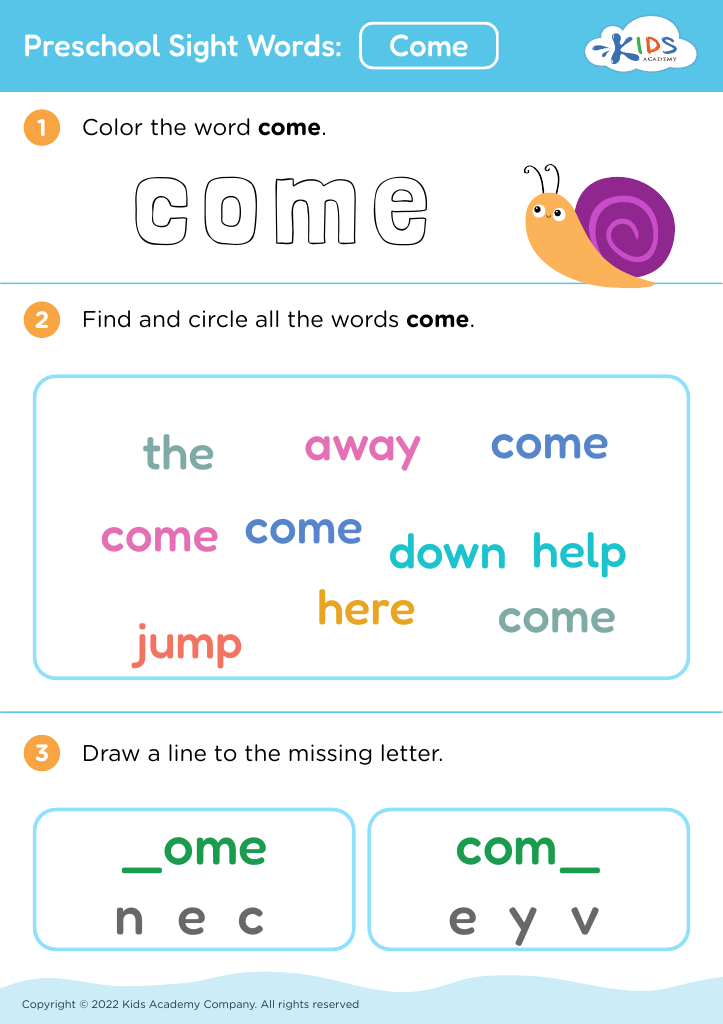
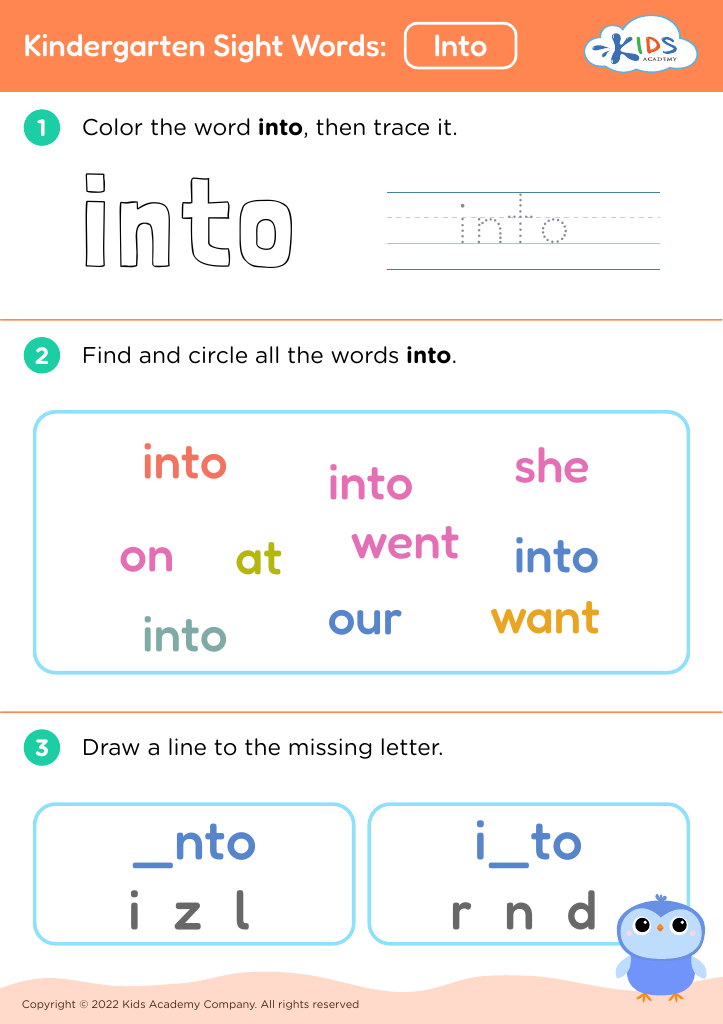
Explore our Recognizing Patterns Sight Words Worksheets, designed for ages 4-9, to make reading fun and engaging! These worksheets help young learners identify common sight words through visually appealing patterns and interactive exercises. By recognizing repeating sequences, children enhance their reading fluency, comprehension, and confidence. Perfect for early readers, these activities blend education with creativity, catering to various learning styles. Whether for preschoolers or early elementary students, our worksheets promote critical thinking and mastery of essential sight words. Give your child a head start in literacy with our expertly crafted resources, available exclusively at Kids Academy.






.jpg)




Recognizing patterns and sight words in early childhood education is crucial for several compelling reasons. Firstly, pattern recognition helps children develop critical thinking and problem-solving skills. When young learners identify patterns, they can predict what comes next in sequences, which enhances their mathematical abilities and logical reasoning. For example, when a child recognizes the ABAB pattern in a sequence, they grasp foundational math concepts that are vital for advanced learning.
Secondly, sight words are essential in promoting literacy. Sight words are frequently used words that children are encouraged to recognize instantly without needing to sound them out. These words often do not follow regular phonetic patterns, making them more challenging to spell out for beginner readers. Mastering sight words aids in reading fluency, enabling children to read more swiftly and with better comprehension. When children can quickly identify sight words, they encounter fewer interruptions and can focus on understanding the context or story. This fluency builds their confidence and enjoyment in reading.
Parents and teachers investing time in reinforcing these skills provide children with a solid foundation for future educational success. Pattern recognition and sight word familiarity help bridge learning gaps and cultivate a lifelong love of learning, ensuring that students are well-prepared for more complex educational challenges.