Critical Thinking Science Worksheets for Ages 4-9 - Page 2
26 filtered results
-
From - To
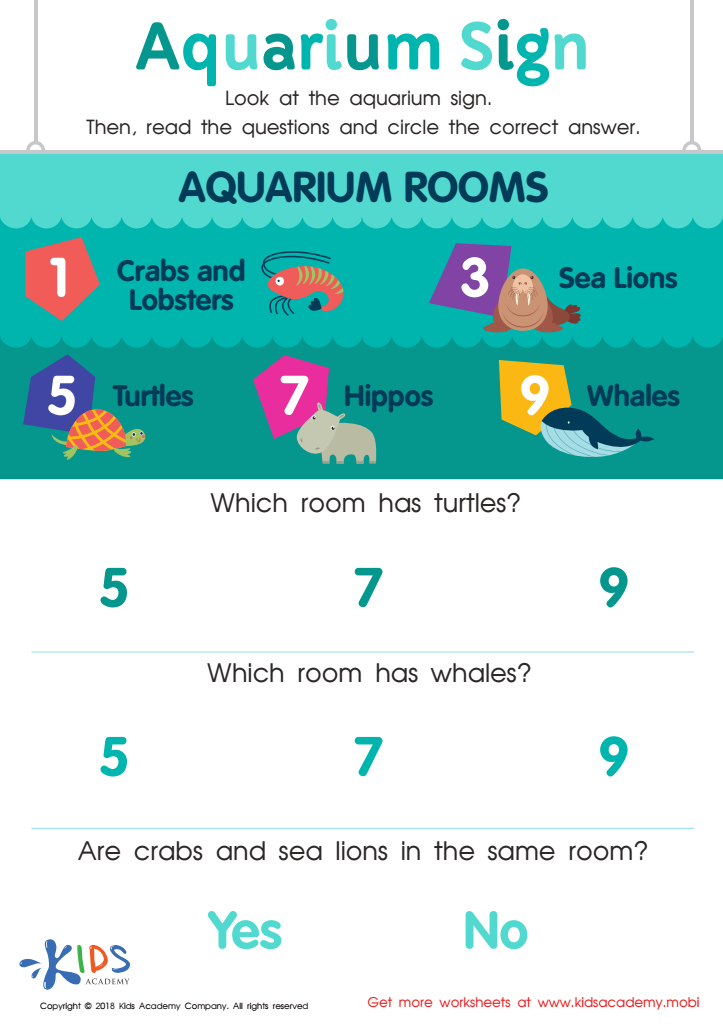
Assessment: Aquarium Sign Worksheet
 Assign to My Students
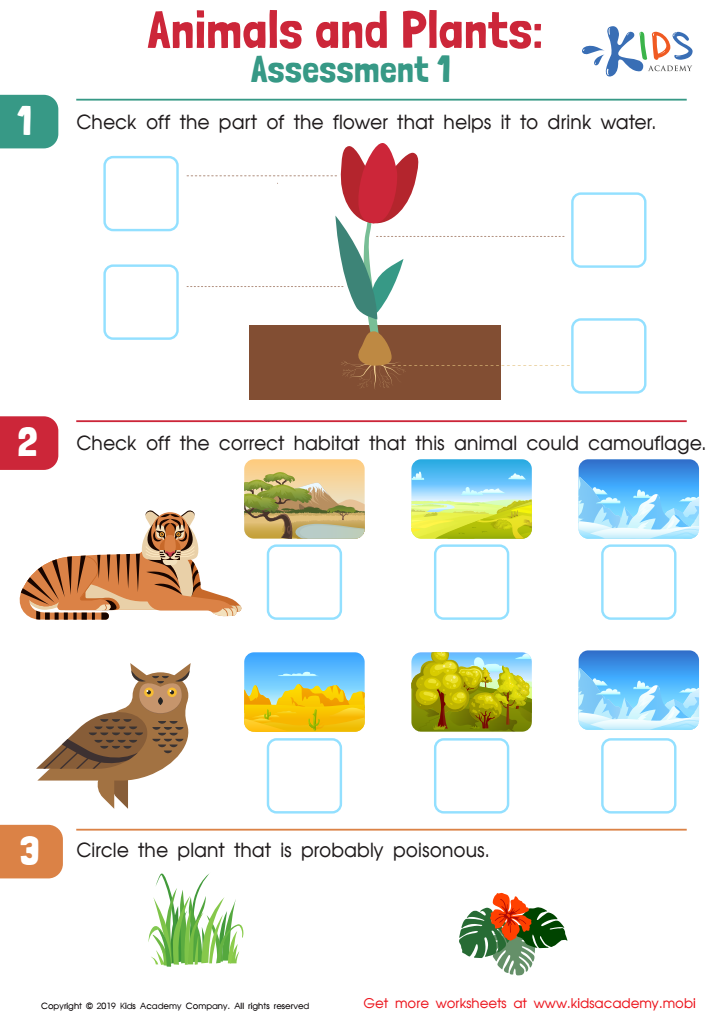
Animals and Plants: Assessment 1 Worksheet





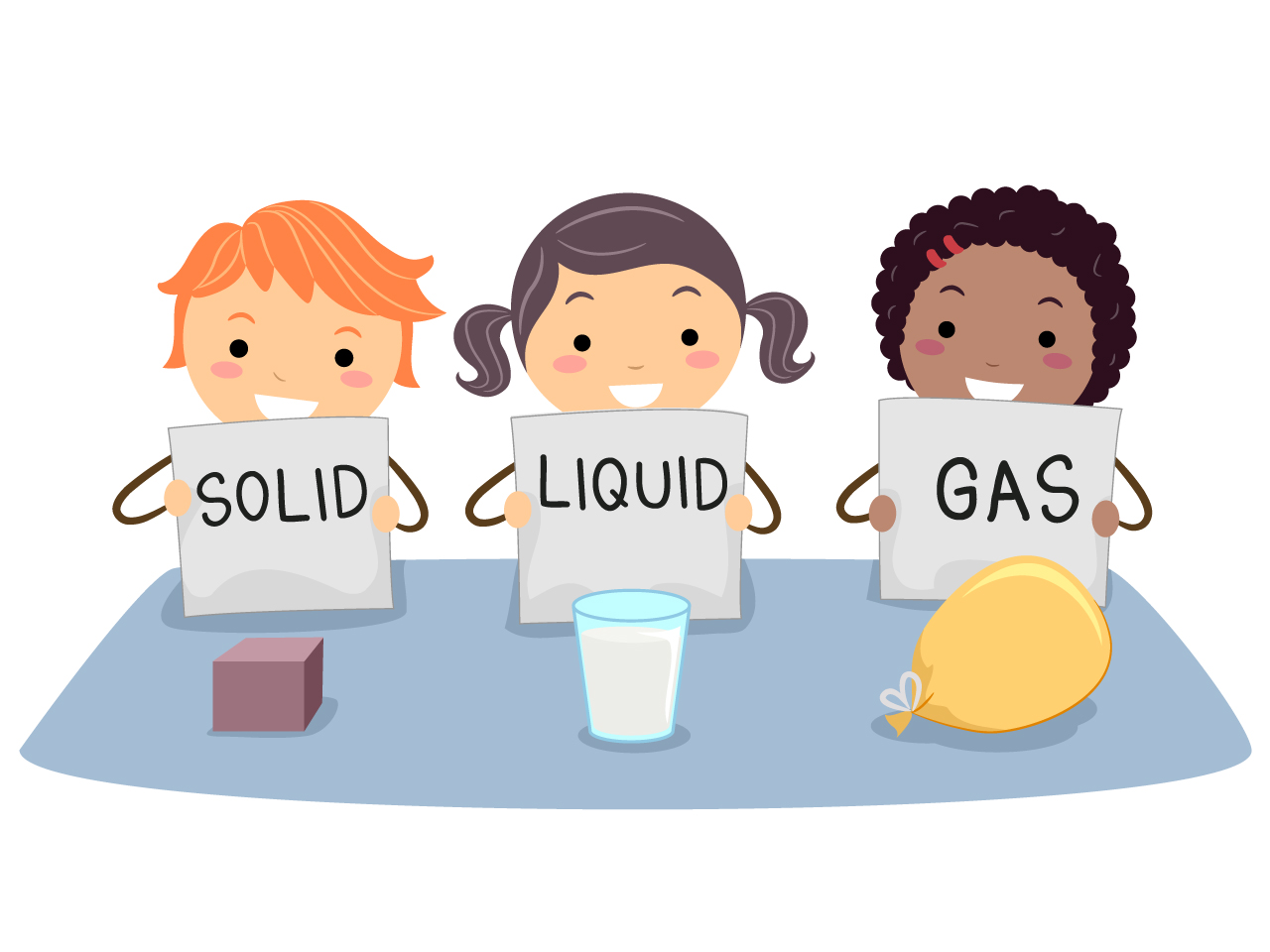


Critical Thinking Science for Ages 4-9 is essential in fostering foundational skills that are critical for lifelong learning and success. During these formative years, young children's brains are highly adaptable and absorbent, making it the perfect time to encourage the development of critical thinking. Engaging them in science activities cultivates curiosity, problem-solving abilities, and logical reasoning.
By introducing concepts such as observing, hypothesizing, experimenting, and drawing conclusions, children learn to approach problems methodically and creatively. Early exposure to these processes helps them understand the world around them in a structured and meaningful way. This can result in enhanced academic abilities, with improved performance in subjects beyond science, such as math, reading, and general comprehension.
Parents and teachers play a crucial role in guiding and inspiring young minds. When they prioritize Critical Thinking Science, they instill a growth mindset that values inquiry and evidence over rote memorization. This emphasis can lead to better decision-making skills and a more nuanced understanding of complex issues as children grow older. Also, children learn resilience and perseverance through experimentation and the understanding that failure is a part of learning.
In sum, grounding education in Critical Thinking Science equips children with essential cognitive tools, nurturing well-rounded, inquisitive, and capable individuals who can navigate an increasingly complex world.







