Developing observation skills Science Worksheets for Ages 4-9
4 filtered results
-
From - To
Enhance your child’s scientific journey with developing observation skills science worksheets designed for ages 4-9. These engaging and informative worksheets from Kids Academy help young learners sharpen their ability to observe, identify patterns, and draw conclusions. Through a variety of fun activities featuring colorful images and interactive exercises, children are encouraged to explore the world around them scientifically. Perfect for both classroom and home use, these worksheets support critical thinking, boost attention to detail, and foster a love for learning. Equip your young scientist with essential skills that form the foundation for future academic success!
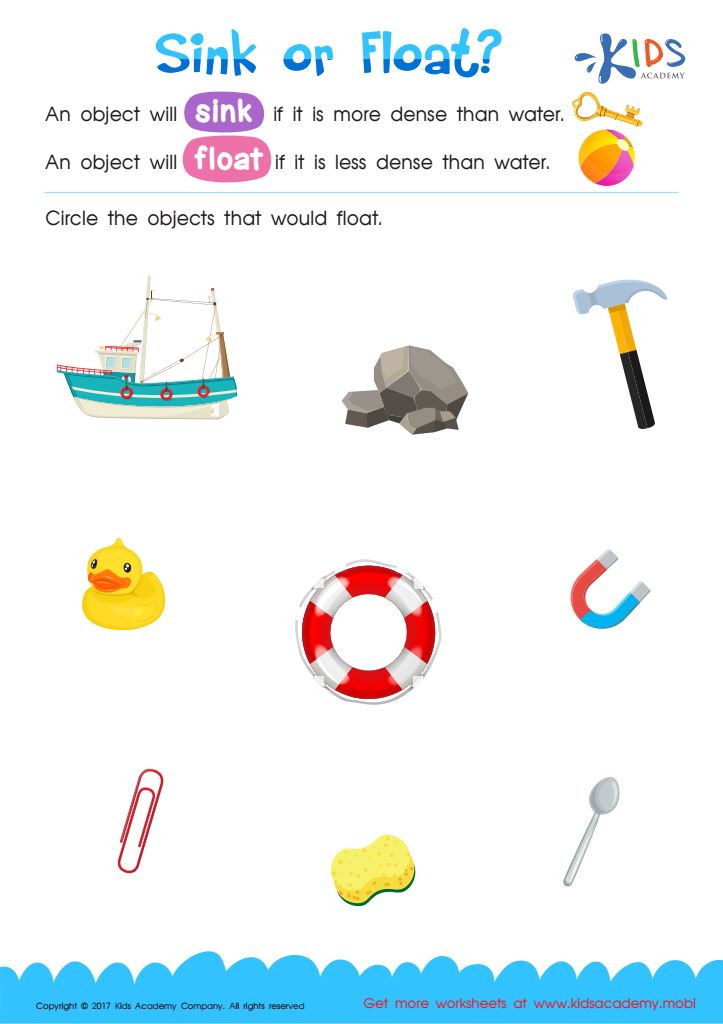
Sink or Float Printable
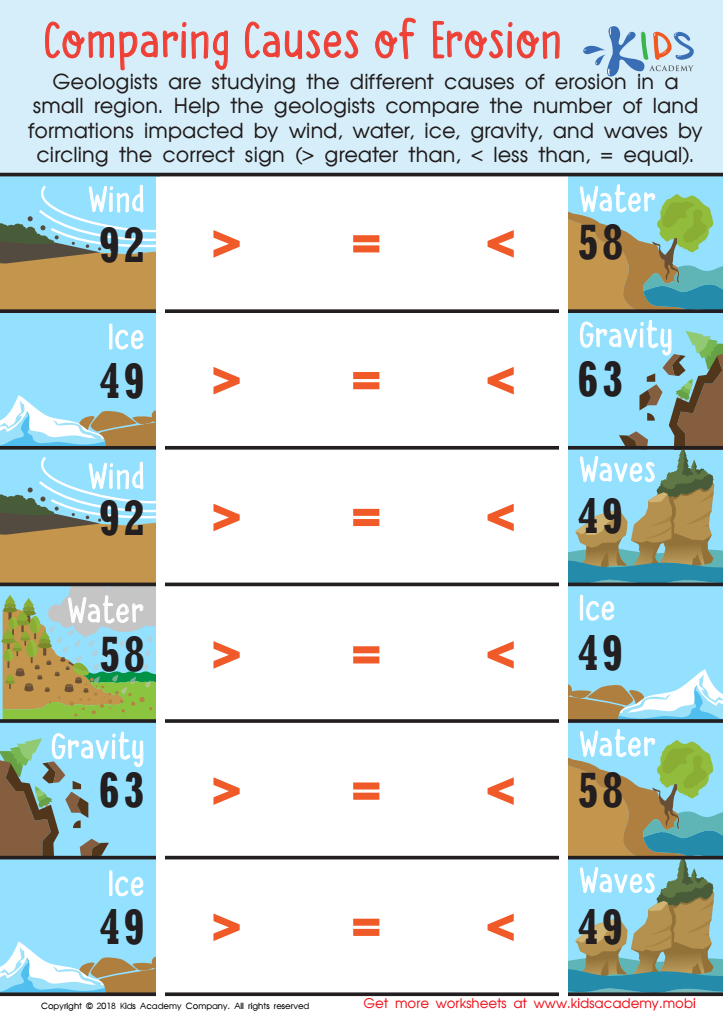
Comparing Causes of Erosion Worksheet
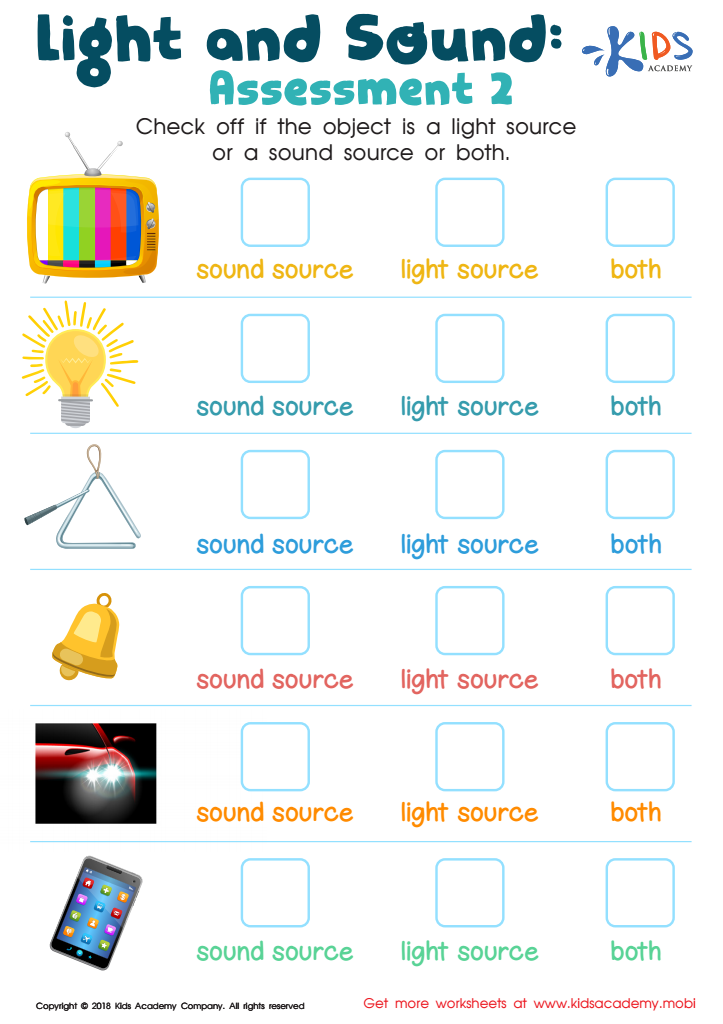
Light and Sound: Assessment 2 Worksheet
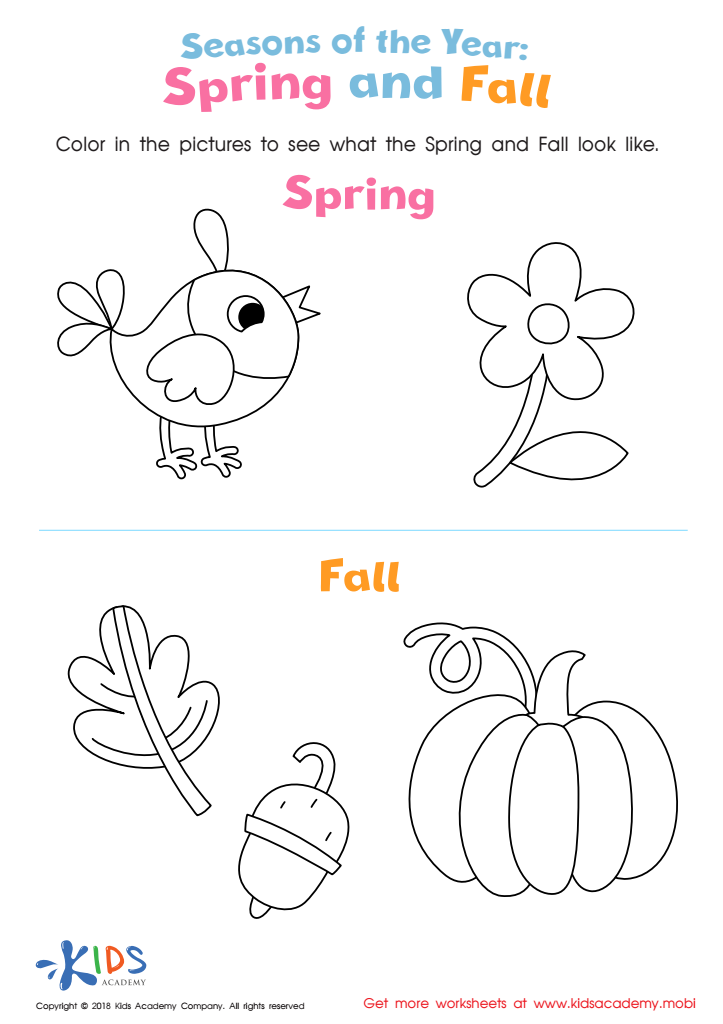
Spring and Fall Worksheet
 Assign to My Students





.jpg)

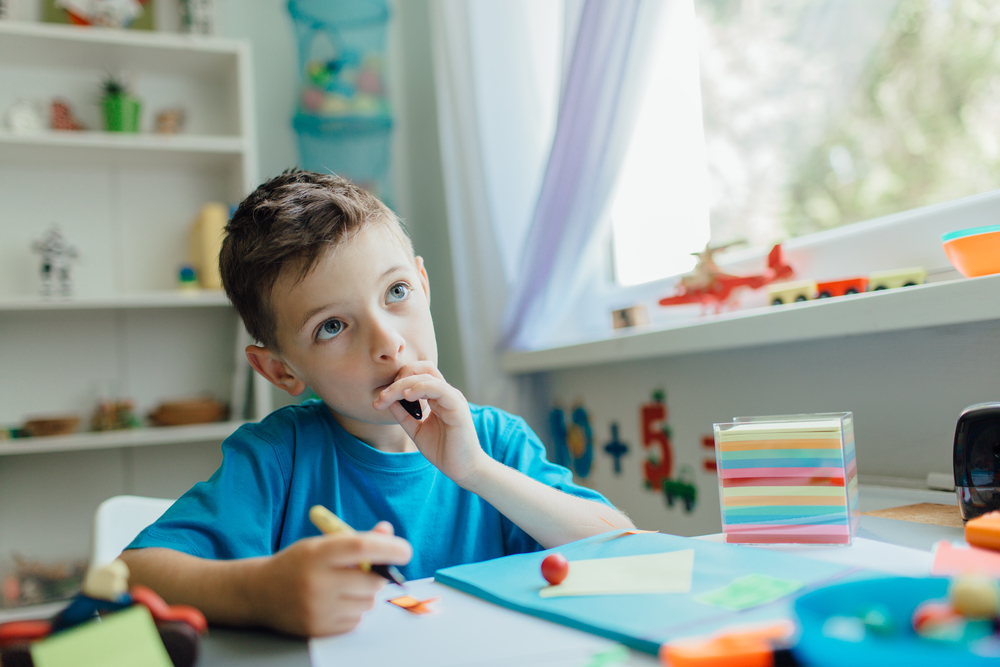
Developing observation skills in science for children ages 4-9 is crucial for their cognitive and academic growth. At this formative stage, children are naturally curious about the world around them. Encouraging observation helps them build critical thinking skills, as they learn to describe, compare, and classify various elements they encounter in their environment.
By fostering strong observational abilities, parents and teachers can help children become more engaged and enthusiastic learners. These skills form the foundation for scientific understanding and inquiry, allowing children to make sense of complex concepts as they progress through their education. Observational activities, such as noting the changes in plants, weather patterns, or the behavior of animals, can also teach patience and attention to detail.
Furthermore, honing these skills enhances language development. As children observe and describe their surroundings, they expand their vocabulary and improve their ability to communicate ideas. This practice also promotes mindfulness and a deeper appreciation for nature, sustainability, and the interconnectedness of life, possibly influencing positive environmental behaviors in the long run.
In essence, nurturing observation skills in early childhood education not only prepares children for future academic endeavors but also equips them with lifelong competencies that will aid in their overall development, problem-solving abilities, and understanding of the world.







