Identifying Animals Science Worksheets for Ages 4-9
3 filtered results
-
From - To
Explore our engaging "Identifying Animals" science worksheets designed for children aged 4-9! Our interactive resources encourage young learners to discover the animal kingdom while developing critical thinking and observation skills. Each worksheet is tailored to spark curiosity about various species, habitats, and characteristics, making learning fun and accessible. From fun facts to vibrant illustrations, these worksheets cater to different learning styles, ensuring every child can connect with nature's wonders. Perfect for home or classroom use, our printable resources promote teamwork, creativity, and active engagement. Start your child's adventure in science today with our carefully curated animal identification activities!
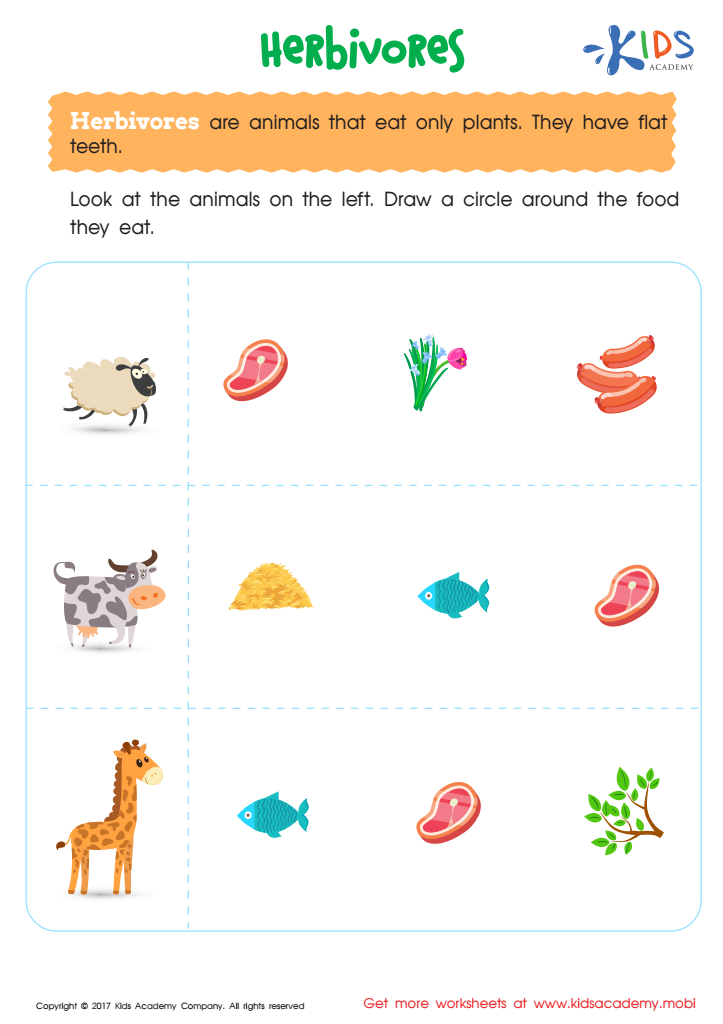
Herbivores Printable
 Assign to My Students
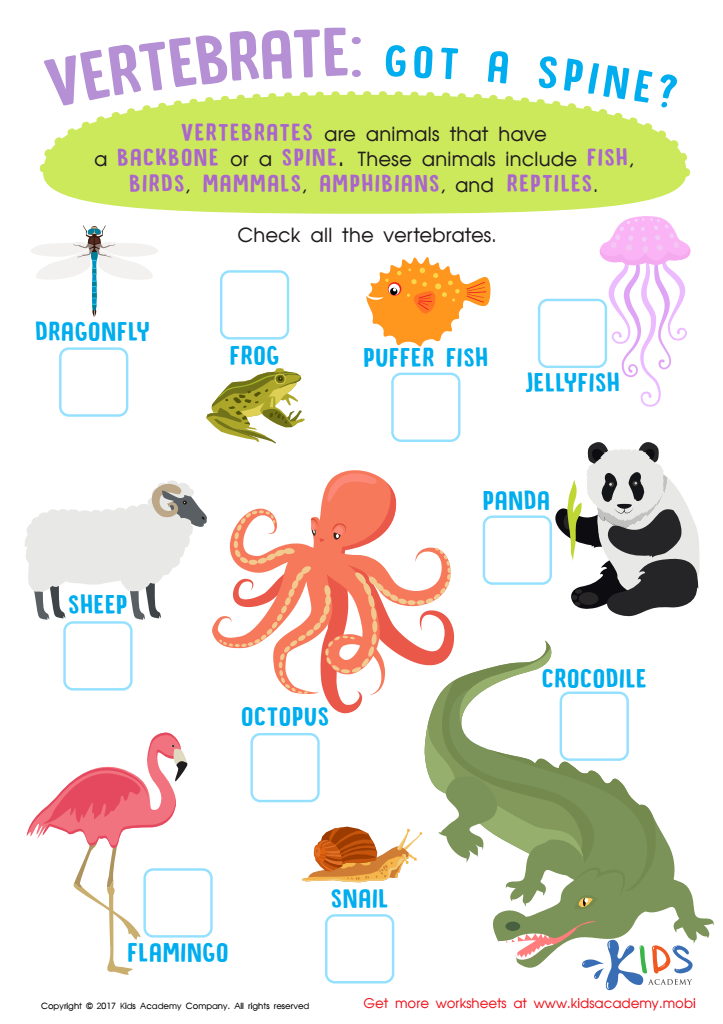
Vertebrates Animals Worksheet for 3rd Grade
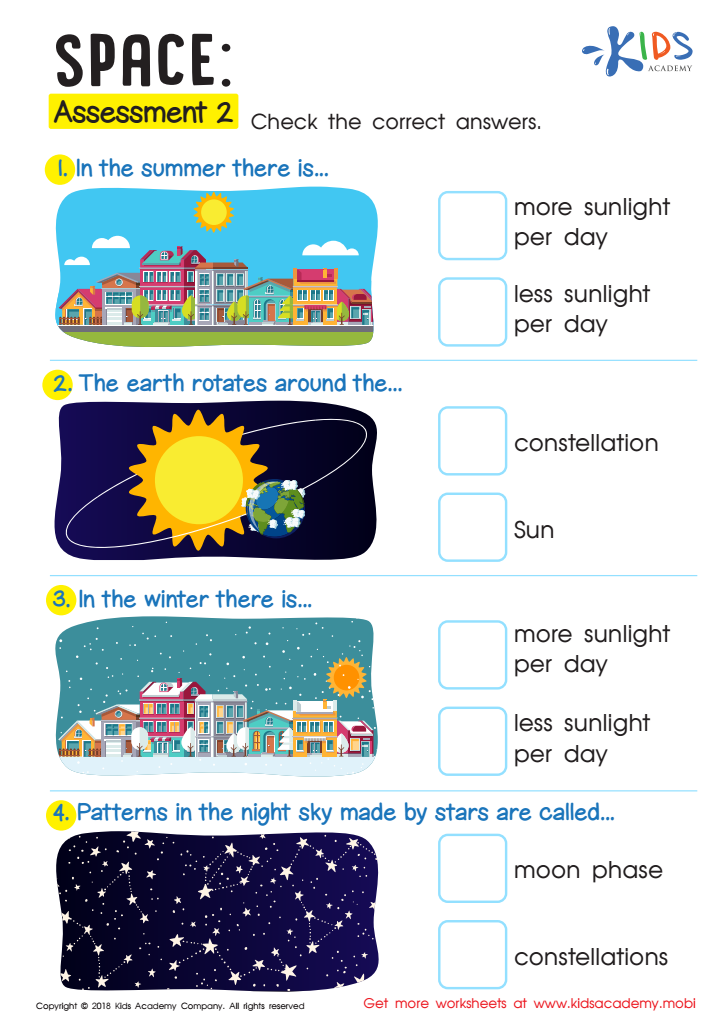
Space: Assessment 2 Worksheet







Identifying animals is a crucial aspect of early education that enriches a child's learning experience and fosters a connection to the natural world. For children aged 4 to 9, animal identification introduces fundamental scientific concepts, including classification, biodiversity, and ecosystems. Understanding different animals—such as mammals, reptiles, birds, and insects—helps children grasp the diversity of life, promoting curiosity and respect for living creatures.
Moreover, this learning activity enhances observational skills and critical thinking. When children learn to identify animals based on their characteristics, habits, and habitats, they develop inquiry-based learning skills that can benefit them across all subjects. These skills promote an inquisitive mindset, encouraging children to ask questions and seek answers.
In addition, interactions with animals and nature can have positive effects on children's emotional and social development. Activities such as visits to zoos, nature walks, or interactive classes foster teamwork and communication among peers, enhancing social skills.
Lastly, by encouraging animal identification, parents and teachers nurture an environmentally conscious generation. This foundational knowledge can inspire future advocacy for conservation, fostering a sense of responsibility for protecting our planet. Prioritizing animal identification in early education ultimately enriches children's understanding of the world around them.







