
Vocabulary development Life Science Worksheets for Ages 4-9
5 filtered results
Difficulty Level
Grade
Age
-
From - To
Subject
Activity
Standards
Enhance your child’s scientific vocabulary with our Life Science Worksheets, designed for ages 4-9. These engaging printables from Kids Academy focus on fundamental life science concepts, making learning both fun and effective. Featuring vibrant illustrations and interactive activities, our worksheets help young learners grasp essential terms and ideas in the realm of life science. Each worksheet is crafted to build a strong foundation in vocabulary while encouraging curiosity and a love for the natural world. Perfect for both classroom use and homeschooling, our Life Science Vocabulary Worksheets support early educational development and boost confidence in young scientists.
Favorites
With answer key
Interactive
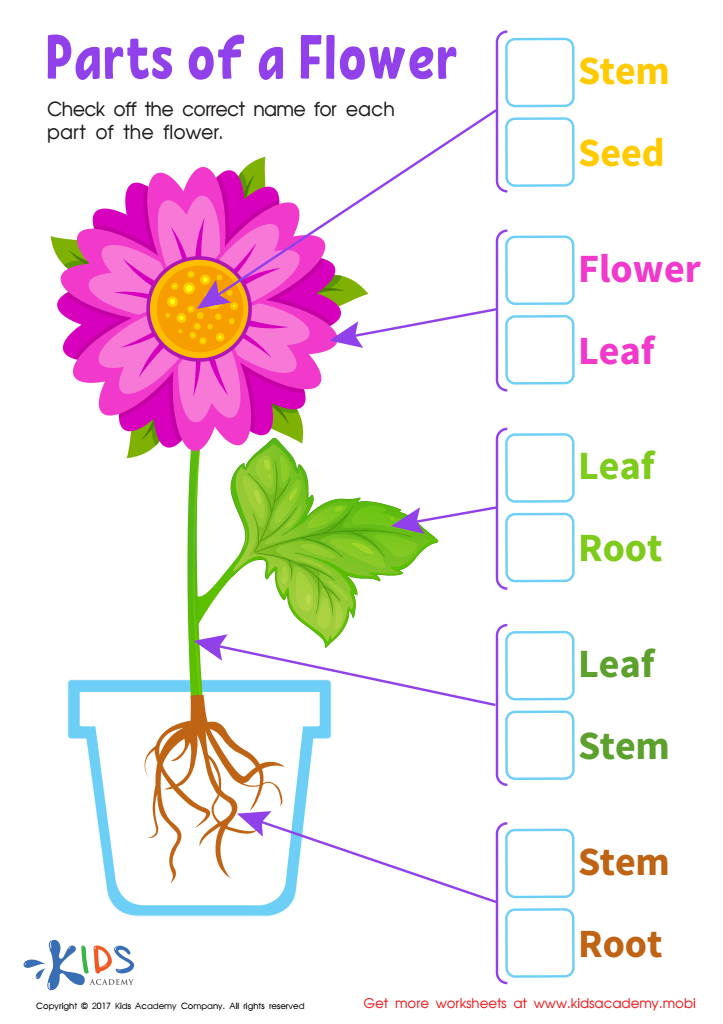
Parts Flower Printable
Introduce your child to life science with this vivid parts of a flower worksheet! They'll learn basic flower structures while building biology vocabulary and discovering plants are living creatures too! Perfect for budding little scientists!
 Assign to My Students
Parts Flower Printable
Worksheet
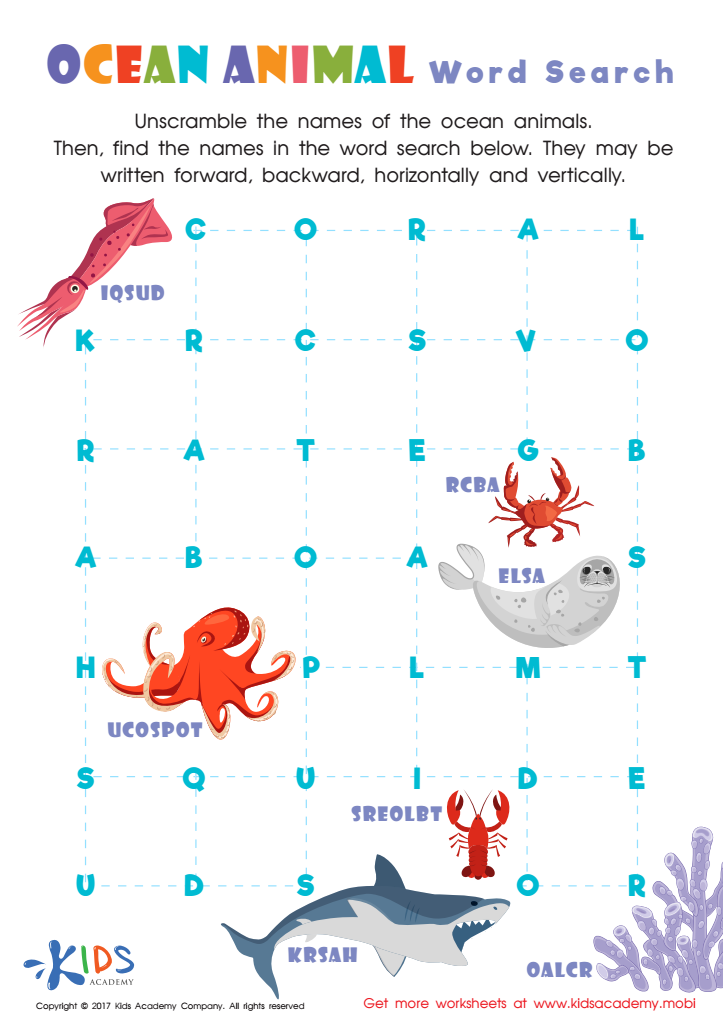
Ocean Animals Word Search Printable
Challenge your child to unscramble the names of ocean animals and find them in the word search. This ocean animals printable is a fun way to teach kids more about these fascinating creatures!
Ocean Animals Word Search Printable
Worksheet
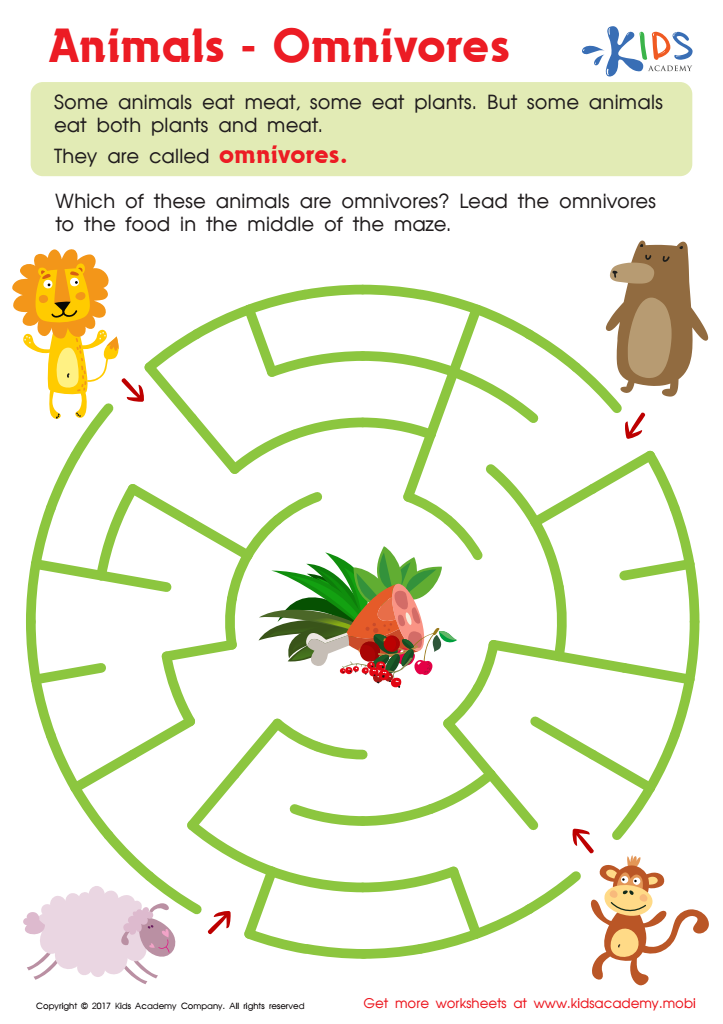
Omnivores Animals Worksheet
Kids can explore omnivores animals with this worksheet! It presents herbivores, carnivores and omnivores, with the main activity being a maze. Kids must guide a bear through it to get to its food. See how much they know about omnivores!
Omnivores Animals Worksheet
Worksheet
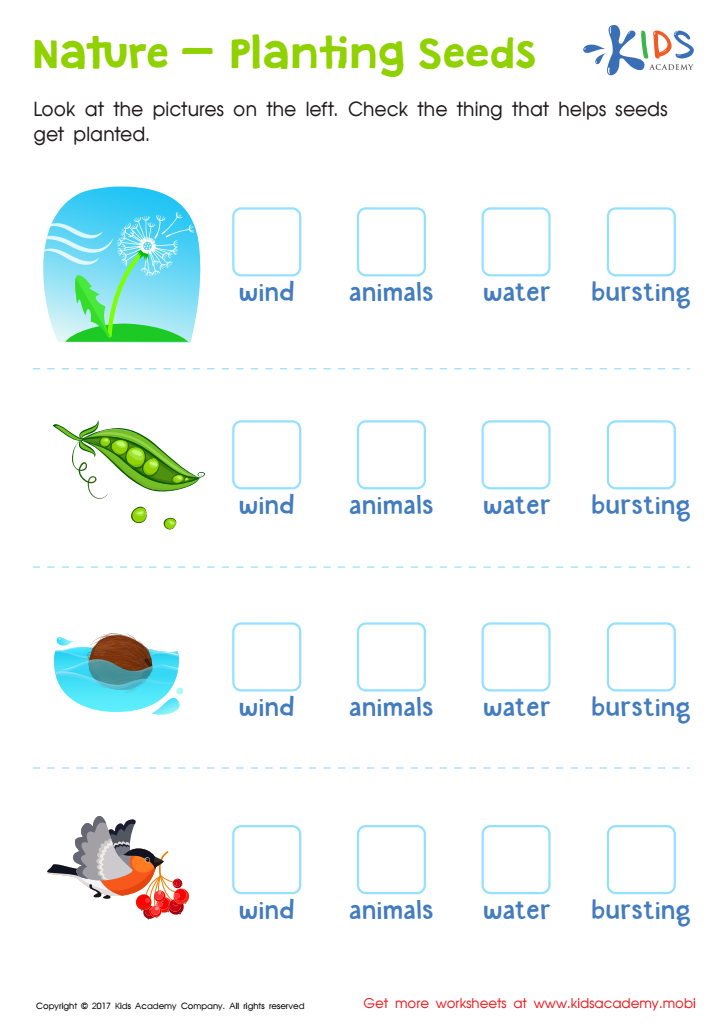
Nature Planting Seeds Worksheet
Help your child explore the fascinating cycle of plants and seeds with this worksheet. They'll learn how plants grow and how seeds travel to the ground. Challenge them to identify the right way each seed gets planted!
Nature Planting Seeds Worksheet
Worksheet
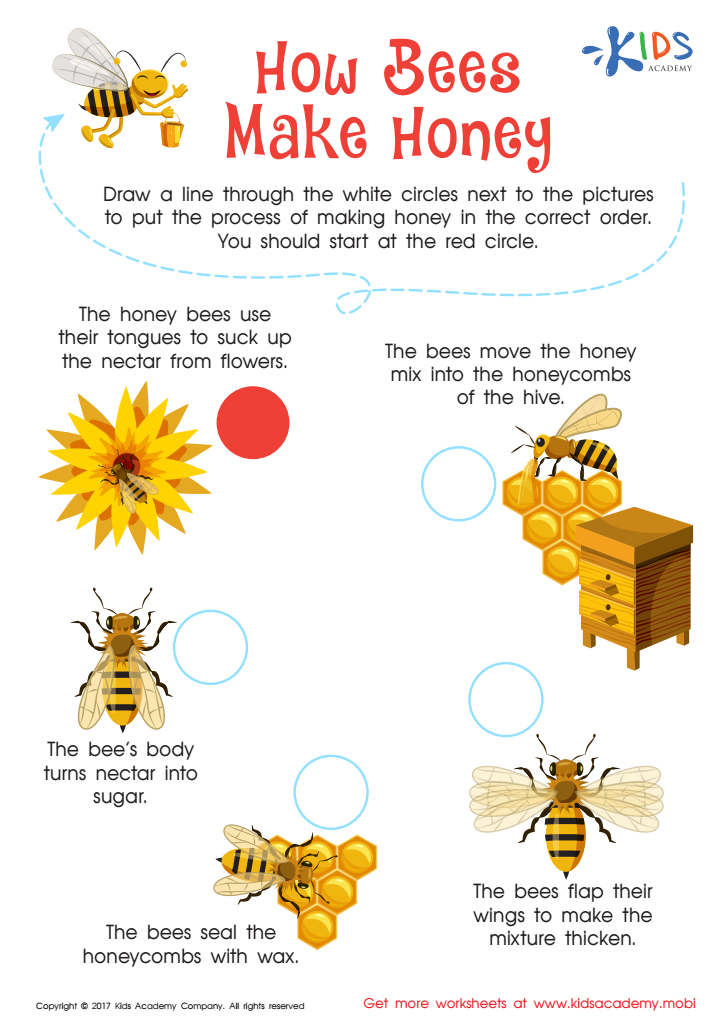
Honey Bee Worksheet
Kids learn about life science and the process of making honey with this sweet honeybee worksheet for 3rd grade. They identify the steps bees take and put the cycle in order, developing knowledge and appreciation for honeybees!
Honey Bee Worksheet
Worksheet
Join Kids Academy for Free
Who is primarily going to use this learning content?







Vocabulary development is a crucial aspect of life science education for children aged 4-9, bridging their natural curiosity with foundational understanding. At this age, learners are like sponges, rapidly absorbing new information. Introducing them to scientific vocabulary can significantly enhance their comprehension and appreciation of the natural world, laying a strong groundwork for future learning.
For parents and teachers, fostering vocabulary development in life science serves several essential purposes. Firstly, it aids cognitive development. By learning terms like "habitat," "predator," or "photosynthesis," children grasp complex concepts more easily. This enriches their critical thinking and problem-solving skills, enabling them to better understand relationships between living things and their environments.
Secondly, strong vocabulary in life science nurtures a love for learning and exploration. When children recognize and name phenomena in their surroundings, their intrinsic curiosity is fueled. This enthusiasm can translate into higher engagement in academic pursuits, boosting confidence and academic performance across various subjects.
Moreover, life science vocabulary helps children communicate their ideas effectively. It equips them with the language they need to articulate observations, ask questions, and participate fully in class discussions, fostering stronger social and communication skills.
In essence, investing in vocabulary development within life science not only promotes academic success but also encourages inquisitiveness, confidence, and a lifelong passion for learning.








