Geography skills Geography Worksheets for Ages 4-9
3 filtered results
-
From - To
Explore our engaging Geography Skills Worksheets designed for children ages 4-9! These printable resources make learning about geography exciting and accessible. With a variety of fun activities, kids can develop essential skills such as map reading, understanding continents and oceans, recognizing landforms, and learning about different cultures. Each worksheet is carefully crafted to foster a love for exploration while enhancing critical thinking and problem-solving abilities. Perfect for both home and classroom use, these worksheets support early learners in building a solid foundation in geography. Encourage your child's curiosity about the world with our interactive and educational geography materials today!
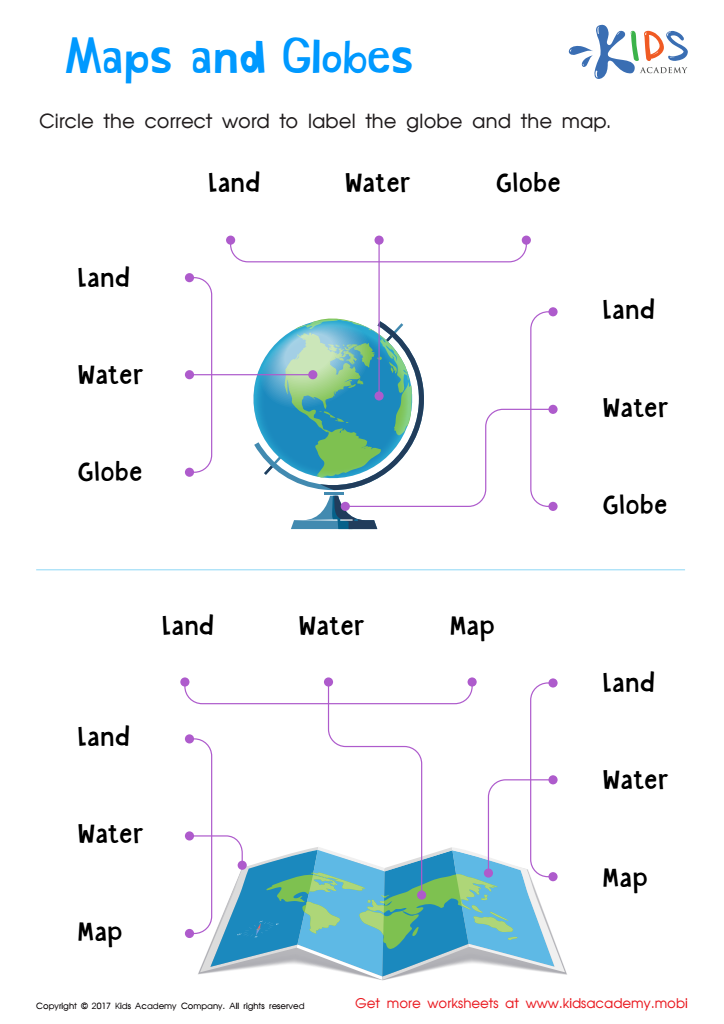
 Assign to My Students
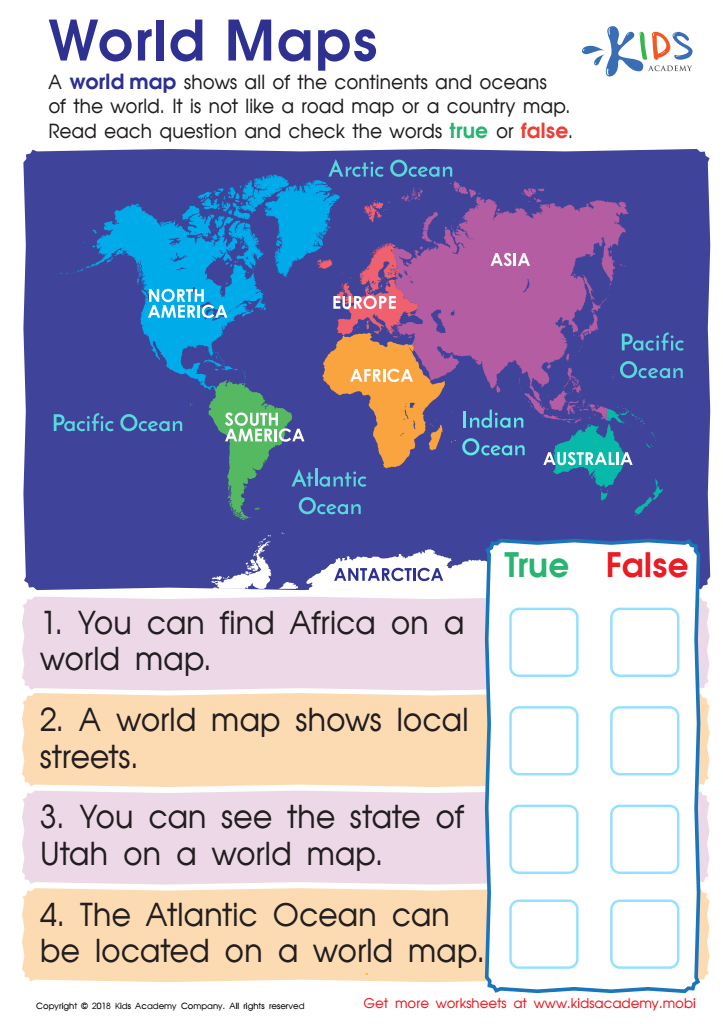
World Maps Worksheet
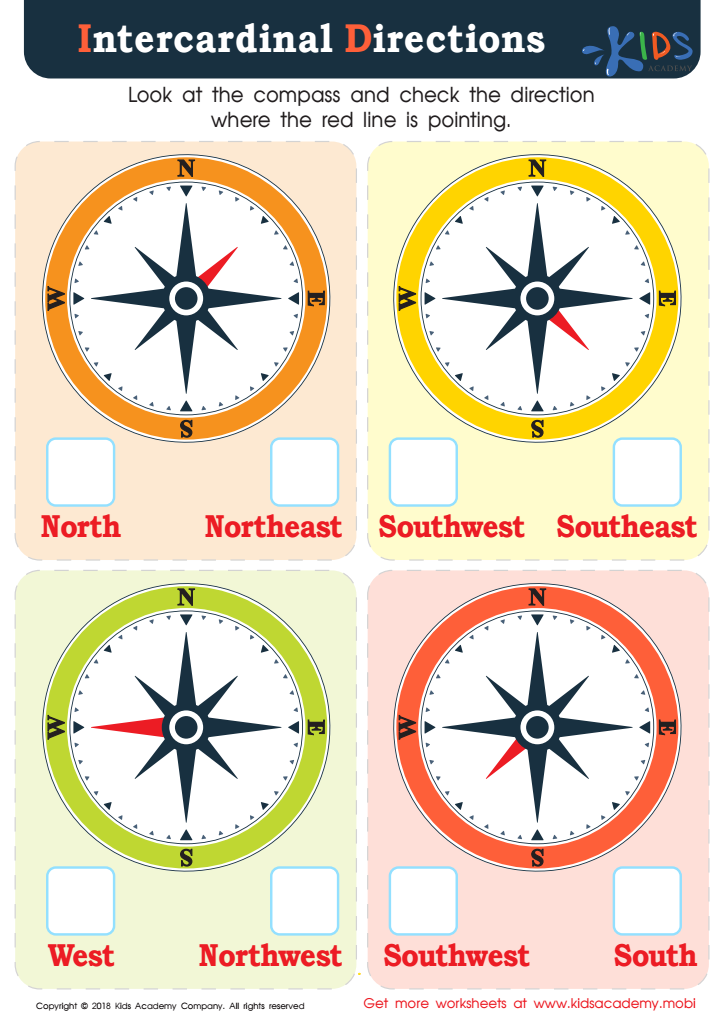
Intercardinal Directions Worksheet



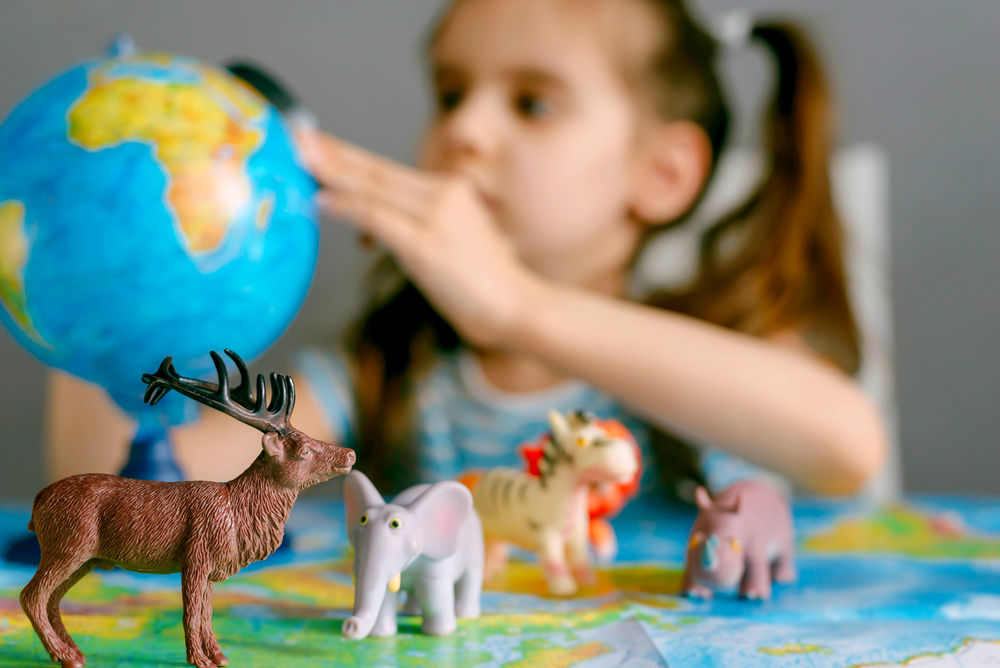



Geography skills are essential for children aged 4-9 as they lay the foundation for understanding the world around them. At this early stage, kids are naturally curious and eager to explore their environment, making it the perfect time to introduce geography. Teaching geography helps develop spatial awareness, critical thinking, and cooperation skills. Children learn to recognize landscapes, maps, and globes, which are crucial for navigating their surroundings.
Understanding geography fosters cultural awareness and empathy, as children learn about diverse communities, customs, and ways of life. This knowledge promotes inclusivity and appreciation for global diversity, preparing them for a connected world. Furthermore, geography encourages scientific inquiry as children explore earth sciences and the environment, instilling in them a sense of responsibility for the planet's health.
Parents and teachers should emphasize geography skills to empower children with a sense of place and belonging, promoting a deeper understanding of local and global issues. Ultimately, geographic knowledge cultivates informed, responsible citizens who can make thoughtful decisions about their communities and the world, nurturing a generation that values cooperation and harmony in a diverse, ever-changing society.








