Critical Thinking Social Studies Worksheets for Ages 4-9 - Page 2
31 filtered results
-
From - To

Assessment: First Thanksgiving Worksheet
 Assign to My Students
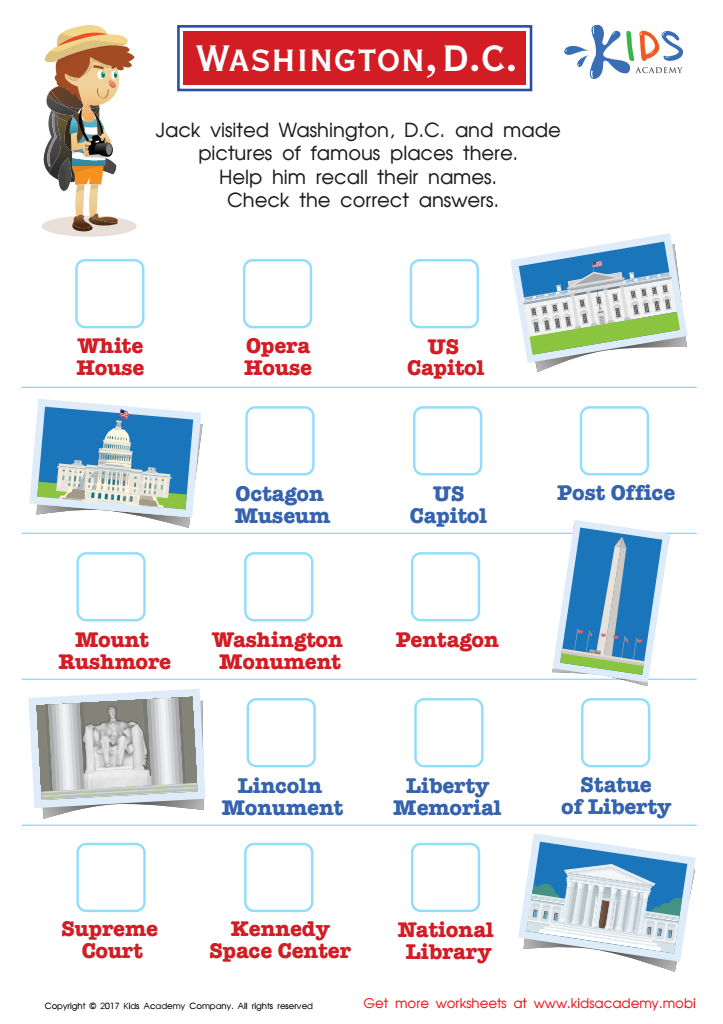
Washington D.C. Printable Worksheet
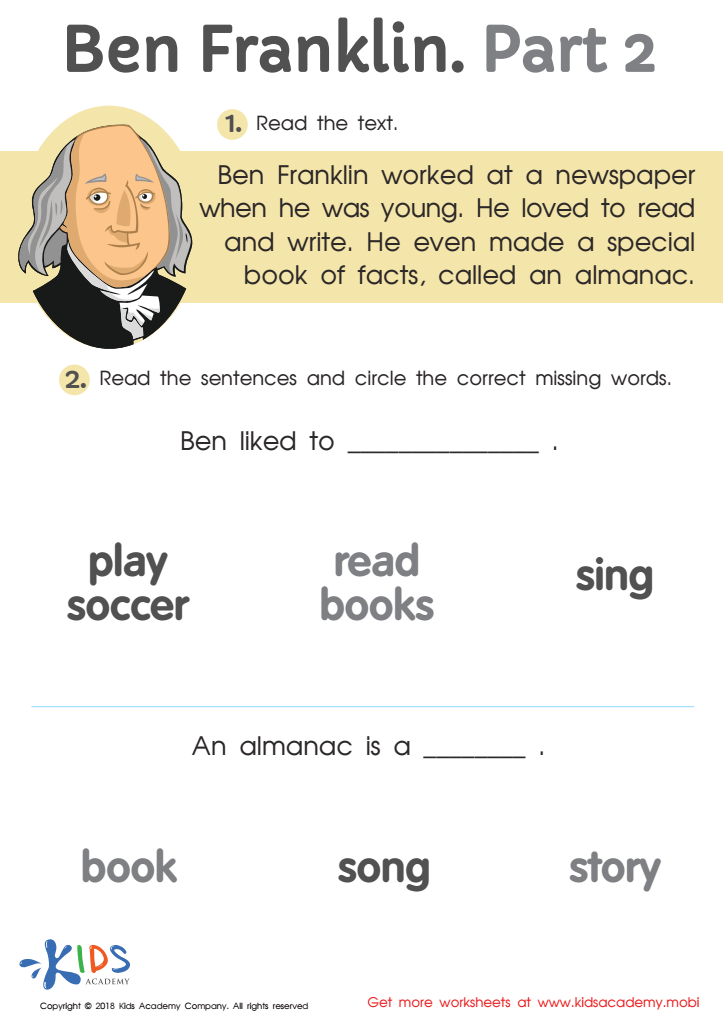
Ben Franklin Part 2 Worksheet
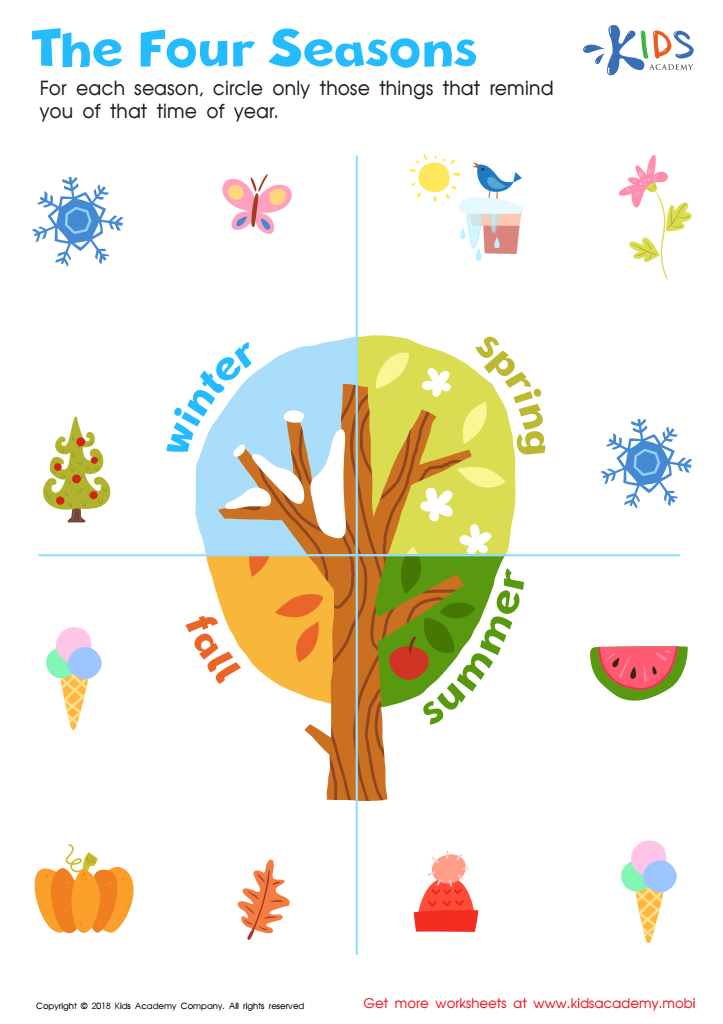
The Four Seasons Worksheet
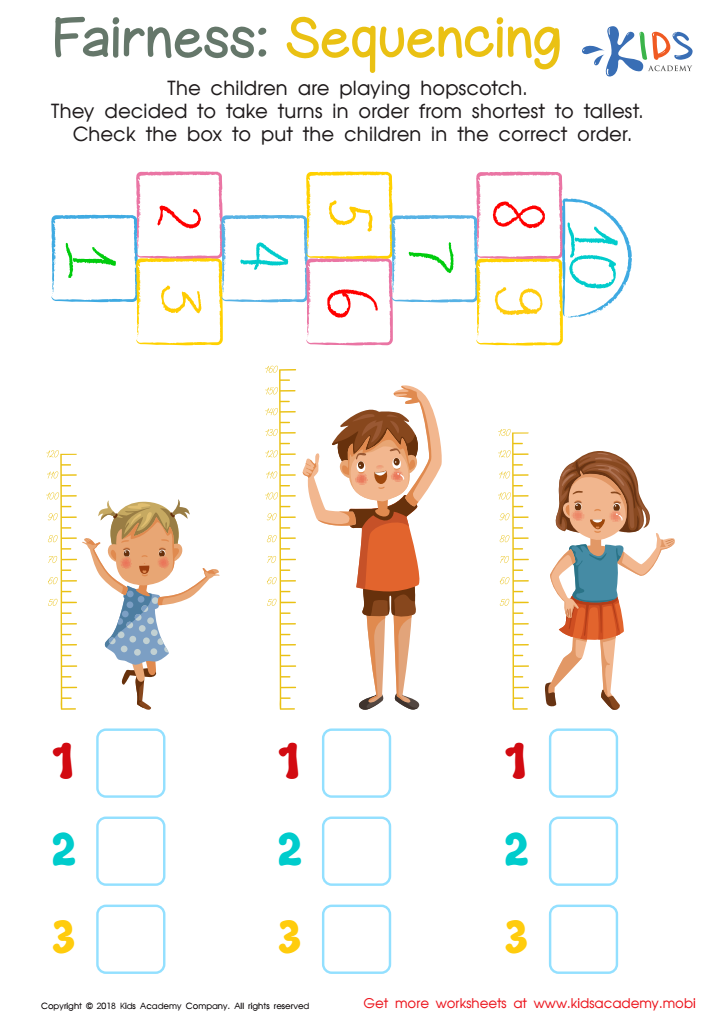
Fairness: Sequencing Worksheet
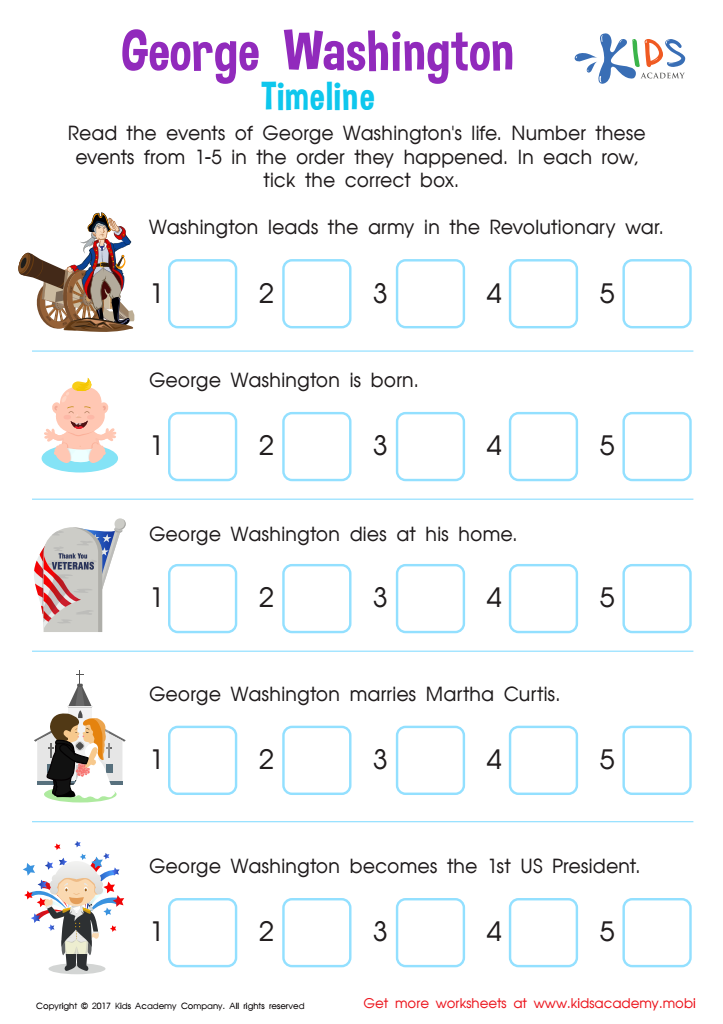
George Washington Timeline Worksheet
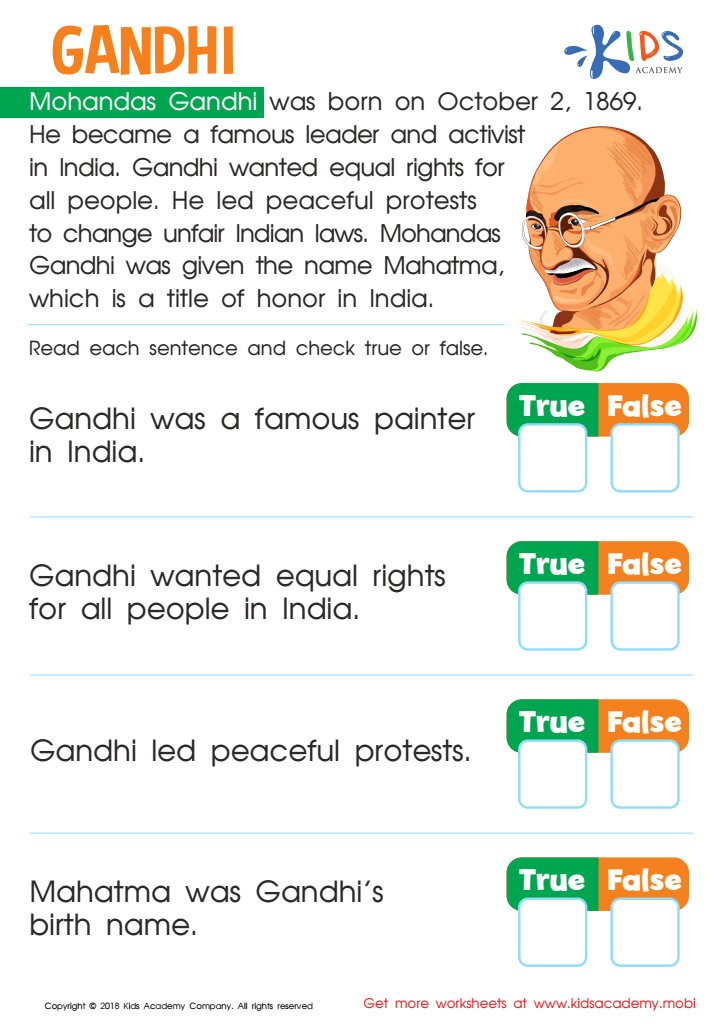
Gandhi Worksheet








Critical thinking in social studies for children aged 4-9 is essential for fostering a well-rounded education. At this early age, children are naturally curious about the world around them, and introducing critical thinking skills helps them explore different perspectives and develop their own opinions. By engaging in social studies, children learn to analyze information, ask questions, and make connections between past and present, shaping their understanding of diverse cultures, communities, and historical events.
Parents and teachers should care about this subject because it builds foundational skills like problem-solving and decision-making. Encouraging critical thinking nurtures children's ability to evaluate sources, recognize bias, and understand the context behind various narratives. These skills are crucial in today's information-rich environment, where children need to navigate diverse viewpoints and media.
Moreover, fostering critical thinking and social awareness at a young age cultivates empathy and respect for others, vital traits in promoting an inclusive society. As children learn about civic responsibility and community engagement, they become informed citizens who can actively contribute to their communities. Overall, incorporating critical thinking in social studies prepares children not only for academic success, but also for meaningful participation in their world.








