Understanding patterns Social Studies Worksheets for Ages 4-9
4 filtered results
-
From - To
Unlock the world of patterns with our "Understanding Patterns Social Studies Worksheets" designed for ages 4-9! These engaging, printable worksheets provide young learners with the tools to recognize and analyze patterns in everyday life. Featuring fun illustrations and interactive exercises, students will explore patterns in culture, community, and social interactions, enhancing their critical thinking and observational skills. Perfect for parents and educators, our worksheets promote early social studies knowledge while fostering creativity and cognitive development. Dive into this educational journey and help children discover the significance of patterns in their world! Download now for an enriching, hands-on learning experience.
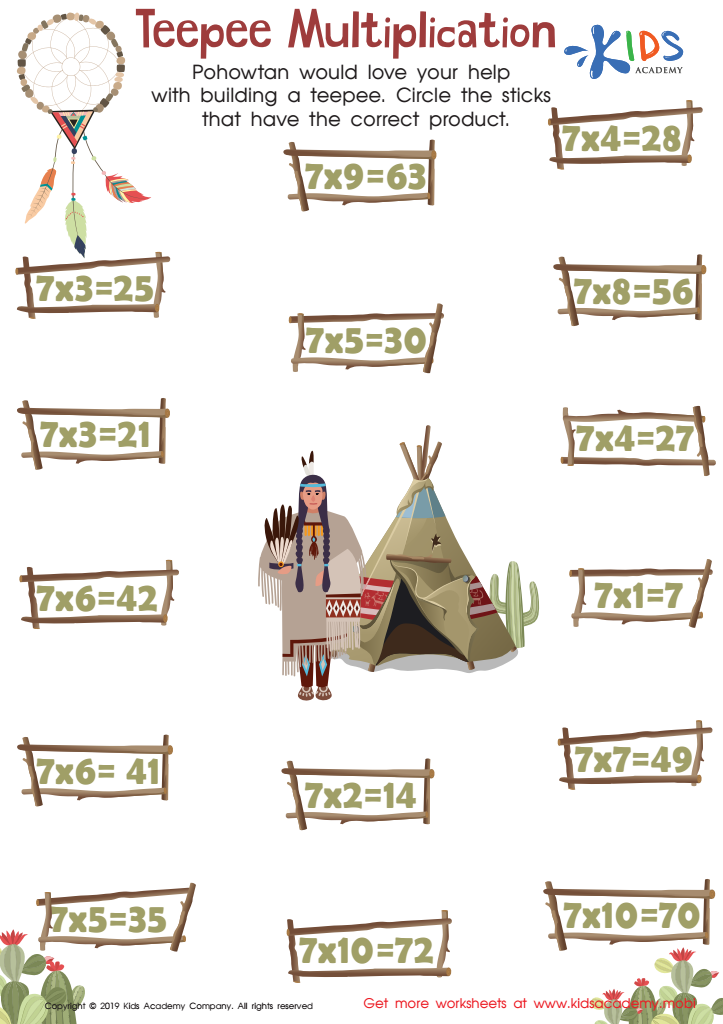
Teepee Multiplication Worksheet
 Assign to My Students
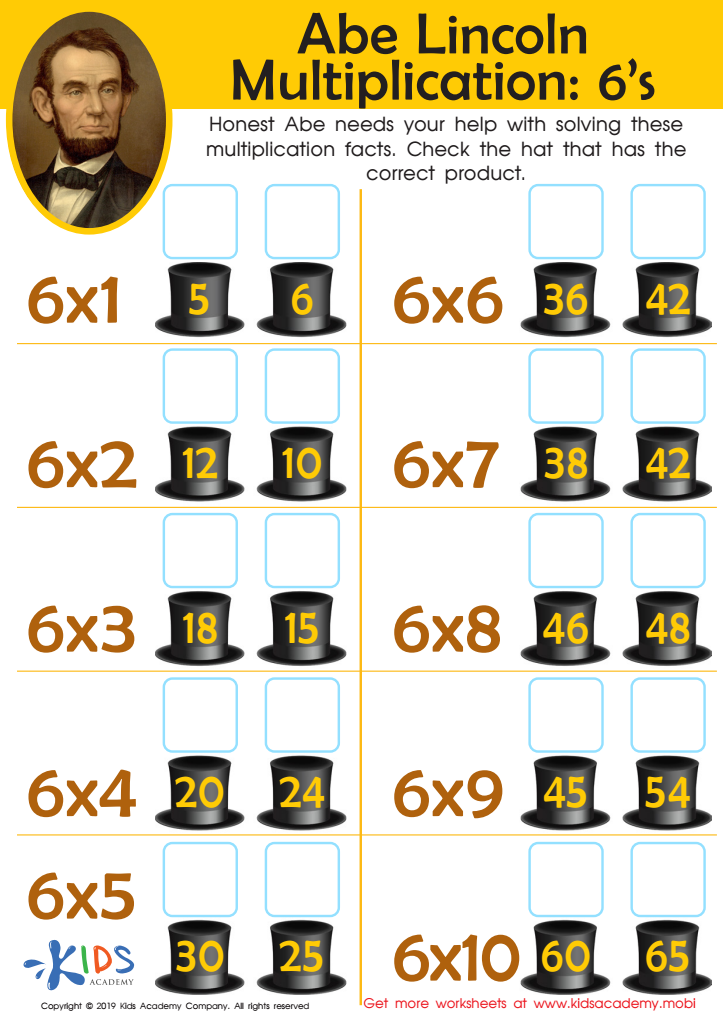
Abe Lincoln Multiplication: 6’s Worksheet
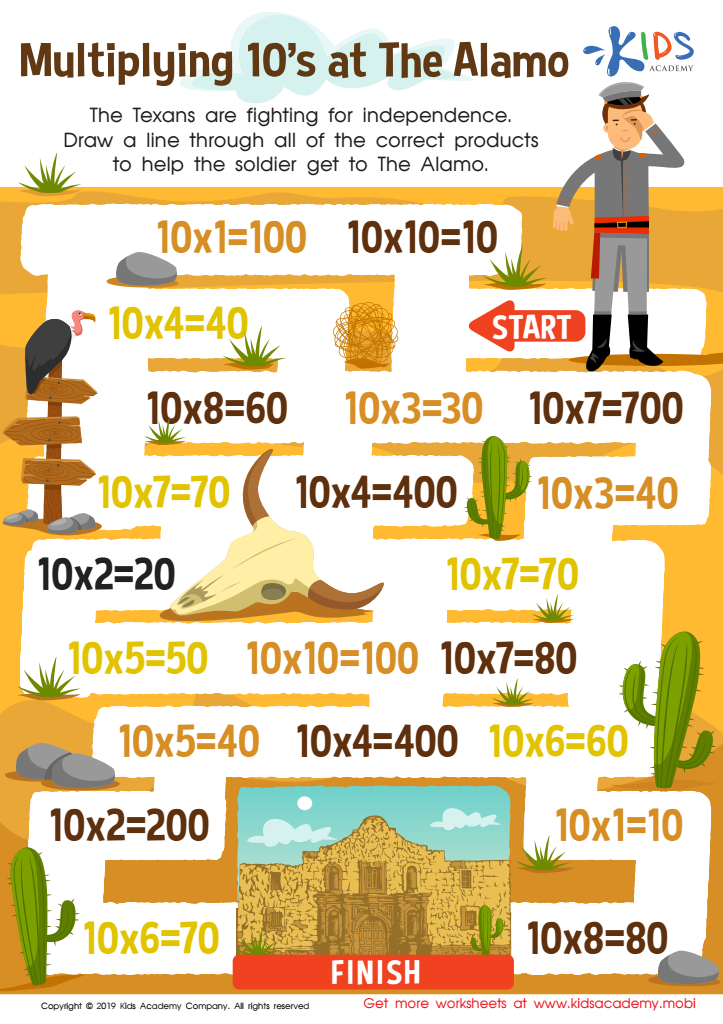
Multiplying 10’s at The Alamo Worksheet
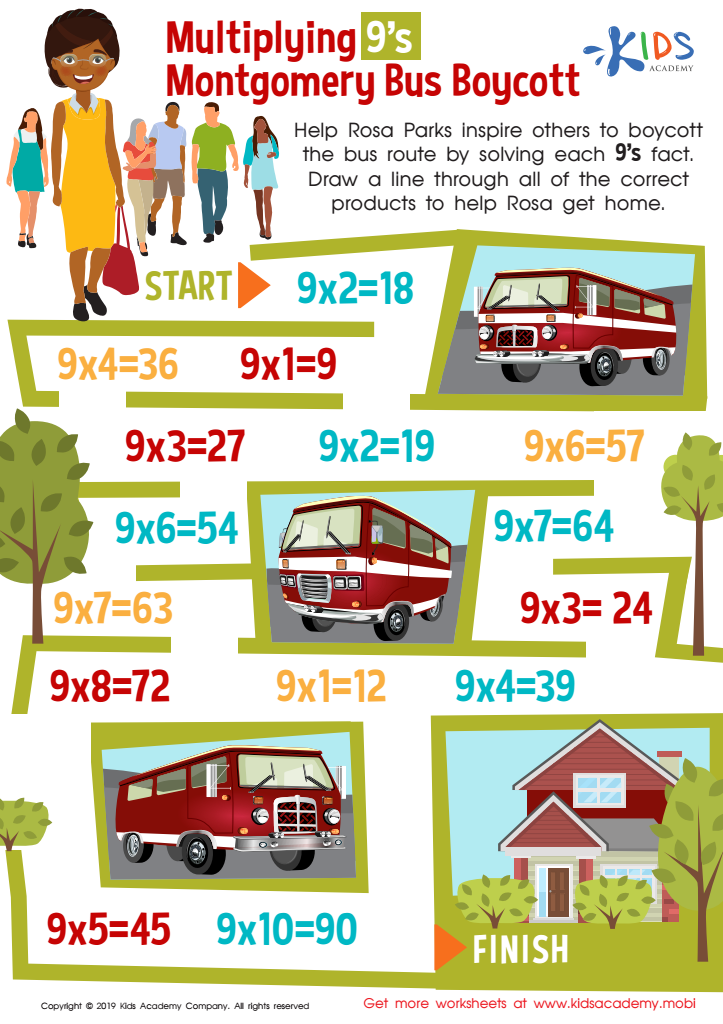
Multiplying 9’s Montgomery Bus Boycott Worksheet




.jpg)


.jpg)
Understanding patterns in Social Studies is crucial for children aged 4-9 as it lays the foundation for critical thinking and analytical skills early in their educational journey. Recognizing patterns helps young learners make sense of the world around them, facilitating connections between historical events, cultural practices, and social behaviors.
When parents and teachers emphasize pattern recognition, children develop an appreciation for cause-and-effect relationships. For instance, if students identify a pattern in how different communities respond during natural disasters, they begin to understand the importance of preparedness and resilience. This understanding fosters empathy and a sense of social responsibility.
Involving children in identifying patterns, whether in ecological cycles, family traditions, or local governance, encourages participation and engagement. It empowers them to draw conclusions and make informed decisions in their everyday lives and future studies.
Moreover, integrating pattern recognition into Social Studies stimulates curiosity and open dialogue about diverse perspectives and histories. By fostering a strong grasp of patterns, we equip young learners with the tools to critically assess their environment, appreciate cultural differences, and contribute positively to their communities, ultimately nurturing well-rounded, informed citizens. Thus, parents and teachers play a vital role in this foundational aspect of education.