Logical thinking Grammar Worksheets for Ages 4-9
4 filtered results
-
From - To
Discover our engaging "Logical Thinking Grammar Worksheets" designed for children ages 4-9. These worksheets blend grammar practice with critical thinking skills, fostering creativity and analytical abilities in young learners. Each activity encourages kids to explore language structures while solving fun, logical puzzles that enhance their understanding of grammar concepts. Ideal for classroom or home use, these worksheets are easy to implement and cater to various learning styles. Challenge your child's reasoning and grammar skills simultaneously, making learning an enjoyable experience. Access a range of printable resources that promote both cognitive development and strong foundational language abilities. Start your child’s journey today!
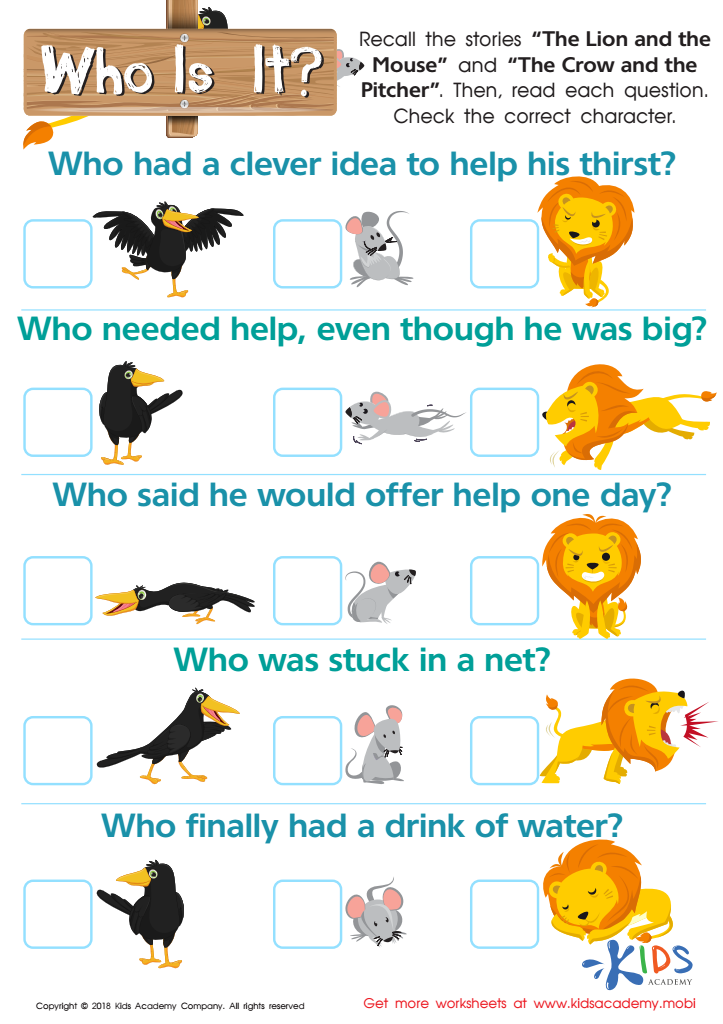
Who Is It? Worksheet
 Assign to My Students
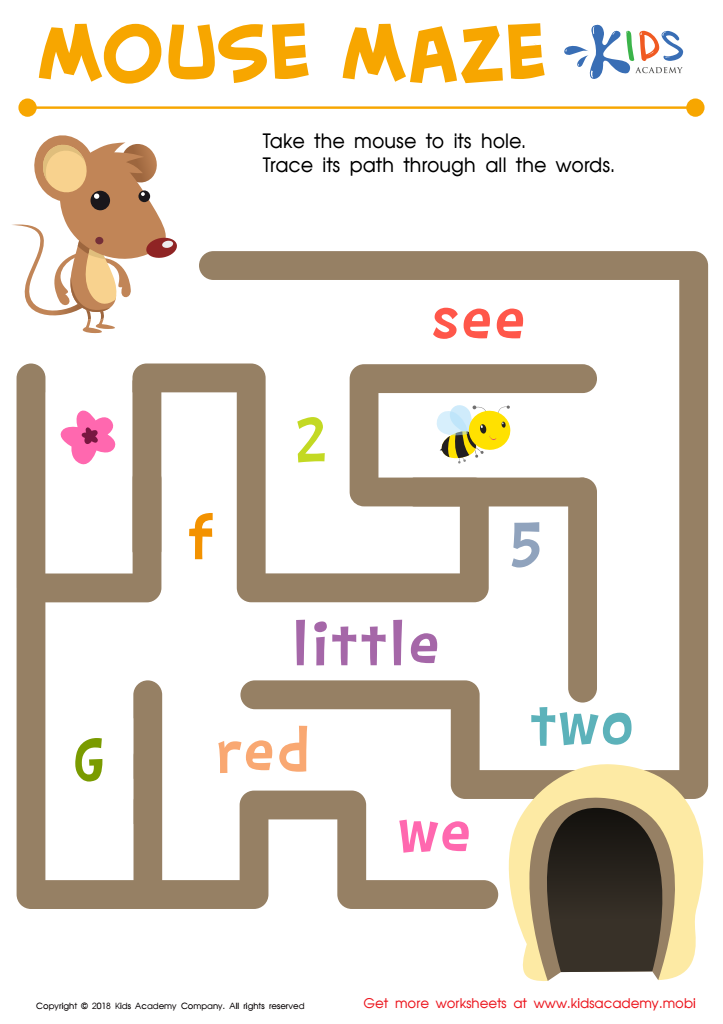
Find Words Mouse Maze Worksheet
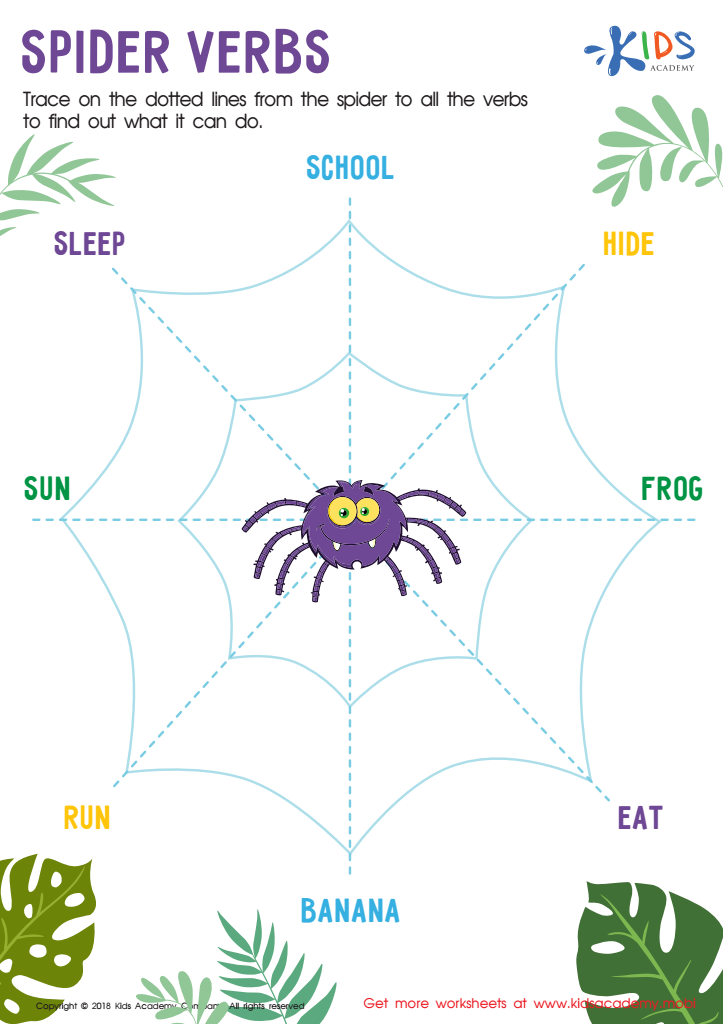
Spider Verbs Worksheet
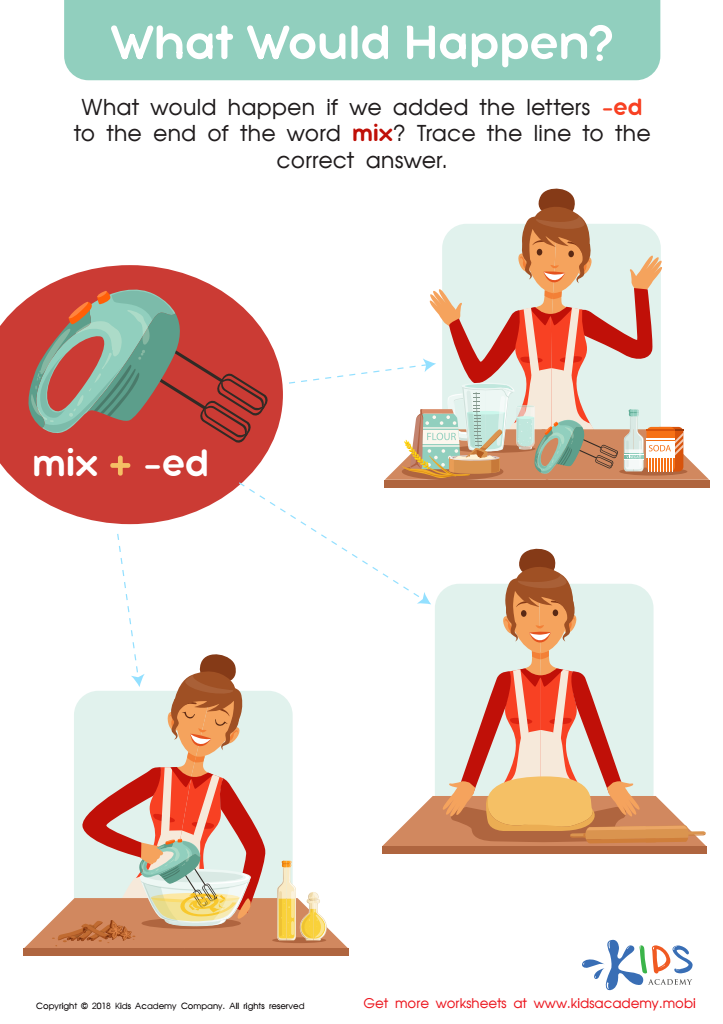
What Would Happen? Worksheet



.jpg)



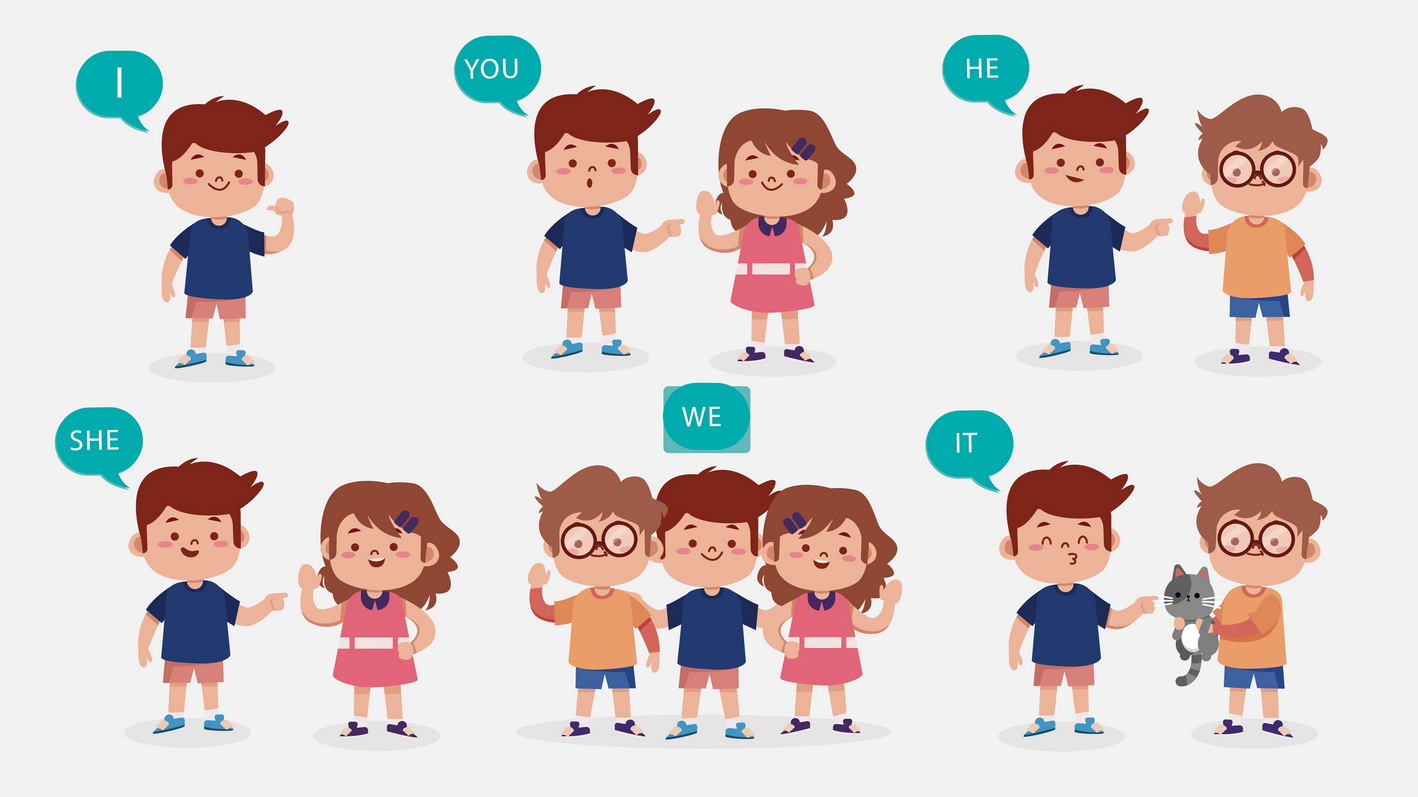
Logical thinking and grammar are crucial for children aged 4-9 as they form the foundation for effective communication and critical reasoning skills. During these formative years, children are developing their language abilities, which significantly influences their academic success and social interactions. Understanding grammar helps children construct sentences accurately, express their thoughts clearly, and comprehend what they read or hear. As they learn the rules of grammar, they also enhance their analytical skills by understanding how language structures convey meaning, which is a key aspect of logical thinking.
Moreover, logical thinking nurtures problem-solving abilities and decision-making skills. It encourages children to analyze situations, compare options, and draw sound conclusions, which extends beyond language to various subjects such as mathematics and science. When parents and teachers emphasize logical thinking and grammar, they empower children to articulate their ideas confidently and approach challenges systematically.
Additionally, fostering these skills supports emotional intelligence, helping children to communicate their feelings and understand others' perspectives. Investing time in developing logical thinking grammar during these vital years helps nurture well-rounded individuals who are prepared for future academic challenges and interpersonal relationships. Therefore, parents and teachers should prioritize these skills to promote holistic development in children.








