Fine Motor Skills ABC Letters Worksheets for 4-Year-Olds - Page 2
38 filtered results
-
From - To
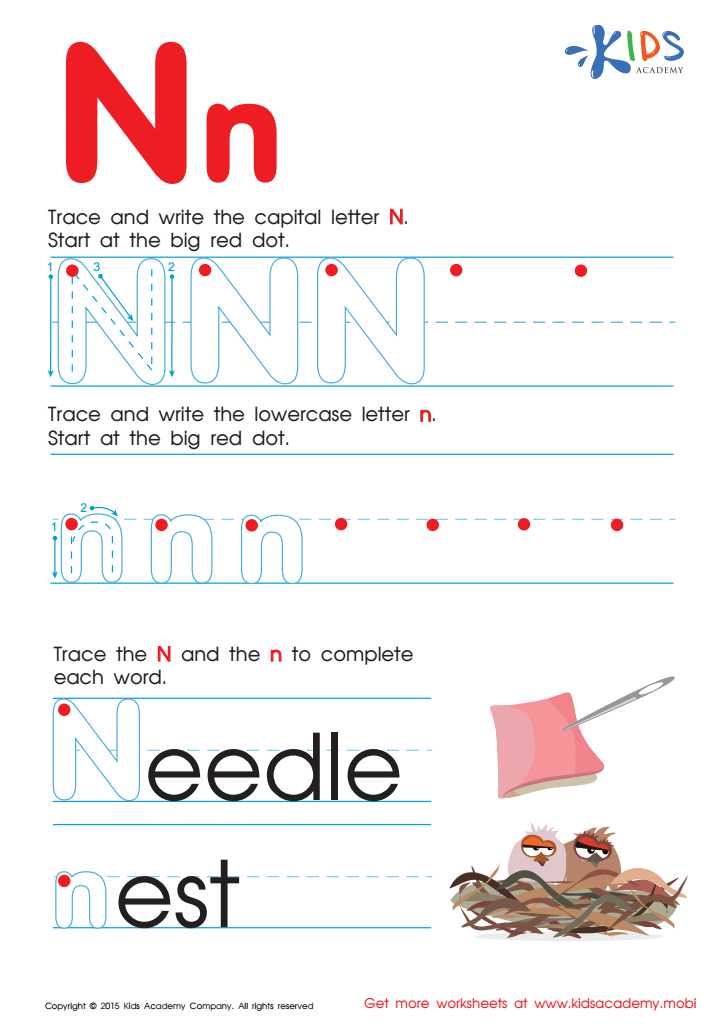
Letter N Tracing Page










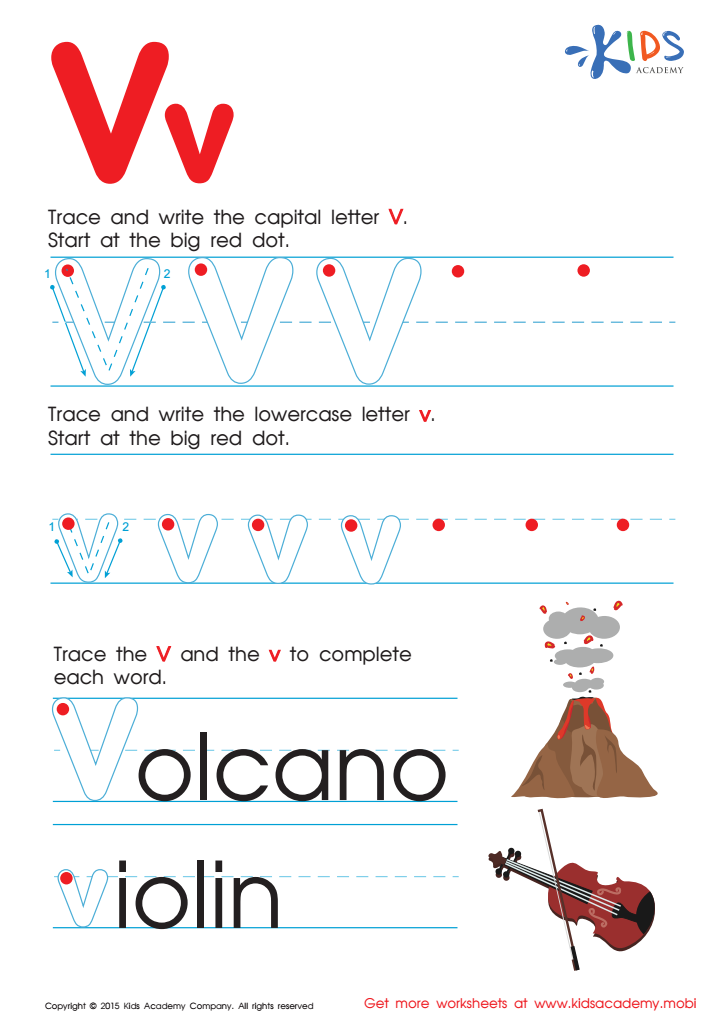
Letter V Tracing Page
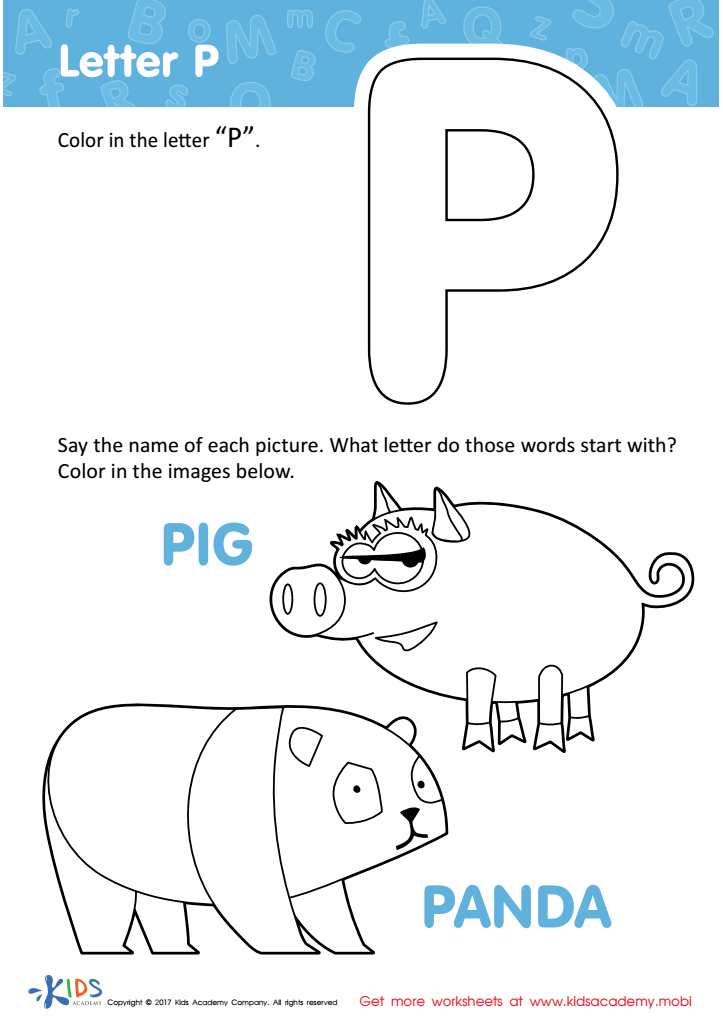
Letter P Coloring Sheet
 Assign to My Students

Letter E Tracing Page
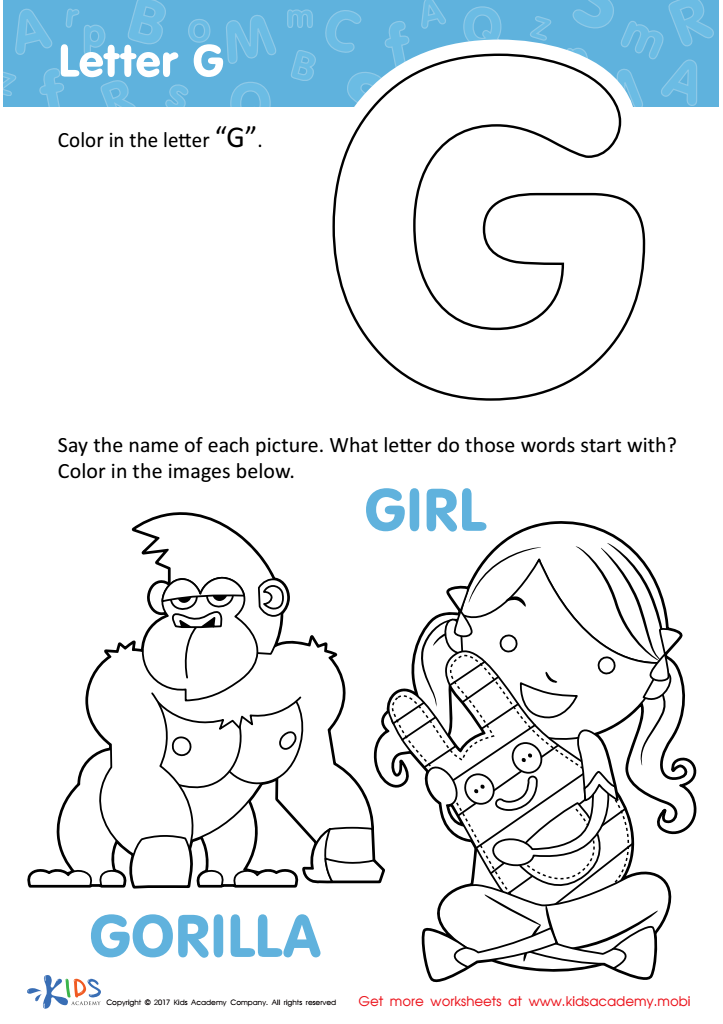
Letter G Coloring Sheet
Assign to My Students
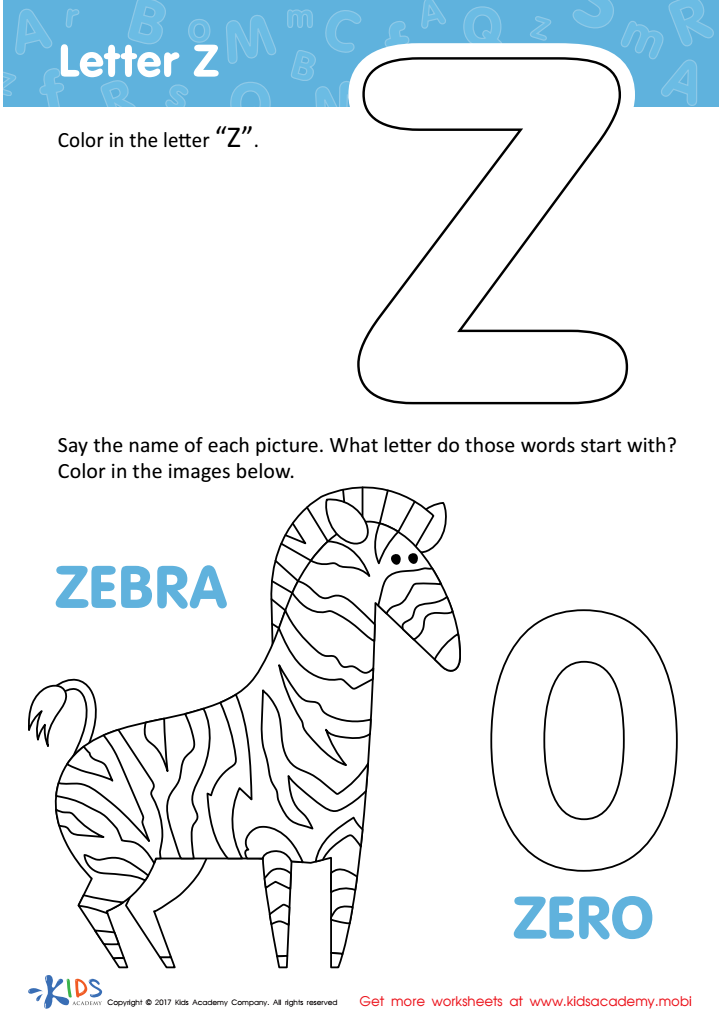
Letter Z Coloring Sheet
Assign to My Students
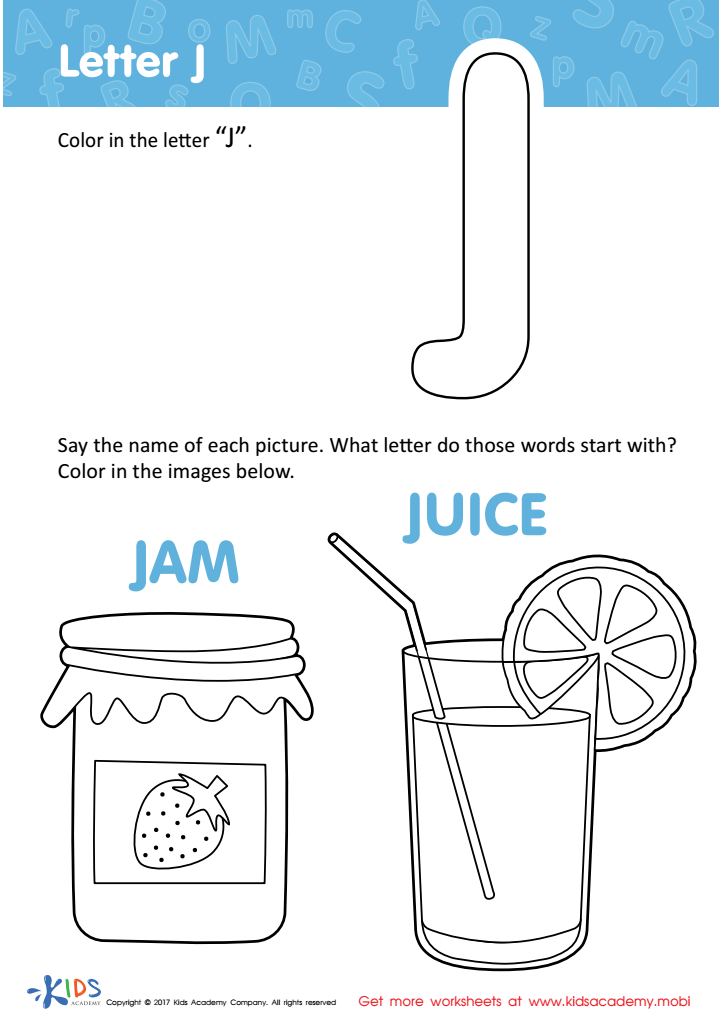
Letter J Coloring Sheet
Assign to My Students
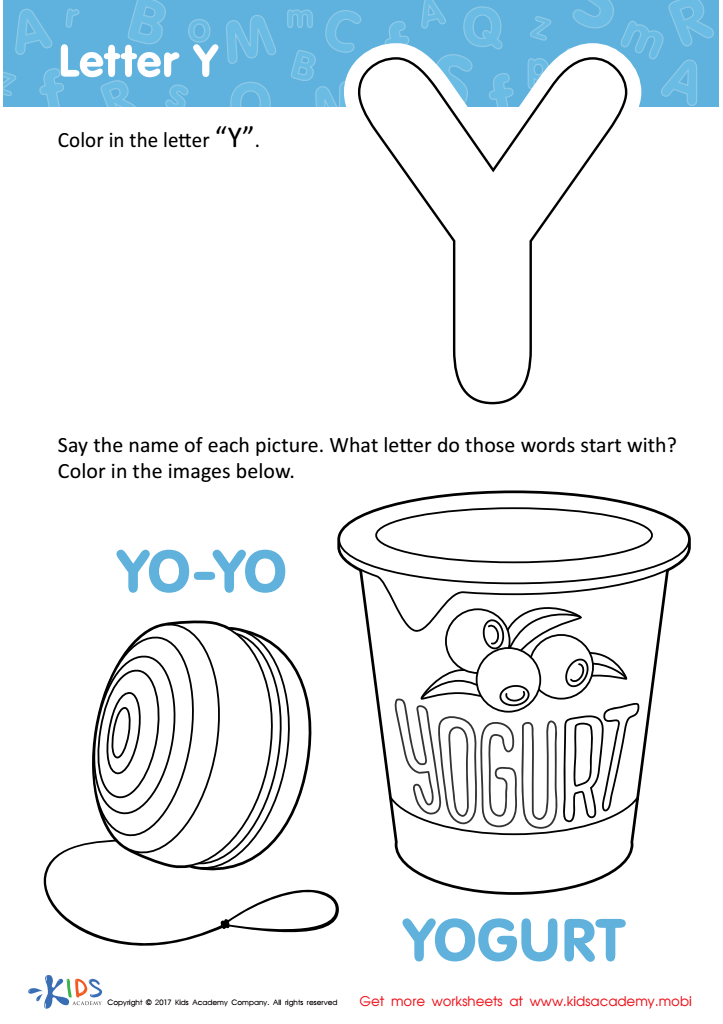
Letter Y Coloring Sheet
Assign to My Students

Letter F Tracing Page

Uppercase Letters Y Z Worksheet

Letter F Coloring Sheet
Assign to My Students
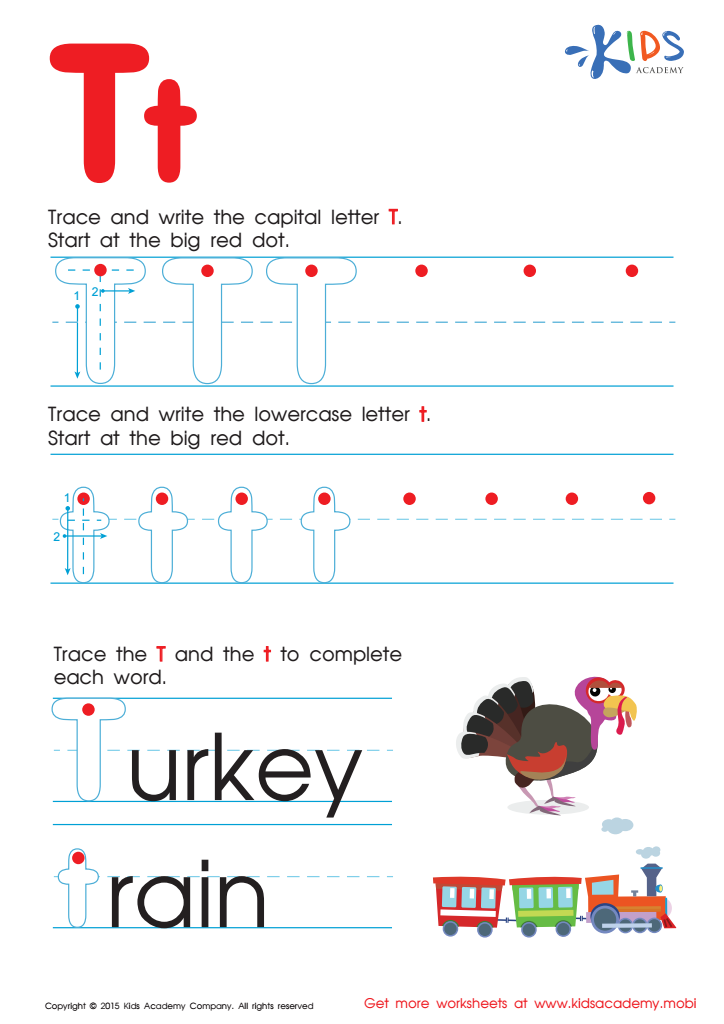
Letter T Tracing Page

Letter N Coloring Sheet
Assign to My Students

Letter D Tracing Page







Caring about fine motor skills in young children is crucial, especially when it involves learning ABC letters. Parents and teachers should prioritize this development for several key reasons.
Firstly, fine motor skills—often referred to as the ability to coordinate small muscles, especially in the hands and fingers—are foundational for numerous daily tasks. For a 4-year-old, mastering these skills enhances their ability to perform actions such as writing, buttoning clothes, and tying shoes.
Learning ABC letters specifically strengthens fine motor skills through activities like tracing, drawing, and handling small objects, all of which involve precise hand movements. These activities are critical for preparing children for school, where proficient pencil use and letter formation are essential.
Moreover, these skills boost cognitive development. Manipulating letters and shapes aids in the understanding of essential concepts like spatial awareness and coordination, as well as reinforcing memory through repetitive actions.
Emotionally, successfully performing tasks that require fine motor skills can significantly boost a child’s confidence and independence. This sense of achievement fosters a positive attitude towards learning and can translate to other academic areas later on.
Hence, attention to fine motor skills through ABC letters not only prepares children for their immediate educational journey but also supports their overall physical, cognitive, and emotional growth.







