Sound Association Phonics Worksheets for 4-Year-Olds
20 filtered results
-
From - To
Discover fun and effective Sound Association Phonics Worksheets for 4-year-olds at Kids Academy! Designed to promote early reading skills, these worksheets help children connect letters and sounds, paving the way to fluent reading. Engaging activities ensure that learning phonics is a joyful experience through vibrant illustrations and interactive exercises. Perfect for parents and educators looking to build foundational literacy skills, our worksheets offer diverse, hands-on activities that enhance memory and sound recognition. Watch your child’s confidence grow as they embark on an exciting phonics journey designed meticulously for young minds. Educate, inspire, and lay the groundwork for academic success today!
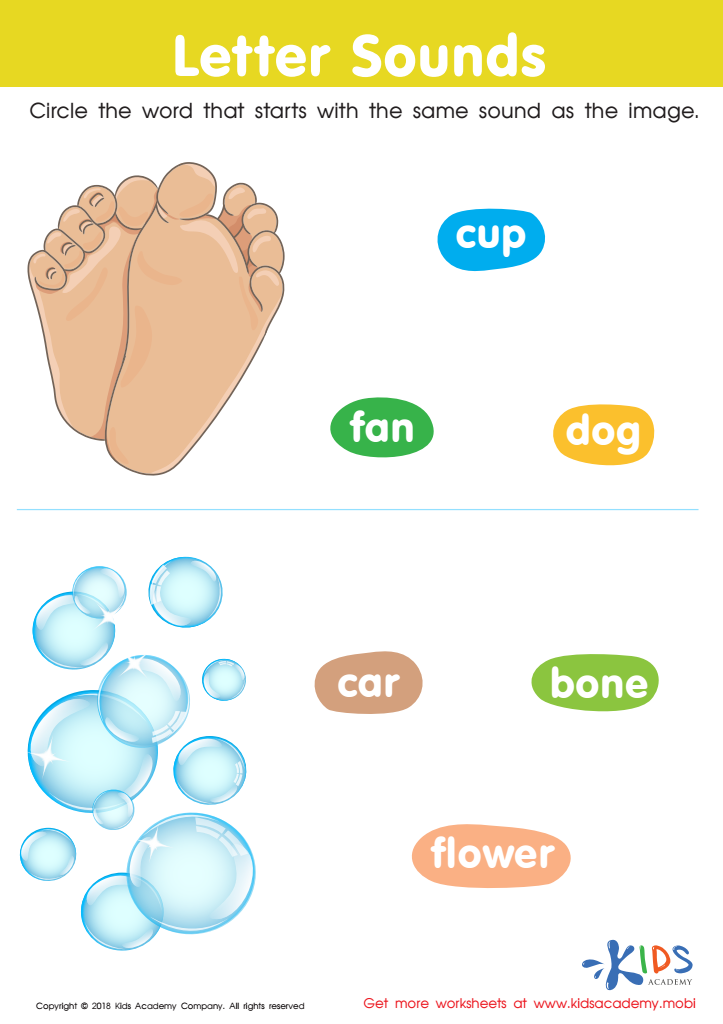
letter sounds Worksheet
 Assign to My Students
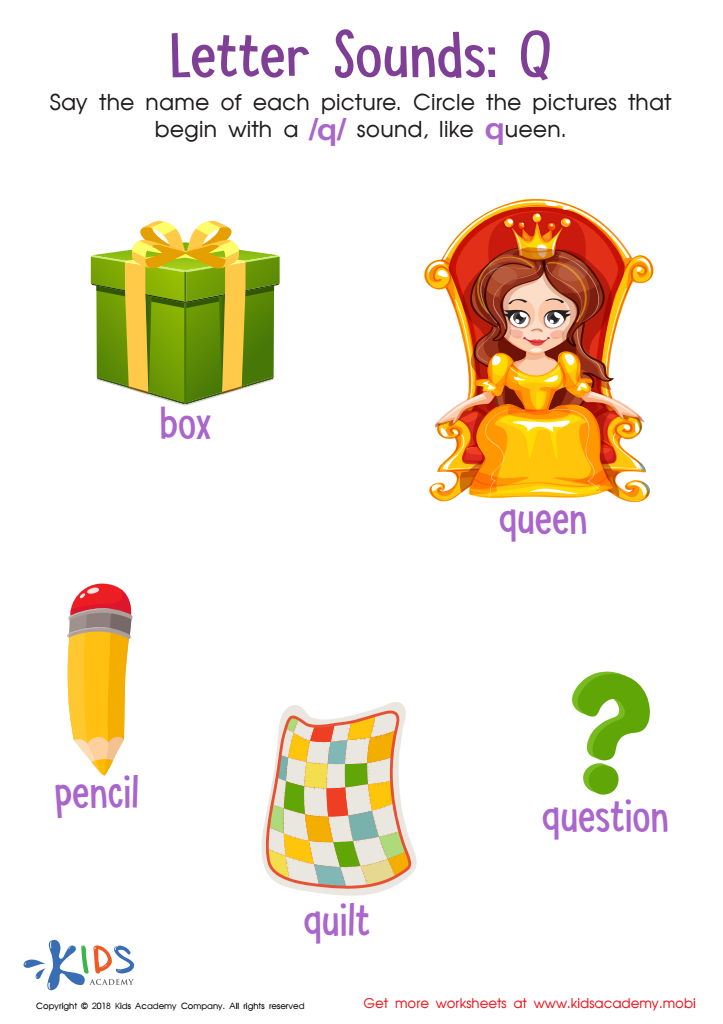
Letter Q Sounds Worksheet
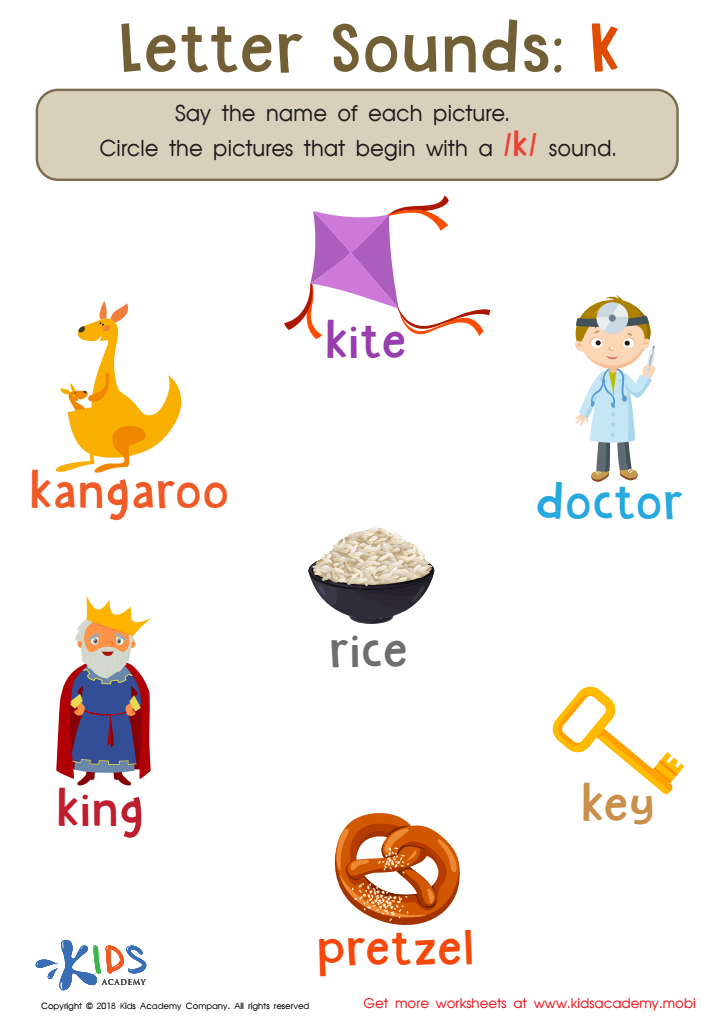
Letter K Sounds Worksheet
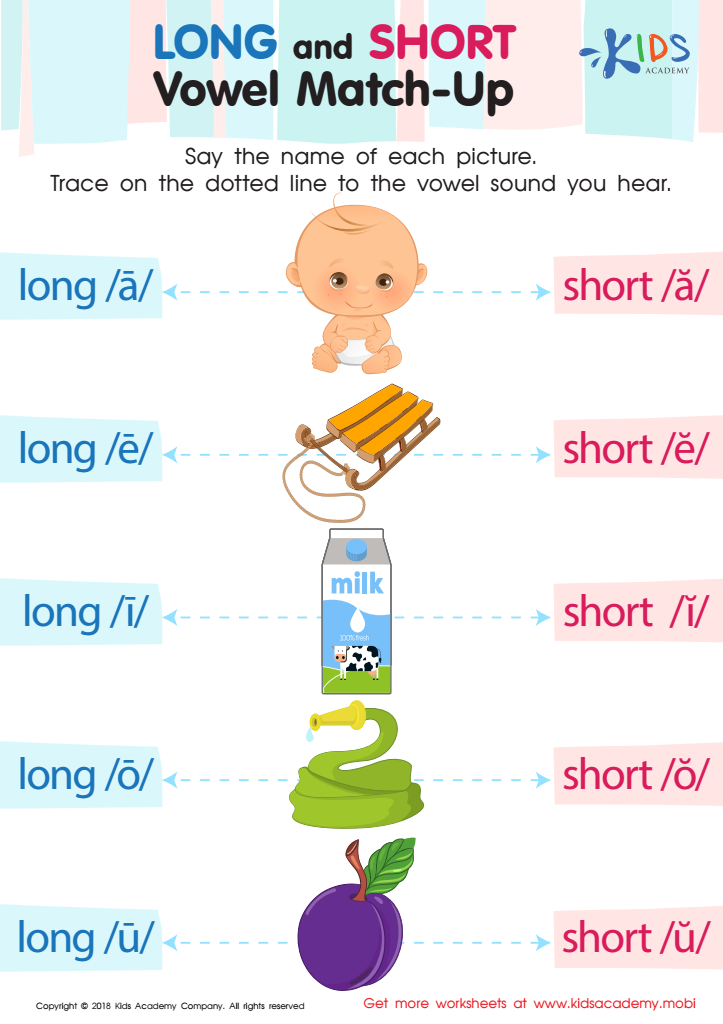
Long and Short Vowel Match up Reading Worksheet
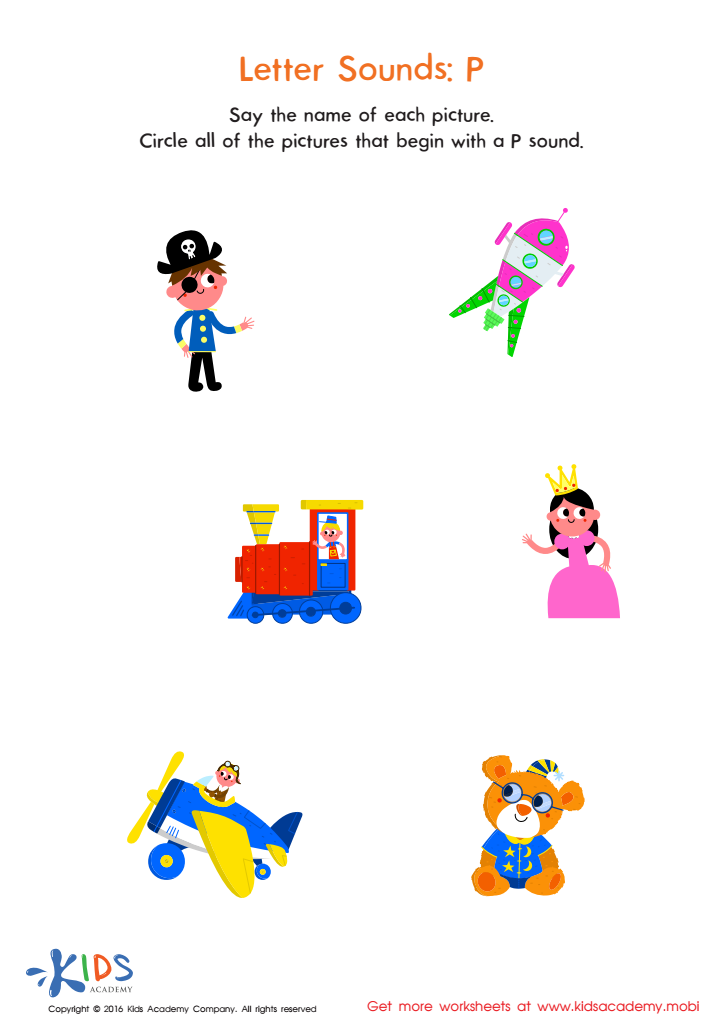
Letter P Sound Worksheet
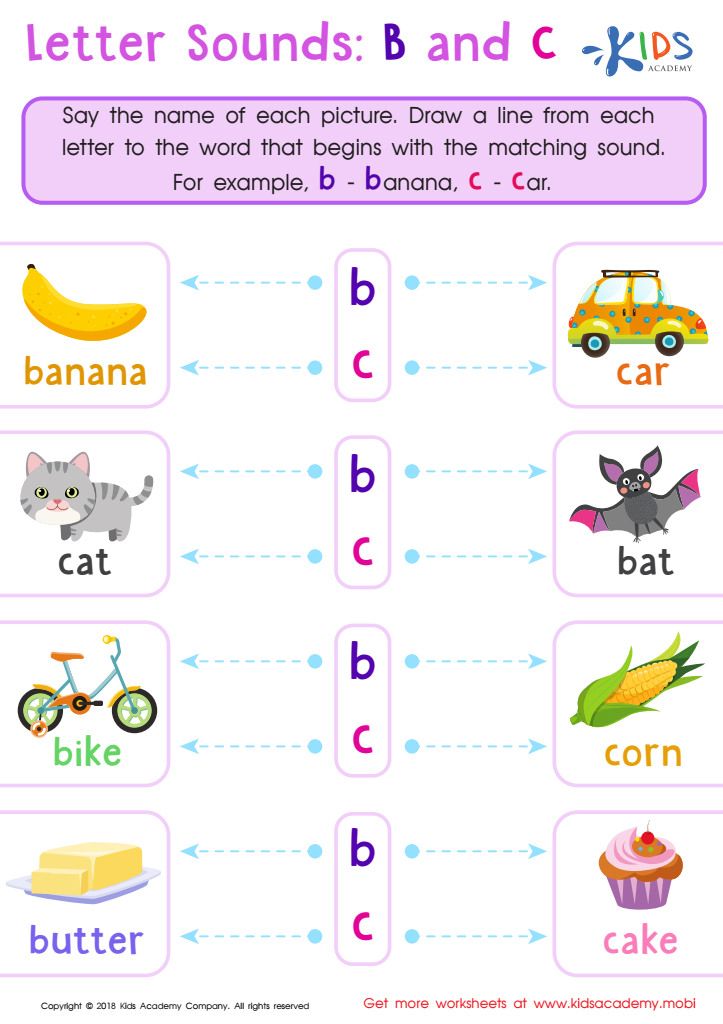
Letter B and C Sounds Worksheet
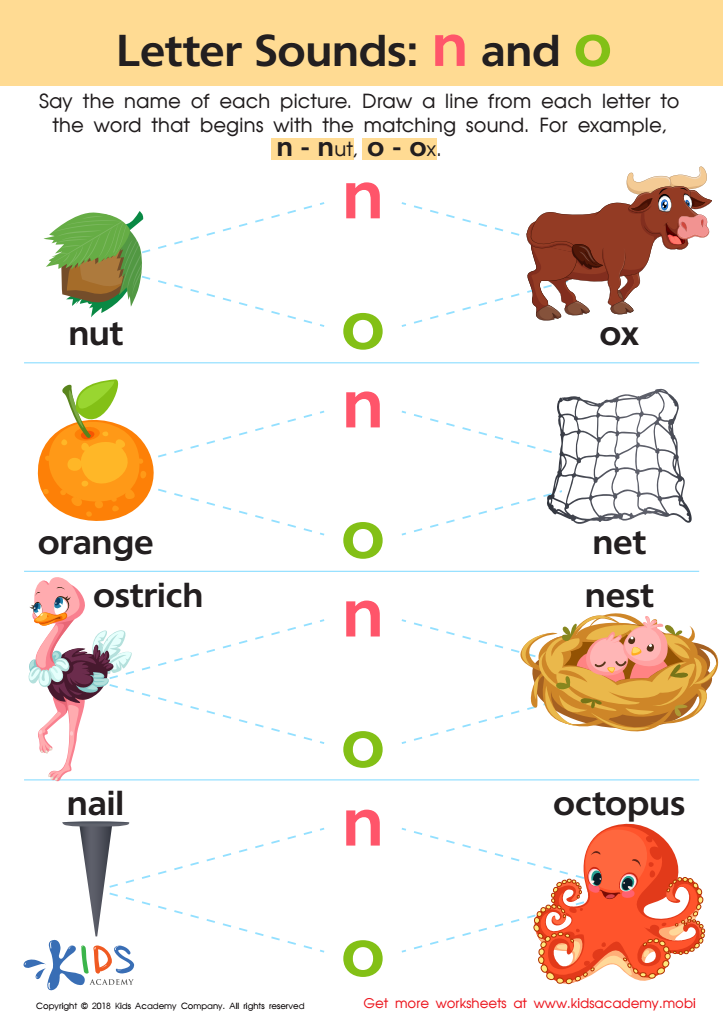
Letter N and O Sounds Worksheet
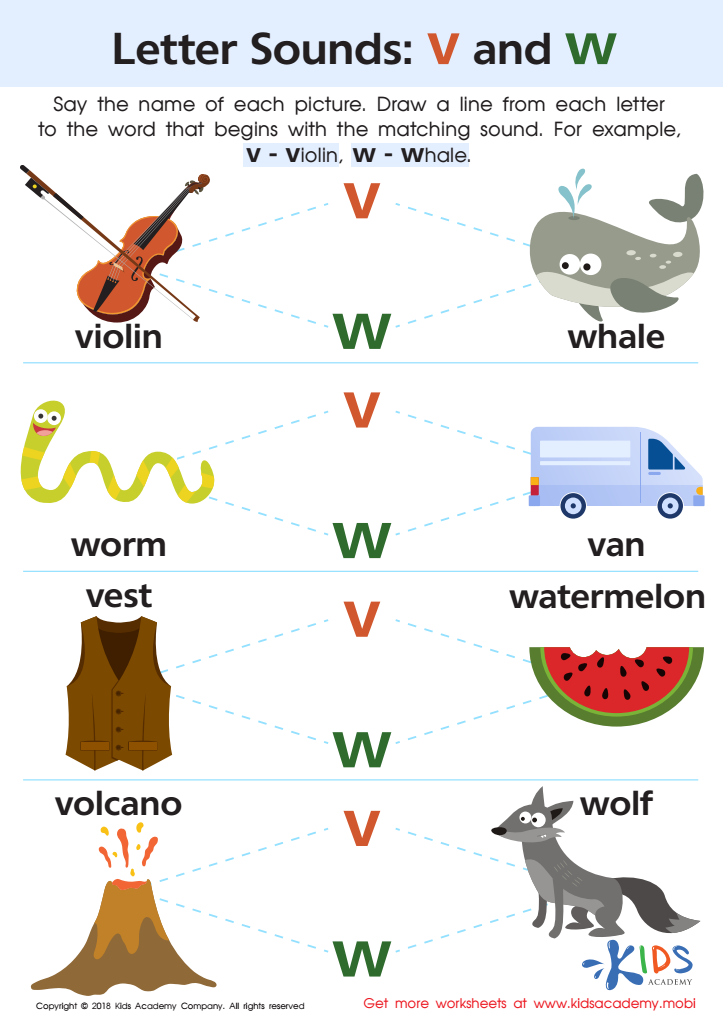
Letter V and W Sounds Worksheet
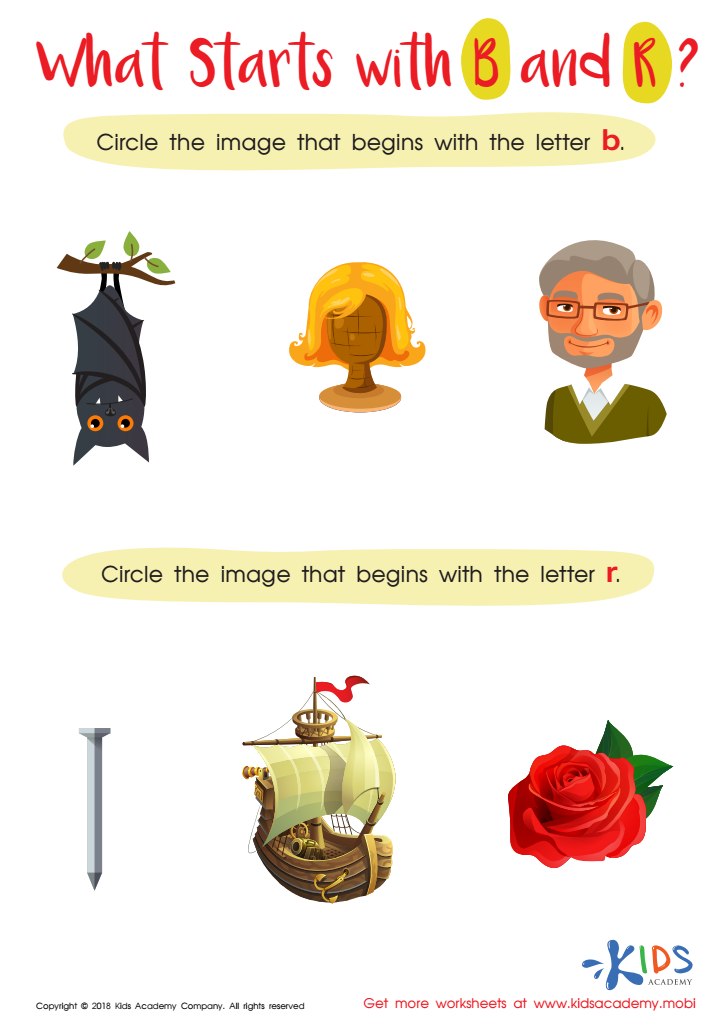
What Starts with B and R? Worksheet
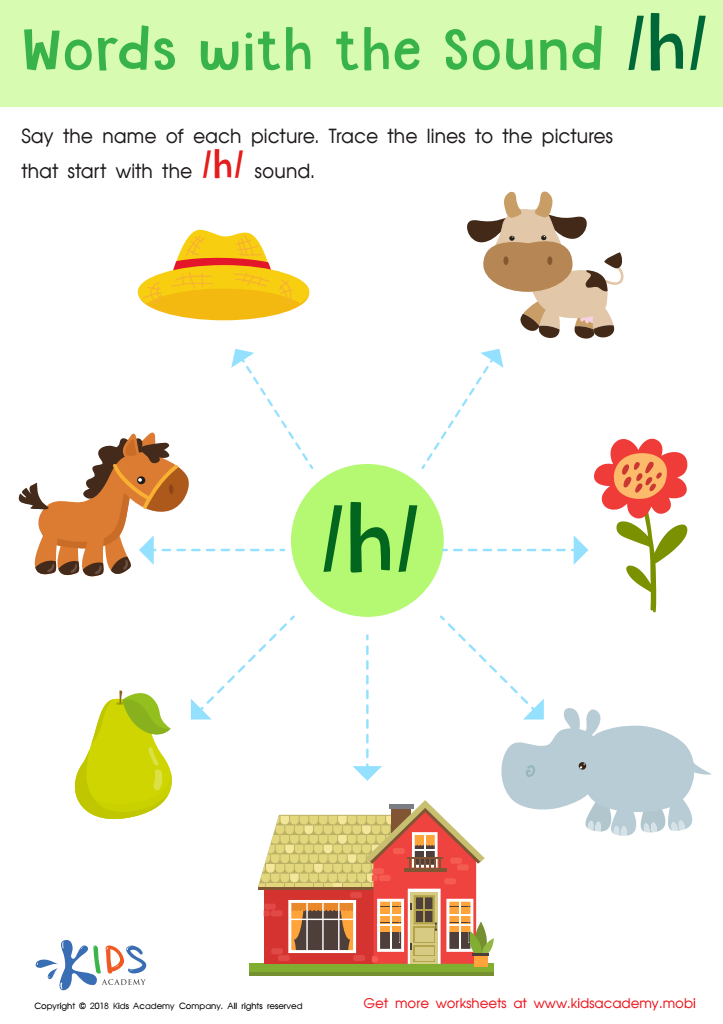
Words with sound h Reading Worksheet
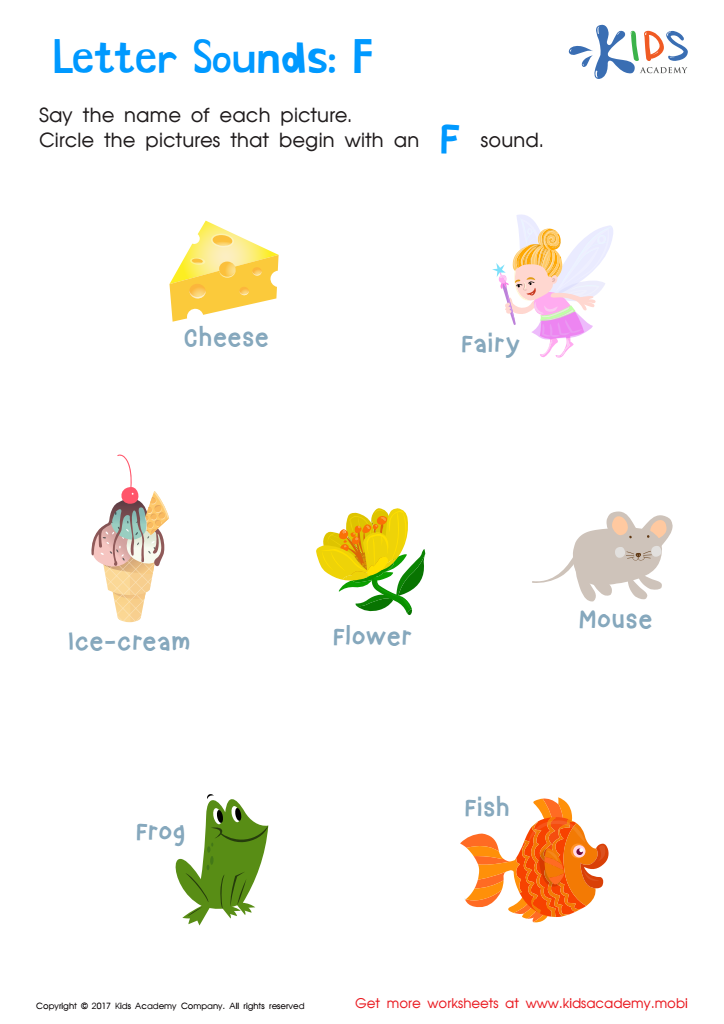
Letter F Sounds Worksheet
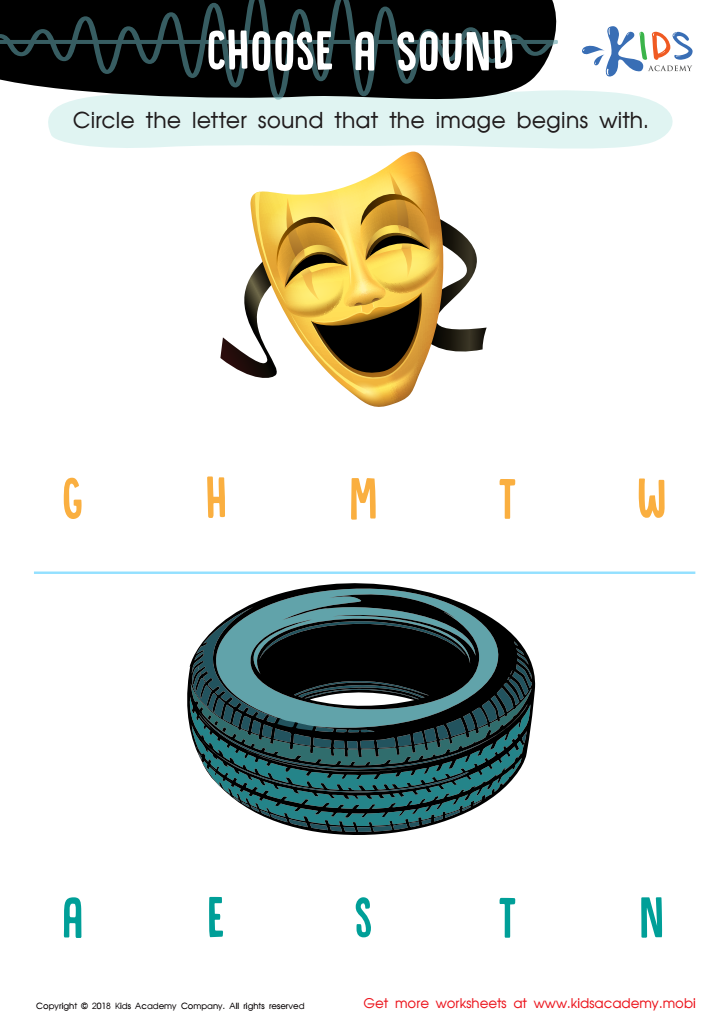
Choose a Sound Worksheet
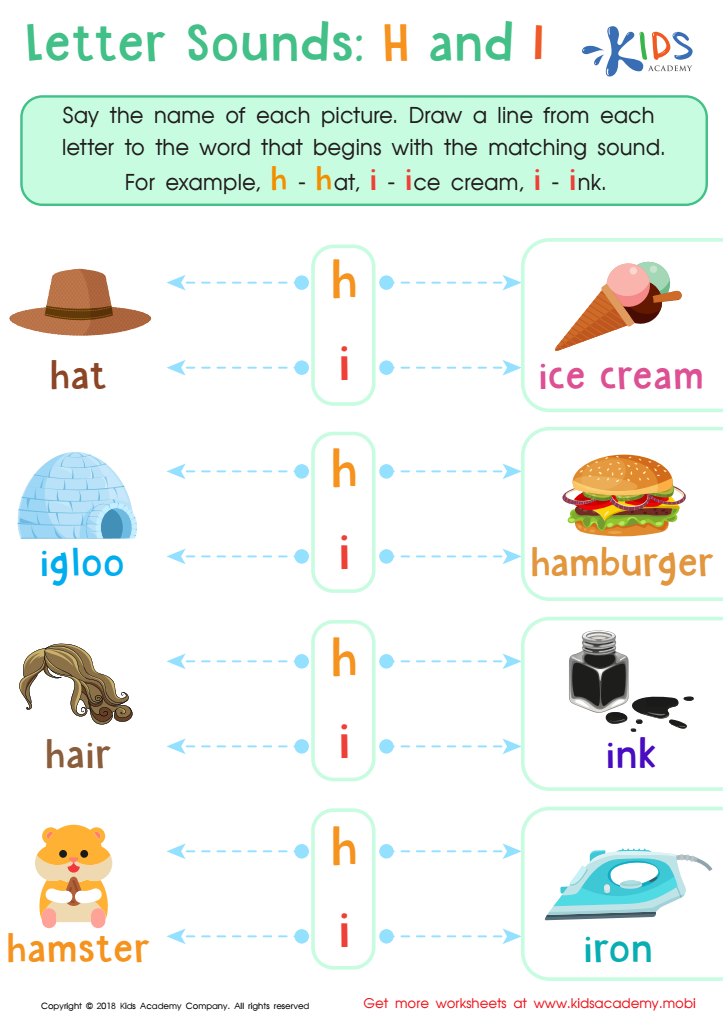
Letter H and I Sounds Worksheet
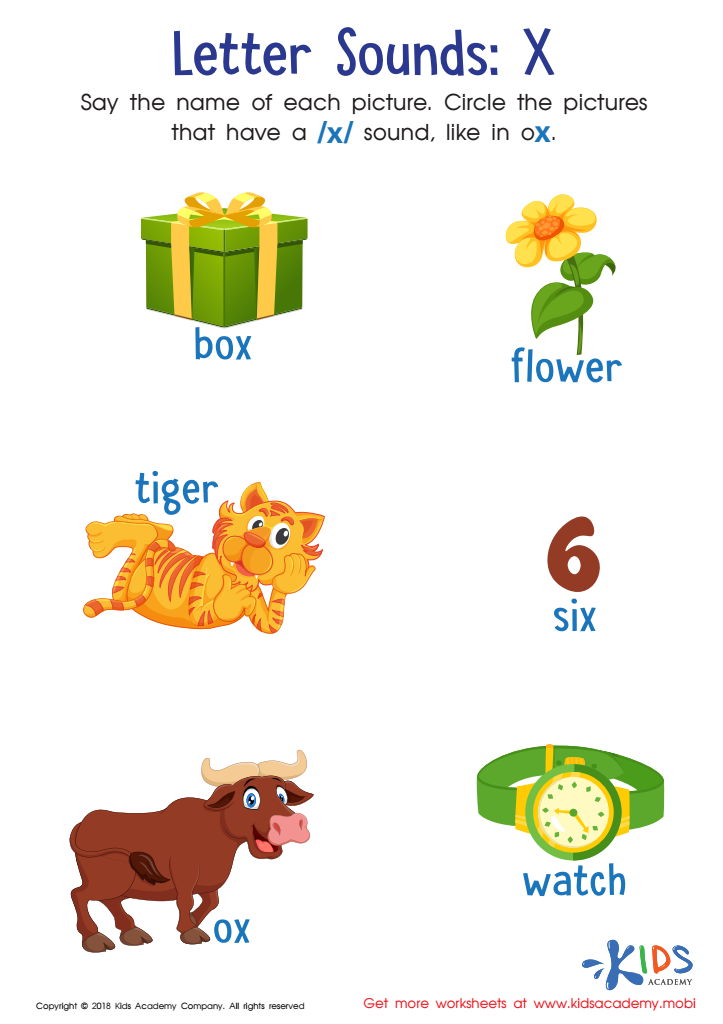
Letter X Sounds Worksheet
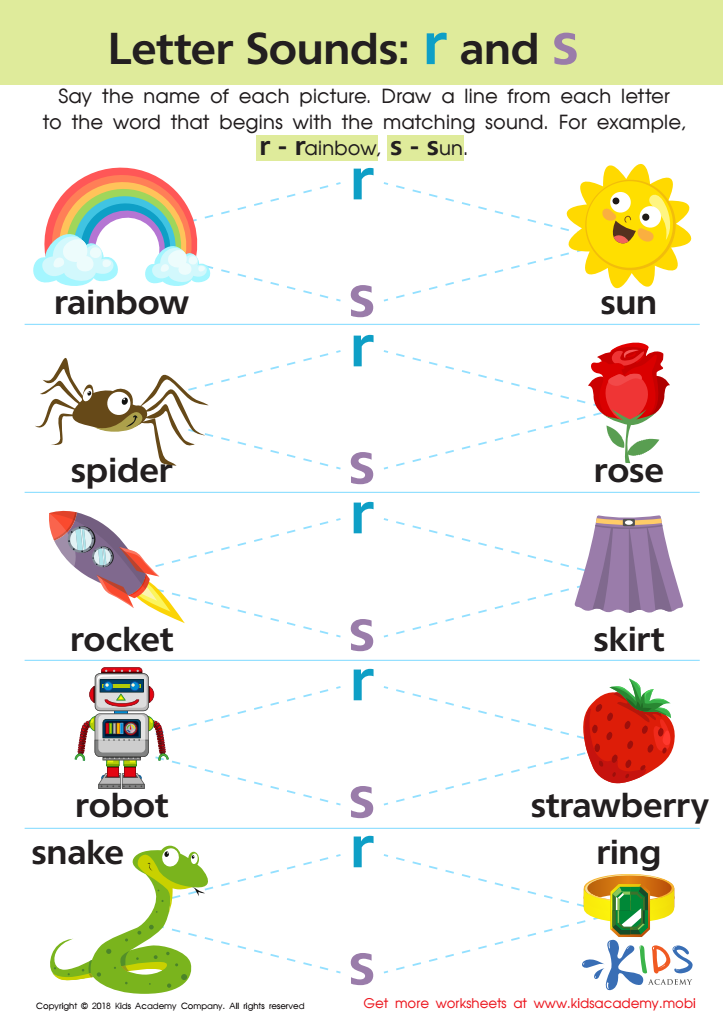
Letter R and S Sounds Worksheet
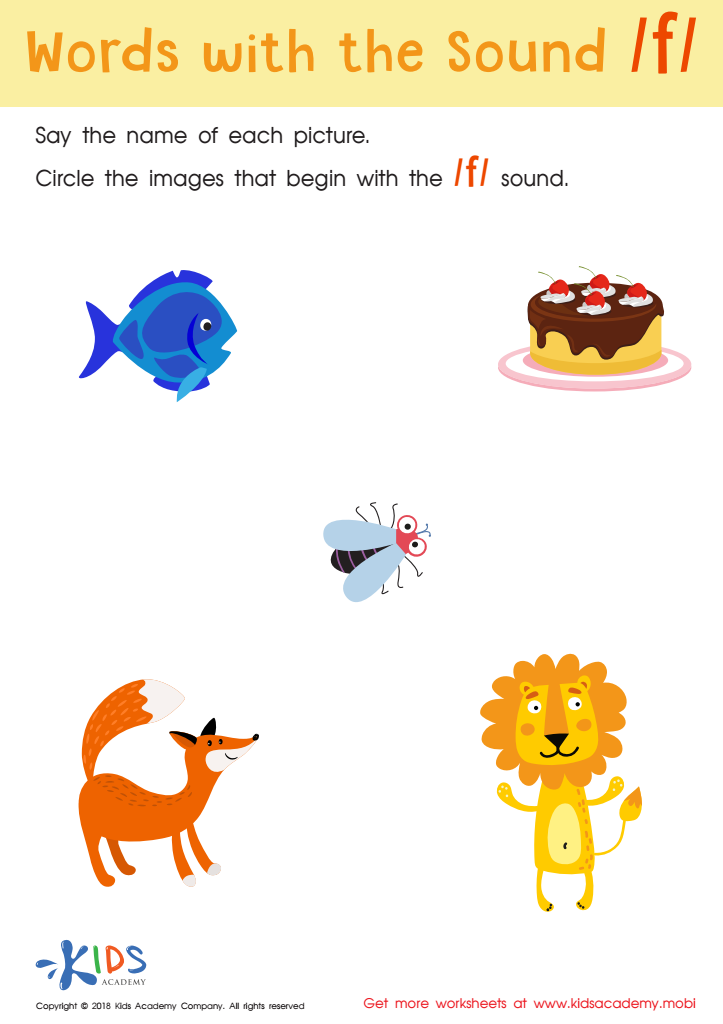
Words with sound f Reading Worksheet
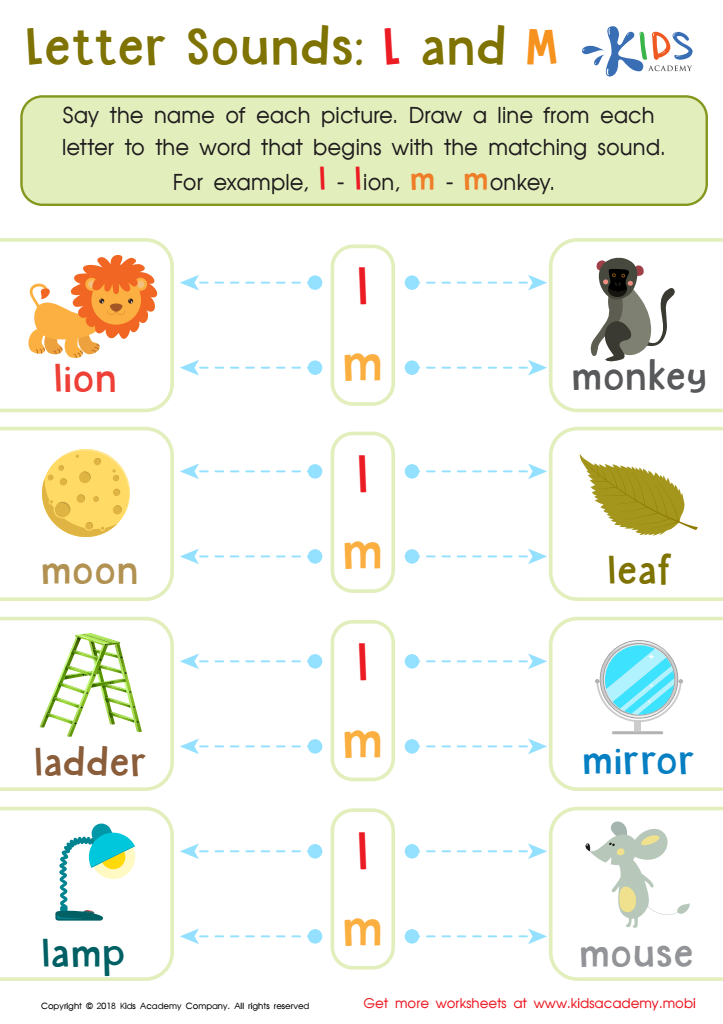
Letter l and M Sounds Worksheet
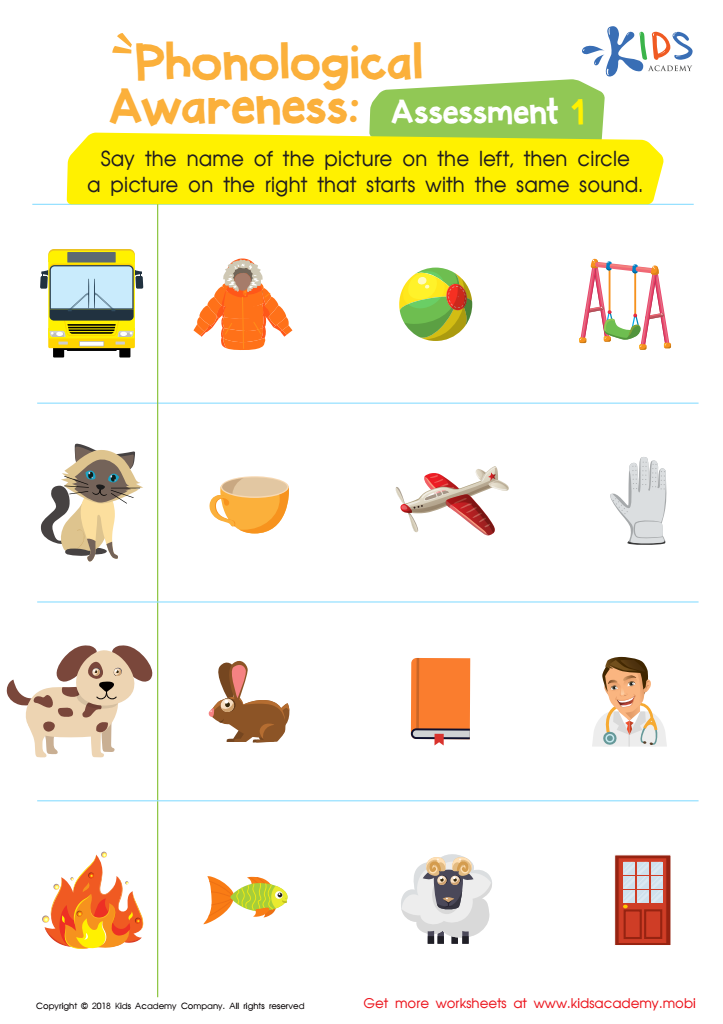
Phonological Awareness: Assessment 1 Worksheet
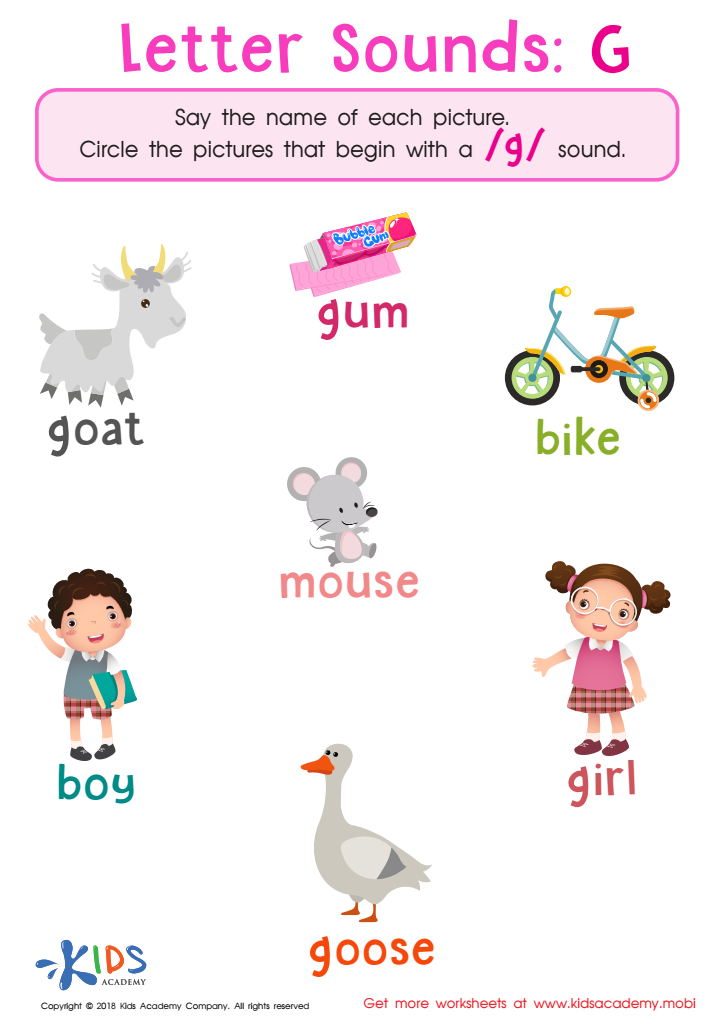
Letter G Sounds Worksheet
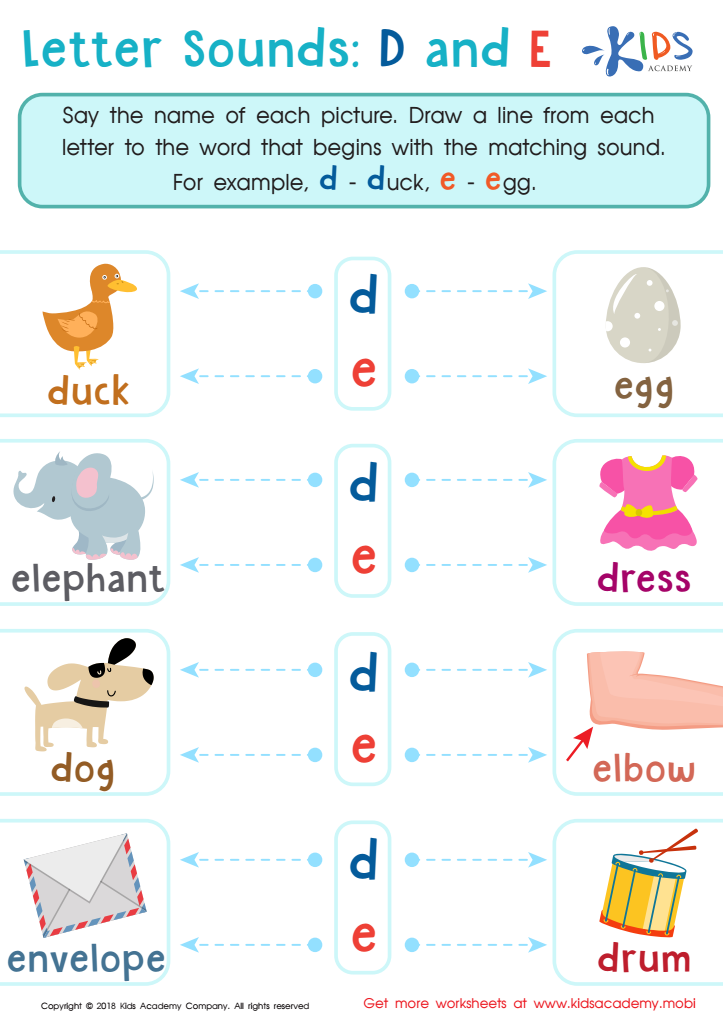
Letter D and E Sounds Worksheet








Sound association phonics is a foundational skill that significantly benefits 4-year-olds, setting the stage for successful reading and writing development. Parents and teachers should recognize its importance because it builds the critical connections between letters and their corresponding sounds, an essential element of early literacy. During these formative years, children's brains are exceptionally receptive to language acquisition, making it an ideal period to introduce phonics.
Understanding phonics helps children decode words efficiently, allowing them to read more fluidly and with better comprehension. It enhances their ability to recognize patterns in words, improving spelling and writing skills. Beyond academic skills, strong phonics knowledge boosts children's confidence and fosters a love for reading. Engaging with books and stories positively influences language development, cognitive growth, and imagination.
Additionally, early mastery of phonics lays the groundwork for later academic success and lifelong learning. Children who grasp these skills early on are less likely to struggle with reading difficulties, reducing the risk of falling behind in school. Educators and parents play a pivotal role in nurturing these abilities through simple, playful activities like singing alphabet songs, reading aloud, and providing phonics-based games. By valuing and fostering sound association phonics, they equip children with essential tools for a bright and literate future.







