Fine motor skills (drawing) Worksheets for 4-Year-Olds
6 filtered results
-
From - To
Discover our engaging Fine Motor Skills (Drawing) Worksheets designed specifically for 4-year-olds! These interactive printables help young learners develop essential fine motor skills through fun drawing activities. Each worksheet encourages creativity and hand-eye coordination, enabling children to enhance their dexterity as they trace, color, and create. Our carefully crafted exercises support cognitive and physical development, making learning enjoyable and effective. Perfect for classroom or home use, these worksheets provide hours of fun while aiding in the preparedness for future literacy and handwriting skills. Start your child’s journey towards crafting beautiful artwork and improving their motor skills today!
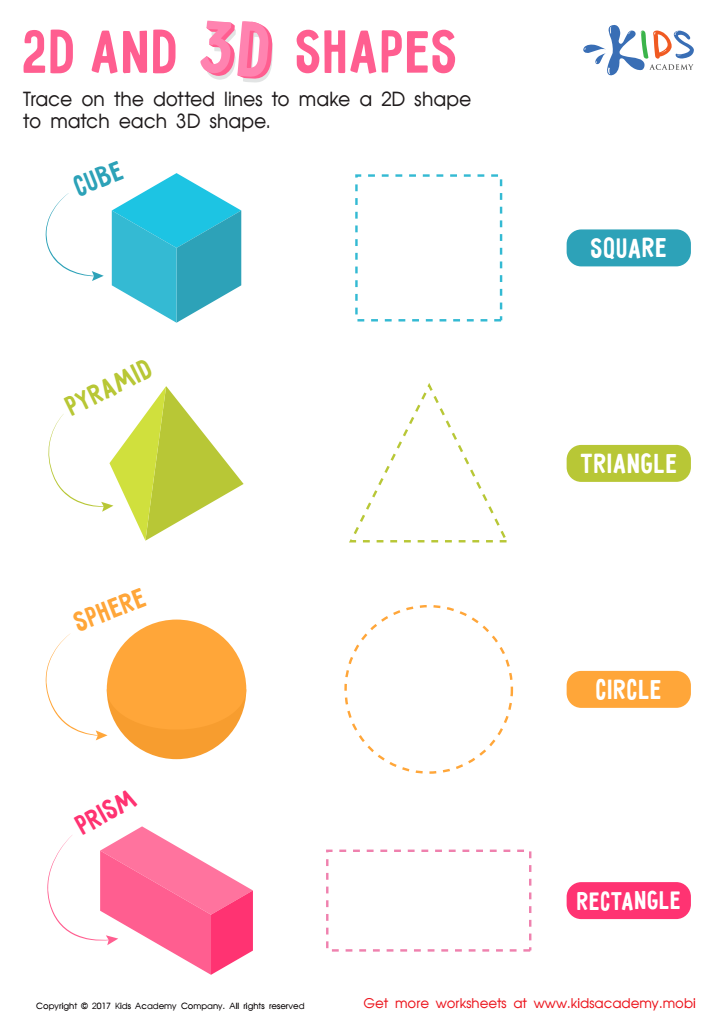
2D and 3D Shapes Worksheet
 Assign to My Students
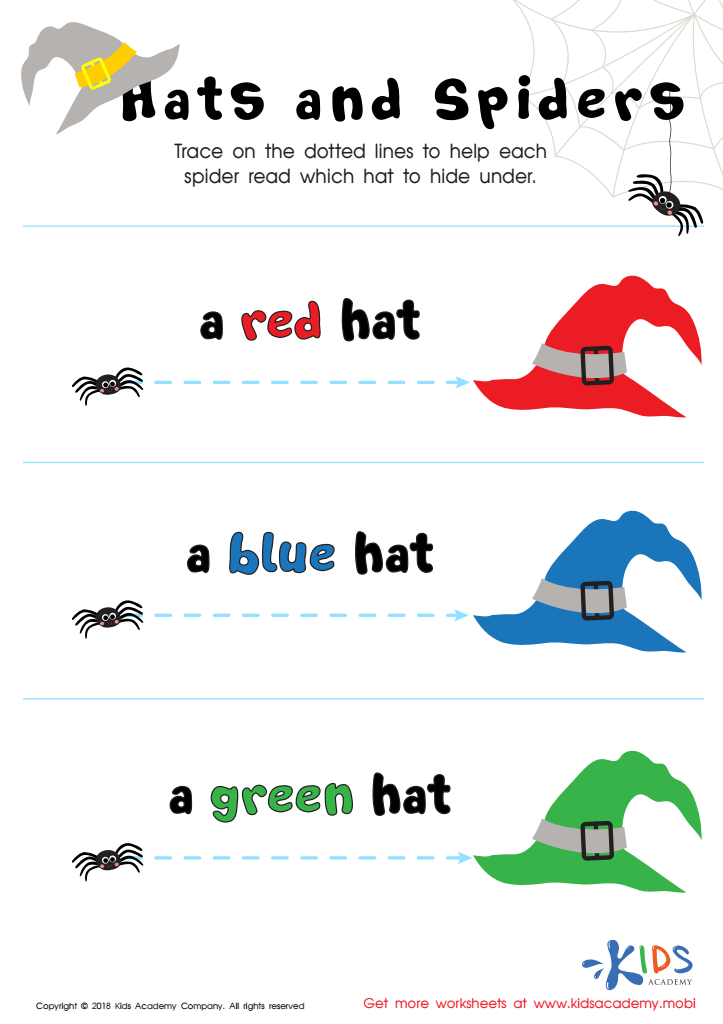
Read from Left to Right: Hats and Spiders Worksheet
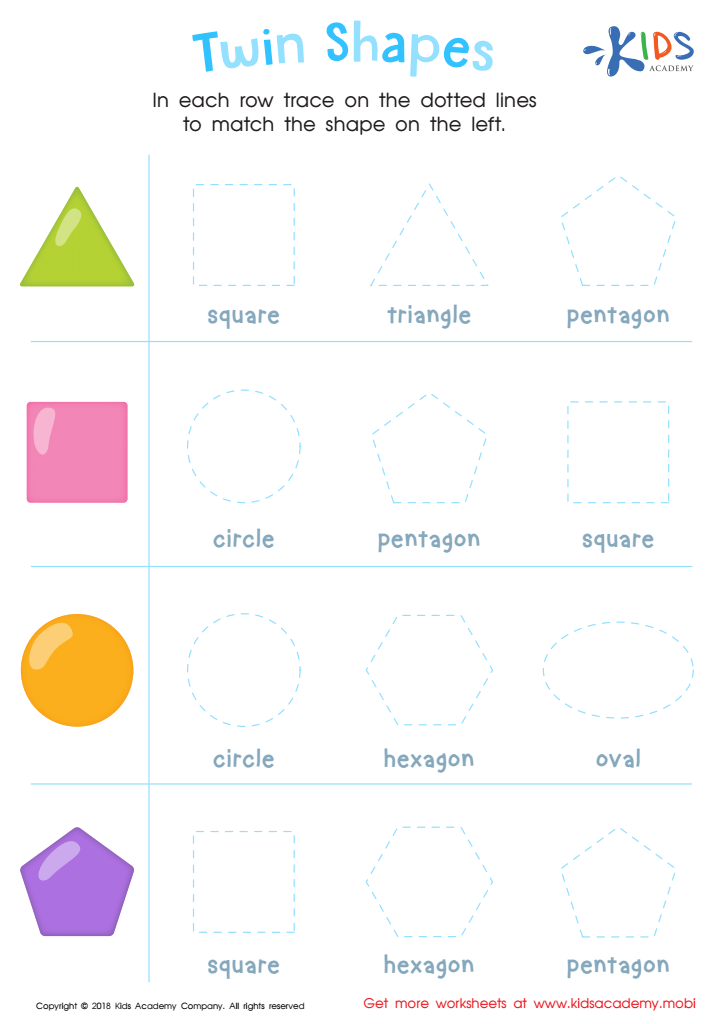
Twin Shapes Dot-to-Dot Worksheet
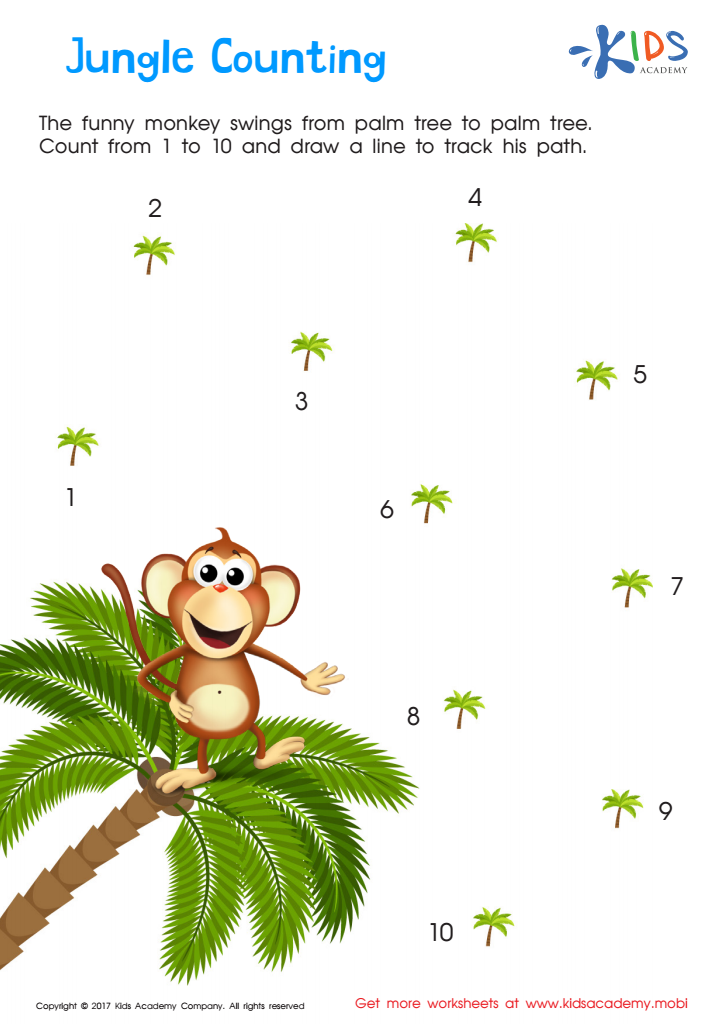
Jungle Counting Connect Dots Worksheet
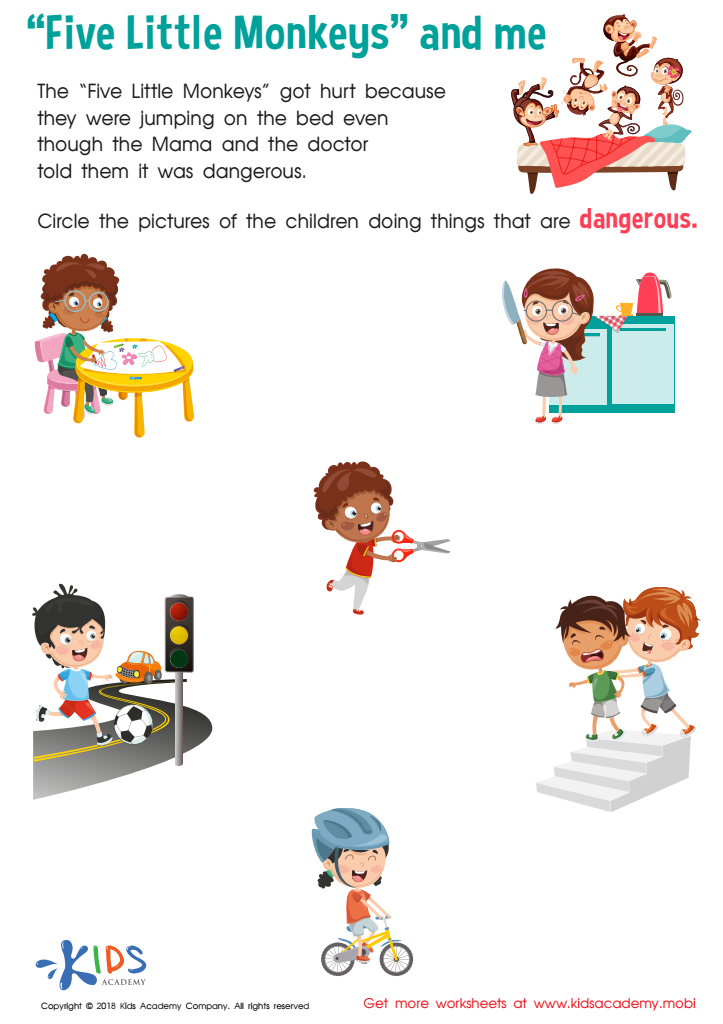
Five Little Monkeys and Me Worksheet





Fine motor skills are crucial for 4-year-olds as they form the foundation for many everyday tasks. Developing these skills through activities like drawing enhances hand-eye coordination, dexterity, and control over hand movements. At this age, children begin to explore their creativity, and drawing allows them to express their thoughts and emotions. These skills are essential not only for artistic endeavors but also for academic success in the years to come.
Parents and teachers should recognize that drawing is more than just a fun activity; it also supports cognitive and language development. As children draw, they practice problem-solving and decision-making by choosing colors, shapes, and objects, which can lead to improved focus and attention span. Engaging in drawing helps enhance spatial awareness and increases the ability to understand how different objects relate to one another.
Moreover, fine motor skills play a vital role in preparing children for writing. A solid grip and controlled movements developed through drawing can ease the transition to holding writing instruments effectively. Encouraging drawing at this age not only nurtures artistic expression but also sets the stage for future academic skills, making it a critical focus for parents and educators.








