Understanding habitats Worksheets for 4-Year-Olds
6 filtered results
-
From - To
Help your 4-year-old explore the wonders of the natural world with our "Understanding Habitats" worksheets! Specially designed for preschoolers, these engaging activities introduce young learners to different habitats like forests, oceans, and deserts. Packed with vibrant illustrations and simple exercises, the worksheets help children recognize where various animals live, fostering early learning and curiosity about the environment. Perfect for both classroom and home use, these resources develop observational skills, vocabulary, and a love for nature. Start your child’s educational adventure with our fun and interactive worksheets today at Kids Academy!
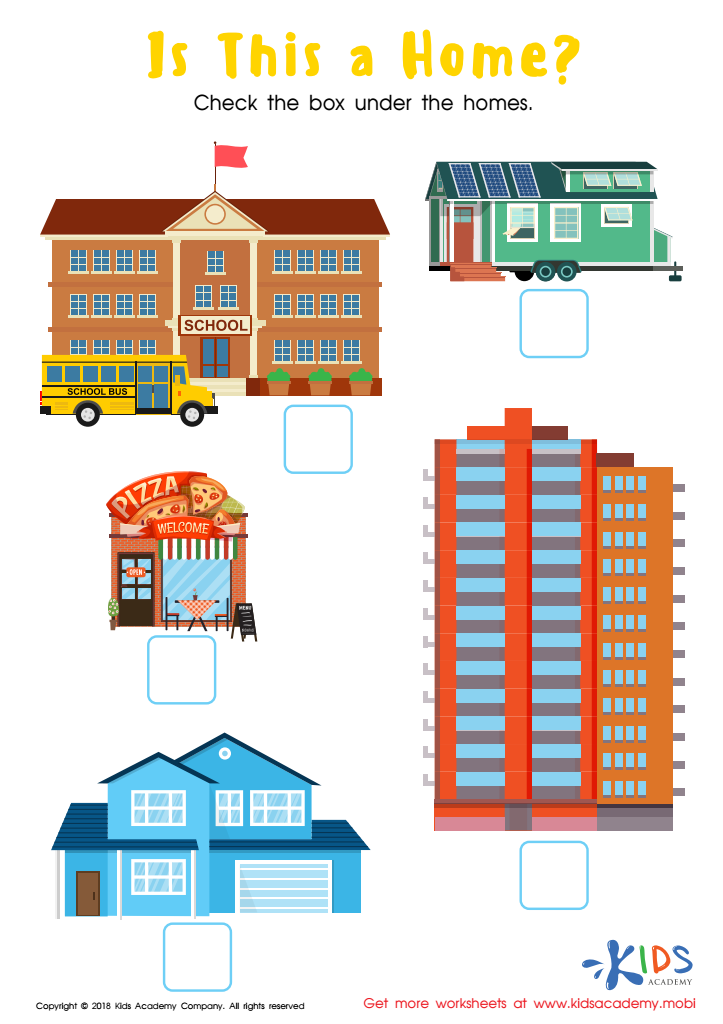
Is this a Home? Worksheet
 Assign to My Students
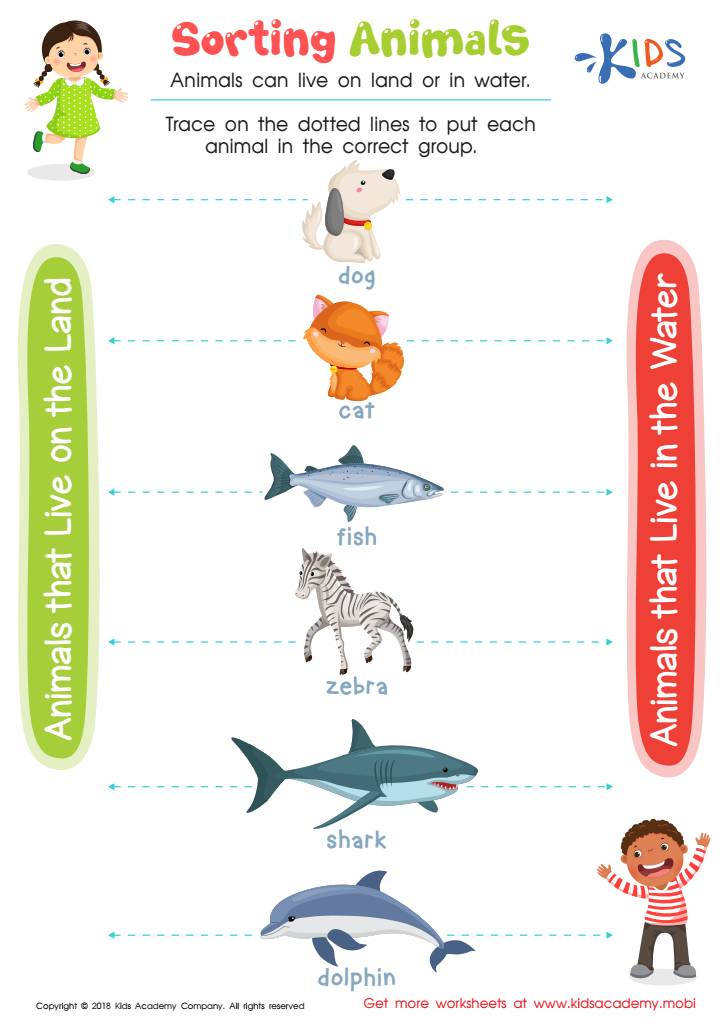
Sorting Animals Worksheet
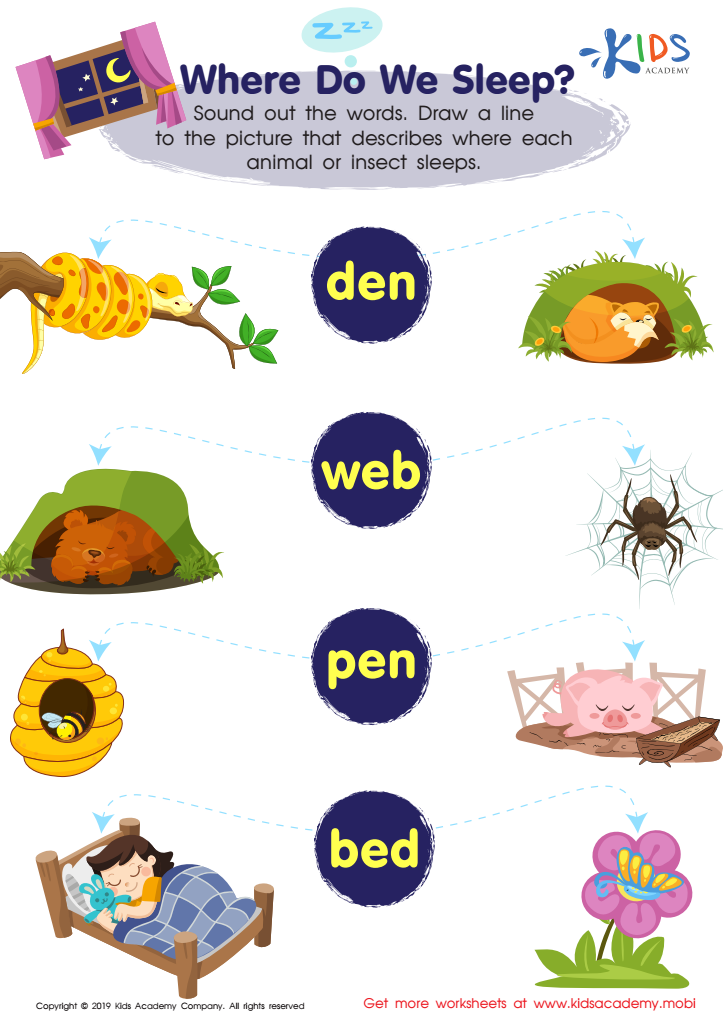
Where Do We Sleep Worksheet
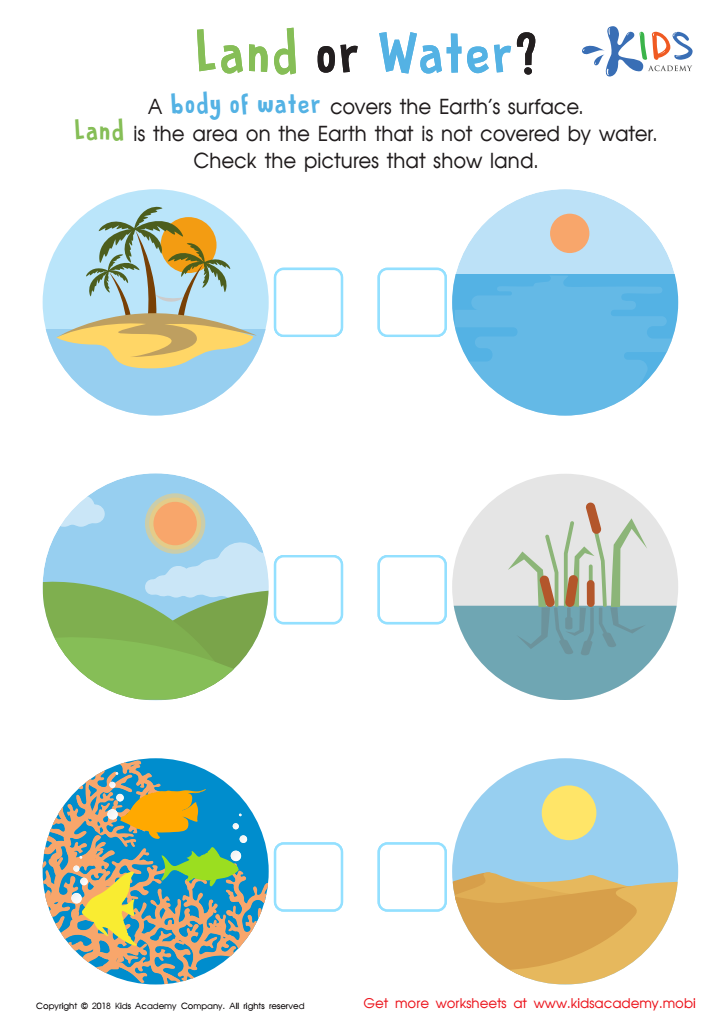
Land or Water Worksheet
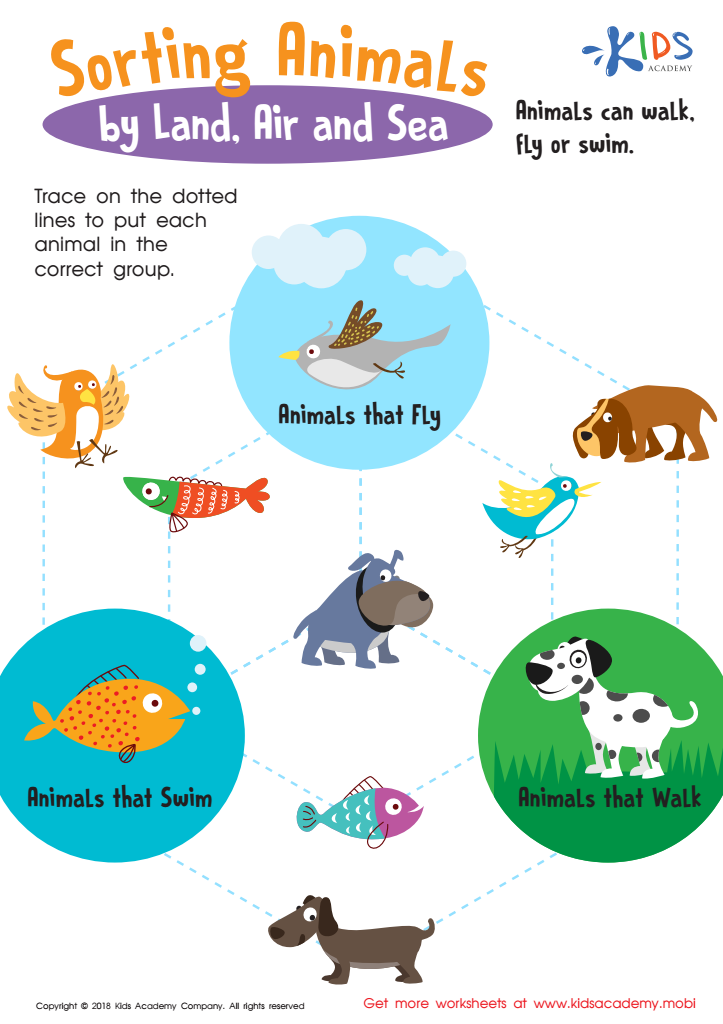
Sorting Animals by Land, Air and Sea Worksheet
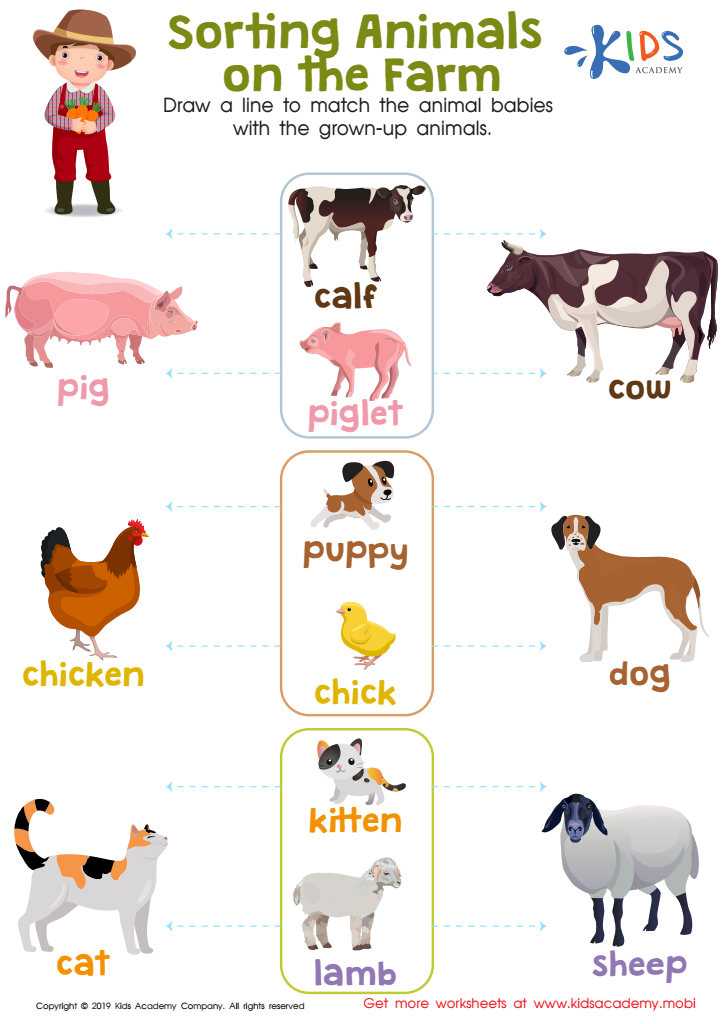
Sorting Animals on the Farm Worksheet







Understanding habitats is crucial for young children as it fosters a foundational appreciation for the natural world and helps them grasp key scientific concepts early on. For 4-year-olds, learning about various habitats—such as forests, oceans, deserts, and grasslands—opens their minds to the diversity of life and ecosystems. Parents and teachers who encourage this understanding can nurture a child's curiosity, creativity, and sense of responsibility toward the environment.
Introducing habitat concepts to preschoolers provides numerous educational benefits. It enhances their vocabulary and comprehension skills as they learn new words and ideas related to different living environments. It also promotes critical thinking and observational skills, allowing children to understand how animals and plants adapt to their surroundings for survival. This early knowledge lays the groundwork for future learning in ecology, biology, and environmental science.
Moreover, learning about habitats can foster empathy and positive attitudes toward wildlife and conservation. When children understand that animals and plants rely on their habitats, they are more likely to appreciate and protect nature as they grow. This can lead to more environmentally-conscious behavior throughout their lives.
Therefore, by teaching 4-year-olds about habitats, parents and teachers not only help them become informed and sensitive individuals but also contribute to raising a generation that values and protects our planet.








