Cognitive Development 2D Shapes Worksheets for 4-Year-Olds
8 filtered results
-
From - To
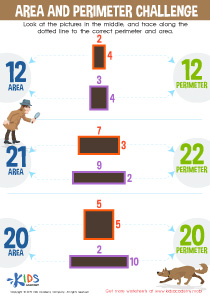
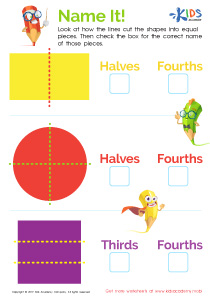
Enhance your 4-year-old's cognitive development with our engaging 2D shapes worksheets! Designed specifically for young learners, these interactive activities focus on identifying, matching, and exploring various shapes, fostering essential skills like visual recognition and critical thinking. Each worksheet offers a fun and colorful approach to learning, making the experience enjoyable while building a solid foundation in geometry. Perfect for home or classroom use, these resources encourage creativity and problem-solving, paving the way for future math success. Download our Cognitive Development worksheets today and watch your child's confidence and understanding of 2D shapes blossom!
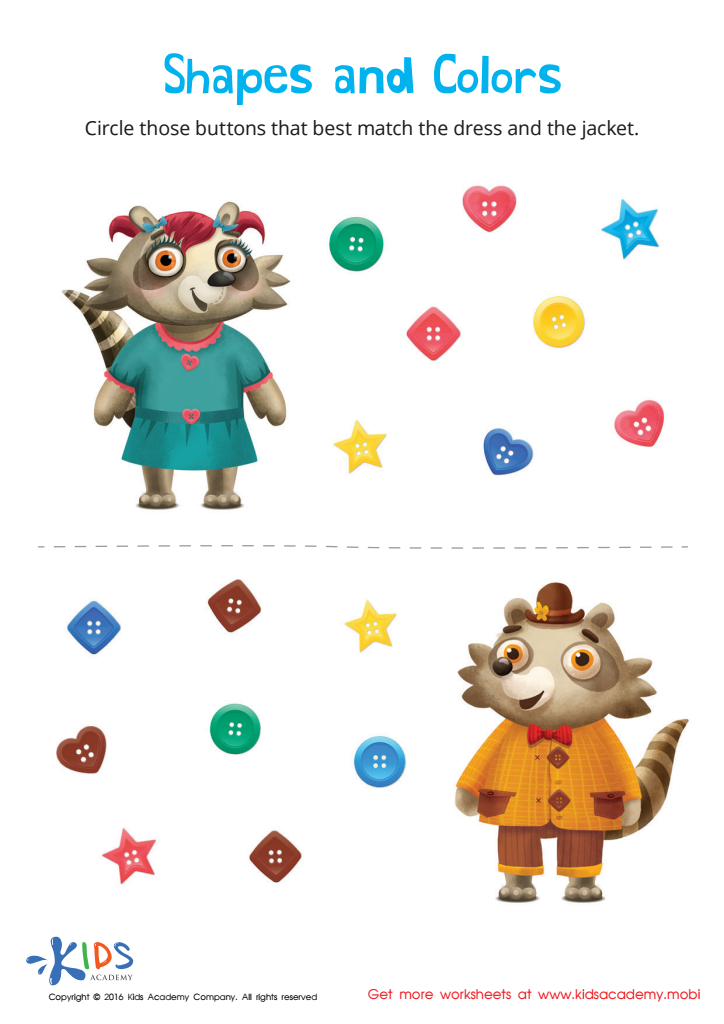
Matching: Shapes and Colors Worksheet
 Assign to My Students










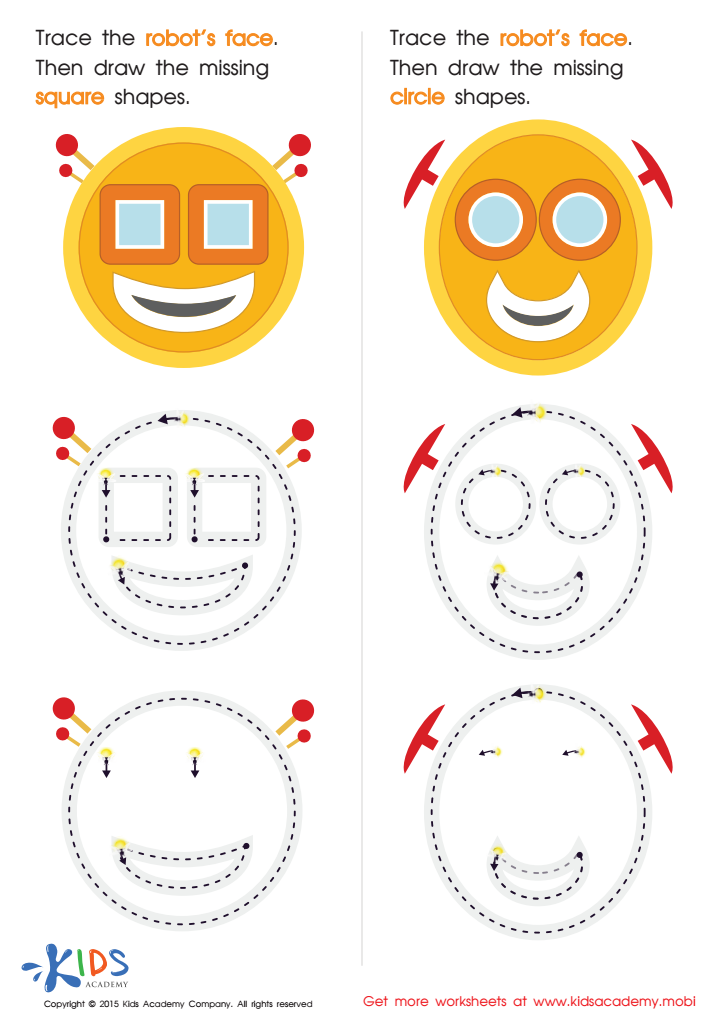
Practicing to Draw Circles And Squares Printable
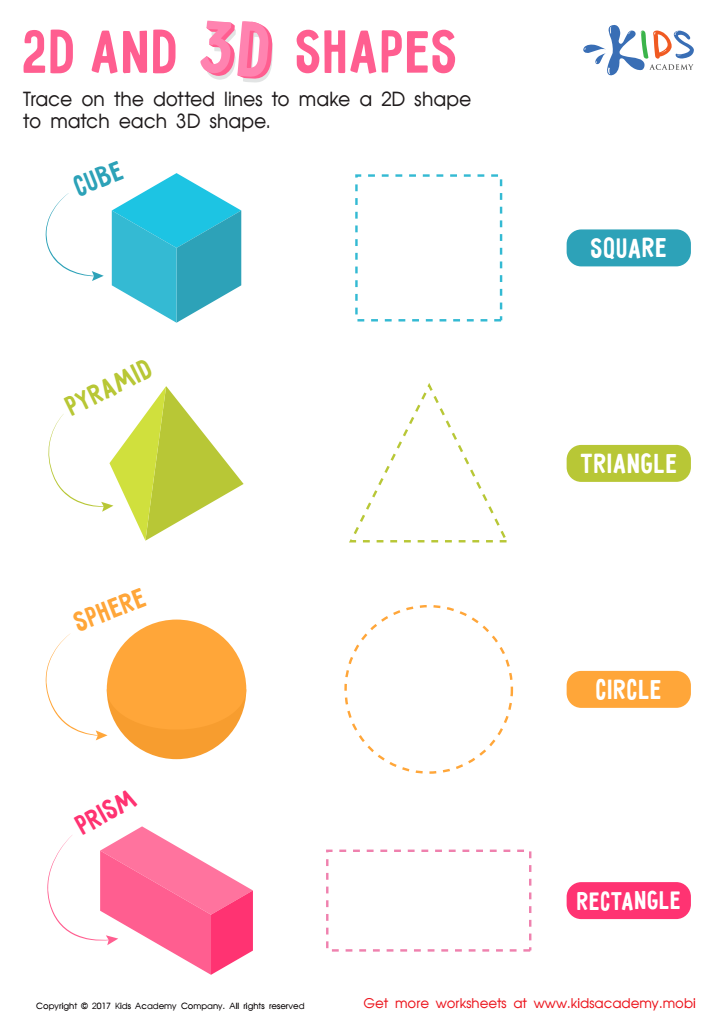
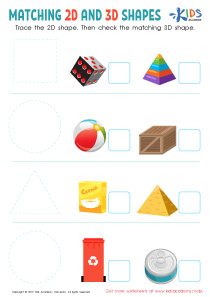
2D and 3D Shapes Worksheet
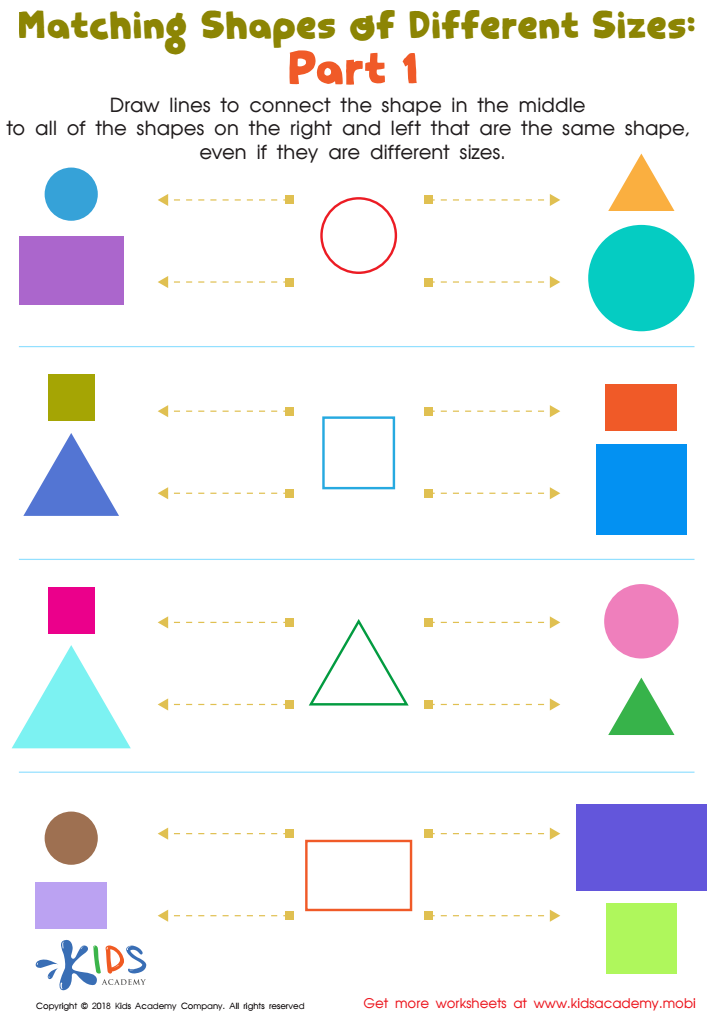
Geometry: part 1 Worksheet
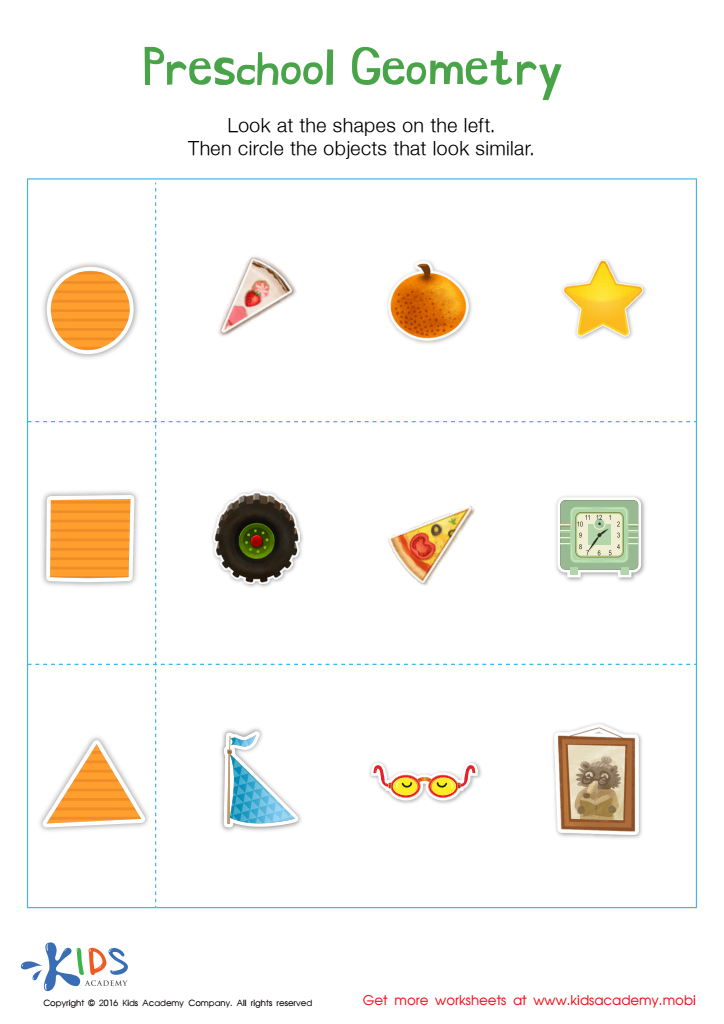
Preschool Geometry Match Up Worksheet
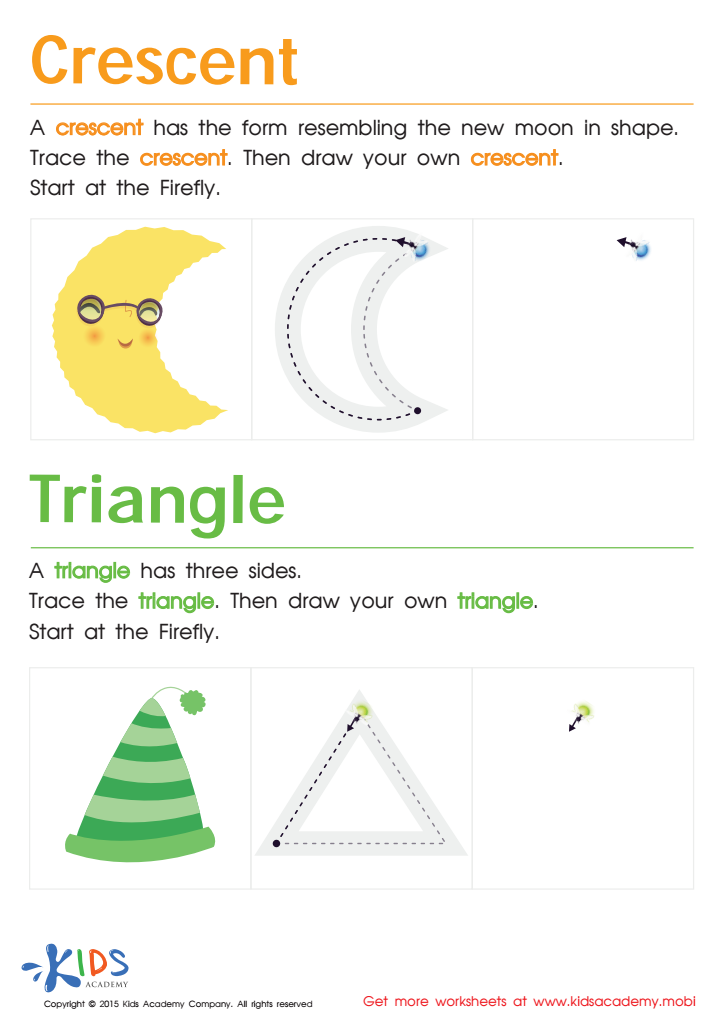
Learning to Draw Crescents And Triangles Worksheet
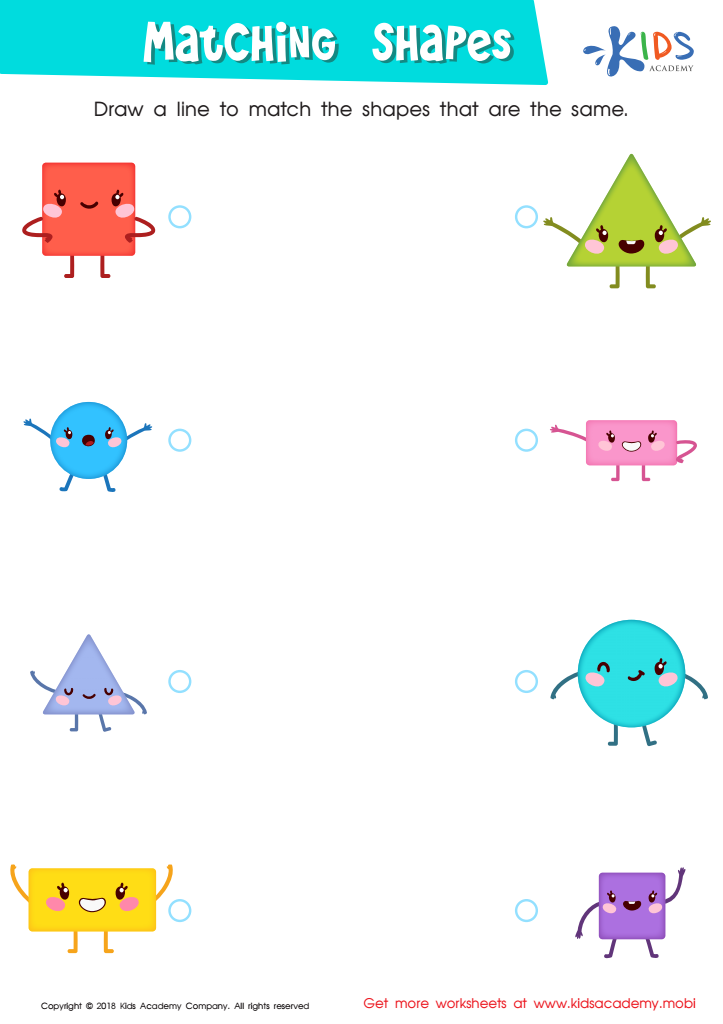
Matching Shapes Worksheet
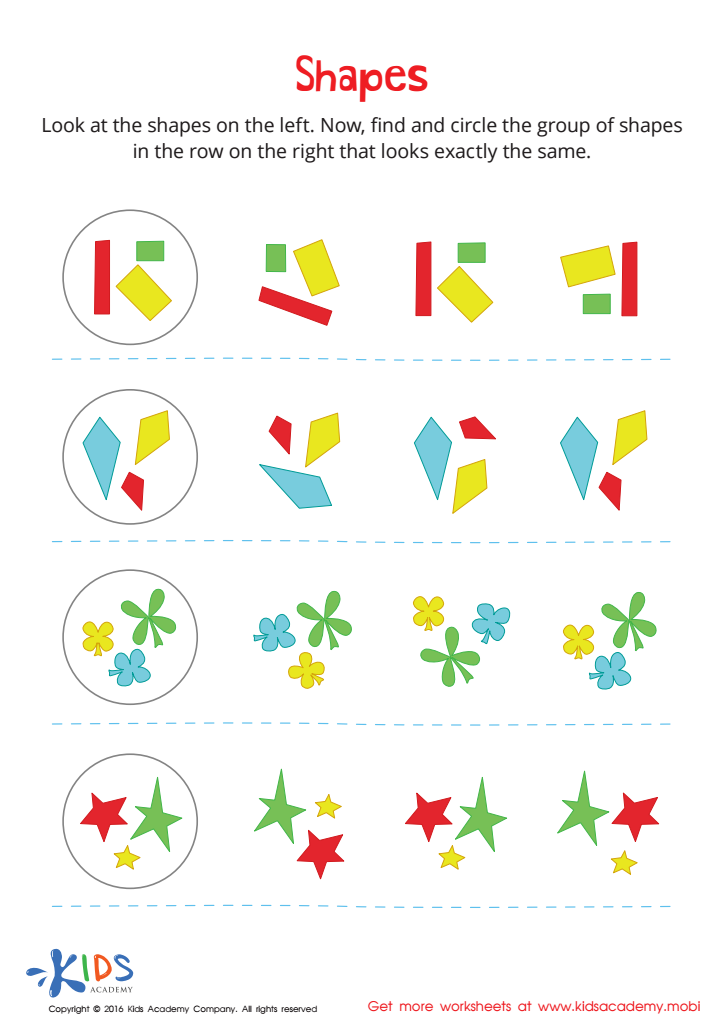
Shapes Worksheet








Parents and teachers should care about cognitive development of 2D shapes in 4-year-olds because this foundational knowledge plays a critical role in a child's overall learning and life skills. At this age, children are naturally curious and eager to explore their environment. Understanding 2D shapes enhances their spatial awareness, which is crucial for problem-solving and understanding the world around them.
Recognizing shapes is a building block for more complex concepts in mathematics, such as geometry and measurement. When children learn to identify and categorize different shapes—like circles, squares, and triangles—they develop critical thinking and reasoning skills. These skills are invaluable for future learning in subjects like math, science, and art.
Additionally, exploring 2D shapes often occurs through play, art, and storytelling, making it an enjoyable learning experience. This playful engagement fosters social skills and enhances fine motor development as children manipulate shapes in various activities. Ultimately, encouraging cognitive development in shapes not only prepares children for academic success but also nurtures a lifelong love of learning and curiosity about the world. By prioritizing shape recognition, parents and teachers lay a strong groundwork for children's cognitive, social, and emotional growth.