Basic Math Skills Geometry Worksheets for 4-Year-Olds
5 filtered results
-
From - To
Explore our engaging collection of Basic Math Skills Geometry Worksheets, specially designed for 4-year-olds! These interactive resources introduce young learners to fundamental geometric concepts, such as shapes, patterns, and spatial awareness. Our worksheets are thoughtfully crafted to make learning fun and accessible, featuring colorful images and age-appropriate activities that nurture critical thinking skills. Perfect for reinforcing classroom lessons or providing extra practice at home, these worksheets help children build a strong foundation in geometry while developing problem-solving abilities. Download and watch your child embark on an exciting journey through the world of shapes and dimensions!
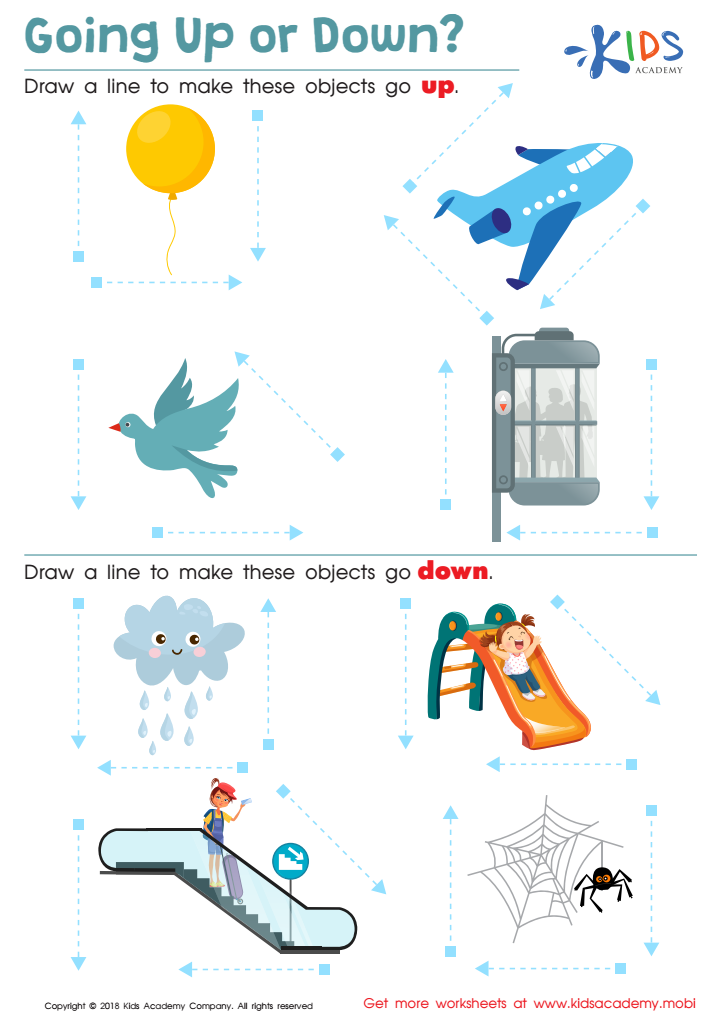
Going up or Down? Worksheet
 Assign to My Students











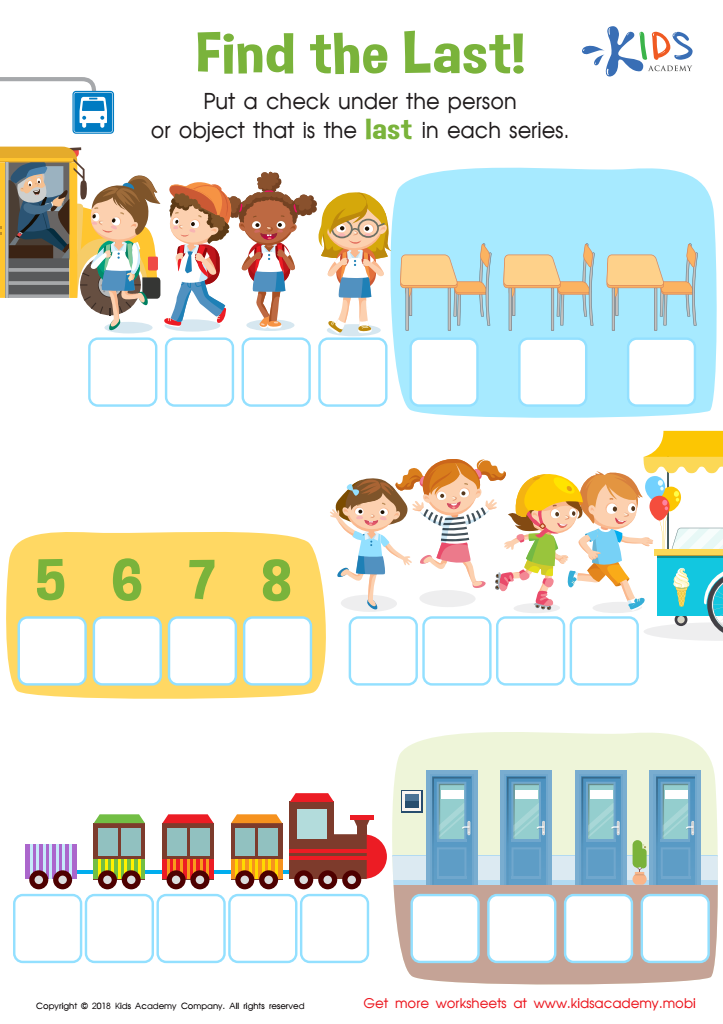
Find the Last! Worksheet
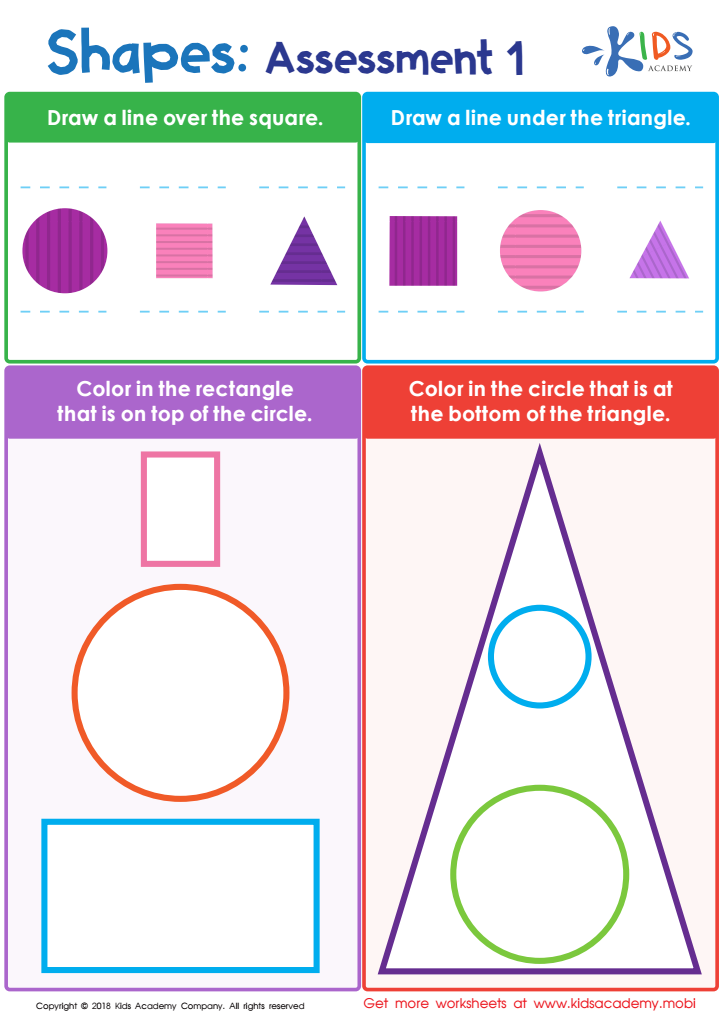
Shapes: Assessment 1 Worksheet
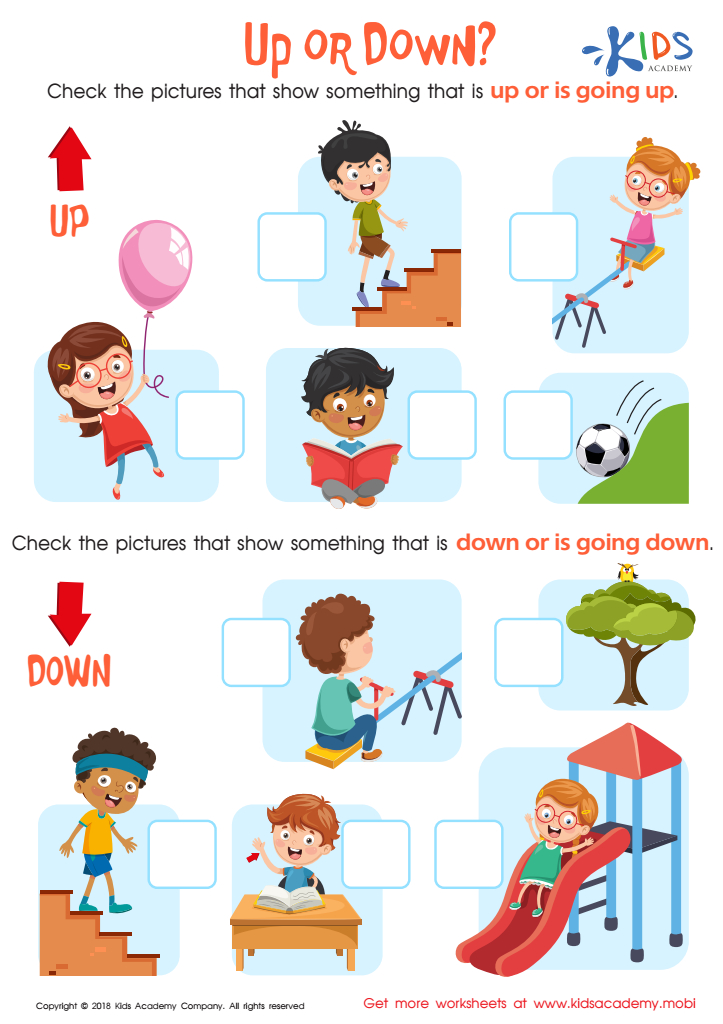
Up or Down Worksheet
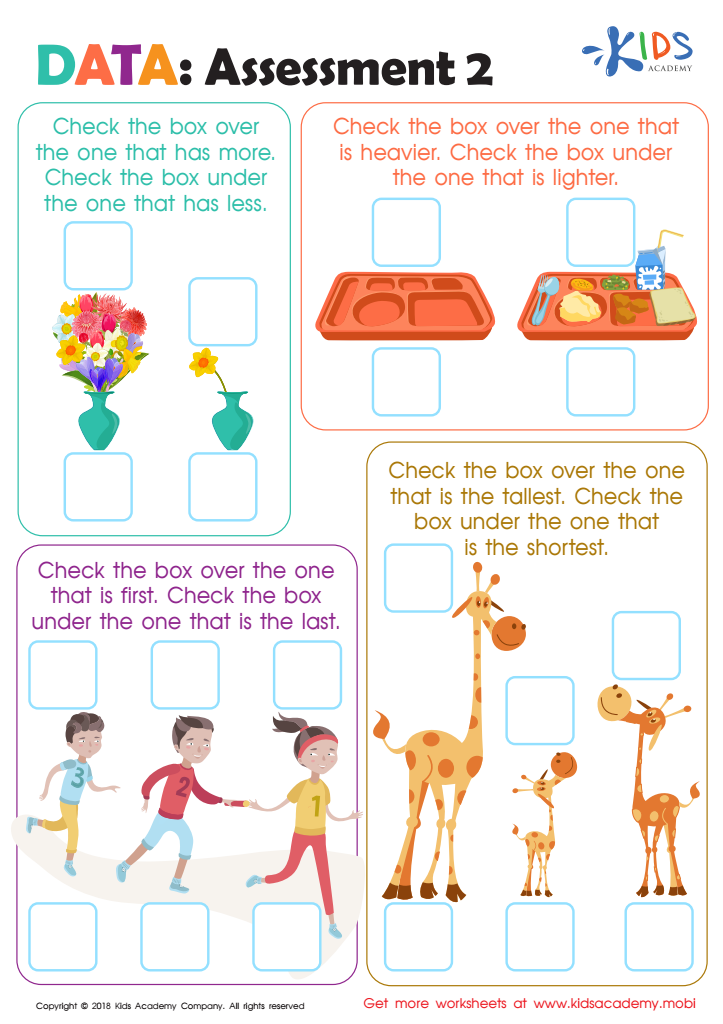
Data: Assessment 2 Worksheet








Parents and teachers should prioritize basic math skills, specifically geometry, for 4-year-olds because these foundational concepts pave the way for future academic success and cognitive development. Early exposure to geometry helps children recognize shapes, patterns, and spatial relationships—essential skills for problem-solving and critical thinking. As they explore geometric concepts, children enhance their spatial awareness, which is vital not just in math but in everyday tasks, such as navigating their environment and recognizing everyday objects.
Moreover, engaging with geometry through play and hands-on activities fosters curiosity and creativity. Activities like building with blocks, drawing, and sorting shapes make learning enjoyable and memorable. By integrating geometry into their play, children develop a positive attitude towards math, setting the stage for a lifelong appreciation of the subject.
Additionally, geometric understanding supports language development as children learn to articulate their observations and describe shapes and their properties, enhancing their vocabulary and communication skills. Overall, fostering geometric thinking at a young age not only supports mathematical learning but also nurtures well-rounded development, setting the groundwork for success in school and beyond.








