Hand-eye Coordination Math Worksheets for 4-Year-Olds - Page 2
47 filtered results
-
From - To
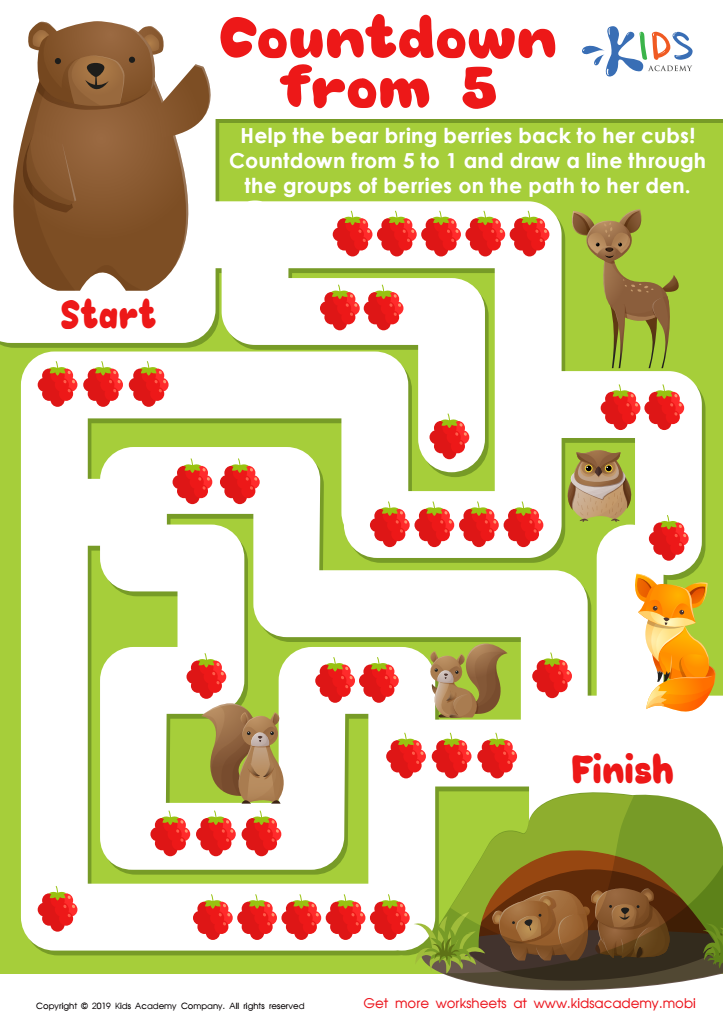
Countdown from 5 Worksheet
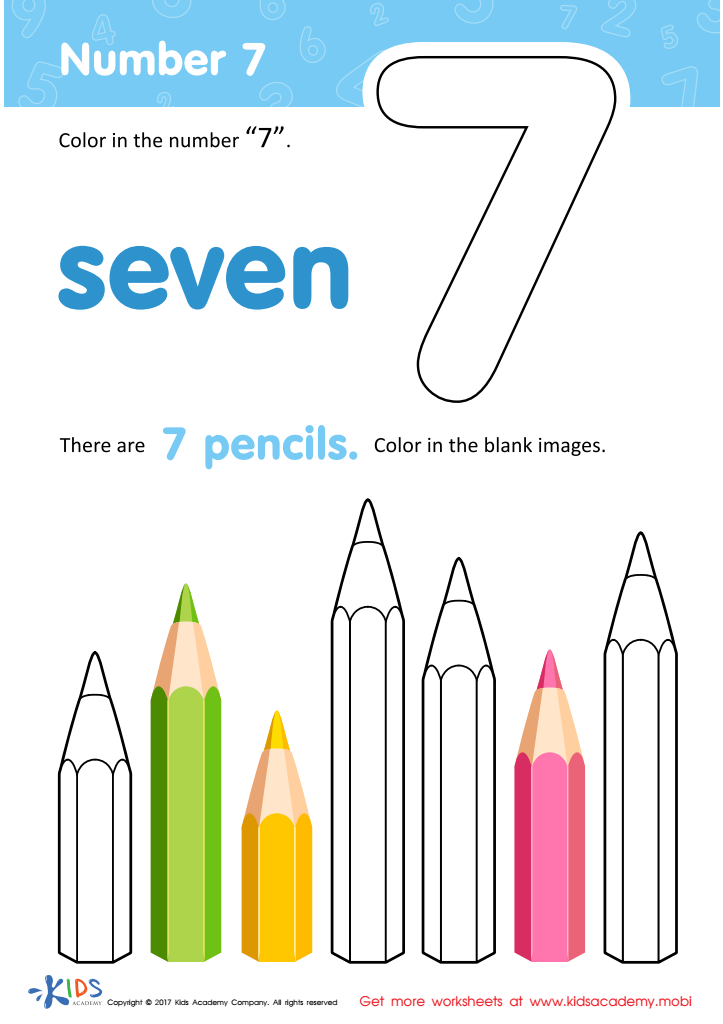
Number 7 Worksheet
 Assign to My Students
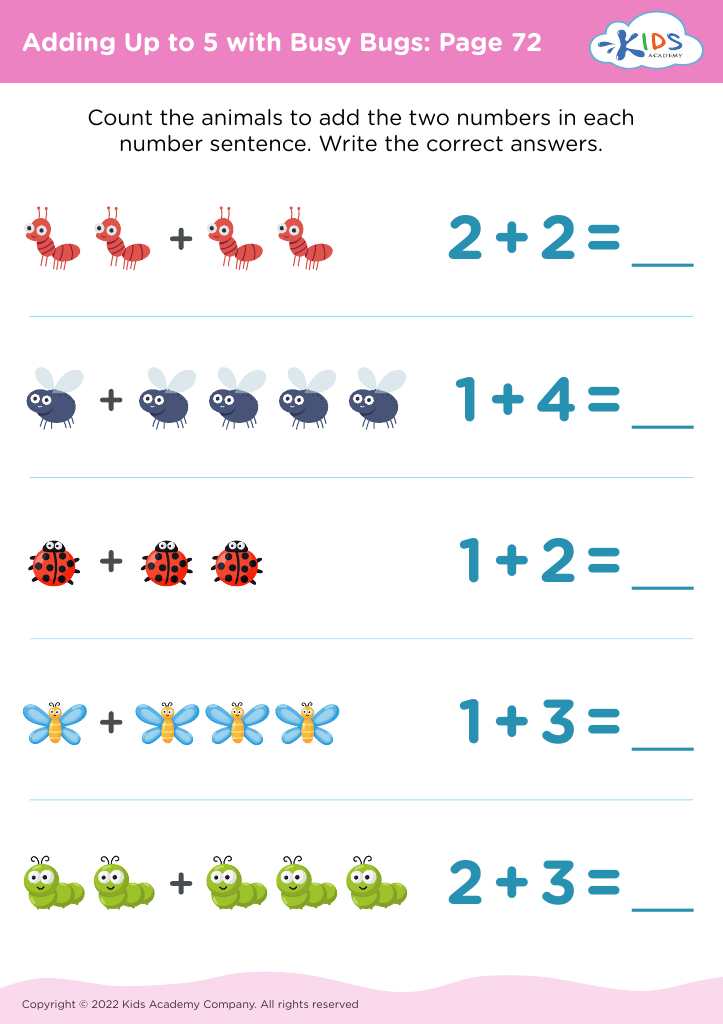
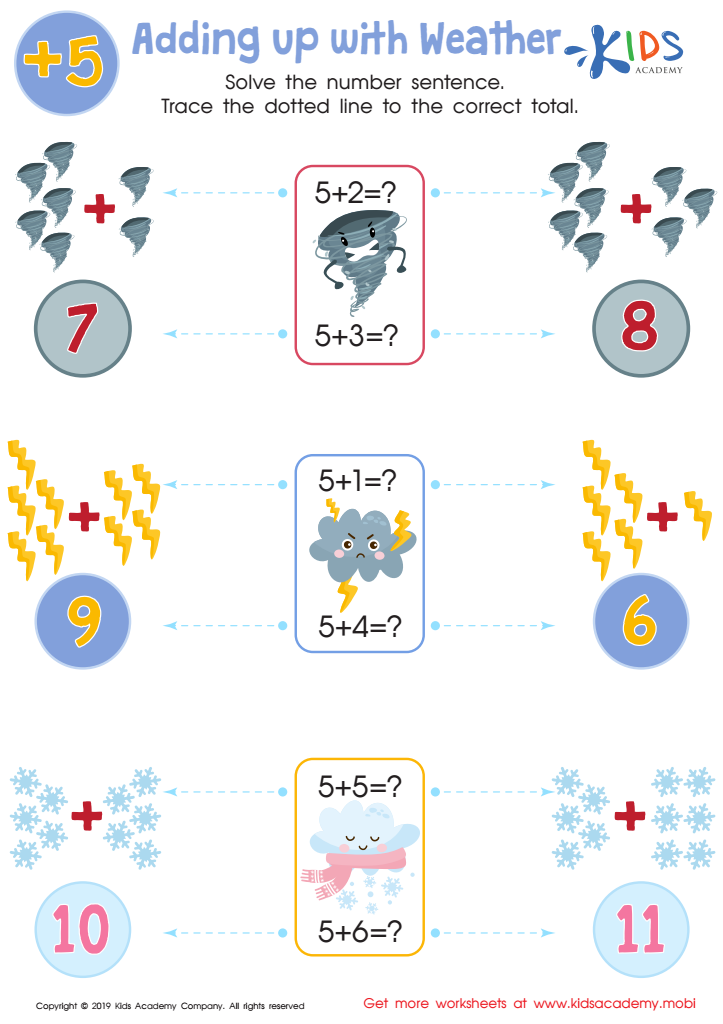
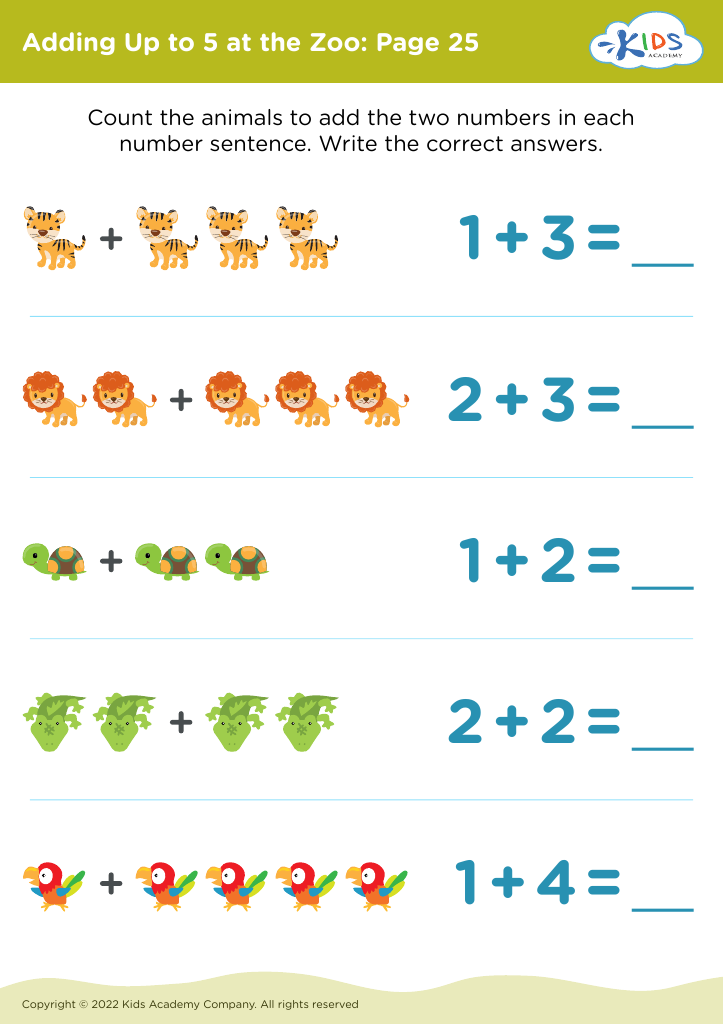
Adding up With Water Worksheet
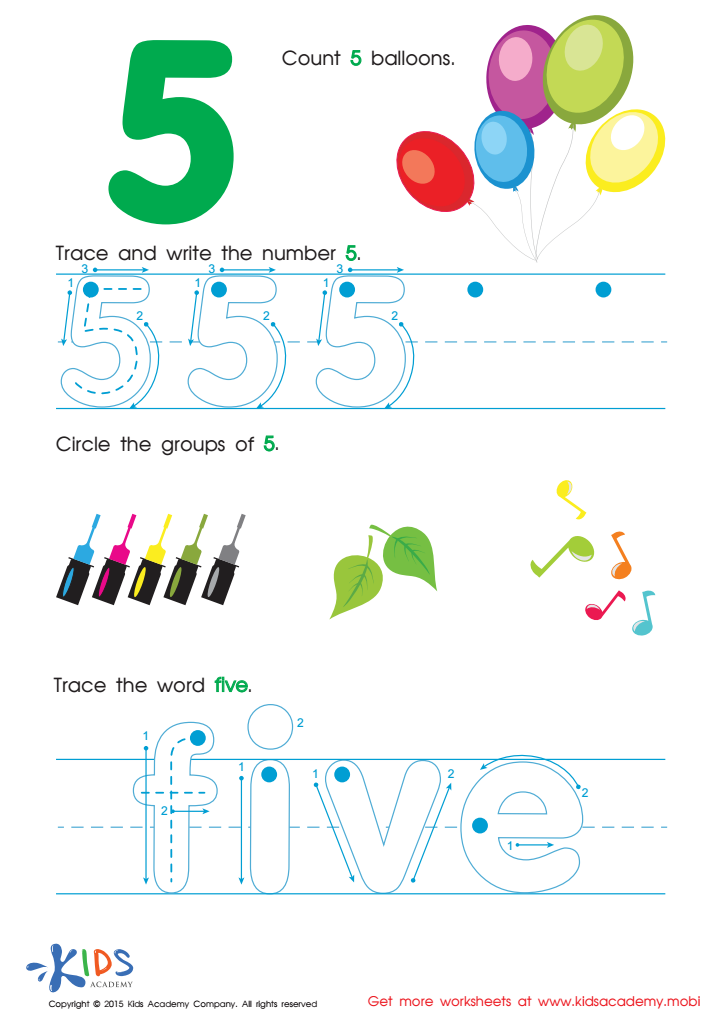
Practice Writing Number 5 Worksheet
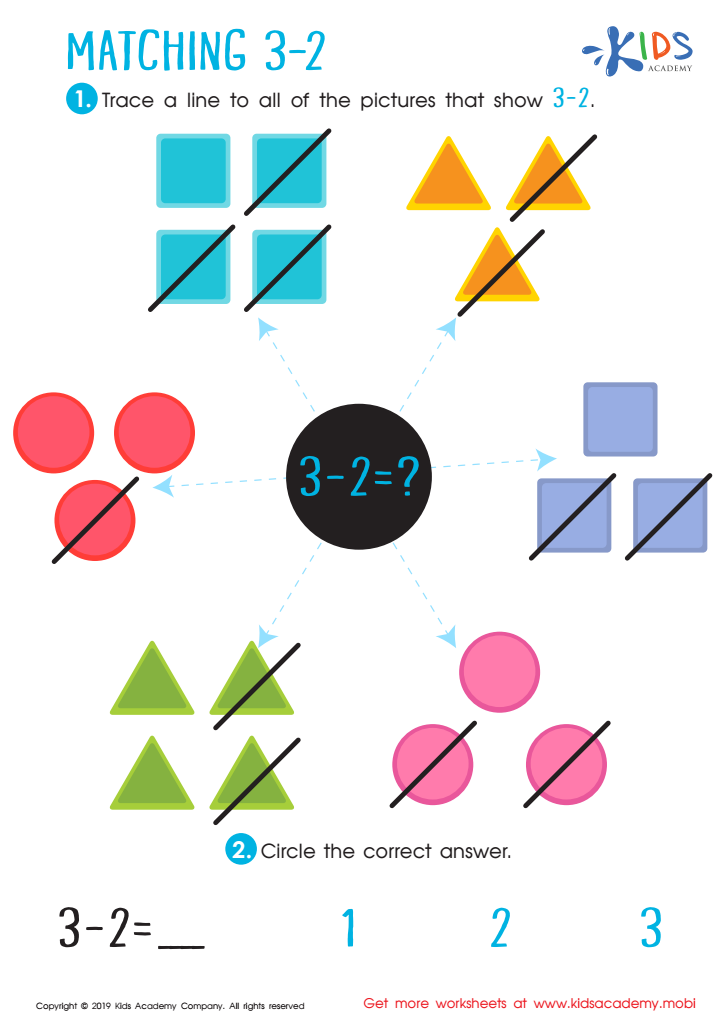
Matching 3-2 Worksheet
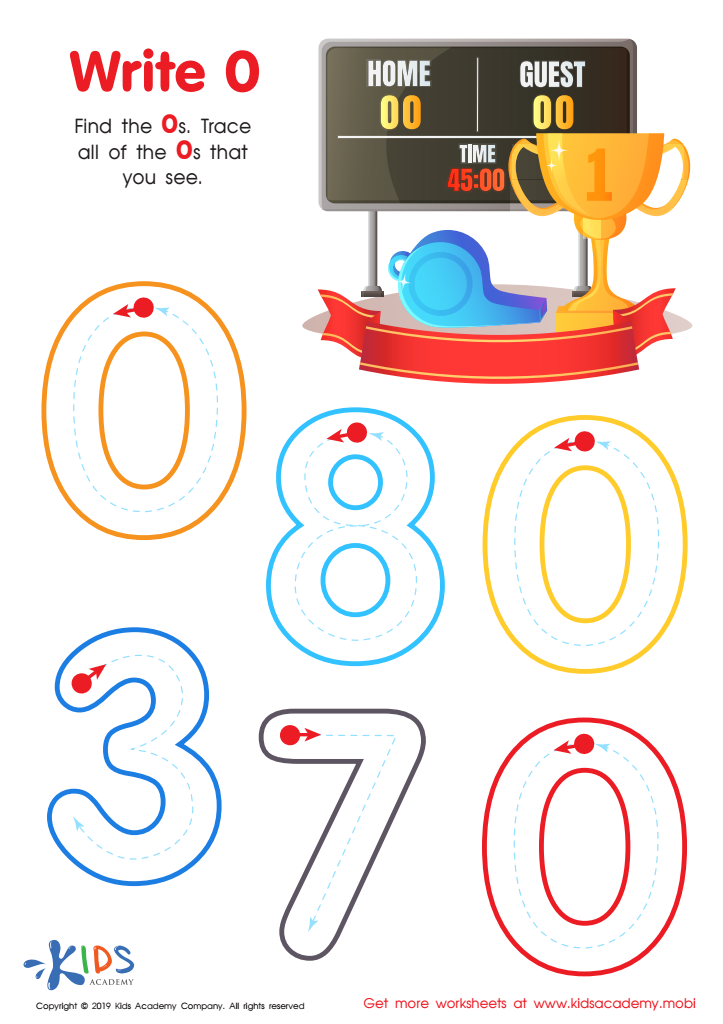
Write 0 Worksheet
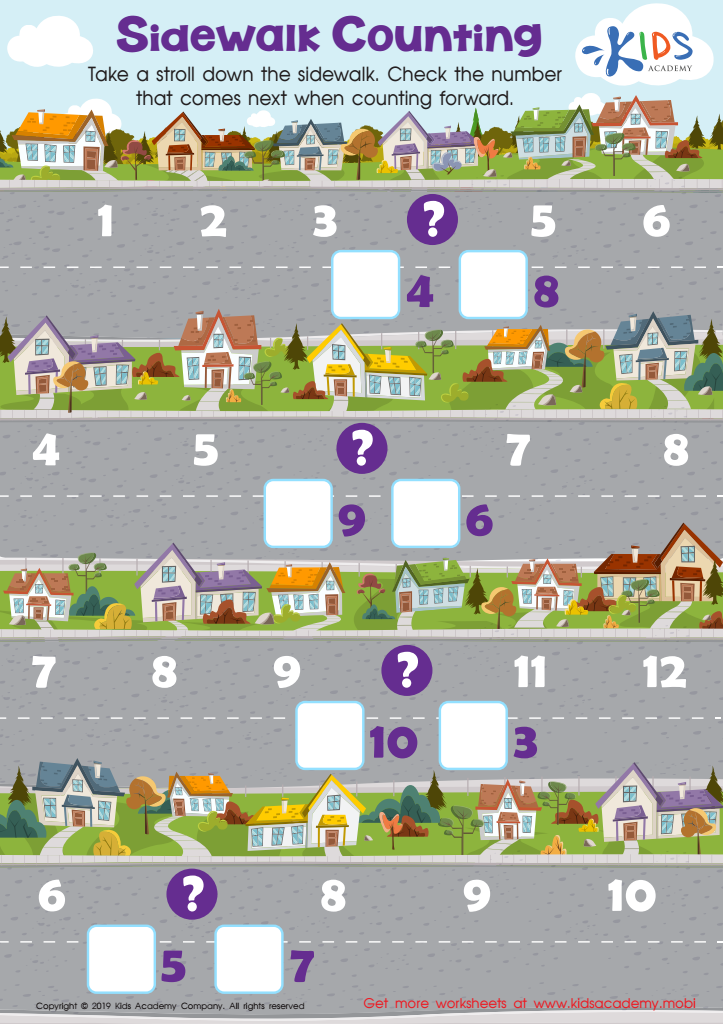
Sidewalk Counting Worksheet
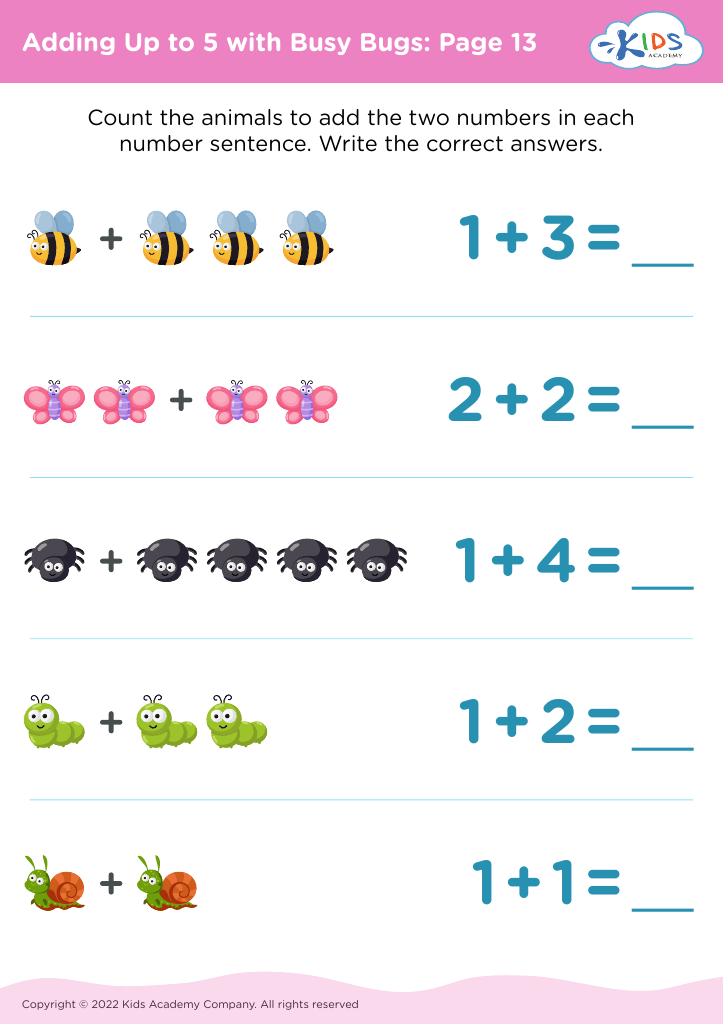
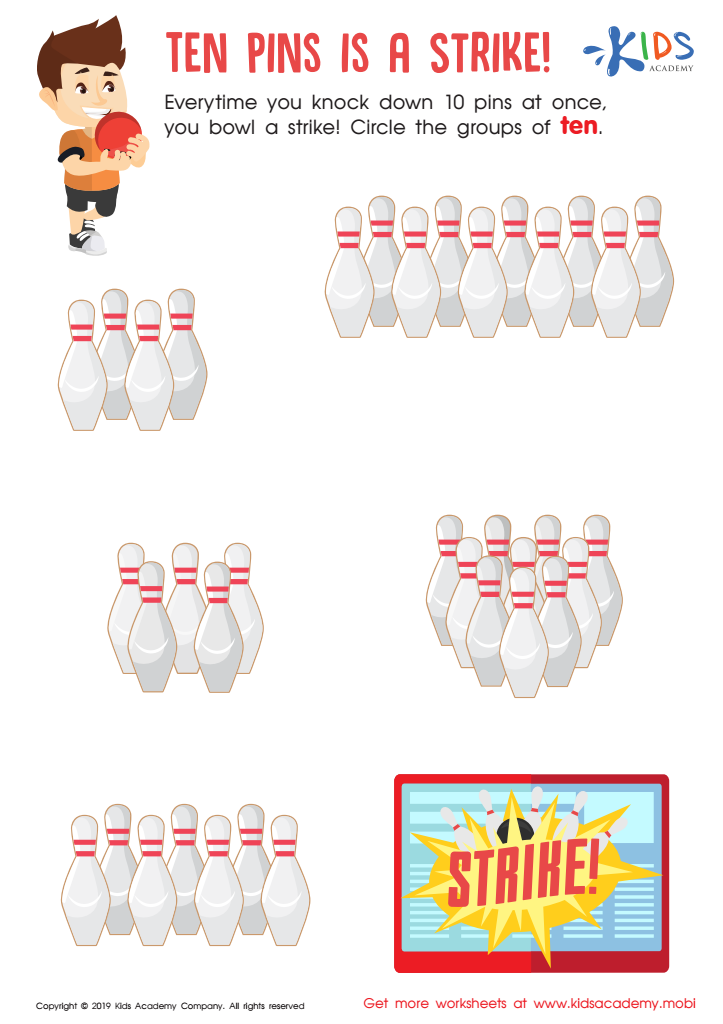
Ten Pins is a Strike Worksheet
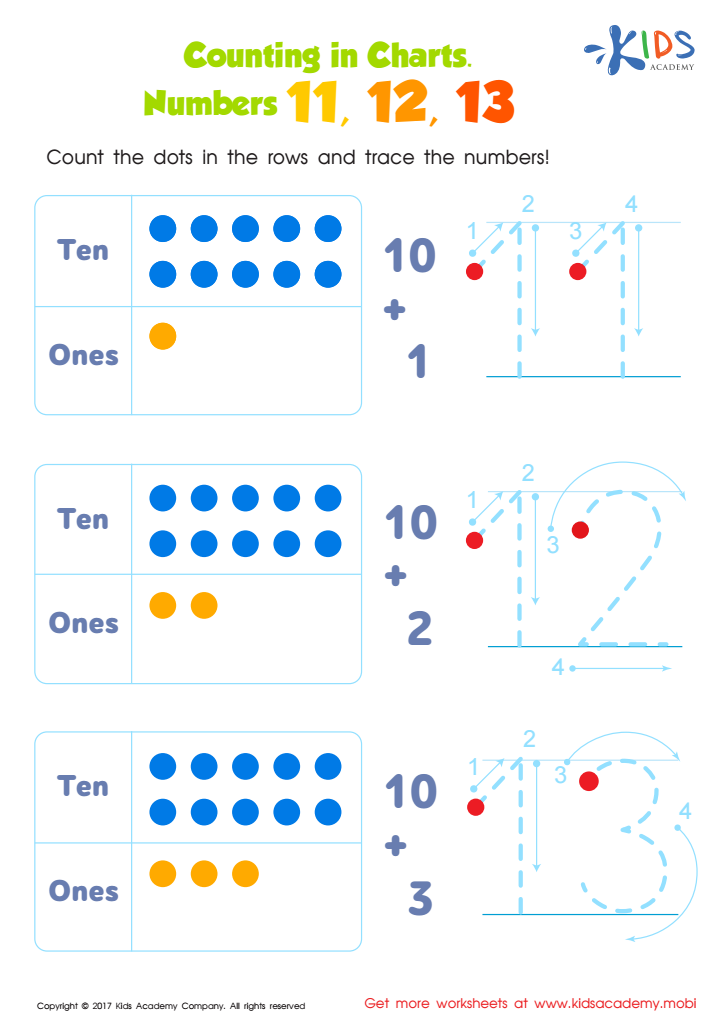
Number Tracing Worksheet For Kindergarten
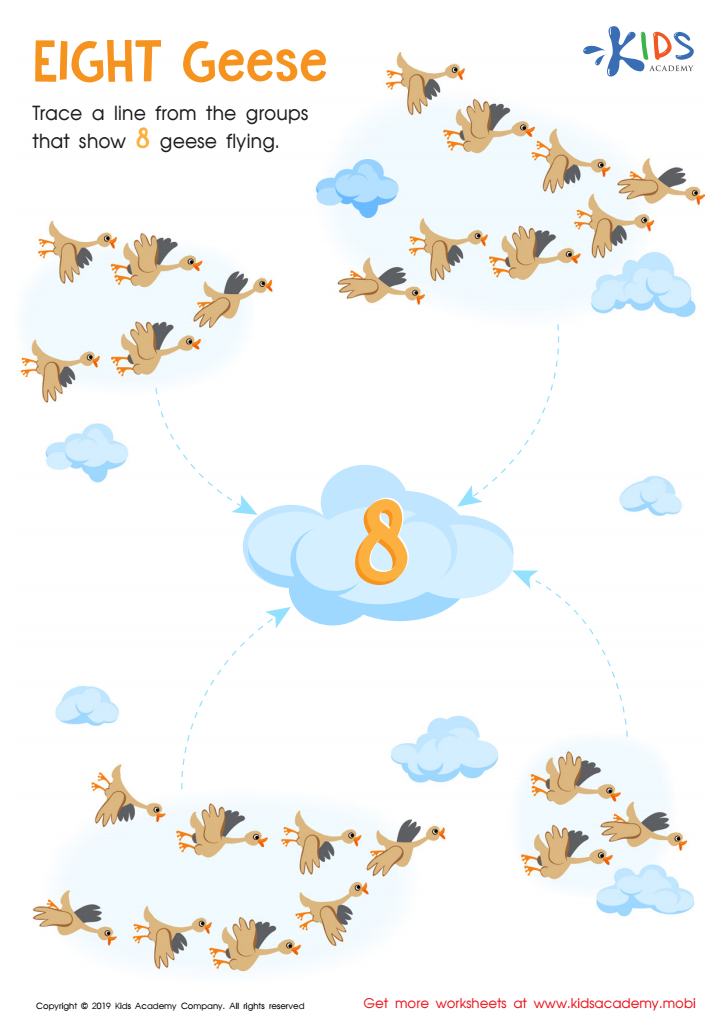
Eight Geese Worksheet
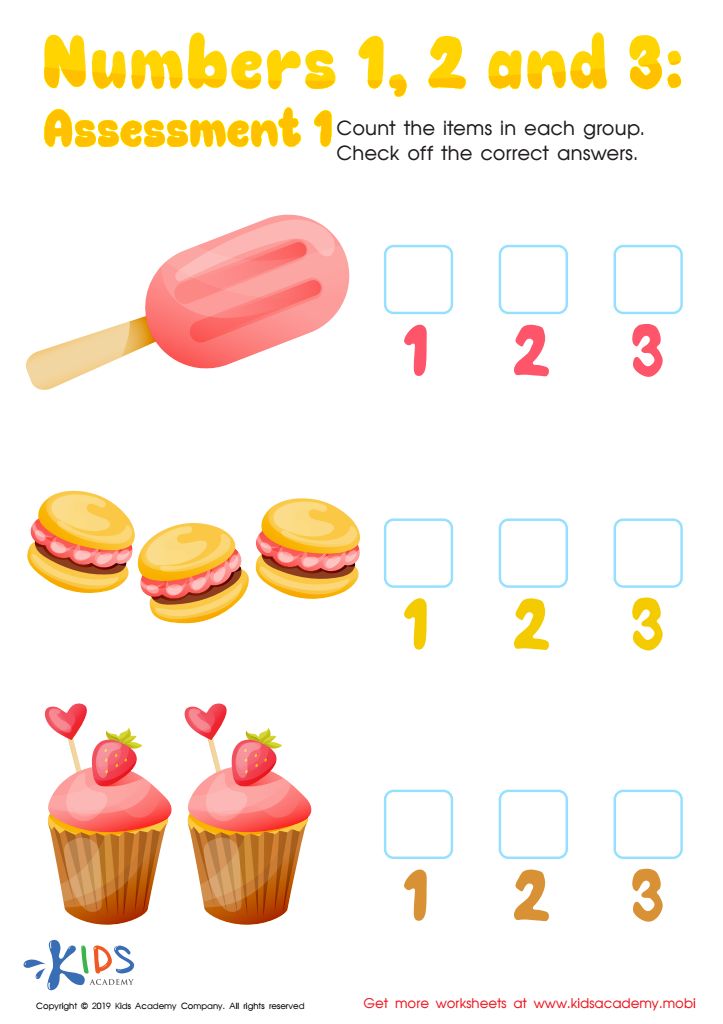
Numbers 1, 2 and 3: Assessment 1 Worksheet
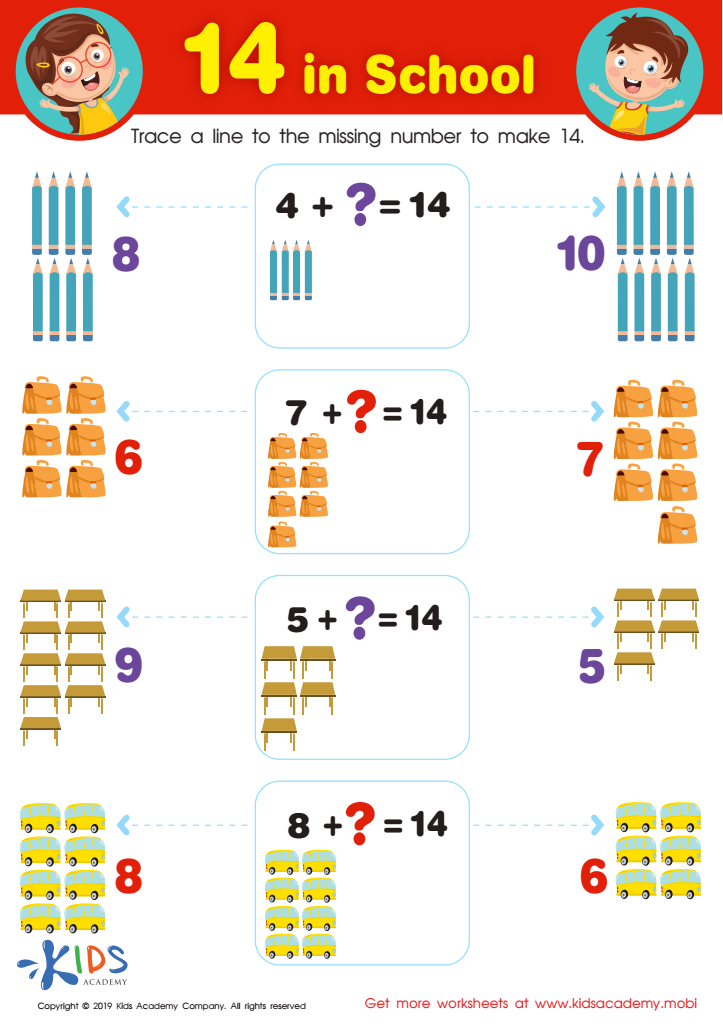
14 in School Worksheet
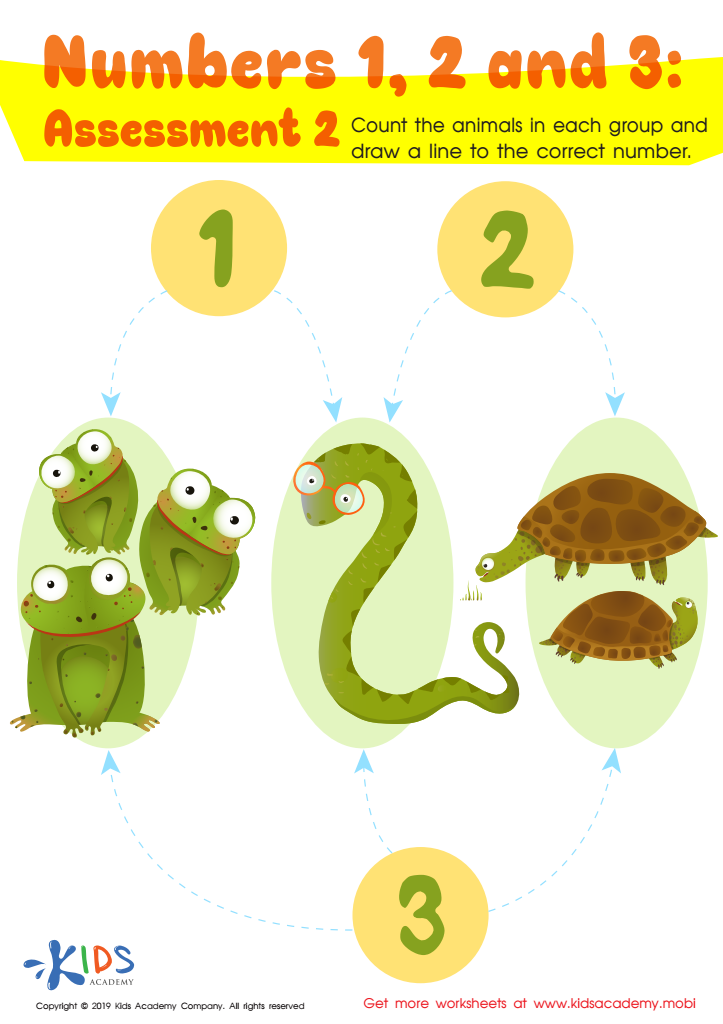
Numbers 1, 2 and 3: Assessment 2 Worksheet
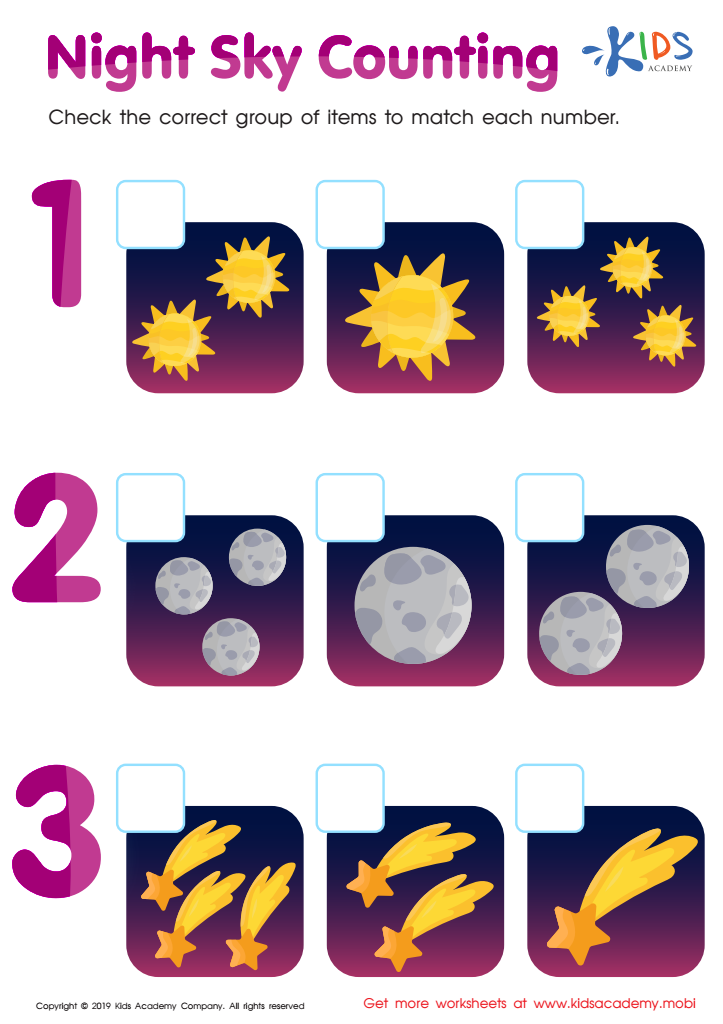
Night Sky Counting Worksheet
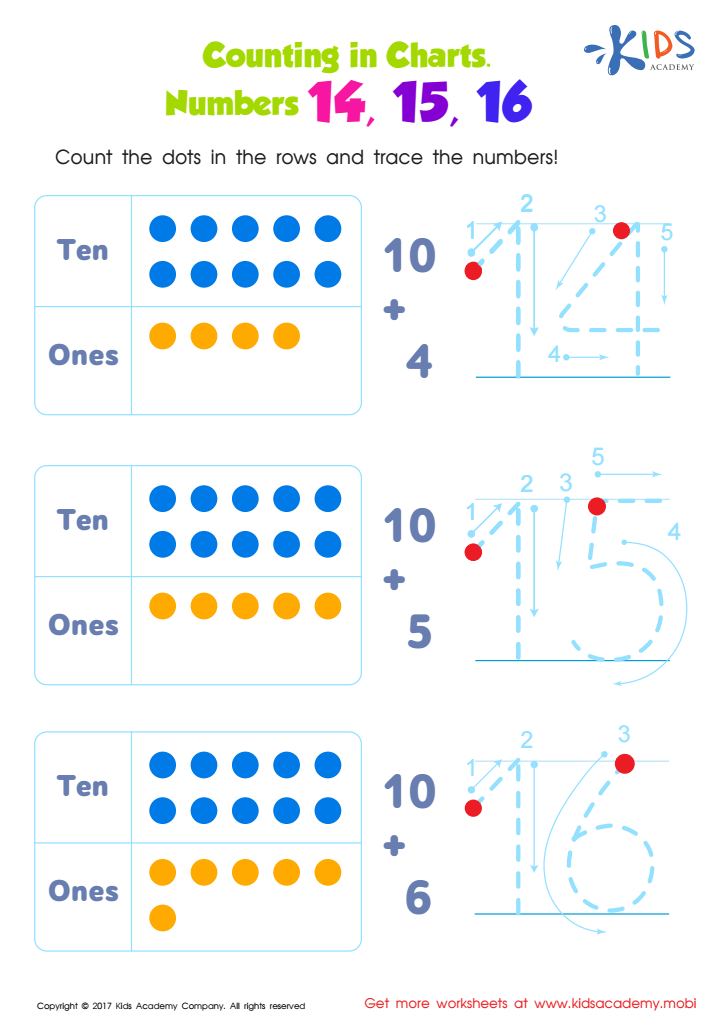
Number Tracing Worksheet
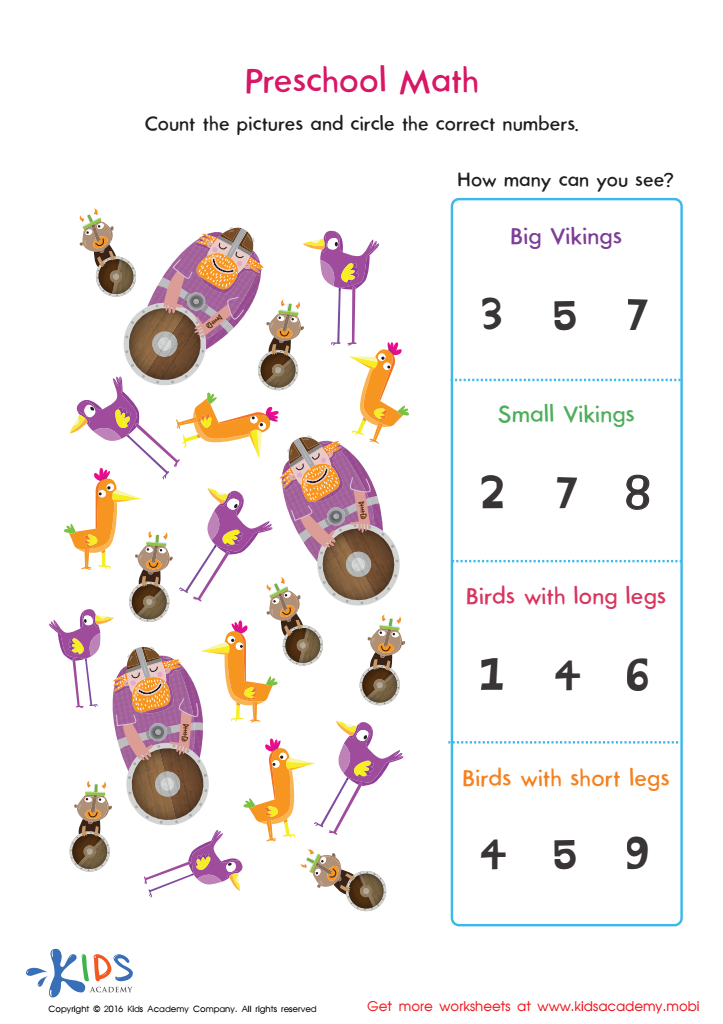
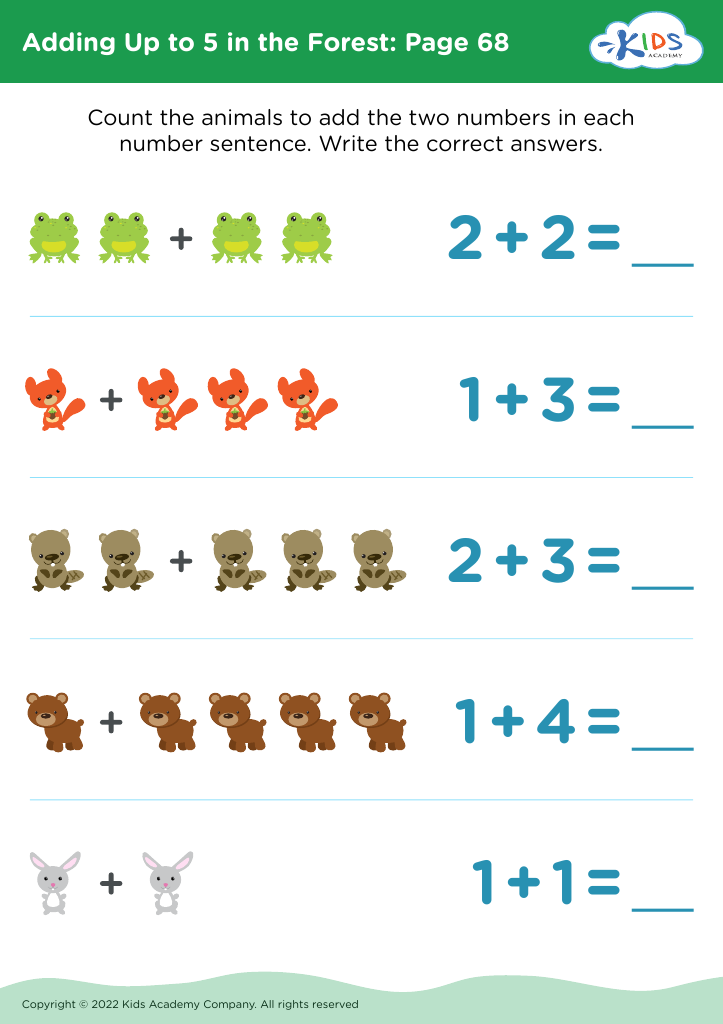
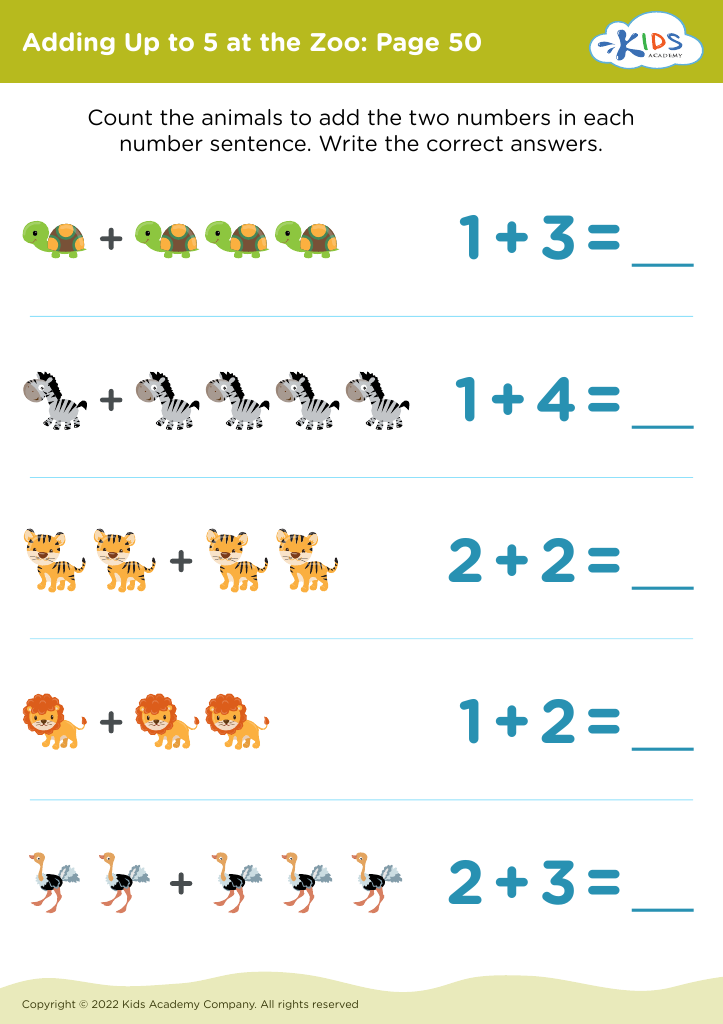







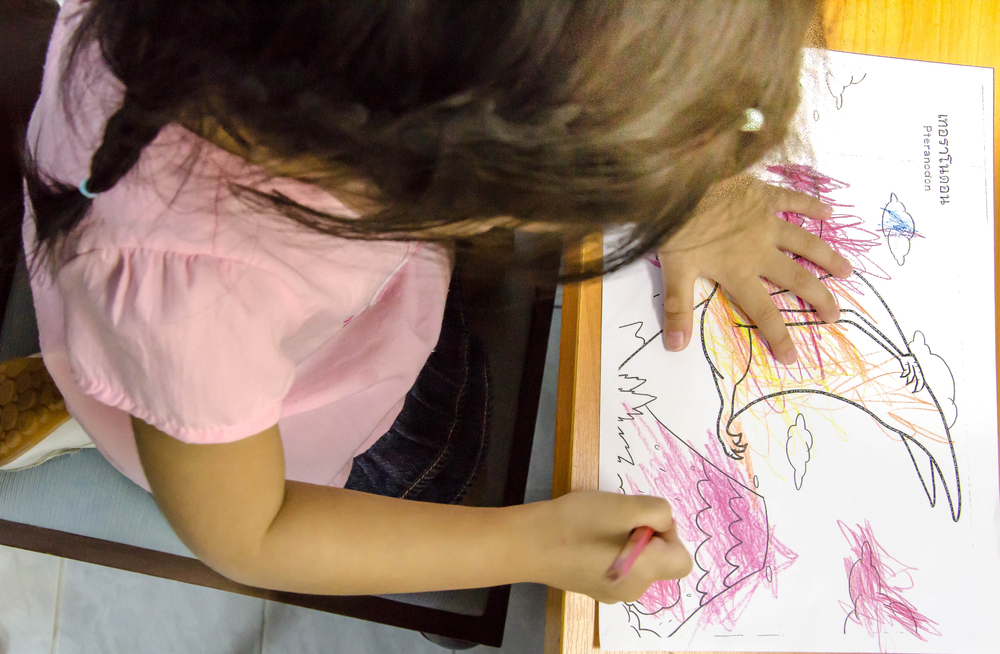
Hand-eye coordination is a crucial skill for young children, particularly for 4-year-olds, as it lays the foundation for various developmental areas, including math. Engaging in activities that foster hand-eye coordination can significantly benefit children's understanding of mathematical concepts. For instance, tasks that require children to manipulate objects, such as counting blocks or sorting shapes, enhance their fine motor skills while promoting numerical comprehension.
In early math experiences, hand-eye coordination enables children to accurately measure, compare, and recognize patterns, making math more interactive and tangible. Furthermore, as children learn to grasp, position, and align objects with their eyesight, they develop spatial awareness, which is vital for geometry and problem-solving skills later on.
Parents and teachers should recognize that fostering hand-eye coordination through playful yet structured activities can make learning math enjoyable and effective. Encouraging children to engage in games like puzzles, building with blocks, or even drawing shapes not only strengthens their coordination but also cultivates a natural curiosity about numbers and relationships.
Ultimately, a strong foundation in hand-eye coordination intertwines with math learning, bringing forth confident learners ready to explore, question, and understand the world quantitatively.








