Animal recognition Reading Worksheets for 4-Year-Olds
5 filtered results
-
From - To
Welcome to our collection of Animal Recognition Reading Worksheets for 4-Year-Olds! Designed to foster early literacy skills, these worksheets introduce young learners to various animals through engaging activities. Children will practice identifying animals, enhancing their vocabulary and comprehension while having fun. Each worksheet incorporates colorful images and simple text, making learning interactive and enjoyable. Perfect for at-home learning or classroom use, our resources support developmental milestones by promoting recognition skills, phonetic awareness, and cognitive development. Encourage a love for reading and animals with these stimulating worksheets that spark curiosity and creativity in your little ones! Explore our collection today!
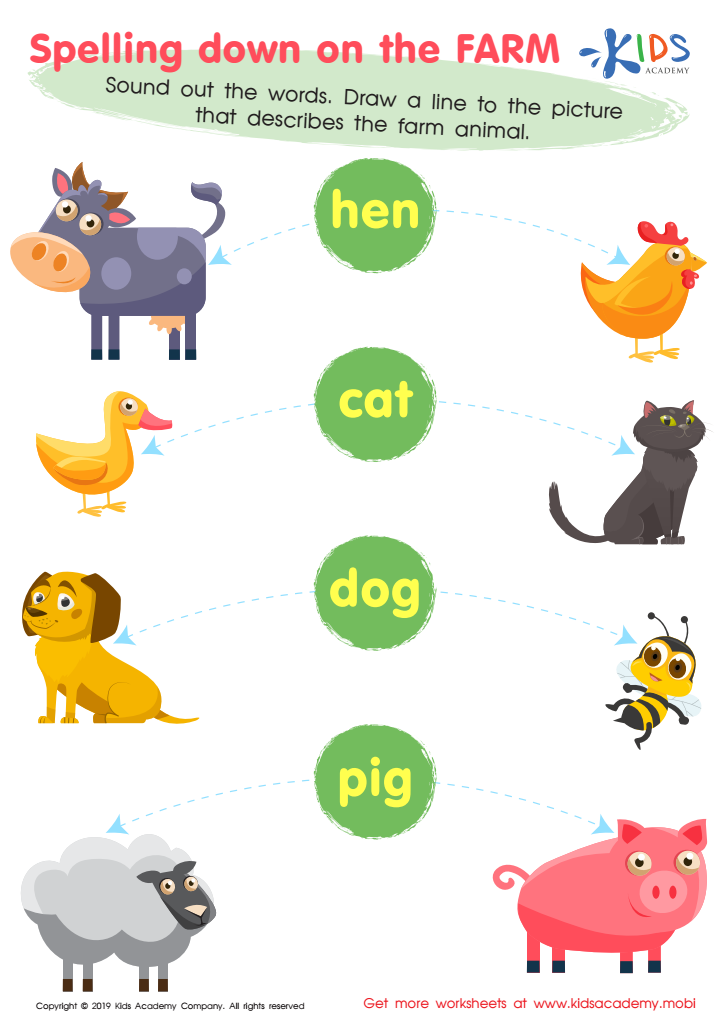
Spelling Down on the Farm Worksheet
 Assign to My Students
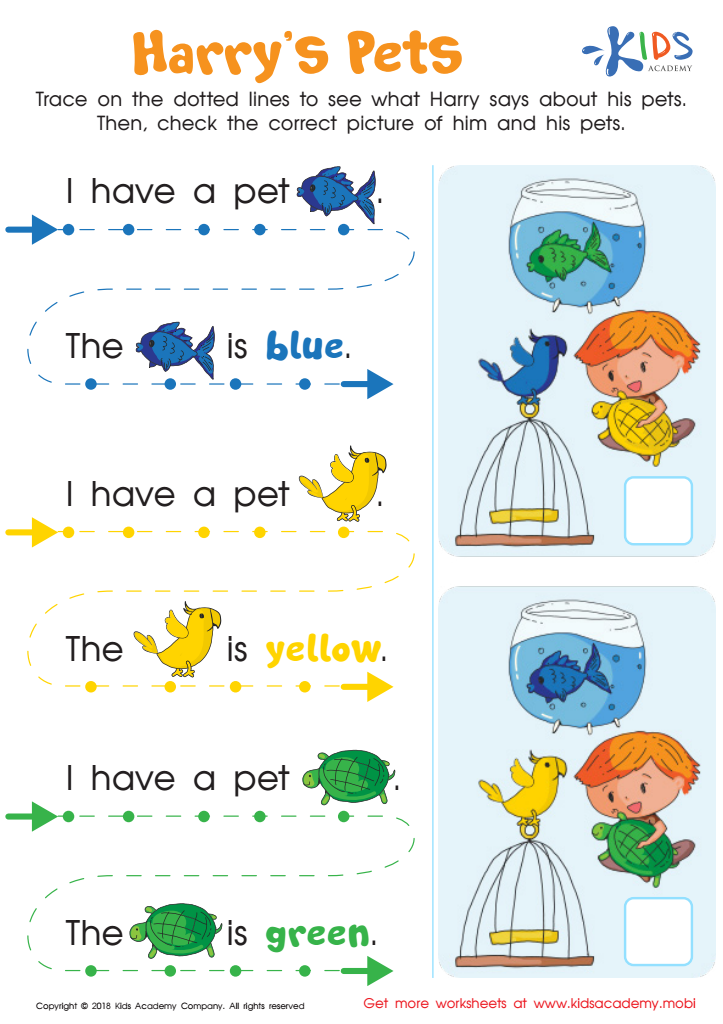
Read from Left to Right: Harry's Pets Worksheet
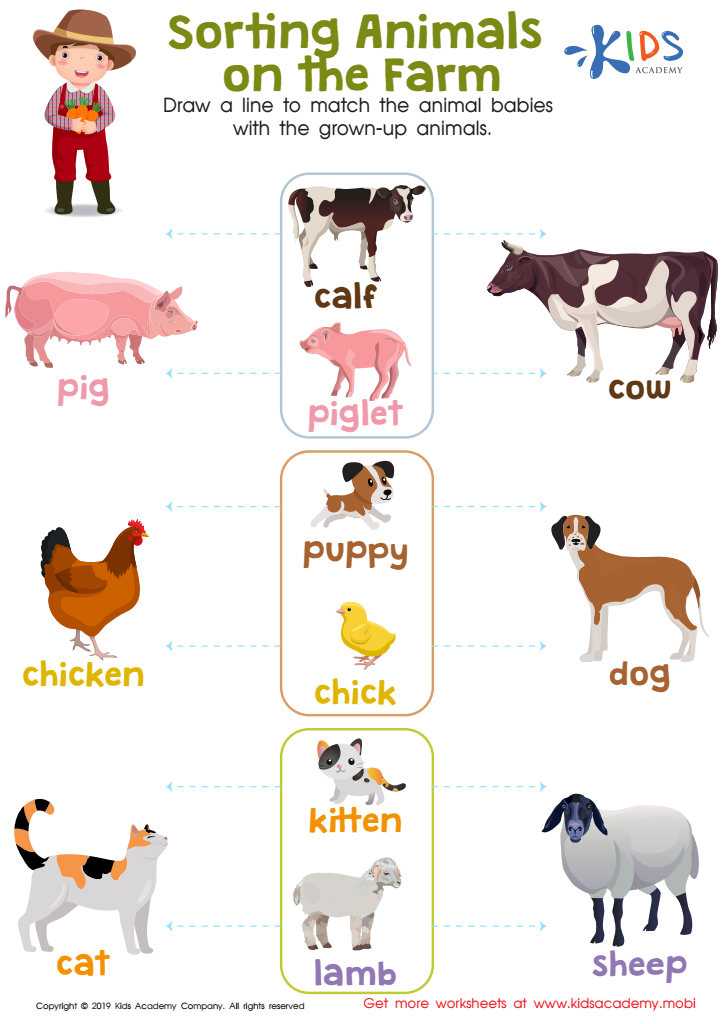
Sorting Animals on the Farm Worksheet
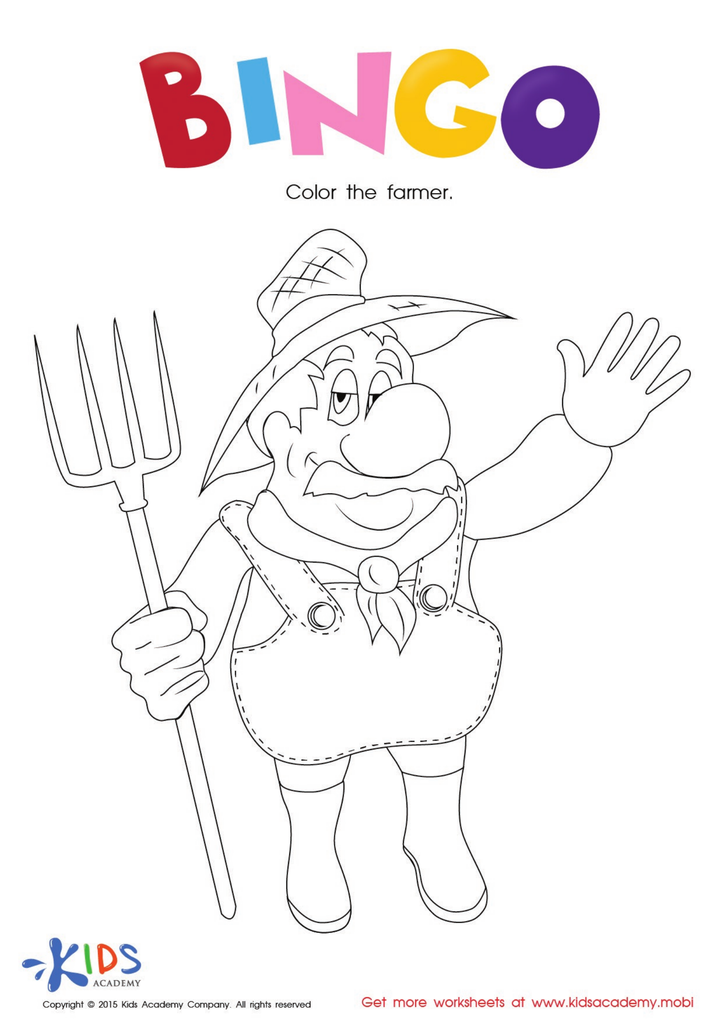
The Bingo Song: Coloring The Farmer Worksheet
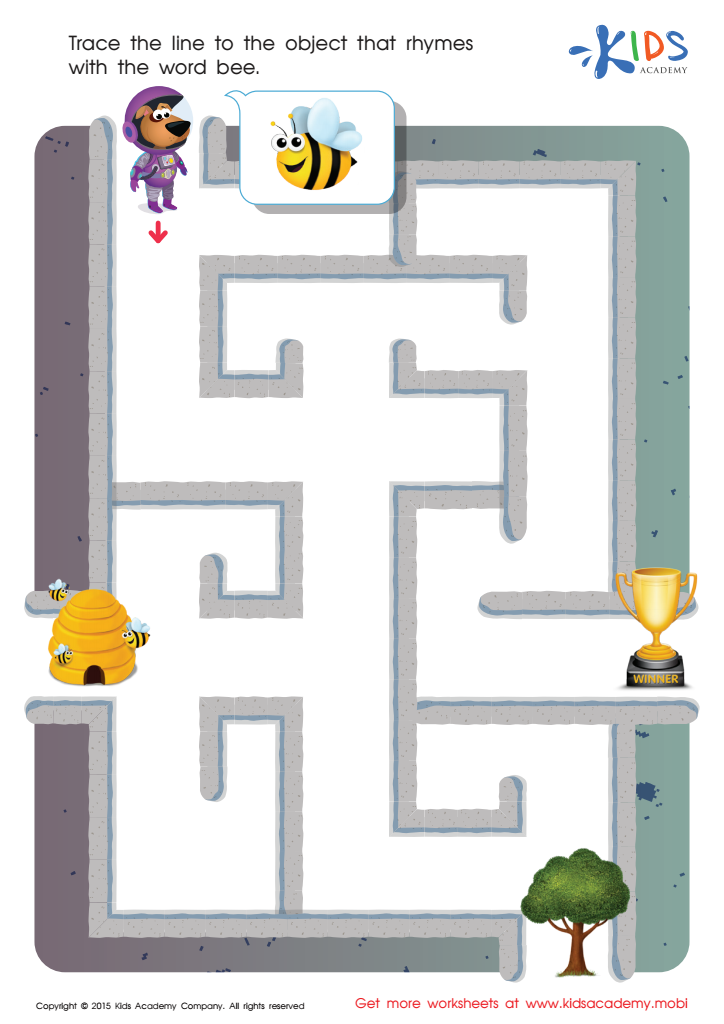
Bee Rhyming Words Worksheet



.jpg)



Animal recognition reading for 4-year-olds plays a crucial role in early childhood development and education, and it's essential for both parents and teachers to prioritize this area. Firstly, it engages children's natural curiosity about the world around them, fostering a love for learning. Animals are familiar subjects, vividly featured in books, which help capture young learners' attention. Through animal recognition, children enhance their vocabulary, learning not just the names of various animals but also the sounds they make and their habitats.
Secondly, animal recognition activities can support cognitive development. Identifying animals assists in improving memory skills and critical thinking as children categorize them based on different attributes, like size, color, and type. Additionally, such activities encourage language development, particularly through storytelling and discussions about animals, allowing children to express their thoughts and emotions.
Finally, caring for animals fosters empathy and understanding, connecting children to broader themes of respect and kindness towards living beings. By incorporating animal recognition into reading, parents and teachers contribute to a holistic learning experience, nurturing not only literacy skills but also social and emotional development in young children. In summary, animal recognition reading creates a foundation for lifelong learning and compassion in young learners.








