Basic Addition Skills Reading Worksheets for 4-Year-Olds
4 filtered results
-
From - To
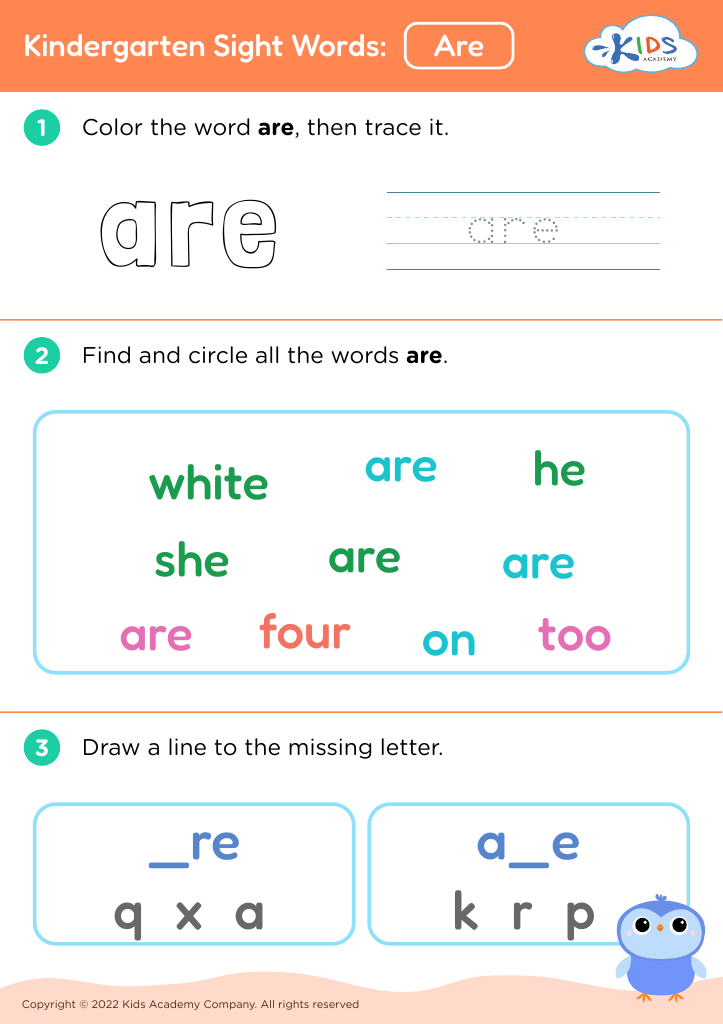
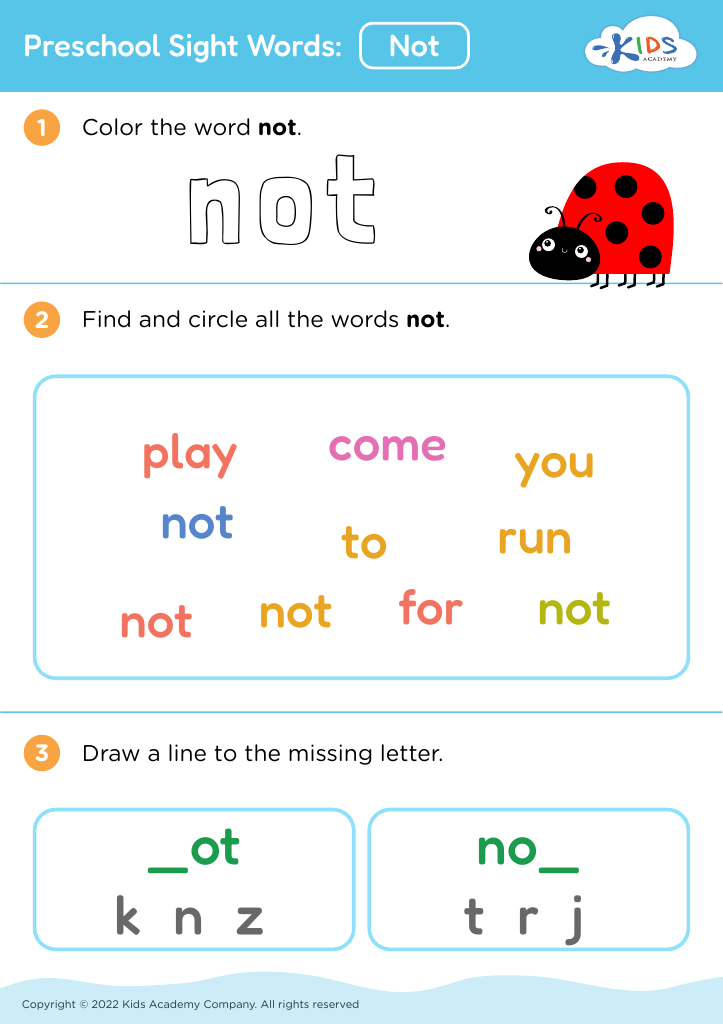
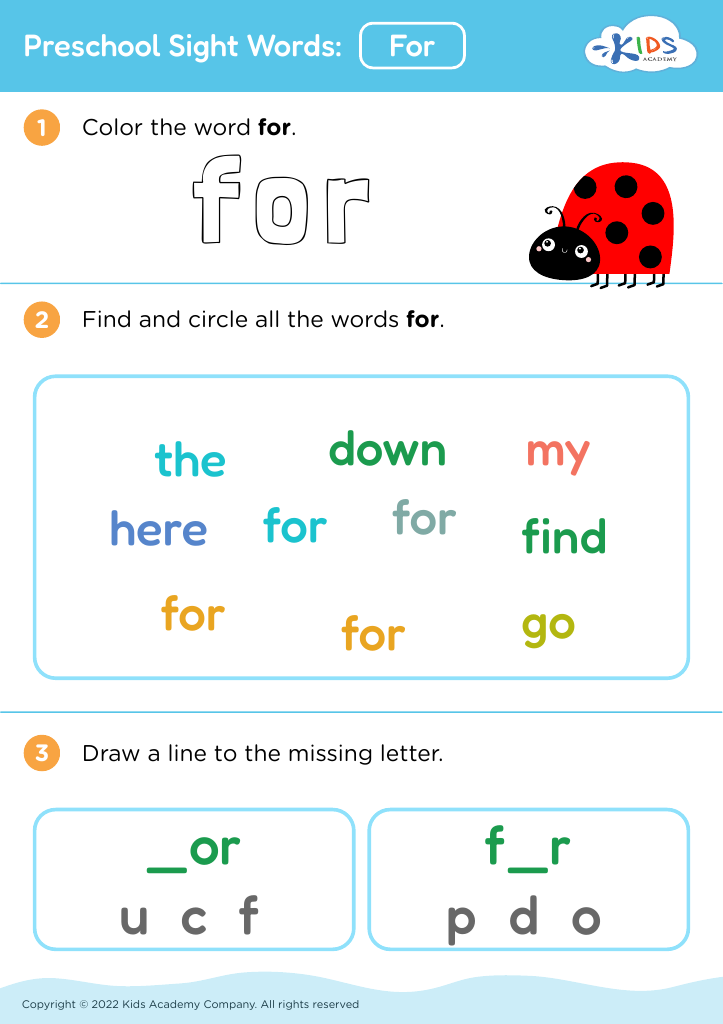
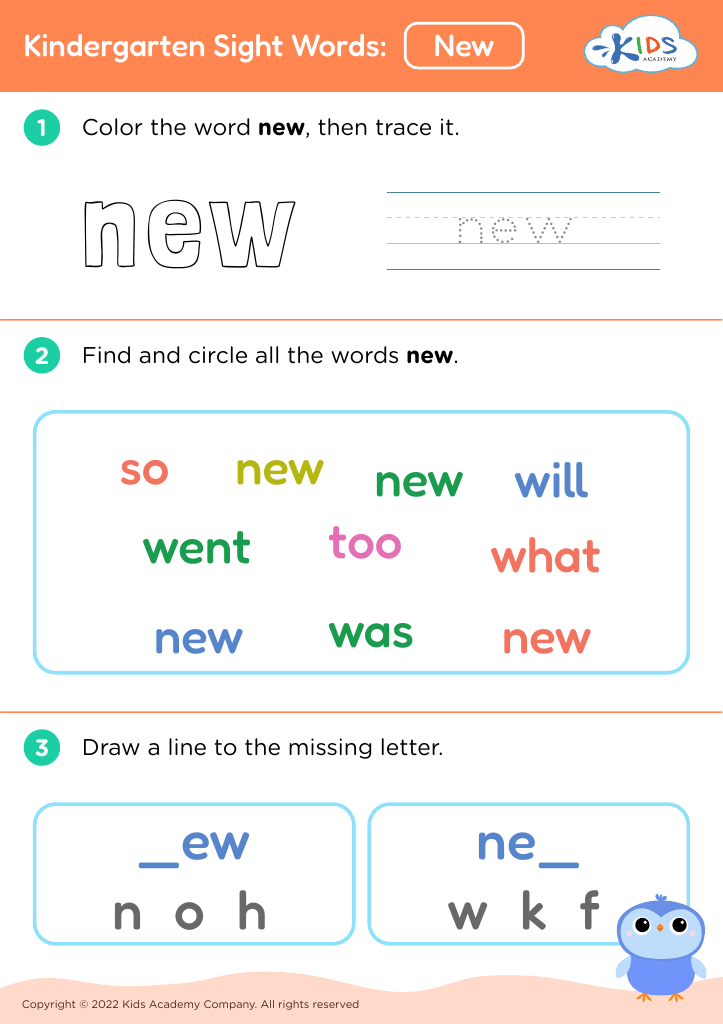
Boost your 4-year-old's understanding of basic addition with our engaging and colorful reading worksheets! Specifically designed for young learners, these worksheets utilize fun illustrations and simple problems to make learning seamless and enjoyable. Kids will practice counting, recognizing numbers, and solving addition problems in a playful context that sparks curiosity. Perfect for home or classroom use, these resources encourage a love for math and enhance early literacy skills. With a variety of exercises catering to different learning styles, our worksheets will help your little ones build a strong foundation in math while enjoying their learning journey!






.jpg)

Parents and teachers should prioritize basic addition skills for four-year-olds because early math understanding lays a crucial foundation for future academic success. At this age, children are naturally curious and eager to learn, making it an ideal time to introduce basic concepts of addition through engaging and playful methods.
Understanding simple addition helps children develop critical thinking and problem-solving abilities, enhancing their cognitive skills. It also fosters a sense of accomplishment and boosts self-esteem when they successfully grasp and apply these concepts. Furthermore, basic math skills are interconnected with literacy—language development through counting, sequencing, and recognizing numbers enhances overall communication skills.
Additionally, mastering basic addition at a young age can prevent future math anxiety or difficulties. Establishing a strong mathematical foundation ensures children are better prepared for more complex concepts in later grades. By incorporating fun activities, such as counting toys or singing songs that involve adding, caregivers can make learning enjoyable and interactive.
Ultimately, nurturing basic addition skills in young children supports not only their mathematical development but also their love for learning, setting them on a path to a successful educational journey. With support from parents and teachers, children can cultivate strong foundational skills that benefit their overall development.








